






Disabled individuals relying on the Motability scheme are facing significant cost increases as the programme aims to offset £300 million in new taxes introduced following last year’s Budget.
The company has announced adjustments to mileage allowances, the introduction of charges for exceeding mileage limits, and new fees for taking vehicles overseas.
Users could also see advance payments rise by as much as £400 when starting a new lease agreement.
These changes emerge amid fierce political scrutiny of the scheme, which enables some recipients of disability benefits to allocate part or all of their payments towards leasing a new car or an accessible vehicle.
The scheme, which is only eligible for those with an entitlement for the higher or enhanced rate of the mobility component of disability benefit, is used by around 890,000 people.

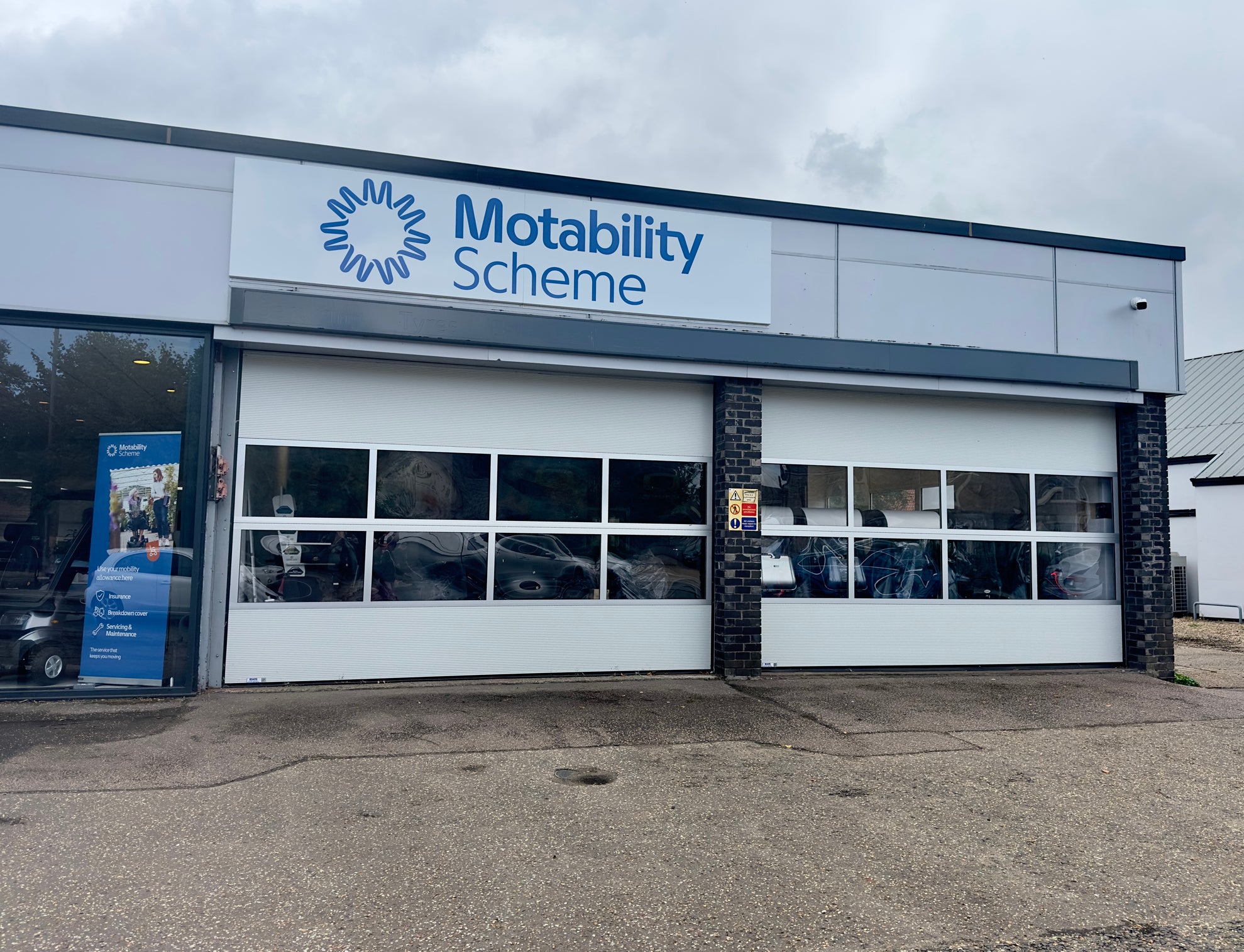
However, the breadth and cost of the programme has led to significant criticism.
Last month, Reform UK said it planned to make sweeping changes to Motability to “end the abuse” of the scheme.
In last year’s autumn budget, the Chancellor announced that the scheme would no longer use “luxury cars” such as BMW and Mercedes-Benz vehicles.
Rachel Reeves also announced the Government would introduce VAT to advance payments for the scheme, and apply insurance premium tax to leases from July 2026.
Motability said this will hit the business with £300 million of additional taxes.
On Thursday, chief executive of Motability Operations, Andrew Miller, told people on the scheme that it will introduce changes to deal with the cost.


Get a free fractional share worth up to £100.
Capital at risk.
Terms and conditions apply.
Go to website
ADVERTISEMENT
Get a free fractional share worth up to £100.
Capital at risk.
Terms and conditions apply.
Go to website
ADVERTISEMENT
“Together, these tax changes mean it will cost significantly more to run the scheme,” he said in a letter.
“If we did nothing, the average cost of a new lease would increase by around £1,100.


“It was clear to me that simply passing all these costs on to customers was not an option.
“We had to carefully consider how to reduce the tax impact as much as possible but also, focusing on changes that reflect how most customers already use their vehicles.”
He outlined plans to reduce the annual mileage allowances, increase excess mileage fees, change tyre replacement limits and introduce a charge for taking cars abroad.
It is understood that customers taking new leases after July 1 will see an average increase to advance payments of between £300 and £400.
Nevertheless, many new vehicles on the scheme will not require an advance payment.


