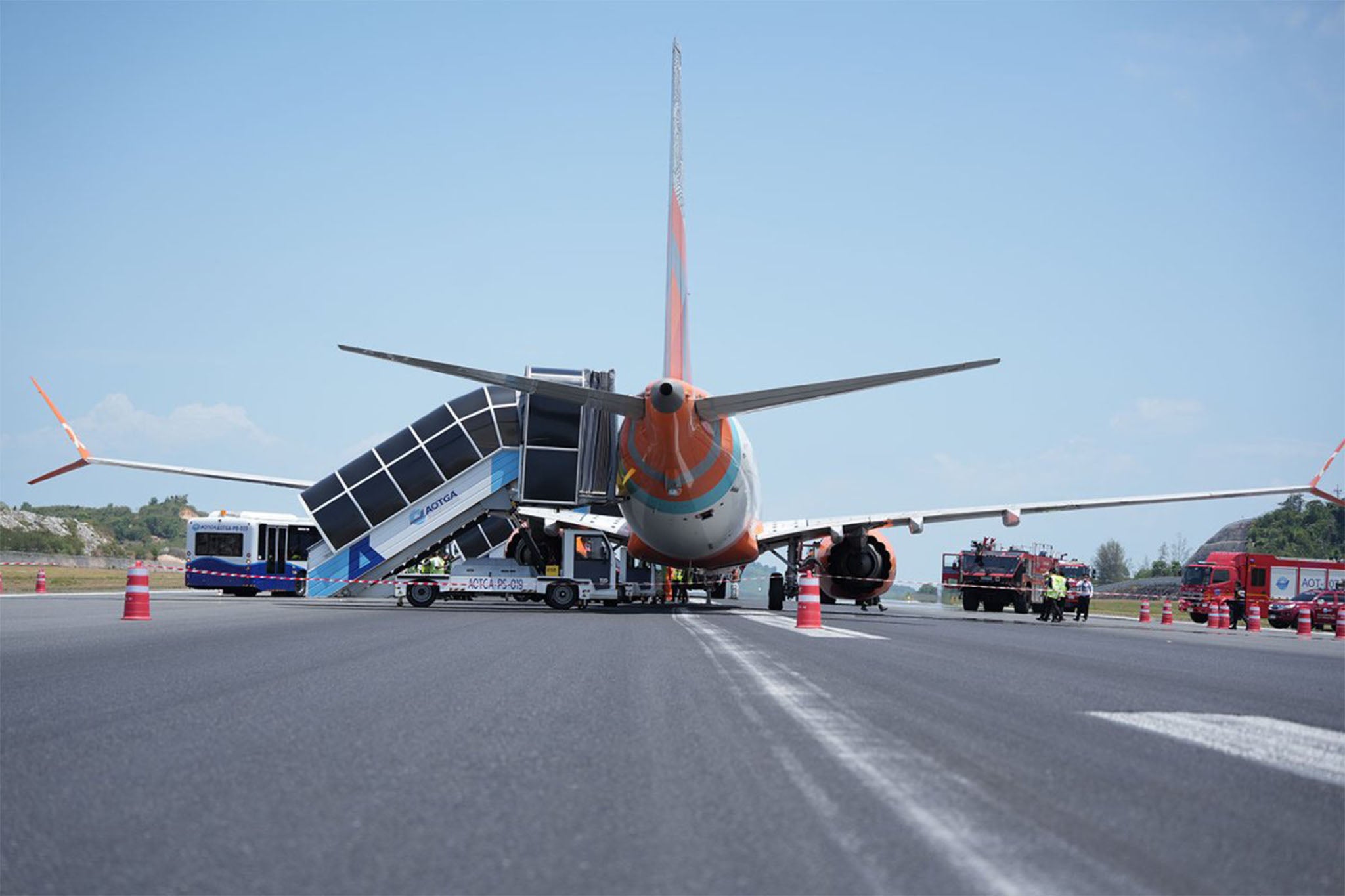
Thailand’s Phuket airport temporarily closed its runway on Wednesday to remove a disabled Air India Express plane following a malfunction upon landing.
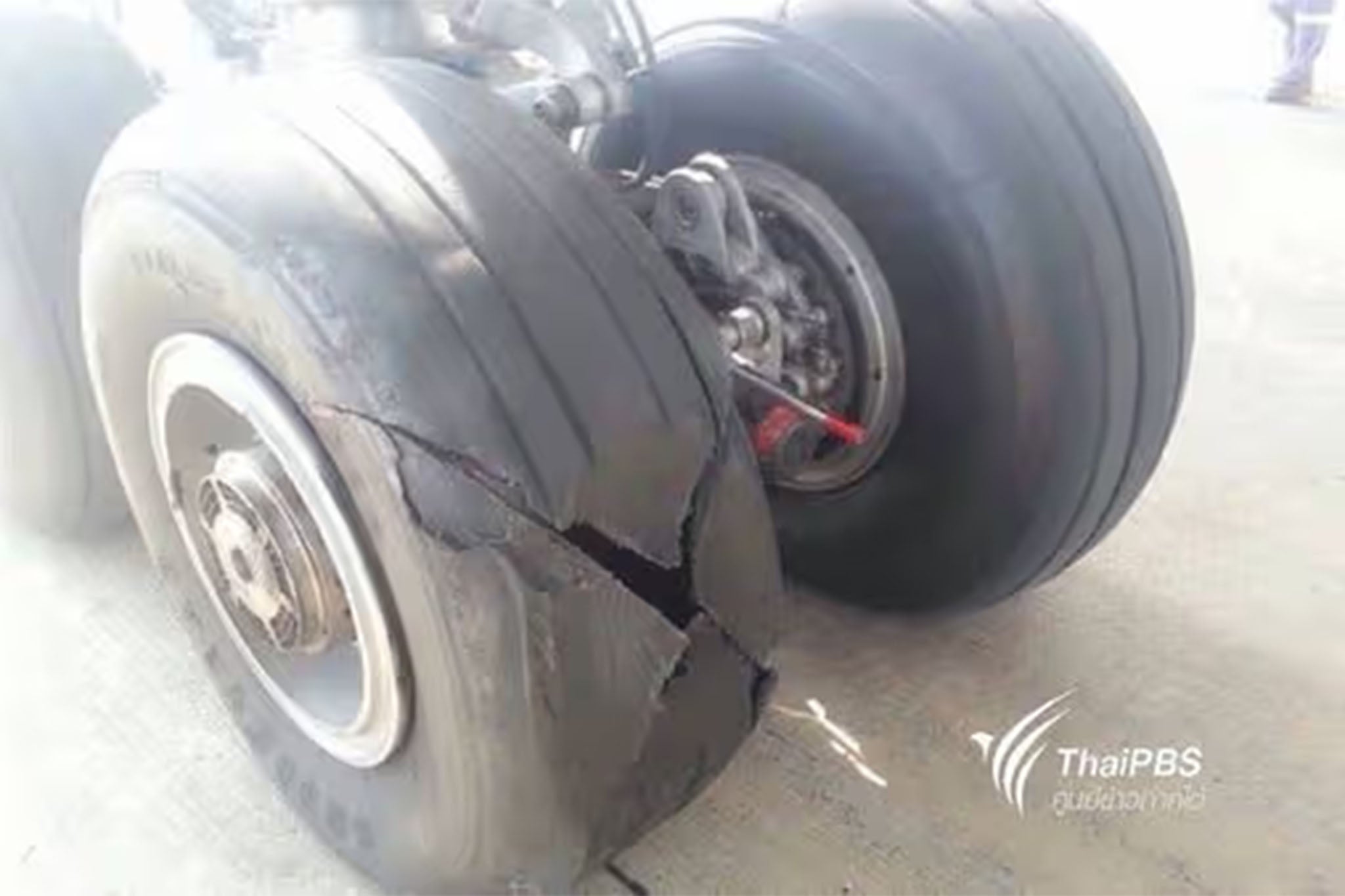
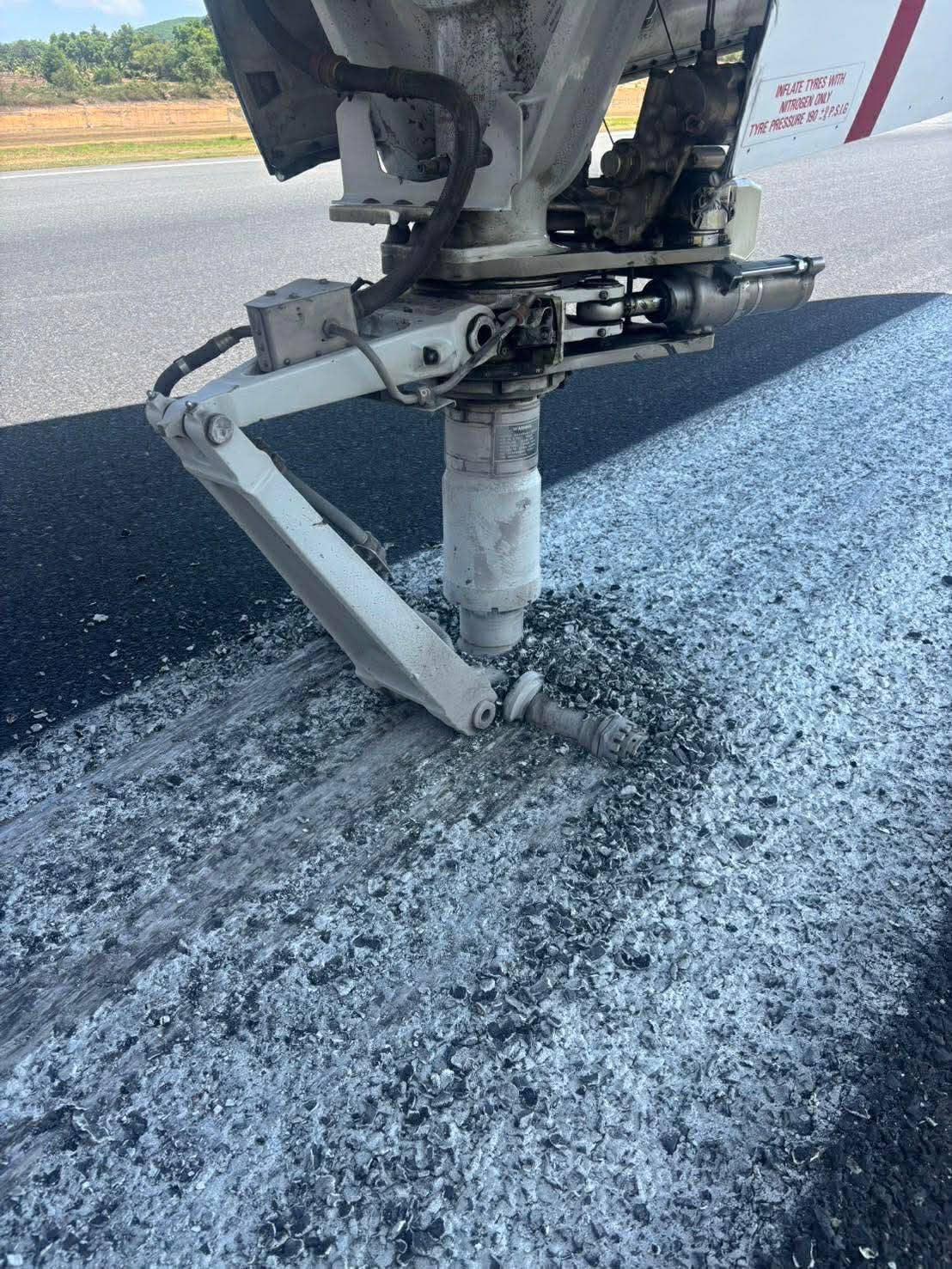
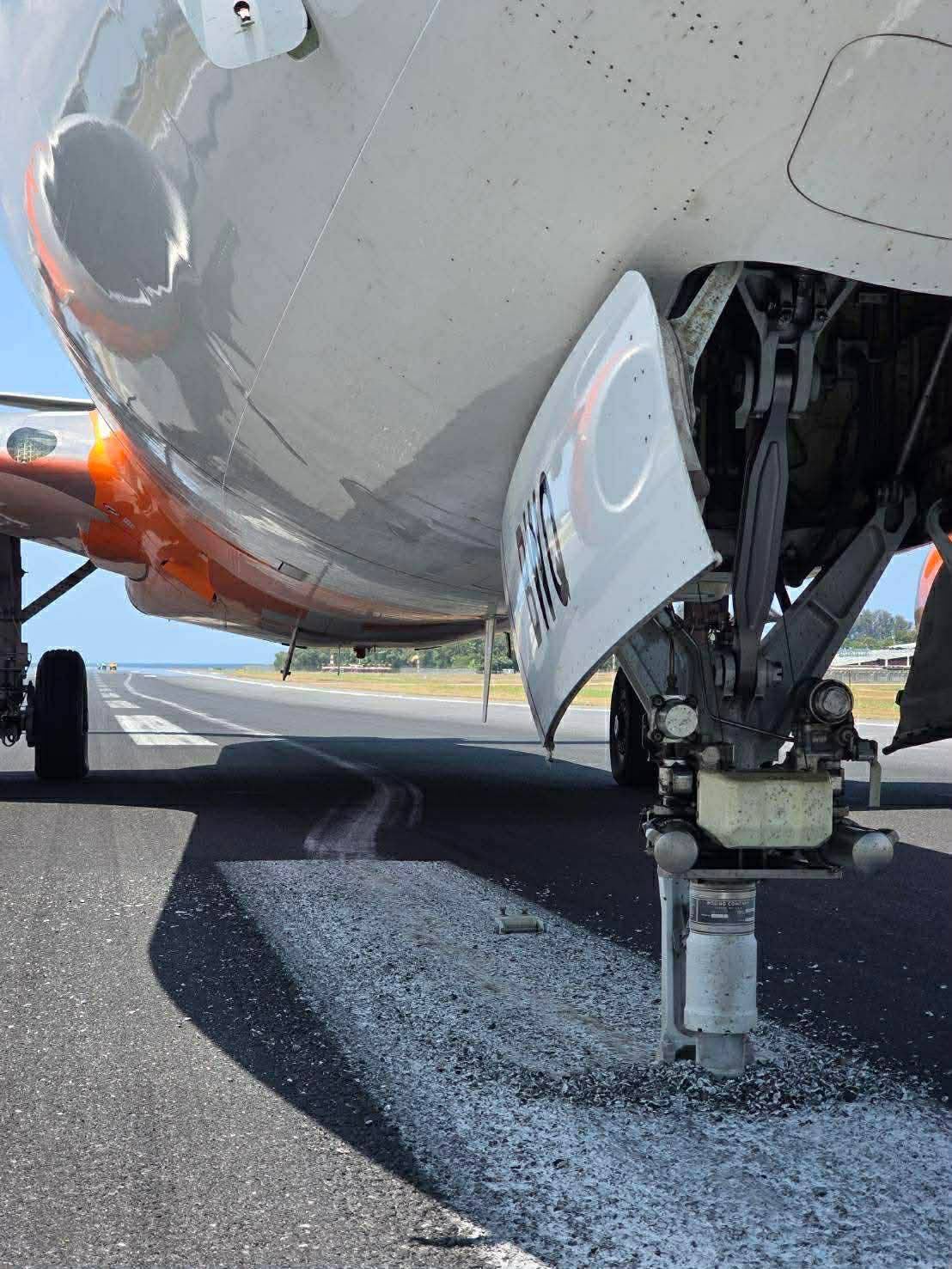
Air India Express Flight AXB938, arriving from Hyderabad in India, sustained damage to its landing gear as it hit the runway, the airport confirmed in a statement.
A spokesperson for the airline stated the aircraft “experienced an issue with the nose wheel at Phuket airport”. adding: “The crew followed all standard protocols, and guests were deplaned.”


Air India Group encompasses both the nation’s main flag carrier and budget provider Air India Express.
No casualties were reported, and the runway was anticipated to reopen by 6.00pm local time (1100 GMT).
“We confirm that our Hyderabad-Phuket flight on March 11 experienced an issue with the nose wheel at Phuket Airport. The crew followed all standard protocols, and guests were deplaned,” the airline spokesperson said, according to NDTV.
The Independent has reached out to Air India for comment.
There were 133 passengers on board the Boeing 737 Max 8 aircraft. According to FlightRadar, Air India Express flight IX 938 took off from Hyderabad at 6.42am instead of its scheduled departure time of 6.20am. The plane landed at Phuket International Airport at 11.40am local time.
An image posted on X by Thai state broadcaster MCOT showed part of the aircraft’s landing gear, with a wheel missing, in direct contact with the runway, with a long, swerving skid mark on the tarmac.

Air India Express has a fleet of over 100 Boeing and Airbus aircraft. India’s aviation watchdog reprimanded Air India Express in March last year for not changing the engine parts of an Airbus A320, as directed by the European Union’s aviation safety agency, Reuters has reported. It was also criticised for falsifying records to show compliance.
Air India Express reported 95 technical defects from January to November last year, India’s civil aviation ministry said in December, the second highest among India’s airlines over the period. The ministry did not provide details on the nature of the faults.
More recently, a parliamentary report revealed that more than seven out of every 10 aircraft in the Air India Group fleet were found to have recurring technical defects. Inspectors identified repetitive defects in 191 of the 267 aircraft operated by Air India Group, the highest proportion among the airlines reviewed.
Air India, the group’s full-service carrier, has come under intense scrutiny over a series of safety lapses and, most prominently, the deadly crash in Ahmedabad last June that killed 260 people.
The Ahmedabad crash triggered a review of the airline’s safety practices, with investigations still ongoing and lawsuits filed in the UK and the US by families of victims.
Questions still remain about the cause of the crash, including whether it was linked to pilot action, technical failure, or maintenance issues.
A preliminary investigation report released one month after the 12 June crash sparked accusations that blame was being shifted onto the pilots. The family of one of the two pilots has approached India’s top court, seeking to clear his name.
The controversy has been compounded by criticism of the airline’s handling of compensation offers, including attempts to secure legal waivers from families in exchange for additional payments.
Last month, a pilot reported a potential fuel control switch defect on an Air India Boeing 787 operating from London to Bengaluru. The UK Civil Aviation Authority later sought detailed explanations and maintenance records from the airline after the aircraft continued operations despite the anomaly.
In a letter, the regulator asked Air India to provide “a detailed account of all maintenance actions performed to ensure the continued airworthiness of the aircraft”.
It also sought a “comprehensive root-cause analysis” of why the switch behaved that way, and a “preventive action plan” to ensure the issue did not recur anywhere in the fleet. Fuel control switches regulate the flow of jet fuel into the aircraft engines, and the preliminary report suggests they played a key role in the 12 June Ahmedabad crash.
Phuket is one of Thailand’s busiest gateways, with hundreds of flights daily, including from the Middle East, Europe and Asia, as well as domestic routes.