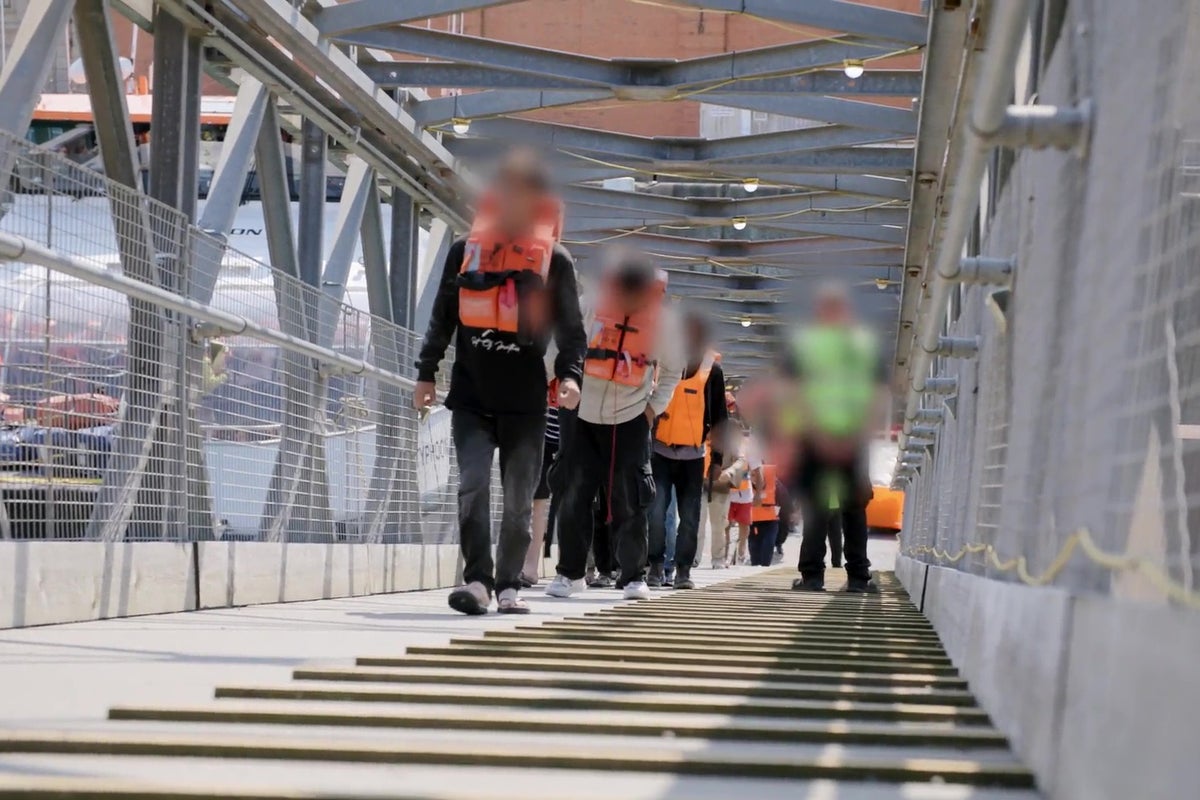
Shabana Mahmood’s flagship one-in, one-out migrant deal with France has been thrown into jeopardy by a High Court challenge claiming some deportations are unlawful.
Six migrants, who claim they are victims of human trafficking, are challenging the lawfulness of how they were treated, with at least three already deported to France under Labour’s flagship scheme.
If they are successful, it will significantly impact the home secretary’s ability to deport large numbers of people under the much-coveted deal, which sees migrants deported from the UK in exchange for asylum seekers from France.
Ms Mahmood changed the modern slavery guidance last September to speed up deportations under the scheme. Under the previous guidance, migrants who have had their trafficking claims rejected by Home Office officials could apply for the decision to be reviewed before deportation. Now, if they want to challenge the decision, they must take legal action from whichever country they are deported to.
Sam Grodzinski KC, barrister for the claimants, told the High Court that Ms Mahmood’s decision to block modern slavery appeals was unlawful and breached human rights laws.
He told Justice Sheldon that a lawful system in the UK is one that “identifies the paramount importance of identifying victims [of trafficking] correctly”.
Mr Grodzinski said that the new policy amounted to an “institutional disregard of potentially relevant evidence”. He said that it was inconsistent with the UK’s obligations under the European Convention on Human Rights (ECHR) and the European Convention on Action Against Trafficking in Human Beings (ECAT).

Mr Grodzinski told the court: “Individuals have a fundamental right under ECAT to have their claims properly investigated.”
He said that government data showed that in 2025, nearly four in five requests for reconsiderations of initial modern slavery decisions were overturned in favour of the claimant.
Mr Grodzinski said that many migrants, who are questioned within hours of arrival on small boats by Home Office officials, don’t disclose their history of trafficking straight away, often out of confusion over what they are being asked. “Victim identification is a process that takes time; it can’t be done speedily, not if it is to be done properly,” he added.
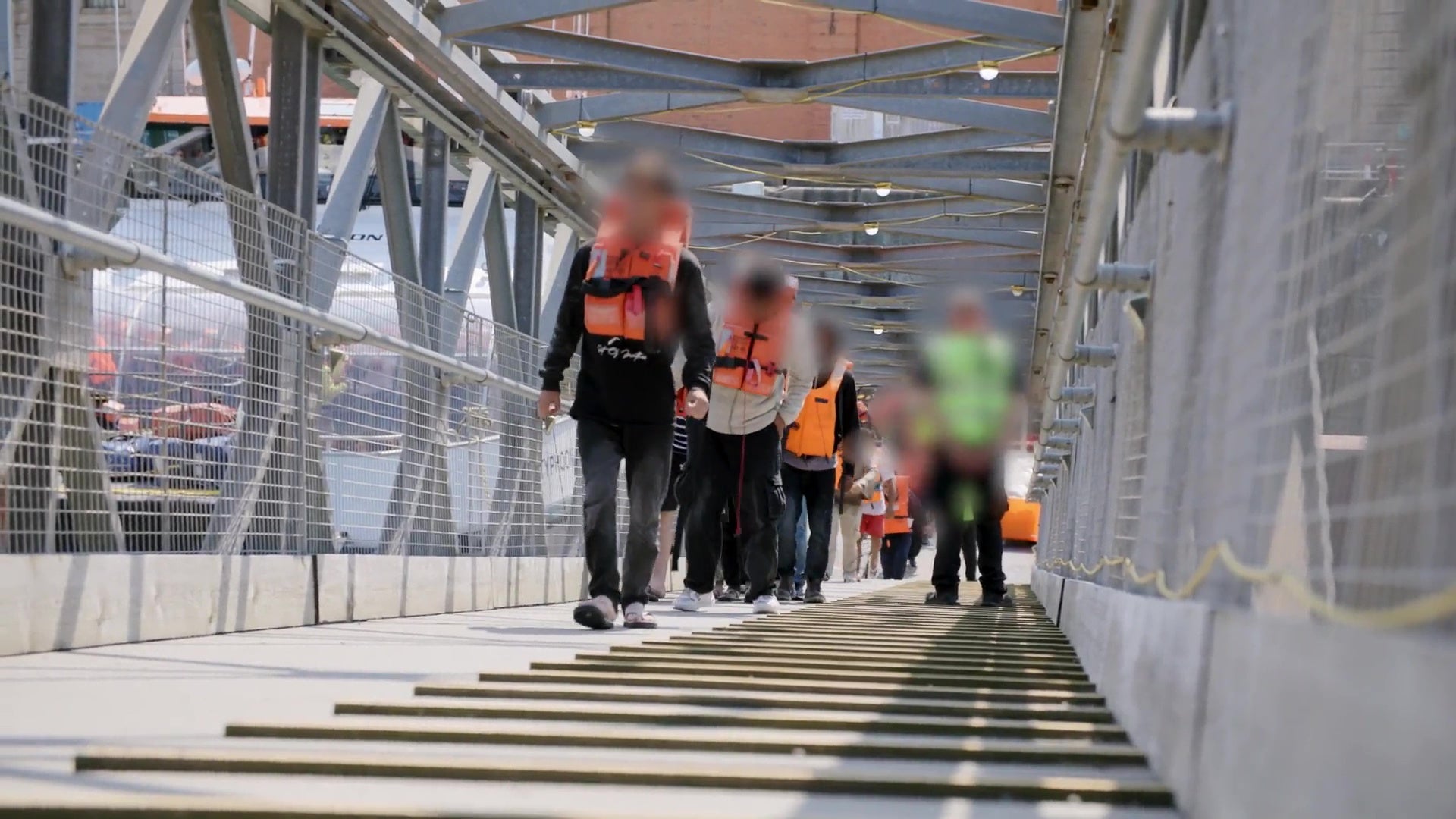
The court heard that all six claimants had arrived in the UK on small boats in 2025, and some were removed to France under the “one in, one out” scheme.
All six claimants had sought asylum and made trafficking claims. Some had their claims rejected by the Home Office, but one, known as AYA, had been acknowledged as a modern slavery victim and released from detention.
Another, known as EXR, had his removal to France stopped by a court injunction and was released from detention.
The Home Office has argued that there is a provision for modern slavery decisions to be reconsidered in exceptional circumstances, but Mr Grodzinski told the court that this only happened when legal cases were threatened, and this provision was not included in guidance to caseworkers.
It added that there are provisions to support victims of trafficking in France.