



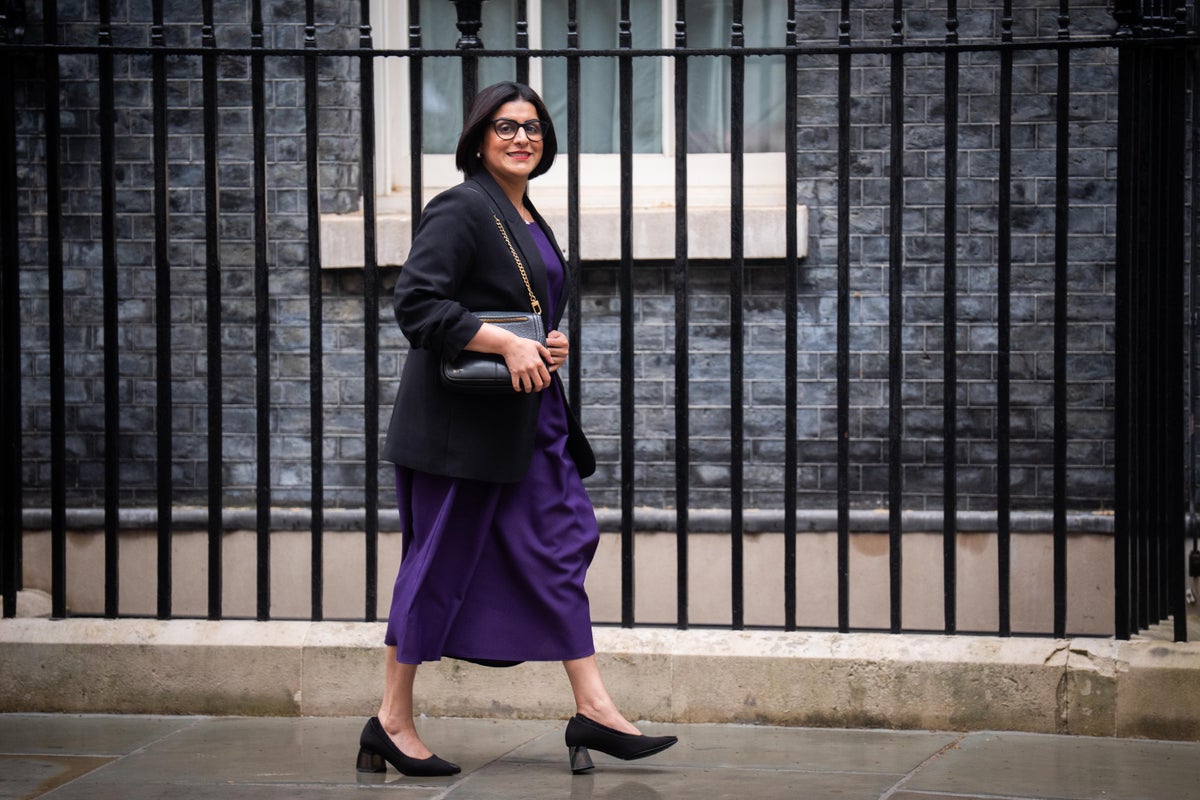
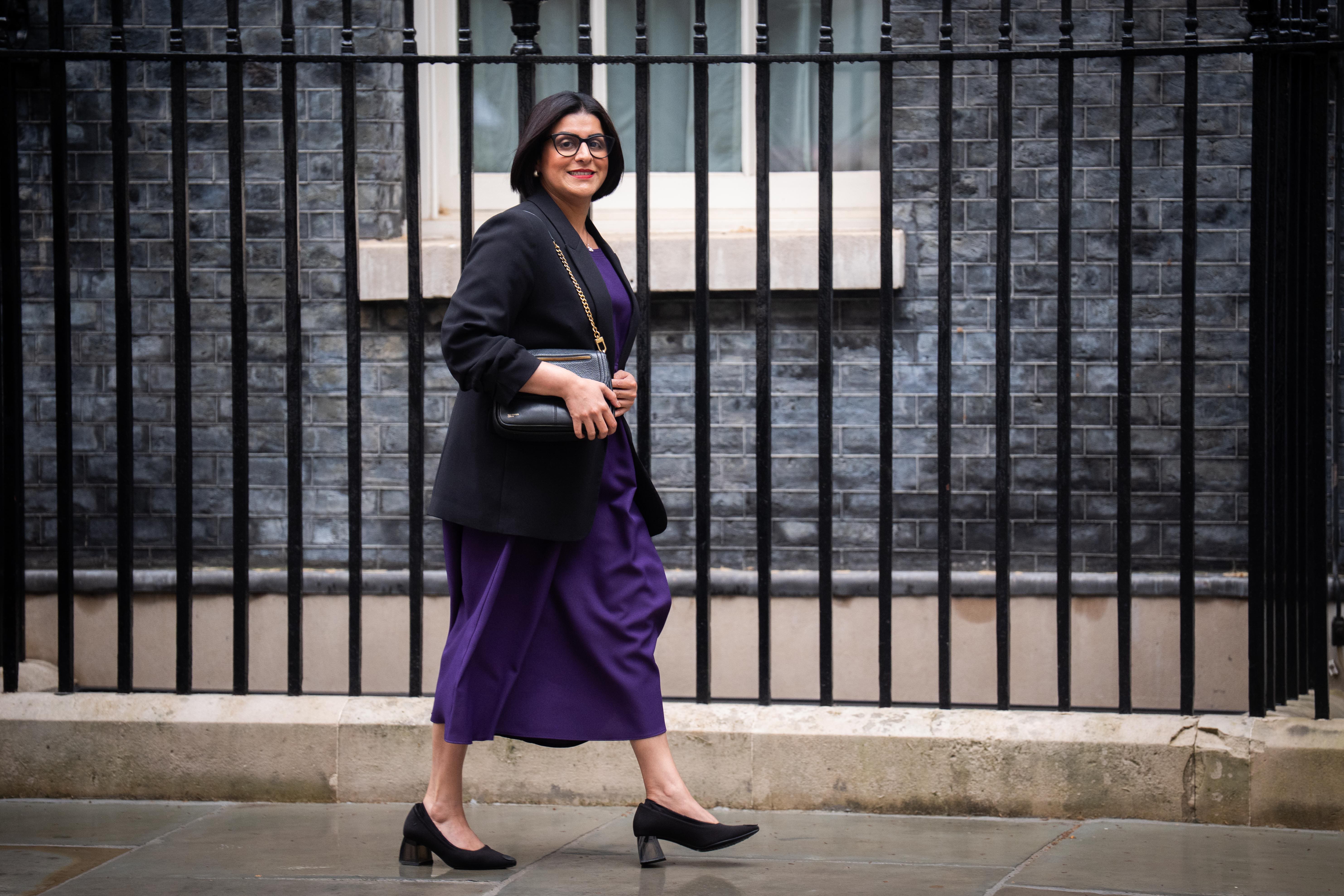
Shabana Mahmood has unveiled further radical reforms to the asylum system, including clamping down on asylum seekers’ ability to stay in the UK based on family ties and restricting modern slavery claims.
The home secretary’s legislation, which was introduced to parliament on Tuesday, includes a restriction to the application of Article 8 of the European Convention on Human Rights (ECHR), which safeguards the right to private and family life and is used by some migrants to halt their deportation.
The bill will tighten the application of Article 8 by defining family as an immediate family member, such as a parent, spouse or child under 18, except in exceptional circumstances. Asylum seekers will also be required to live with their spouse, partner, or child if they are claiming they need to stay in the UK to be with them.
If they do not live with their child, asylum seekers will need to show a genuine parental relationship. When a foreign national is in the UK without leave to remain, or they are in breach of their visa conditions, then “no weight” should be given to any private life, or family, that person may have built in Britain, the legislation says.
The Home Office pointed to an example of a domestic abuser from Poland, with a string of violent convictions, being allowed to stay in the UK on the basis of his relationship with his nephew as abuse of the system.
The powers will also make refugees pay back £10,000 to the Home Office to cover their own housing and financial support once they start work under new plans that mirror the student-loan structure.
Mubeen Bhutta, director of policy at British Red Cross, said the reforms “will make it harder for refugee families to be together and create more uncertainty for people who have already faced unimaginable trauma”.
The bill makes it more difficult for asylum seekers to be referred for protection as suspected victims of modern slavery. Any foreign national who has committed a crime and been sent to prison will not be eligible for modern slavery support under the plans.
Claims will also be rejected if there is evidence of false documentation, or if the claims are made after efforts to deport the applicant have already started.
Home Office data from a sample of charter flights operated in 2025 found that 76 per cent of modern slavery claims made by individuals due to be removed were made in the hours before their departure.
Asylum seekers cannot apply for modern slavery help themselves. They have to be referred for support by designated bodies, such as the police, border force or certain charities.
In a bid to make it harder for asylum seekers to slow their removals, there will be a fast-track process for any legal issues that are raised by people at the last minute before their deportation from the UK.
The Home Office will also be combining refugee status and humanitarian protection to simplify the system.
Under plans to reform asylum appeals, immigration judges who rule on these claims will be replaced with an independent body staffed by trained adjudicators. Asylum seekers will only get one chance to appeal against their rejected decision under a new Independent Immigration Appeals Authority (IIAA).
Adjudicators will be recruited and be trained in asylum decision-making. There will also be senior adjudicators recruited who must have certain relevant experience, such barristers and solicitors, the Home Office said.
Home secretary Shabana Mahmood said: “Britain has always offered sanctuary to those fleeing war and persecution.
“But this system only survives if the public trusts that it is fair, controlled, and not open to abuse.
“My goal is simple: to ensure we have an asylum system not just today, but for generations to come”.
