
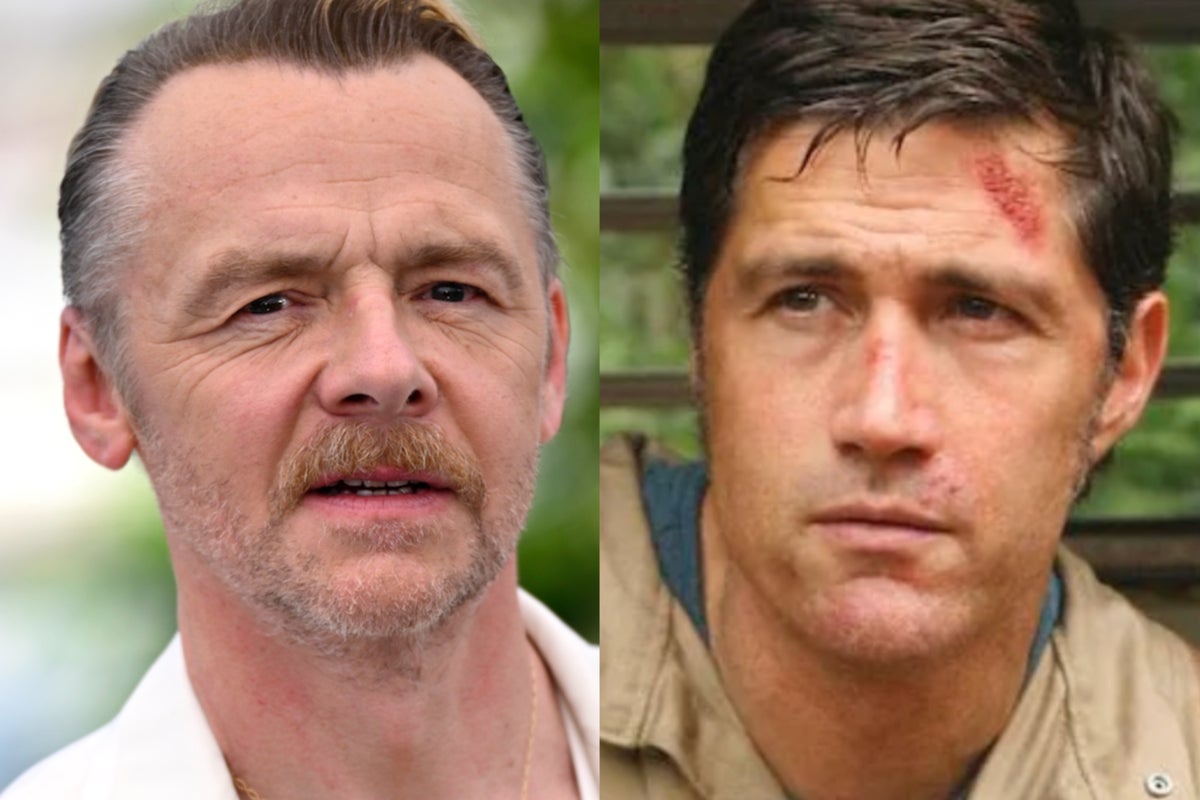
Simon Pegg has fanned the flames of controversy among the Lost fandom by appearing to misunderstand the US drama’s divisive ending.
The Shaun of the Dead and Mission: Impossible actor was a big fan of the hit show, but wasn’t a fan of the final episode.
During an appearance on Dish podcast, Pegg was asked: “If you could rewrite the end of a film or TV series, what would you choose, and how would you rewrite it?”
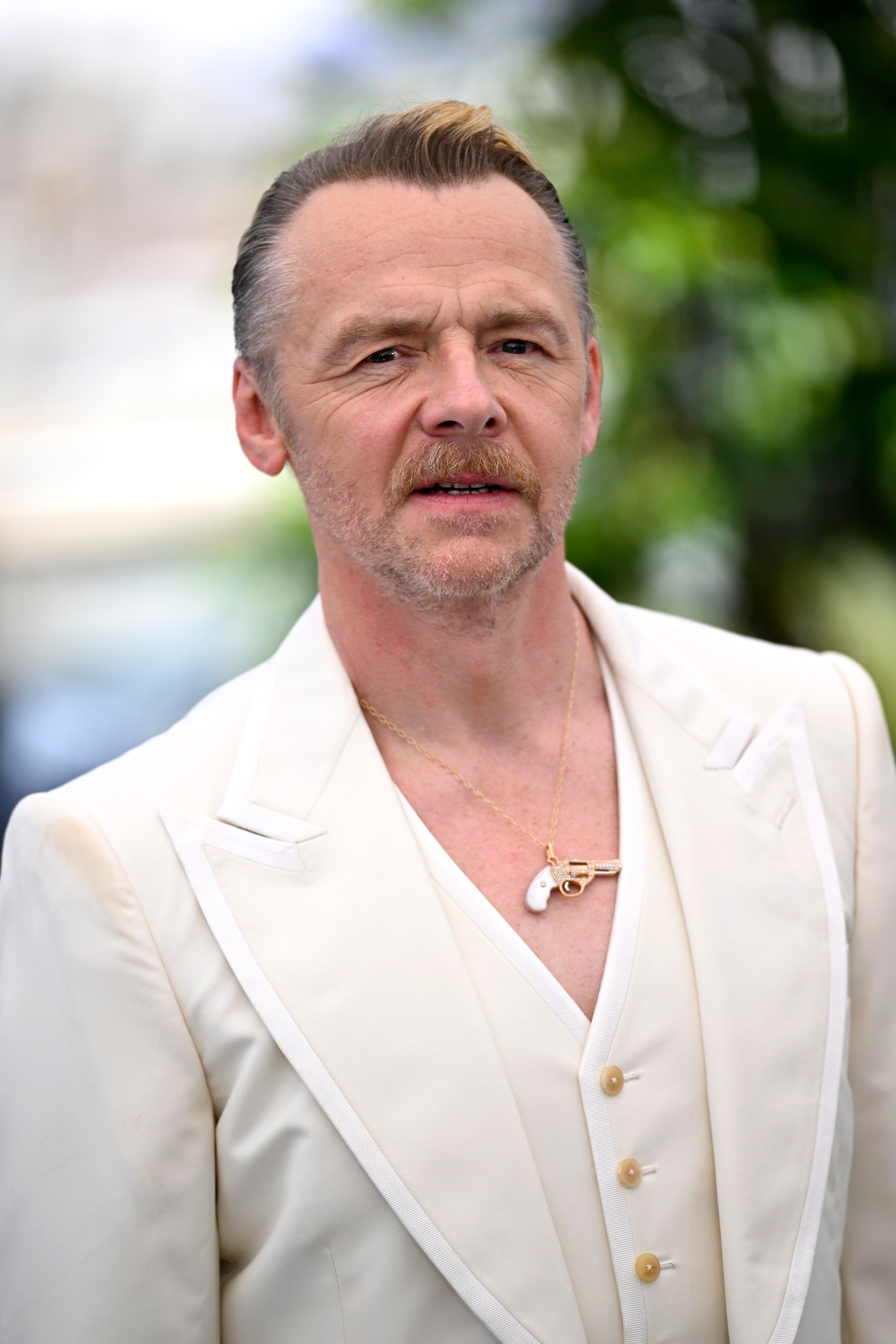
He quickly responded: “I would rewrite the end of Lost, and I’ll tell you why. I loved Lost. In fact, when JJ Abrams called me about Mission: Impossible III, he had just finished the first season of Lost, and he sent me the whole season on individual DVDs, before it was on TV, to watch it, to see his stuff, to check him out as a director.
He continued: “But at the end of it, it just… spoiler alert if you haven’t seen Lost, but, you know, they were dead all along. I was like, ‘But that’s what everyone thought in the first series?'”
When the show started in 2004, many fans theorised that the main characters – survivors of Oceanic Flight 815 who crash onto a mysterious island – were stuck in purgatory.
Upon the finale’s initial broadcast in 2010, the divisive two-parter caused a large number of disappointed viewers – including Pegg – to think they were dead all along. However, this is not correct.
The final ever scenes of Lost are intercut between events on the island and an alternate timeline known as the flash-sideways, which explores what would have happened had the plane landed safely instead of crashing.

Watch Apple TV+ free for 7 day
New subscribers only. £9.99/mo. after free trial. Plan auto-renews until cancelled.
Try for free
ADVERTISEMENT. If you sign up to this service we will earn commission. This revenue helps to fund journalism across The Independent.
Watch Apple TV+ free for 7 day
New subscribers only. £9.99/mo. after free trial. Plan auto-renews until cancelled.
Try for free
ADVERTISEMENT. If you sign up to this service we will earn commission. This revenue helps to fund journalism across The Independent.
It’s revealed in the closing moments of the show that these flash-sideways are, in fact, a netherworld where the characters are drawn together and, after recalling their time on the island, move on together to “whatever comes next”.
But many incorrectly assumed that the island events weren’t real, and that the characters had been dead the entire time – when in fact, they were alive; everything that took place in the series actually did happen.
While Pegg seemed to grasp this aspect of the plot, he appeared to fall short at deciphering what it meant. When asked to give what he believes would have been a better conclusion, he said: “I thought it would have been really good if, in order to get off the island, they had to die on the island, and then they would be transported to the alternative universe. So, there’d be this amazing dramatic irony, because they’d be desperately trying to survive, but we’d know that you’ve got to die to make it.
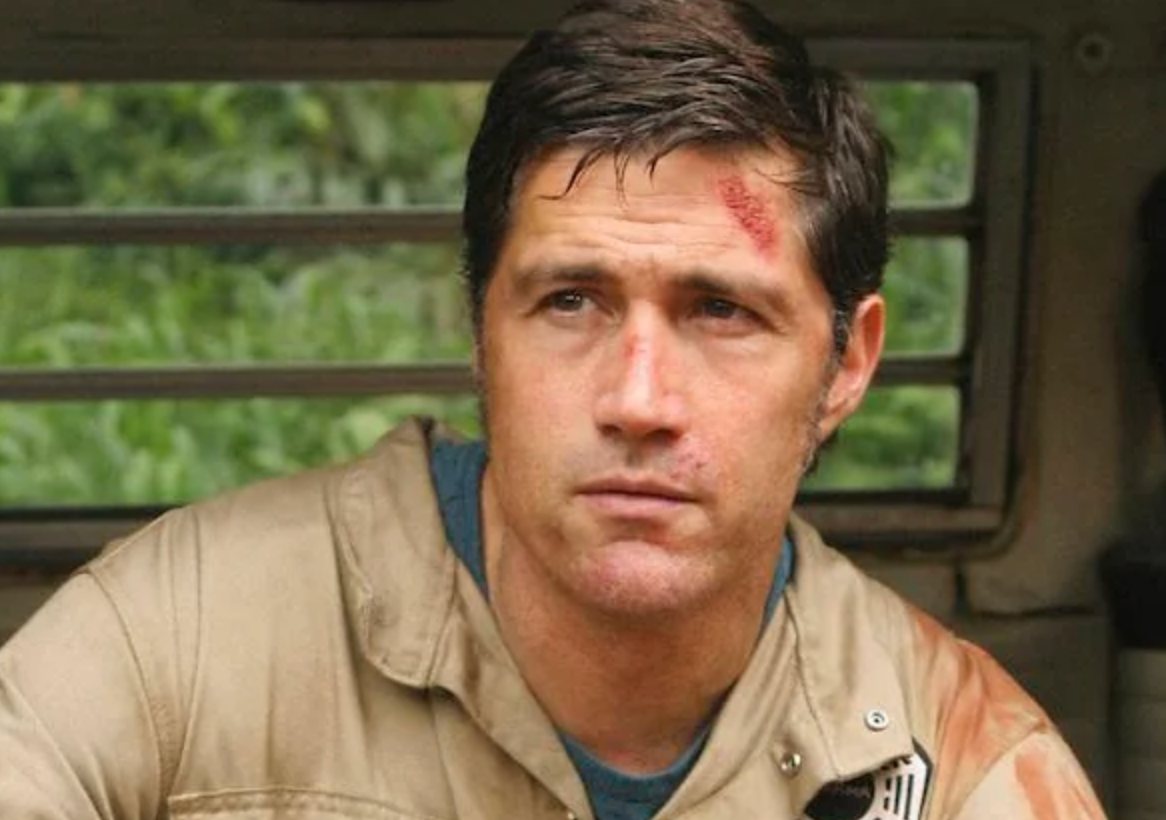
“Eventually, you’d end up with Jack, you know, Matthew Fox, and he would be fighting for survival, but then he’d die. Then, they’d all be in this alternative universe in different roles. I just felt like there was something interesting there. That’s the bad version of that idea, but instead, it was just like, ‘Meh, dead all along.’ I was like, ‘This was seven years of my life, and it’s that?!’”
Not helping the common assumption about the characters’ fates was an unintentional blunder in which ABC added footage over the end credits showing the plane wreckage with no survivors – a decision that wasn’t sanctioned by showrunners Damon Lindelof and Carlton Cuse.
Reflecting on this, Jorge Garcia, who played Hugo “Hurley” Reyes, told The Independent: “It’s definitely true that a lot of people misread the ending and thought they were dead the whole time. I think there were a lot of things that contributed to that.
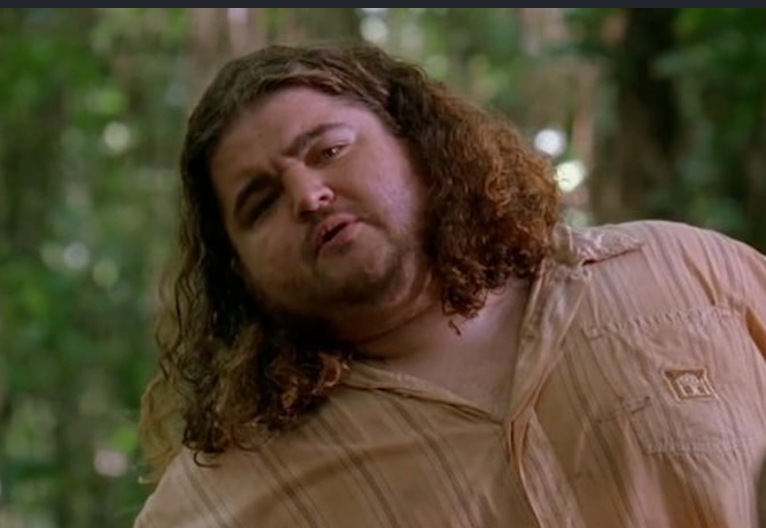
“One of the things they thought might have been the reason was that, after it ended, during the closing credits – in the US, at least – they had some B-roll of the original crash site, which was just kind of meant as a thing for people to sit and decompress with as they watched the closing credits. But some people read that as, ‘Oh, we’ve been at that crash site this whole time.’”
Sam Anderson, who played Bernard, added in the same interview: ”I remember most of the writing staff and the producers standing up and being really upset because it wasn’t what they intended. We believed the network added it just as something to show the credits with, and that in itself made people think we had been dead from the very beginning. But it isn’t at all what they meant.”
Lindelof himself told The Independent that “whether or not you hated or loved the way that it ended, it’s pretty cool that people are still talking about it and have very strong feelings about it”.
“That’s the intention of any art – to basically last,” he said. “If it lasts, you’re saying something even if people are saying it’s something that they don’t necessarily like.
“I think Breaking Bad is one of the greatest television shows of all time. I think the same thing about The Wire. But nobody ever talks about the finales of those shows because the endings were not as relevant as the journey themselves. With Lost, there’s a fixation over the way that it ended and I think that, in and of itself, is a very interesting legacy for the show to have.”
Lindelof’s next show, Lanterns, will be released on HBO Max on 16 August.