


Republican Senator Lindsey Graham, a staple of Washington for more than three decades who went from being a vocal critic of Donald Trump to his most enthusiastic backer in the Senate, died Saturday evening at the age of 71.
Perhaps more than anyone, the lawmaker from South Carolina epitomized the Republican Party’s shift from opposing Trump to accepting his reshaping of the GOP.
And it paid off. A longtime military hawk, Graham became Trump’s biggest supporter of the war in Iran. A former bipartisan dealmaker who continued to enjoy friendships with Democrats ranging from former President Joe Biden to liberals like Democratic Senator Elizabeth Warren, he morphed into a hardcore partisan warrior.
Graham was often a man who played second fiddle to more influential Republicans such as former Senate Majority Leader Trent Lott or his mentor, the late Senator John McCain. But he would come to obtain power on his own, ending his tenure as Senate Budget Committee Chairman and an intermediary between Republicans on Capitol Hill and the White House.
Graham’s passing signifies one of the last vestiges of Senate congeniality and genteel behavior while at the same time, shows how many senior Republican figures willingly bequeathed power to Trump.



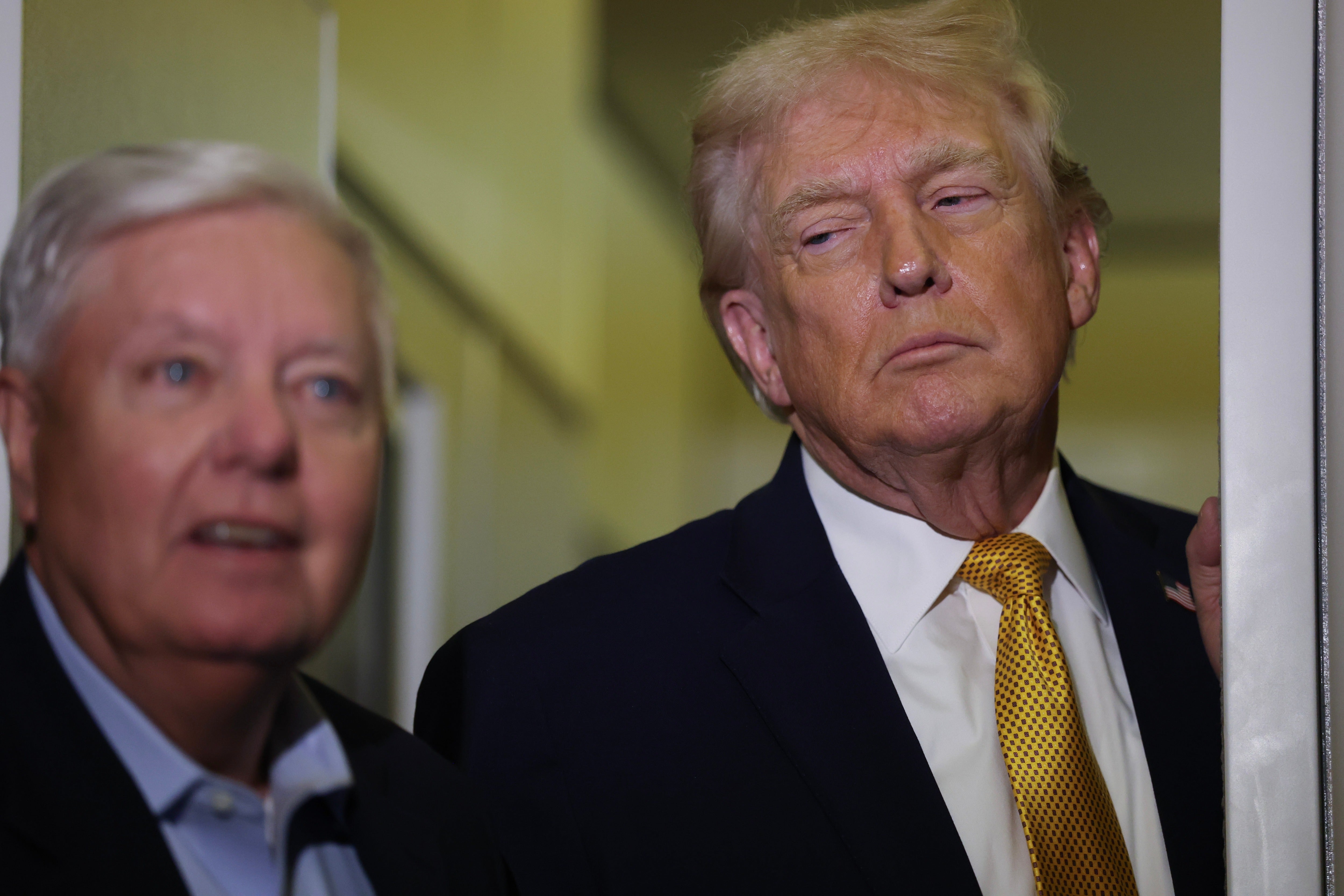
Humble beginnings shaped by tragedy
Lindsey Olin Graham was born on July 9, 1955, to parents who ran a pool hall, liquor store and restaurant. Graham’s father, Florence James Graham, died when he was 21, and his mother, Millie, died shortly thereafter. He became the guardian to his sister Darline, and used Social Security survivor benefits to put her through school.
“There’s a time in my life when that Social Security check really, really mattered,” Graham said in a Senate hearing earlier this year.
Graham graduated from the University of South Carolina for both his undergraduate and law degrees; he served in the US Air Force as an active-duty lawyer before joining the Air Force Reserves.
He was elected to the state legislature in 1992 before winning a seat in the U.S. House of Representatives, during the 1994 “Republican revolution,” when the party took control of the lower chamber for the first time in more than 40 years.
In the House, Graham would serve as an impeachment manager in the Senate trial against then President Bill Clinton.
“Human failings exist in all of us,” he said in 1999. “Only when it gets to be so premeditated, so calculated, so much my interest over anybody else, or the public be damned. Should you really, really start getting serious about what to do.”

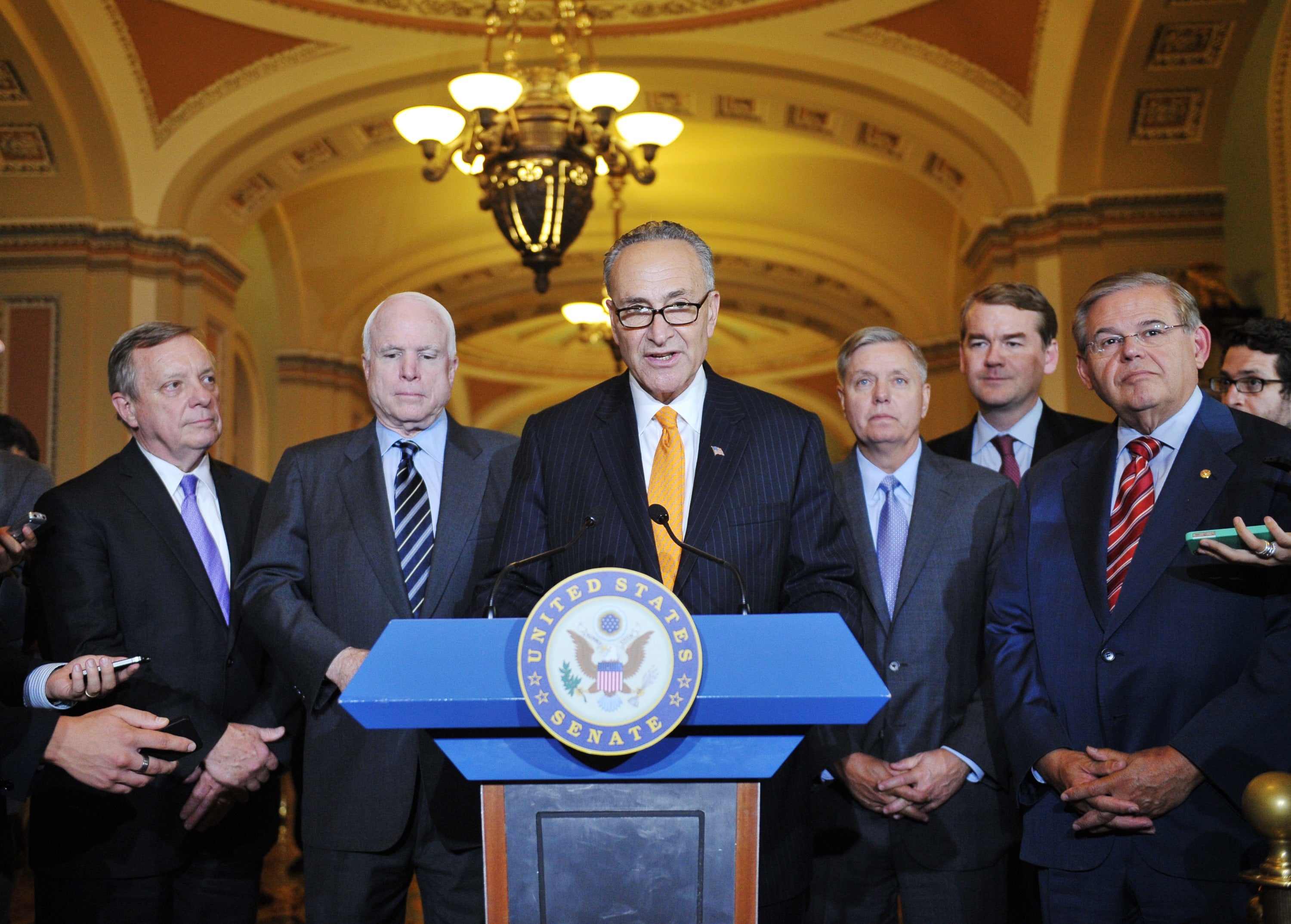
Crossing the aisle
Despite this, when Graham came to the Senate in 2003, he worked occasionally with the former president’s wife, Senator Hillary Clinton of New York, helping National Guard members and reserve personnel purchase TRICARE, the military health insurance program. It would be part of a series of policies that Graham would work on with Democrats.
As a member of the Senate Foreign Relations Committee, he often traveled with the committee’s chairman Joe Biden, who would go on to become vice president to Barack Obama and president in his own right. In a 2015 interview with HuffPost, Graham would say that Biden “is as good a man as God ever created.”
Often with the assistance of McCain, his mentor and a Navy veteran who was revered in the Senate, Graham would lead bipartisan congressional delegations across the globe. He also would vote to confirm two of Barack Obama’s nominees to the U.S. Supreme Court: Justices Sonia Sotomayor and Elena Kagan, though he would join other Senate Republicans in blocking the nomination of Merrick Garland to the Supreme Court in 2016, paving the way for Trump to nominate Justice Neil Gorsuch.
In 2013, Graham along with other Republicans like Senator Marco Rubio, worked with a group of Democrats to pass legislation that would beef up border security provisions in exchange for providing a path to citizen for undocumented immigrants. That “Gang of Eight” legislation would pass the Senate, but would be stalled in the House as the Republican majority refused to put it to a floor vote.

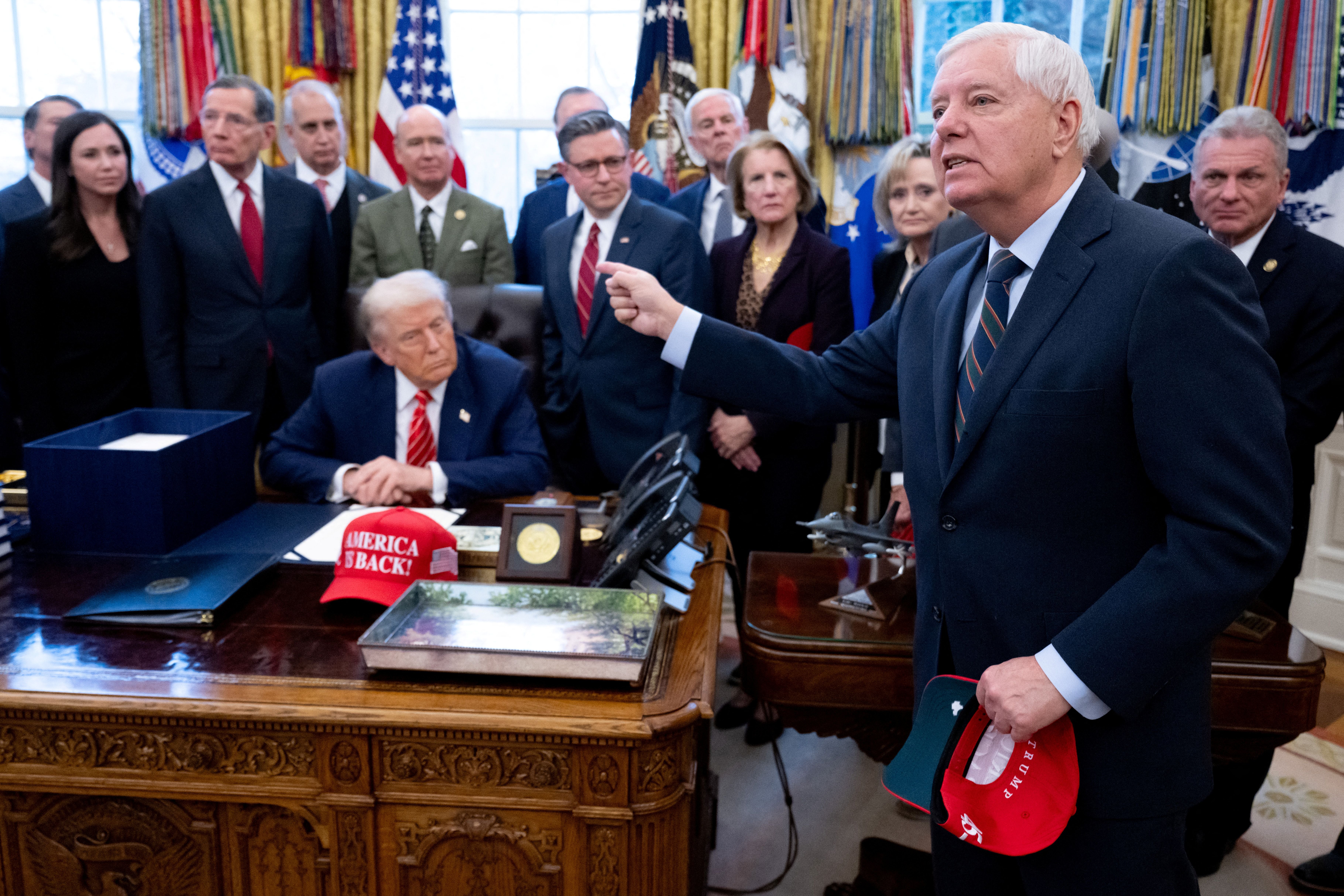
From Trump’s biggest opponent to champion in the Senate
In 2015, Graham would stage a quixotic run for president around the same time that Donald Trump, then a businessman and reality television star, would seek the Republican nomination. Graham never gained much traction, but earned Trump’s ire when he called him “a jackass,” which led to Trump publicizing his personal phone number. When Trump called for a shutdown on Muslims entering the U.S., Graham called Trump a “a race-baiting, xenophobic, religious bigot.”
After Trump won the presidency, Graham adopted a more hardline stance. Often plagued by accusations of being a “Republican in Name Only,” or RINO, and facing primary challenges, his support from Trump offered a cache he otherwise did not have.
But Graham would ultimately be embraced by many on the MAGA right for his full-throated defense of Judge Brett Kavanaugh during his Supreme Court confirmation hearings in 2018. At the time, Kavanaugh faced allegations of sexual assault and Graham railed against Democrats, accusing them of weaponizing the accusations.
“What you want to do is destroy this guy’s life, hold this seat open and hope you win in 2020,” Graham said in the hearing, which came in the weeks ahead of the midterm elections. “This is the most unethical sham since I’ve been in politics.”
In 2020, Graham became chairman of the Senate Judiciary Committee, where he facilitated the confirmation of Amy Coney Barrett to the Supreme Court. But a few months later, after the January 6, 2021 assault on the U.S. Capitol, Graham would distance himself from Trump.
“Trump and I, we had a hell of a journey. I hate it being this way. I hate it being this way,” he said. “All I can say is, count me out. Enough is enough.”
Graham would change his tune in 2023, though, becoming one of the first Republicans to endorse Trump’s reelection campaign. Graham’s traction with the White House once again increased.

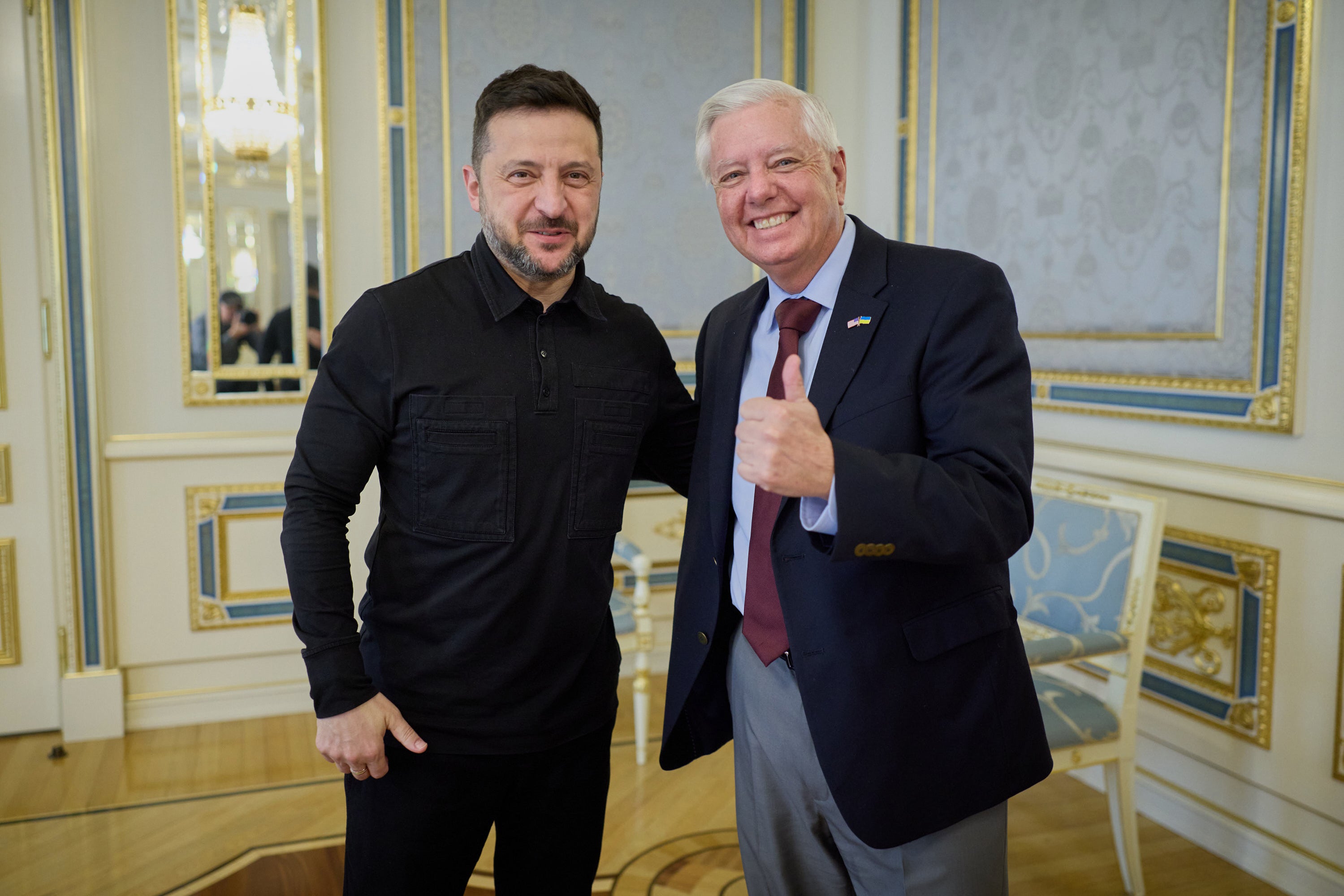
A robust military hawk
Graham’s pull with the White House manifested itself most prominently as he became Trump’s biggest cheerleader for the Iran war.
A longtime military hawk, Graham had vocally supported both the wars in Afghanistan and Iraq, and compared Trump’s efforts in Iran to British wartime leader Winston Churchill. This earned him contempt on the right, particularly in the more “America First” isolationist wing of the Republican Party.
Like his late friend John McCain, Graham remained a steadfast supporter of Israel and Prime Minister Benjamin Netanyahu.
But Graham was also a steadfast supporter of Ukraine despite Trump’s skepticism of that conflict with Russia. Last week, Graham visited Ukraine as he sought to promote a bipartisan sanctions bill against the Kremlin.
It is not entirely clear how Graham will be replaced. South Carolina held its primary last month, where Graham easily won the Republican nomination ahead of November’s midterms. South Carolina law says that filing for candidates to replace Graham opens a week from Tuesday and a substitution primary will take place.