



Senator Lindsey Graham of South Carolina died on Saturday evening after a brief and sudden illness, his office said in an X post early on Sunday. He was 71.
A Senator since 2003, Graham had been a vocal advocate for a muscular, hawkish foreign policy.
He also went from being an outspoken critic of Donald Trump to one of his most prominent supporters, particularly pushing the president to launch war against Iran.
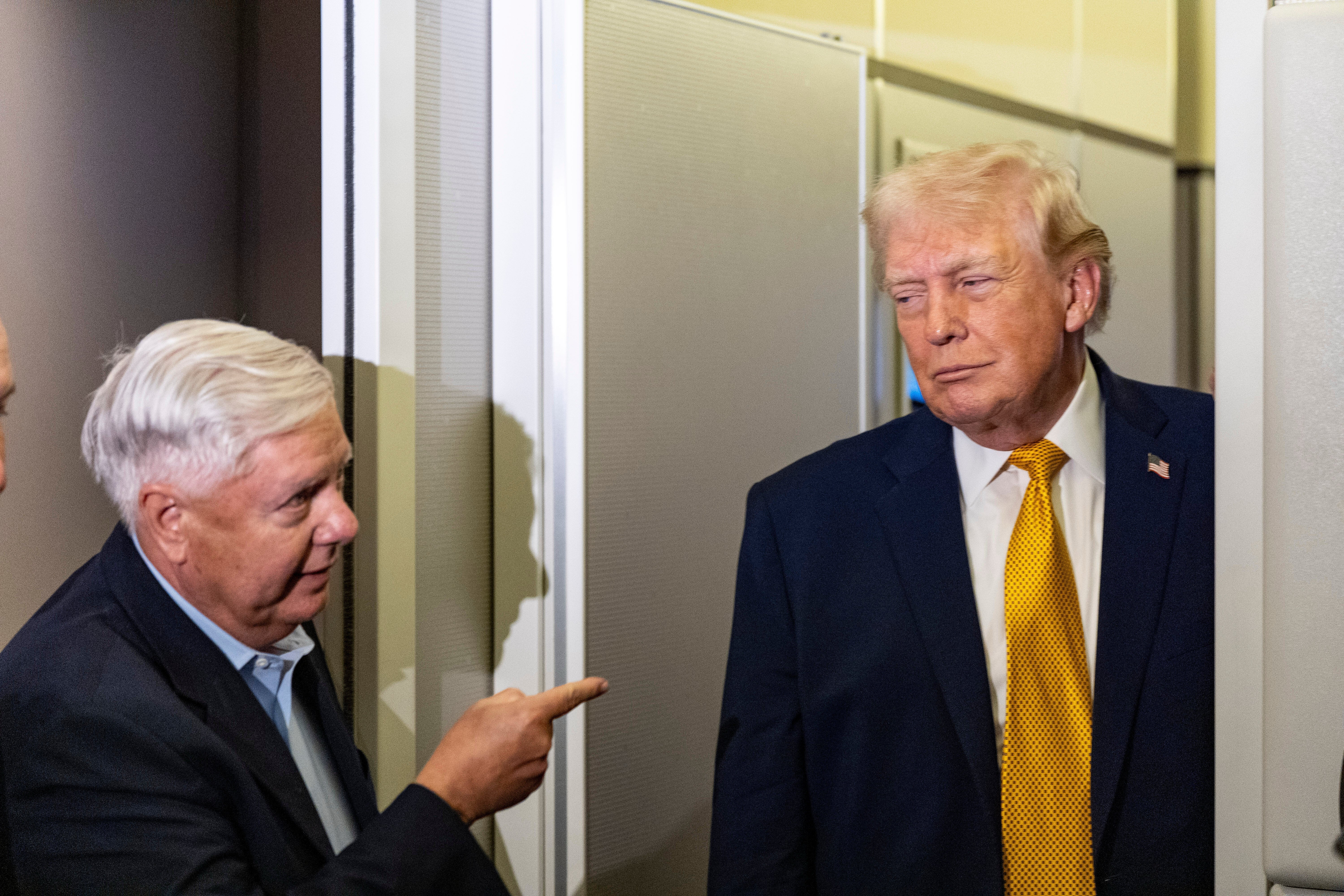
“Senator Graham’s family appreciates prayers at this time and asks for privacy during this incredibly difficult period,” his office said.
Trump took to Truth Social to pay tribute. “Senator Lindsey Graham, one of the greatest people and Senators I have ever known, is dead!” he said.
“He was always working, and was a true American Patriot. Lindsey will be greatly missed!!!”
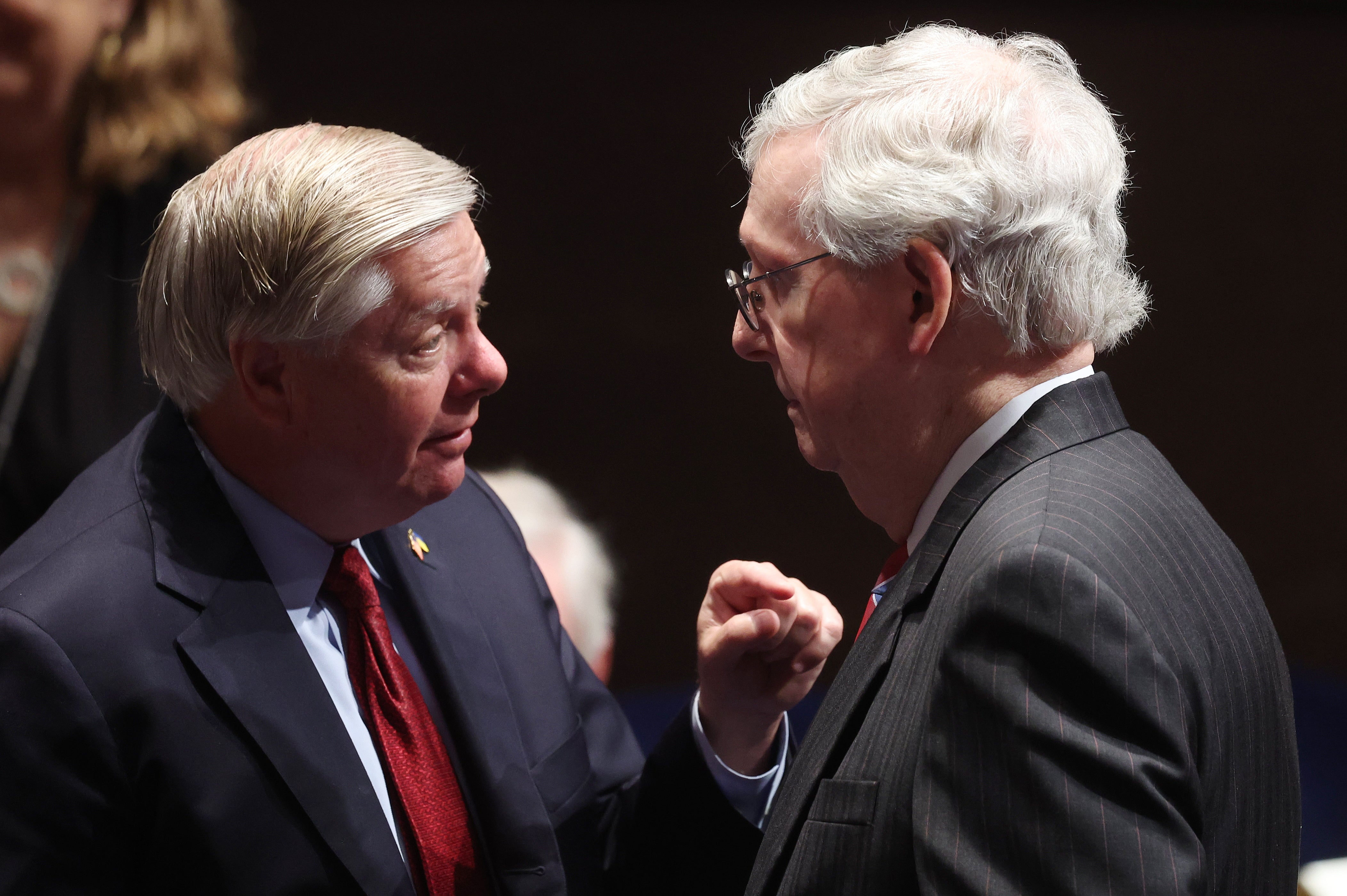
The death comes as Senate Republicans face an additional crisis. Senator Mitch McConnell has been hospitalized since last month, and there have been few updates on his health since then.
At the time of his death, Graham was running for a 5th term as Senator from the Palmetto State against Democrat Annie Andrews. Term-limited Republican Governor of South Carolina Henry McMaster will likely now need to find a replacement for Graham.
Lindsey Olin Graham was born on July 9, 1955, to parents who ran a pool hall and restaurant. Graham’s father, Florence James Graham, died when he was 21, and his mother, Millie, died shortly thereafter. He became the guardian to his sister Millie, and used Social Security survivor benefits to put her through school.
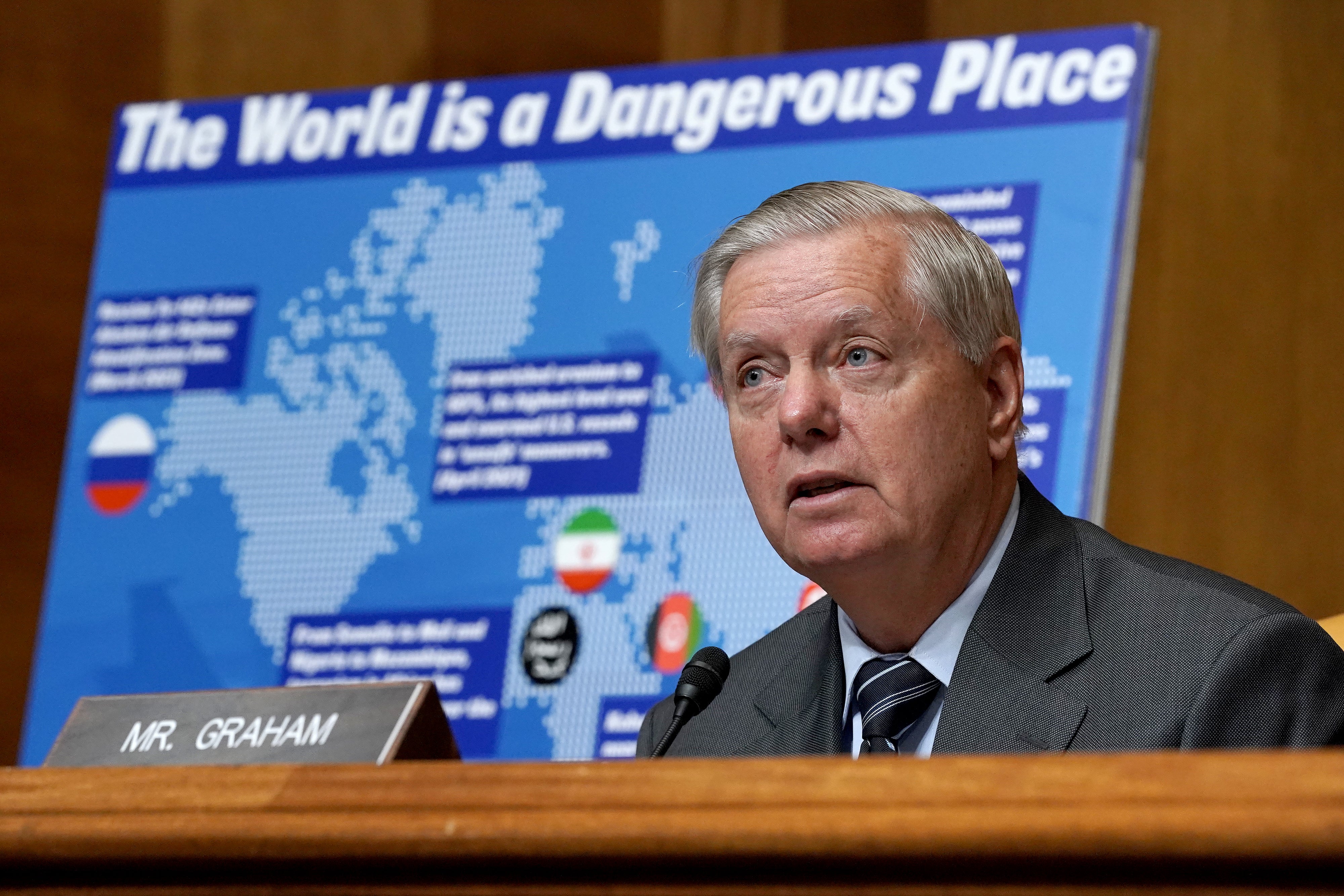
Graham graduated from the University of South Carolina for both his undergraduate and law degrees; he served in the US Air Force as an active-duty lawyer before joining the Air Force Reserves.
He was elected to the state legislature in 1992 before winning a seat in the Congress, the House of Representatives, during the 1994 “Republican revolution,” when Republicans took control of the lower chamber for the first time in more than 40 years.
In the House, Graham would serve as an impeachment manager in the Senate trial against Bill Clinton. Despite this, when he came to the Senate in 2003, he worked occasionally with the former president’s wife, Senator Hillary Clinton of New York.

A believer in a muscular foreign policy, Graham vocally supported the wars in Afghanistan and Iraq.
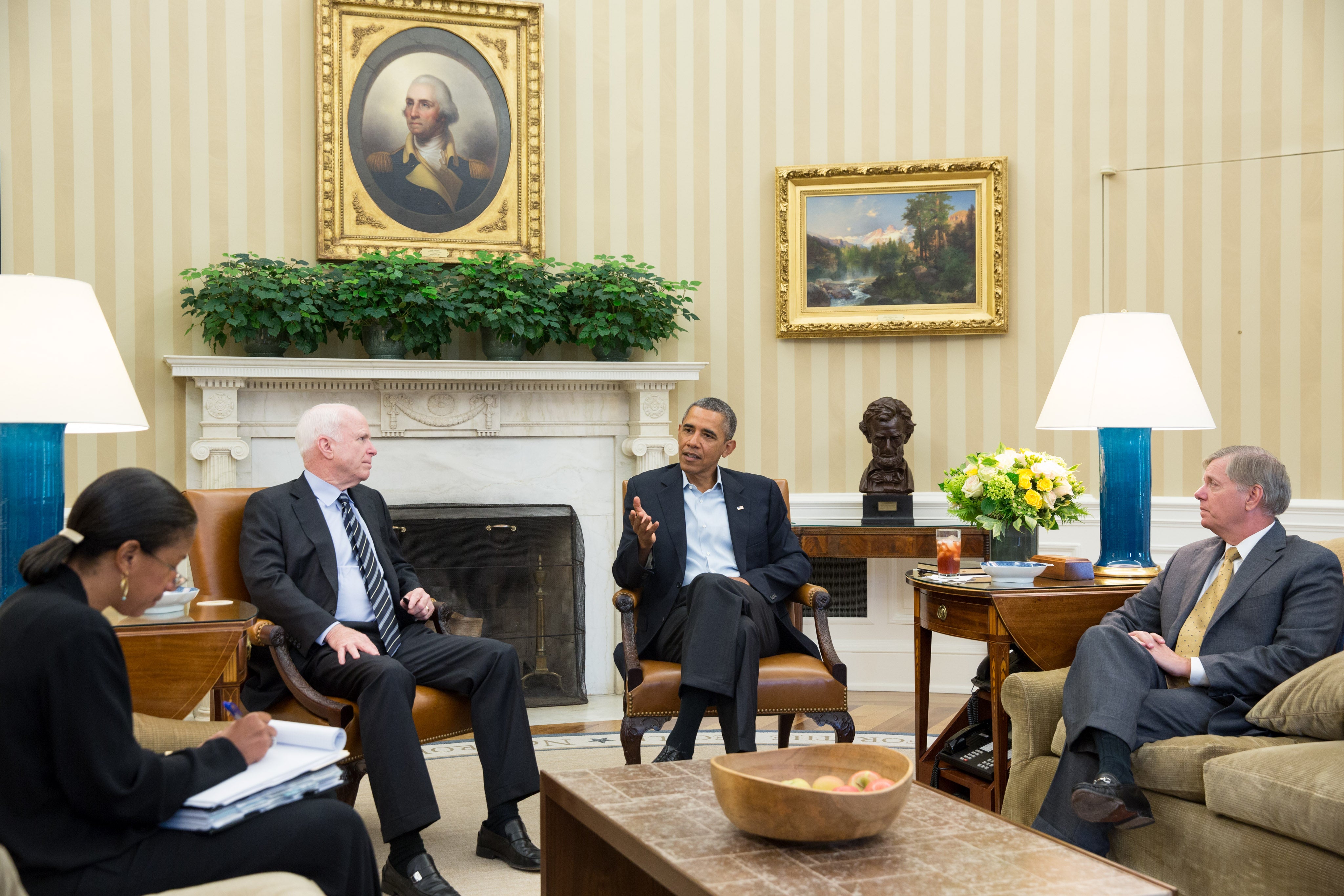
As a member of the Senate Foreign Relations Committee, he built friendships with Senator Joe Biden, who would later serve as vice president and president, and Senator John McCain of Arizona.
Graham vocally supported McCain’s 2008 campaign for president, and McCain would return the favor during Graham’s ill-fated candidacy eight years later.

The two of them crafted a bipartisan immigration reform deal with future Democratic Senate majority leader Chuck Schumer and then-Republican Florida Senator Marco Rubio, whom Graham ran against in 2016 for the Republican presidential nomination and who would become Trump’s secretary of state during his second term.
Graham even crossed the aisle to vote for Barack Obama’s Supreme Court nominees Sonia Sotomayor and Elena Kagan, who serve on the court to this day.
It would be during Trump’s presidency that Graham would morph from a largely congenial dealmaker to a hardline partisan.
Initially, Graham criticized Trump, calling him a “jackass”, to which the latter responded by publicizing the Senator’s private phone number. But Graham would warm up to Trump, occasionally golfing with him.
During the Supreme Court confirmation hearings for Brett Kavanaugh, Graham delivered a fiery speech where he excoriated Democrats amid sexual assault allegations against the judge, which Kavanaugh vehemently denied.
Kavanaugh would be confirmed to the court. Later, as chairman of the Senate Judiciary Committee, Graham would facilitate the Supreme Court confirmation hearings for Amy Coney Barrett.

During Trump’s first impeachment, Graham regularly criticized Hunter Biden, the son of then-presidential candidate Joe Biden. Biden’s wife Jill would later say the two were no longer friends.
After the January 6 riot at the Capitol, Graham criticized Trump for his actions.
“Trump and I, we had a hell of a journey. I hate it being this way. I hate it being this way,” he said. “All I can say is count me out. Enough is enough.”

But Graham would vote to acquit Trump. And when the president ran for the White House again, he was one of the first lawmakers to endorse his re-election bid.
When Trump returned to the White House, Graham, as chairman of the Senate Budget Committee, helped write legislation that would become Trump’s “One Big, Beautiful Bill” that beefed up spending for the military and immigration enforcement while making permanent the tax cuts he had signed in 2017 and tightening requirements for nutritional assistance and Medicaid.
Graham remained a hawk despite Trump’s initially isolationist foreign policy. He vocally supported Ukraine in the war against Russia and visited Eastern Europe just last week.
It is not entirely clear how Graham will be replaced. South Carolina had its primary last month, where Graham easily won the Republican nomination. South Carolina law says that filing to replace Graham opens a week from Tuesday and a substitution primary will take place.

EmilienItim_0667.jpg?trim=0,0,0,0&width=1200&height=800&crop=1200:800 "Ezra Collective ‘wouldn’t exist’ without festivals like Montreux, band say – UK Times")