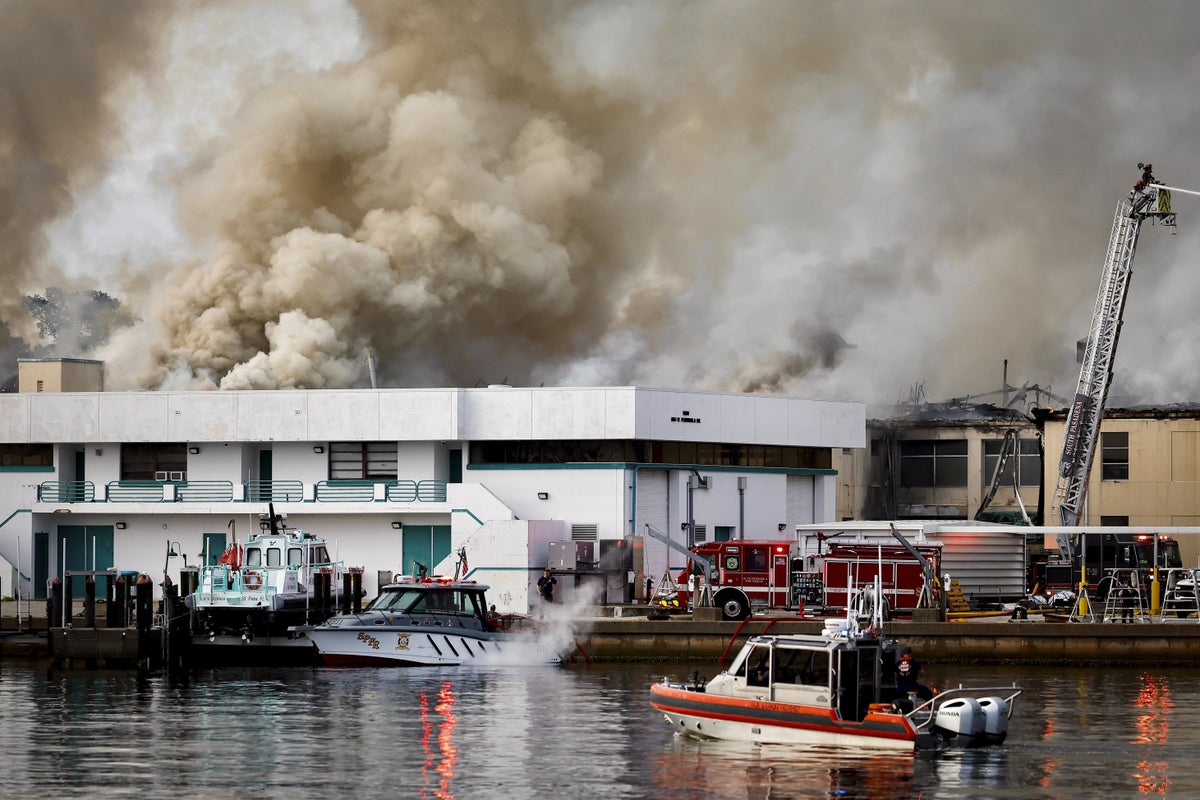
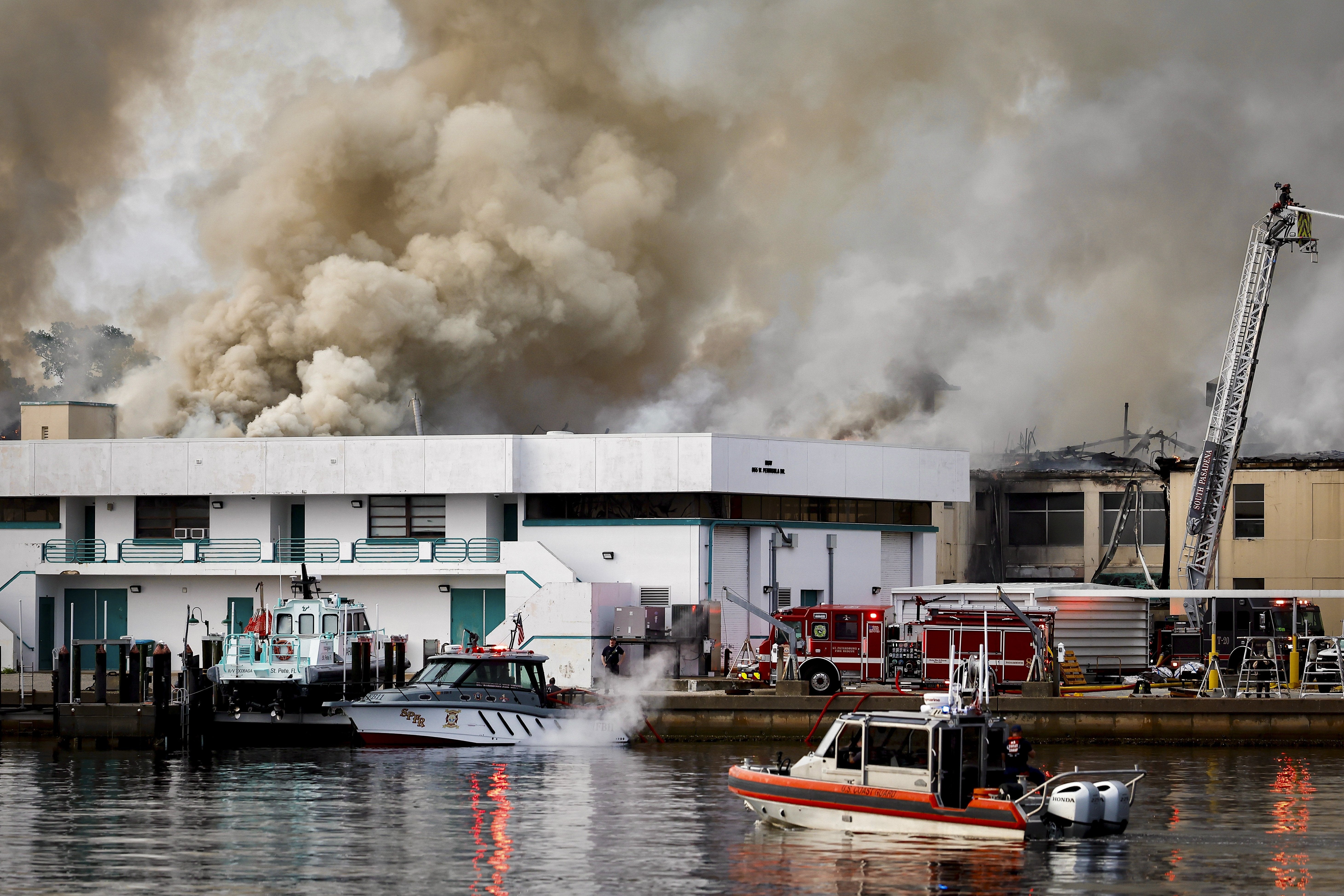
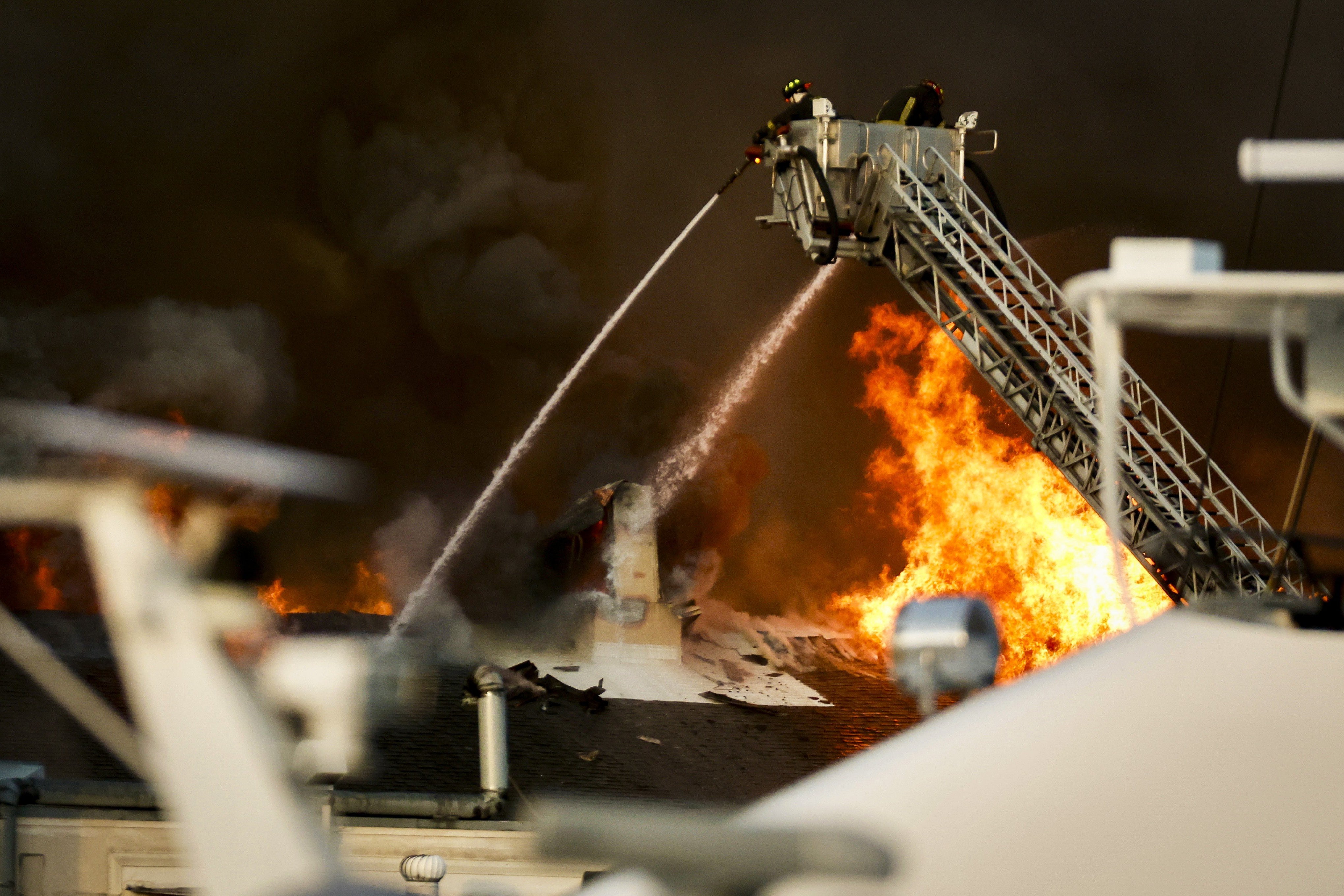
A lightning strike sparked a fire at the University of South Florida College of Marine Science Laboratory last month, destroying decades of research and tens of millions of dollars in equipment, university officials said.
The fire, which spread rapidly across the building’s wooden roof, has forced more than 150 researchers, staff members and students to relocate their programs and seek temporary laboratory spaces to continue their work, FOX 13 Tampa Bay reported.
The recovery effort faces significant challenges due to the methods used to extinguish the fire. Firefighters used salt water to battle the flames, which ruined nearly all the advanced equipment inside the facility, including specialized sonar data vehicles used for ocean mapping.
Although some staff managed to rescue their data, many face the loss of irreplaceable specimens.
Steven Murawski, a professor at the college, told FOX 13 Tampa Bay that he salvaged most of his personal research, which is now being kept in cold storage and trailers in the parking lot. However, other scientists must return to the field to collect new samples, some of which originally came from locations as far away as Antarctica.
The immediate focus for the faculty has shifted to securing the specialized tools required for data analysis.
Murawski told the outlet that local entities and federal agencies have stepped in to provide temporary workspace, and that the National Oceanic and Atmospheric Administration and The Hub, a facility within the St. Petersburg Innovation District, are accommodating displaced personnel.
“Our real roadblock now is getting back to getting the instruments we need in order to analyze those samples,” Murawski said. “And it’s pretty critical, because a lot of these samples are being collected on relatively large grants by the federal government.”
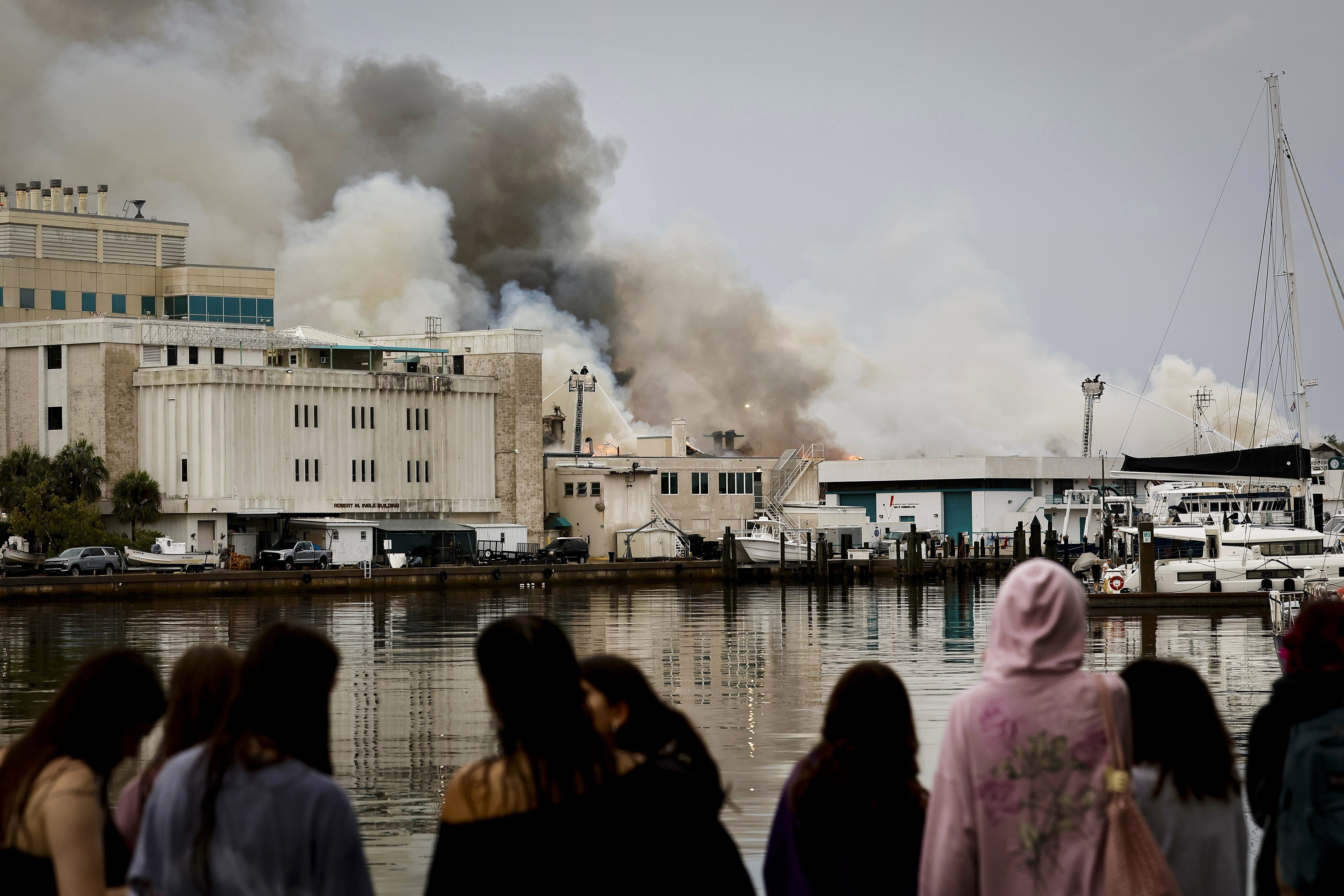
University officials are awaiting an assessment from their insurance provider to determine if the structure can be salvaged or if it must be demolished.
If the university has to rebuild the facility entirely, Murawski said that it would likely take years before researchers could safely return to the site. University administrators have not confirmed when the final structural decision will be made.
In response to the incident, local community members have raised more than $500,000 to assist the college with its long-term recovery efforts, according to university professors.