.webp?trim=83,0,83,0&width=1200&height=800&crop=1200:800 "I ditched Uber for a driverless robotaxi in San Francisco – here’s why I’m never going back – UK Times")



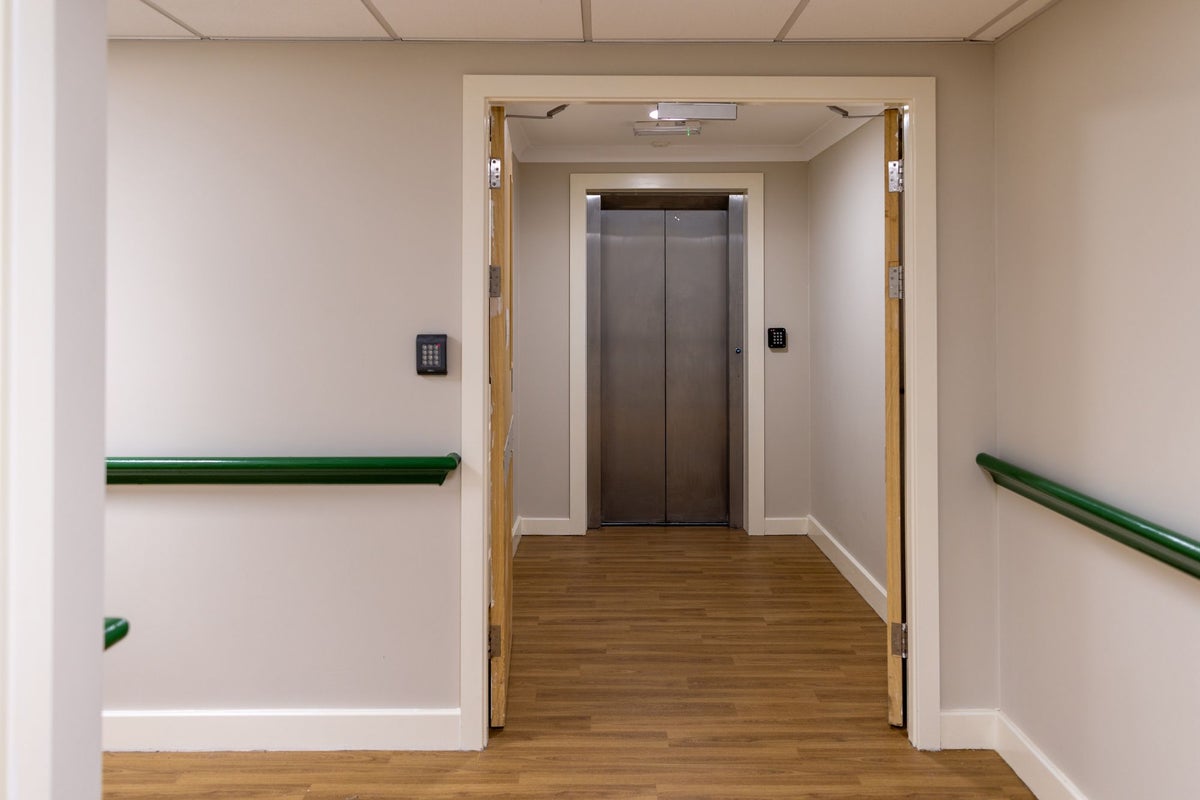
The safety of lifts in buildings across the UK could be compromised, as manufacturers have reportedly failed to adapt to rising obesity levels, a recent conference heard.
An expert highlighted that current lift capacity signs, indicating the maximum number of passengers, are now “out of date”.
This oversight could lead to extended journey times and potential safety hazards. Furthermore, it risks creating social stigma by implying more individuals can comfortably fit into an elevator than is realistic.
While manufacturers are legally required to display maximum passenger numbers, a researcher is investigating whether lift designs have adequately evolved with contemporary weight trends.
In the mid 1970s in the UK, the average weight of a man was 75kg, while the average weight of a woman was 65kg, experts said.
Now this is around 86kg for men and 73kg for women, they added.
Between 2000 and 2024, Professor Nick Finer, president of the International Prader Willi Syndrome Organisation, gathered data from 112 lifts across the UK, France, Germany, Spain, Italy, Austria and Finland.
The lifts had been manufactured by 21 companies between 1970 and 2024.
Average weight allowance per person, which is calculated by dividing maximum weight allowance by maximum number of passengers, for the year of manufacture was compared to average adult weight for that year obtained from the UK National Health Survey.
He found that between 1972 and 2002, the maximum weight in lifts was correlated to increasing population weight.
But after 2002 there was no significant increase in the assumed average weight of lift users.
He said that manufacturers assumed average weight remained at 75kg, while the average population weight was 79kg.
Prof Finer told the European Congress on Obesity in Istanbul, Turkey: “The failure of lift manufacturers to adapt to rising levels of obesity and body size means that lift capacities are overestimated meaning that journey times are likely to be increased and that safety could be compromised.
“What’s more, suggesting more people can fit in a lift than is comfortable is stigmatising people living with obesity.”
In an abstract presented to the conference, he said “overall manufacturers were not adjusting the capacity of lifts to reflect secular increases in population average weights”.
And according to the NHS, 30 per cent of adults in England were obese in 2024, and 66 per cent were either overweight or obese.