

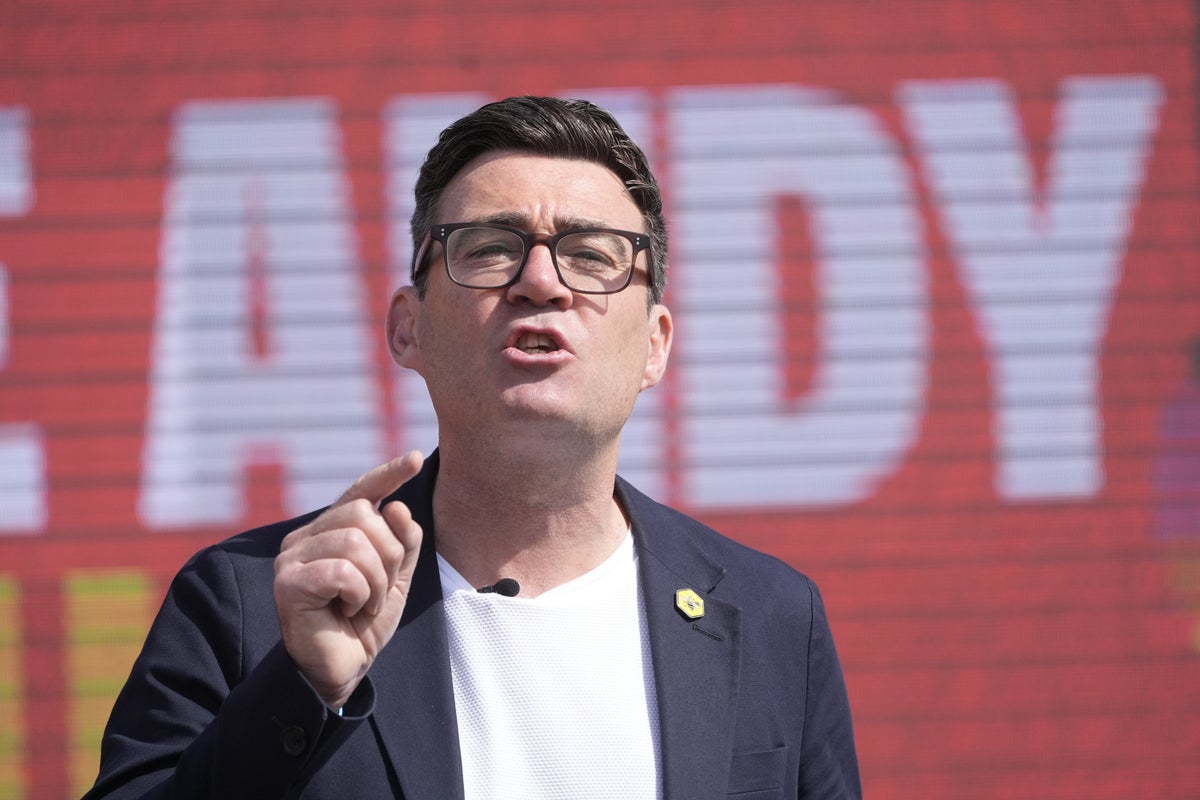
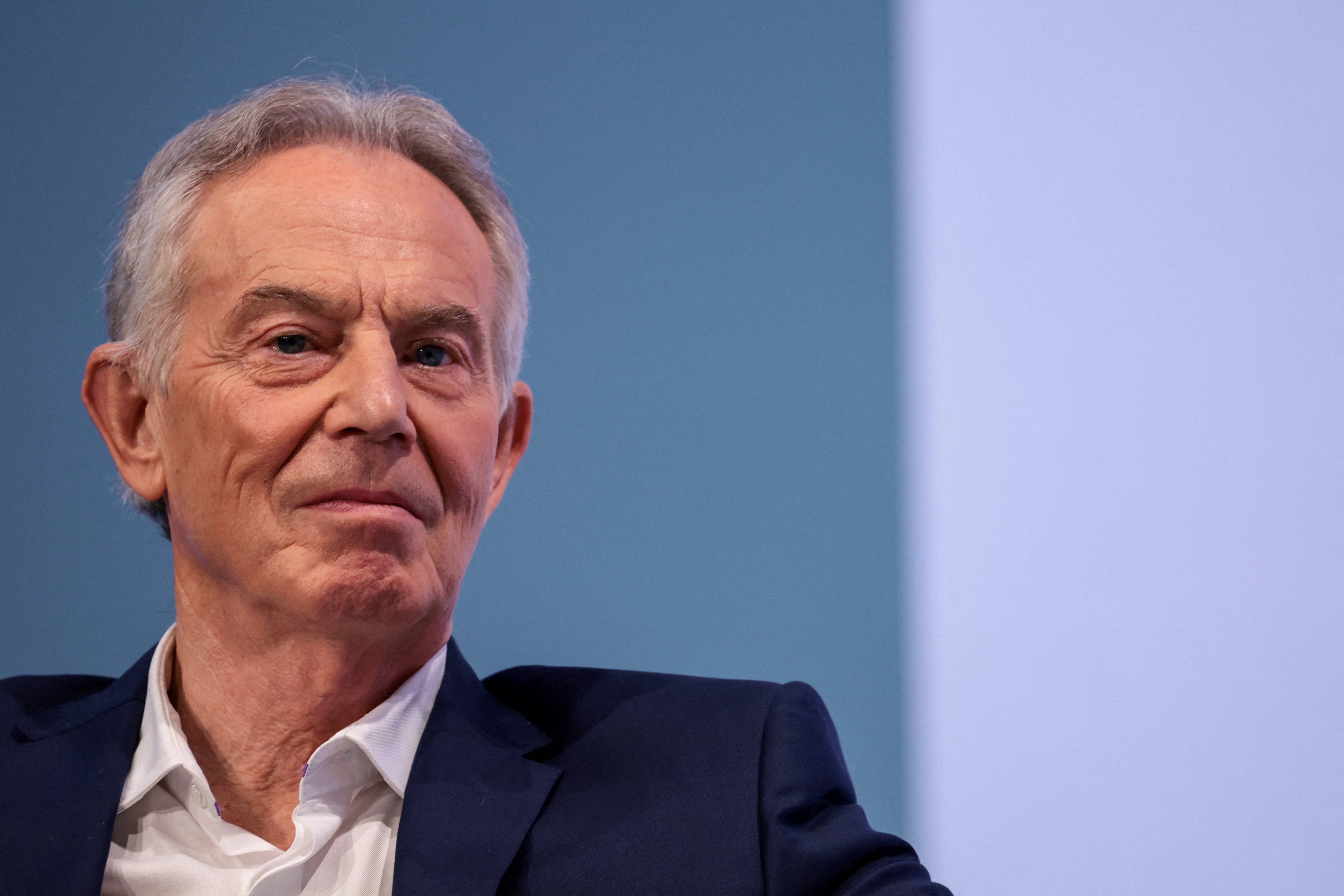
Andy Burnham has accused Sir Tony Blair of failing to acknowledge that life for millions of Britons is much harder than it used to be as he hit back at the former prime minister’s lengthy criticism of the direction of the Labour Party.
The cost of living crisis was the “gaping hole” in Sir Tony’s argument, the Greater Manchester mayor, as he said his city’s recent economic success had been achieved through a “very interventionist” approach that proved “you can’t just leave it to the market”.
He also criticised Blair’s government for being part of “40 years of neoliberalism”, which had “not been kind to” many communities.
His rebuke comes after Sir Tony warned that Labour was “playing with fire” when it came to the future of the country as he urged the party not to move further to the left, saying it should instead occupy the “radical centre”.
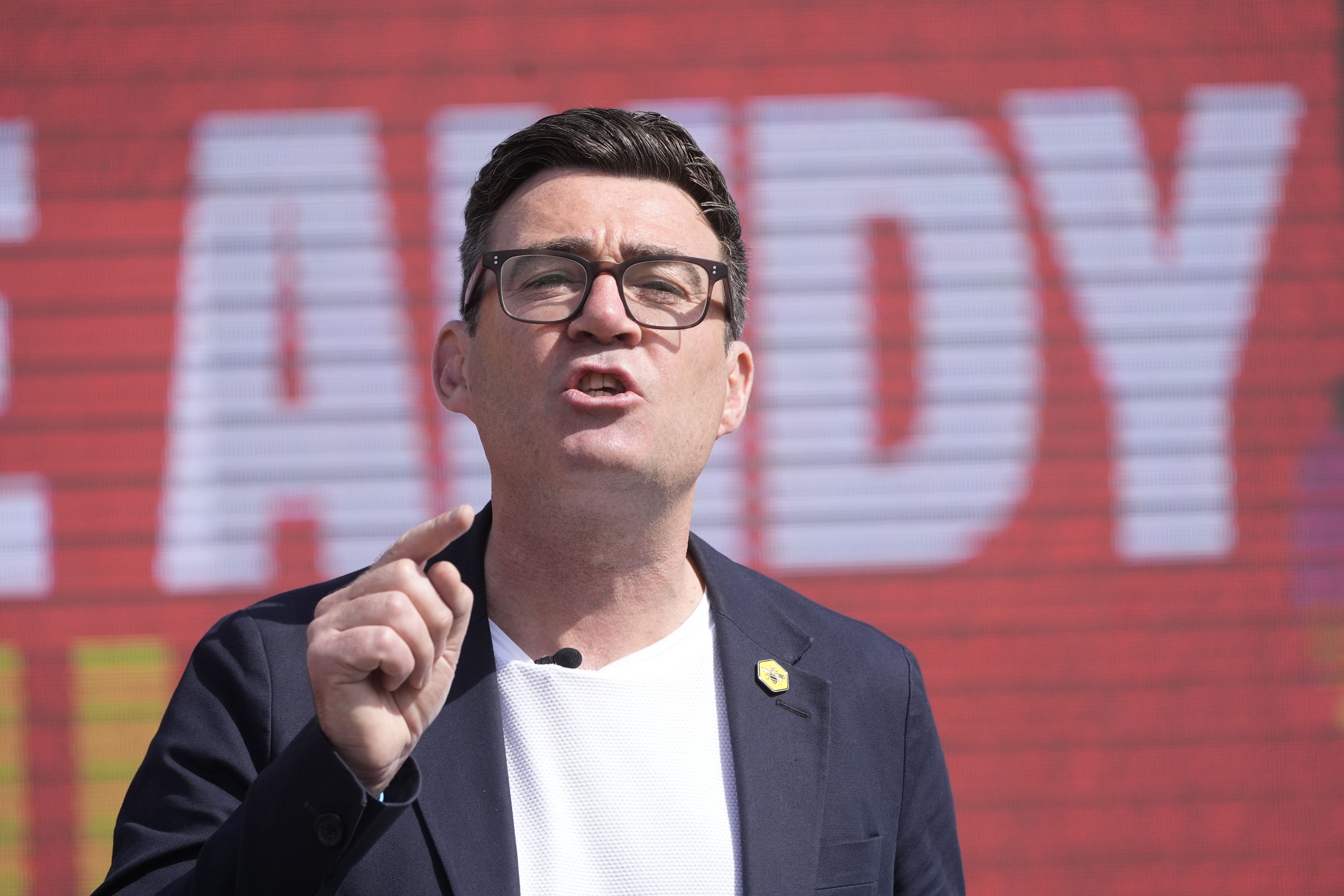
Mr Burnham is currently fighting a by-election in a bid to return to Parliament, a prerequisite for challenging Sir Keir Starmer for the Labour leadership and, with it, the job of prime minister.
He said he had read the Blair essay three times. He added: “To make no mention of the fall in the living standards of millions, and the reality that life has got harder for most year on year since the financial crash in 2008, is, I believe, the gaping omission in [Blair’s] analysis.”
“This has been the single biggest driver of the turmoil in politics he describes and the cratering of support for traditional parties of right and left, here and around the world.”
Duing the Blair years, Mr Burnham suggested, “trickle-down economics did not in the end trickle down very much at all.”
He also criticised the ex-PM’s call for regulation to be loosened to boost growth, writing in the Times: “The principal cause of the 2008 crash was a failure of regulation.
“So how can a new wave of deregulation plausibly be the answer to the problems we have experienced since?”
Instead, he argued, economic growth could only be delivered through “strong public control and direction”.
He pointed to the decision in Greater Manchester to bring buses back under public control, describing it as reversing “one of the biggest Thatcher legacies”.
But he said there were issues on which the two men agreed – including on not re-opening Brexit wounds.
“He correctly argues that our relentless focus now should be on domestic issues, and fixing our own underlying problems, rather than on re-running divisive arguments about rejoining the European Union,” he wrote.
One of Mr Burnham’s rivals to become PM, Wes Streeting, made his opening pitch for the job with a call for Britain to rejoin the European Union.
That piled pressure on the pro-EU Mr Bunrham, as he seeks to win the by-election in Makerfield, which backed Leave in 2016.
Sir Tony’s scathing attack on Labour, in the form of a 5,600 essay, said the party had no clear plan for the future and warned it risked doing long-term damage to both itself and the country unless the government underwent a fundamental reset.
In a damning indictment of nearly two years of a Starmer government, he said: “We don’t have a worked-out, coherent plan for the country in a fast-changing world, and are in the wrong political position from which to devise one and win a second term.”
But he warned trying to force Sir Keir Starmer out of No 10 without a clear policy direction “is not a serious way of conducting ourselves”.
He called on Labour to occupy the “best political space” which he described as “the radical centre”.
This is a developing news story, more follows …