

A three-week ceasefire extension between Lebanon and Israel was announced by US President Donald Trump on Thursday, following high-level talks at the White House.
This second round of US-facilitated discussions occurred a day after Israeli strikes killed at least five people, including a journalist.
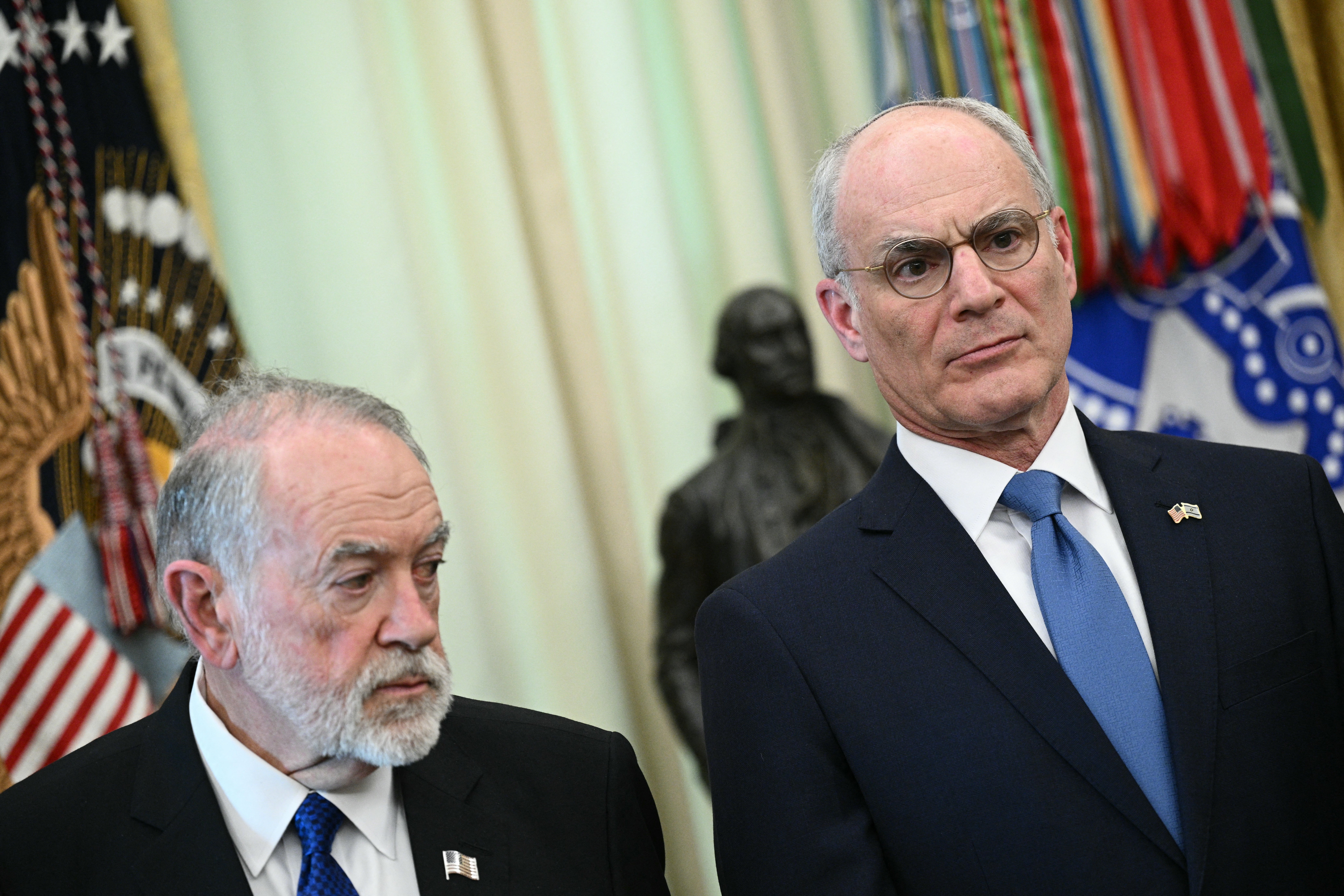
In the Oval Office, Mr Trump hosted Israel’s ambassador to Washington, Yechiel Leiter, and Lebanese ambassador to the US, Nada Moawad. Senior US officials, including Vice President JD Vance and Secretary of State Marco Rubio, also attended.
Writing on Truth Social, Mr Trump stated: “The Meeting went very well! The United States is going to work with Lebanon in order to help it protect itself from Hezbollah.”
The Iran-aligned armed group, fighting Israel, was not present at the talks, maintaining its position that it has “the right to resist” occupying forces.
Mr Trump added that he looked forward to hosting Israeli Prime Minister Benjamin Netanyahu and Lebanese President Joseph Aoun soon.
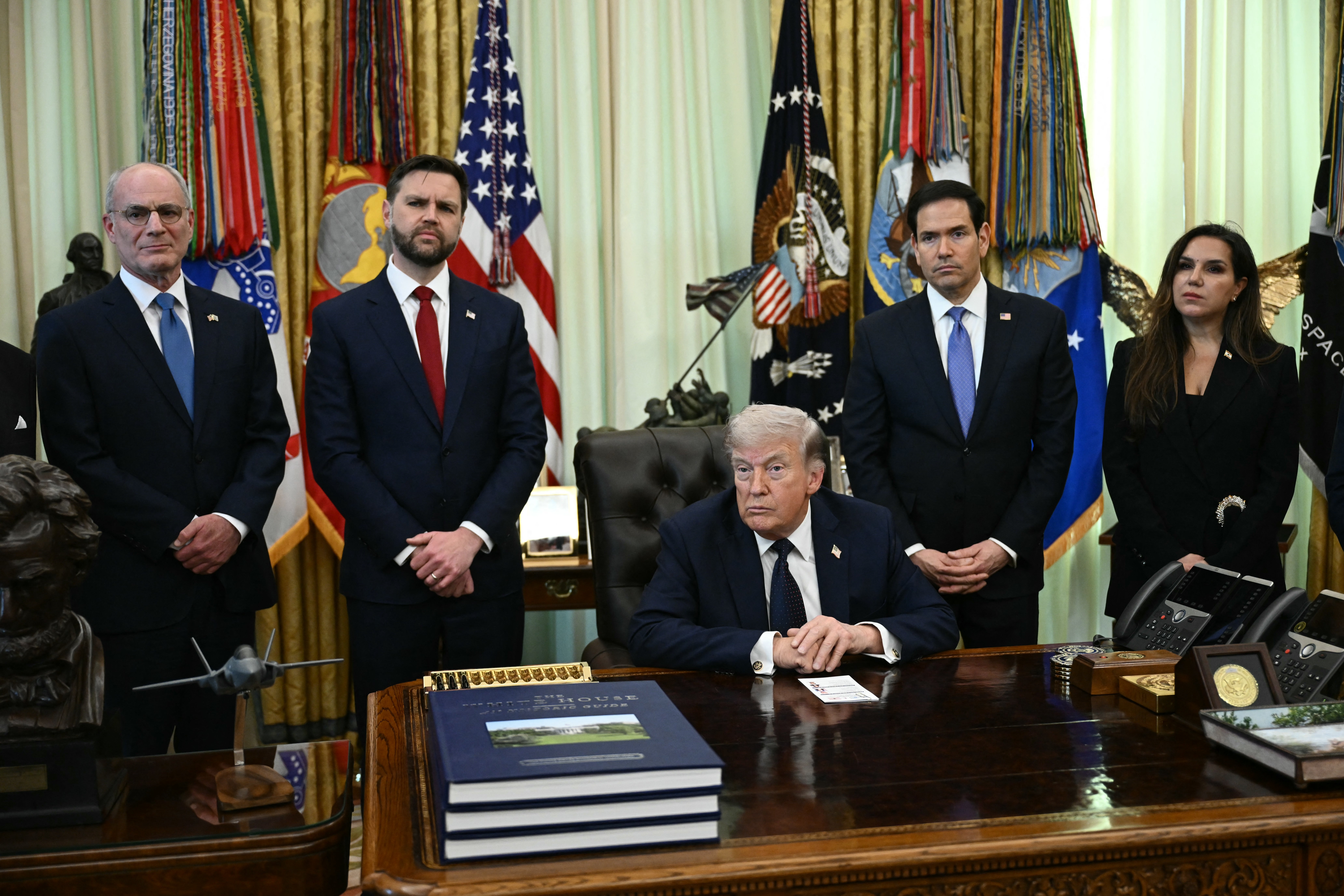
Speaking to reporters, he voiced hope that the leaders would meet during the extended cessation of hostilities, suggesting there was “a great chance” the two nations could achieve a peace agreement this year.
The ceasefire, reached after talks between the two nations’ ambassadors to Washington last week, was set to expire on Sunday.
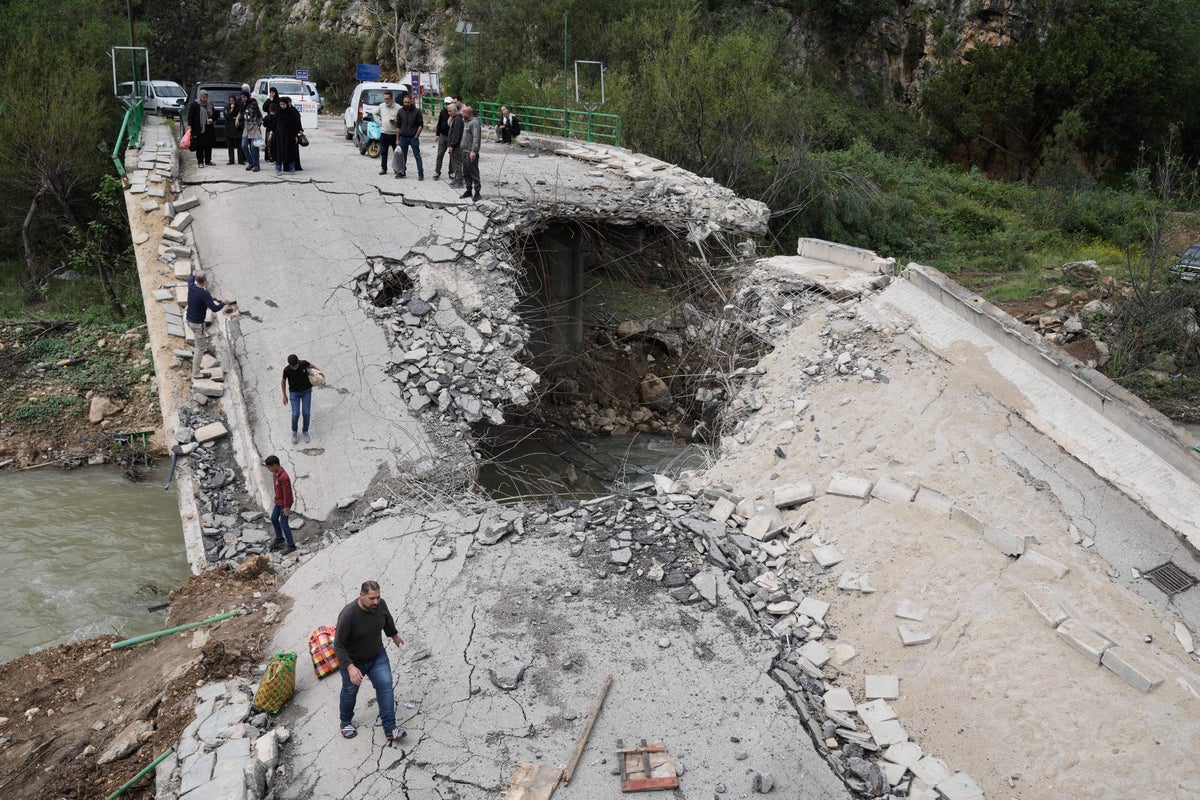
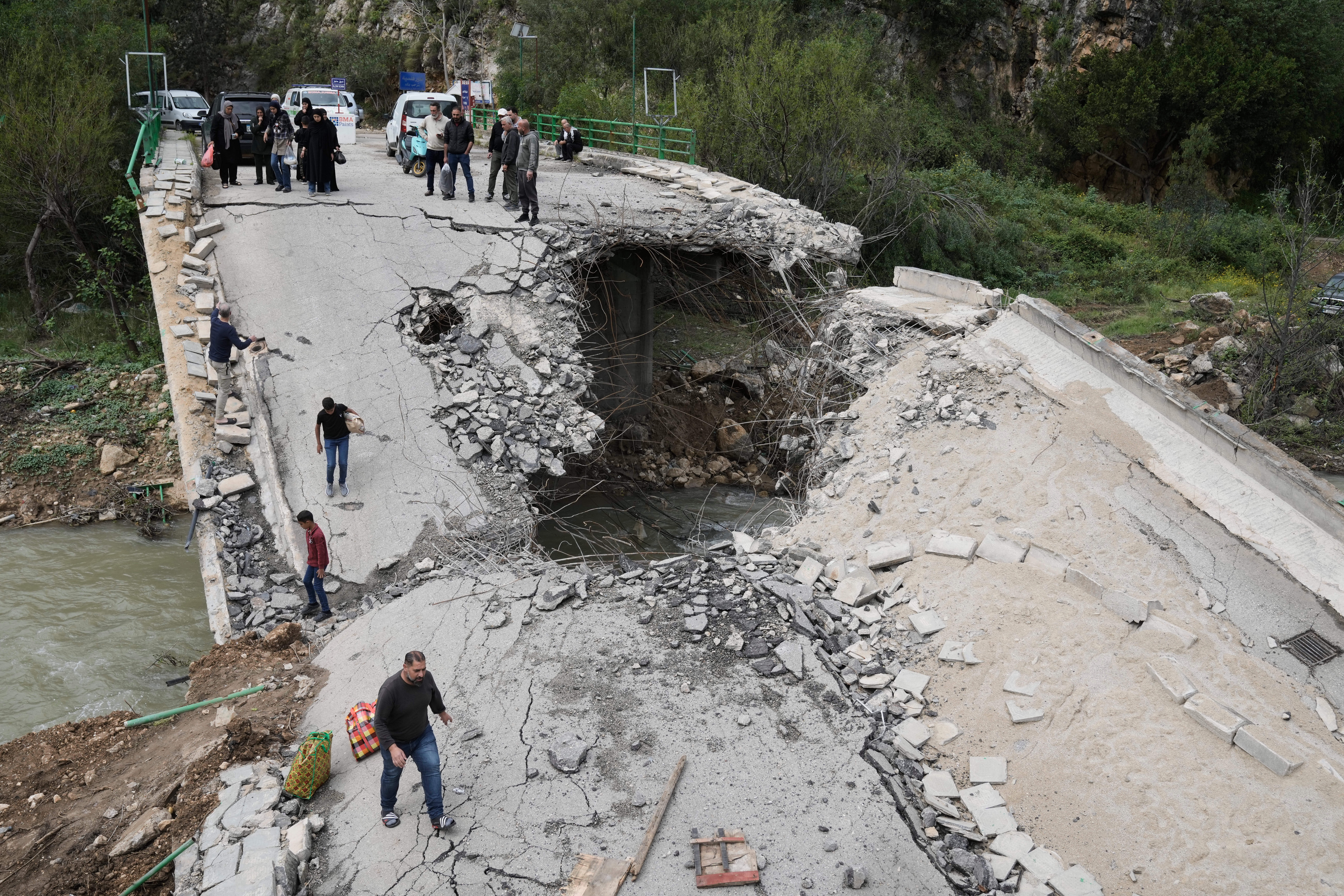
It has yielded a significant reduction in violence, but attacks have continued in southern Lebanon, where Israeli troops have seized a self-declared buffer zone.
‘Make Lebanon great again’
Ambassador Moawad, who went into the meeting seeking an extension of the ceasefire, thanked Trump for hosting the talks. “I think with your help, with your support, we can make Lebanon great again,” she said.
A Lebanese official earlier said Beirut would push for an Israeli withdrawal, the return of Lebanese detained in Israel and a delineation of the land border in a next phase of negotiations.
Israel has sought to make common cause with Lebanon’s government over Hezbollah, which was founded by Iran’s Islamic Revolutionary Guard Corps and which Beirut has been seeking to disarm peacefully for the past year.
Israeli ambassador Leiter said during the meeting that the talks must focus on rooting out Hezbollah rather than on Israel withdrawing its forces.
“If Hezbollah and IRGC operatives continue to be treated with kid gloves, a real process of achieving our mutual goal will remain unachievable,” Leiter said, according to remarks shared by the Israeli embassy in Washington.
Asked how the US would help Lebanon to fight Hezbollah, Trump did not provide details but said the US had “a great relationship with Lebanon.” Trump said Israel had to be able to defend itself against attacks from Hezbollah.
Trump also called for Lebanon to abolish laws against engagement with Israel. “It’s a crime to talk with Israel?” he responded when asked about the statutes known as anti-normalization laws, which he did not appear to be aware of. “Well, I’m pretty sure that that will be ended very quickly. I’ll make sure of that,” Trump said.
Deadliest day since ceasefire
The Israeli military said that Hezbollah militants fired a missile at an Israeli military aircraft on Thursday, while also targeting Israeli soldiers operating in southern Lebanon with rockets and a drone, in separate incidents. The militant group also fired rockets toward northern Israel, it said.
No injuries were reported in any of the incidents.
Israel’s military said it carried out a number of strikes in response, killing three Hezbollah militants and targeting the group’s infrastructure that was used to launch the attacks.
Lebanon’s health ministry had earlier said an Israeli air strike had killed three people and artillery shelling wounded two others, including a child.
Wednesday was Lebanon’s deadliest day since the ceasefire took effect on 16 April.
Those killed by Israeli strikes included Lebanese journalist Amal Khalil, according to a senior Lebanese military official and her employer, Al-Akhbar newspaper.
Israel’s military said on Wednesday it was reviewing an incident in which it had received reports that two journalists were wounded by strikes it said were aimed at vehicles departing a military structure used by Hezbollah. It said Israel does not target journalists.
Hezbollah lawmaker Hassan Fadlallah said the group wanted the ceasefire to continue but “on the basis of full compliance by the Israeli enemy”. At a televised press conference, he reiterated Hezbollah’s objections to the face-to-face talks and urged the government to cancel all forms of direct contact with Israel.
Hostilities between Hezbollah and Israel reignited on 2 March, when the group opened fire in support of Iran in the regional war. The ceasefire in Lebanon emerged separately from Washington’s efforts to resolve its conflict with Tehran, though Iran had called for Lebanon to be included in any broader truce.
Hezbollah said it carried out four operations in south Lebanon on Wednesday in response to Israeli strikes.
Nearly 2,500 people have been killed in Lebanon since Israel went on the offensive following Hezbollah’s 2 March attack, according to Lebanese authorities.
Israel is occupying a belt of the south that extends 5 to 10 km (3 to 6 miles) into Lebanon, saying it aims to shield northern Israel from attacks by Hezbollah, which has fired hundreds of rockets during the war.
Israel’s military reiterated a warning to residents of south Lebanon not to cross into the area.