
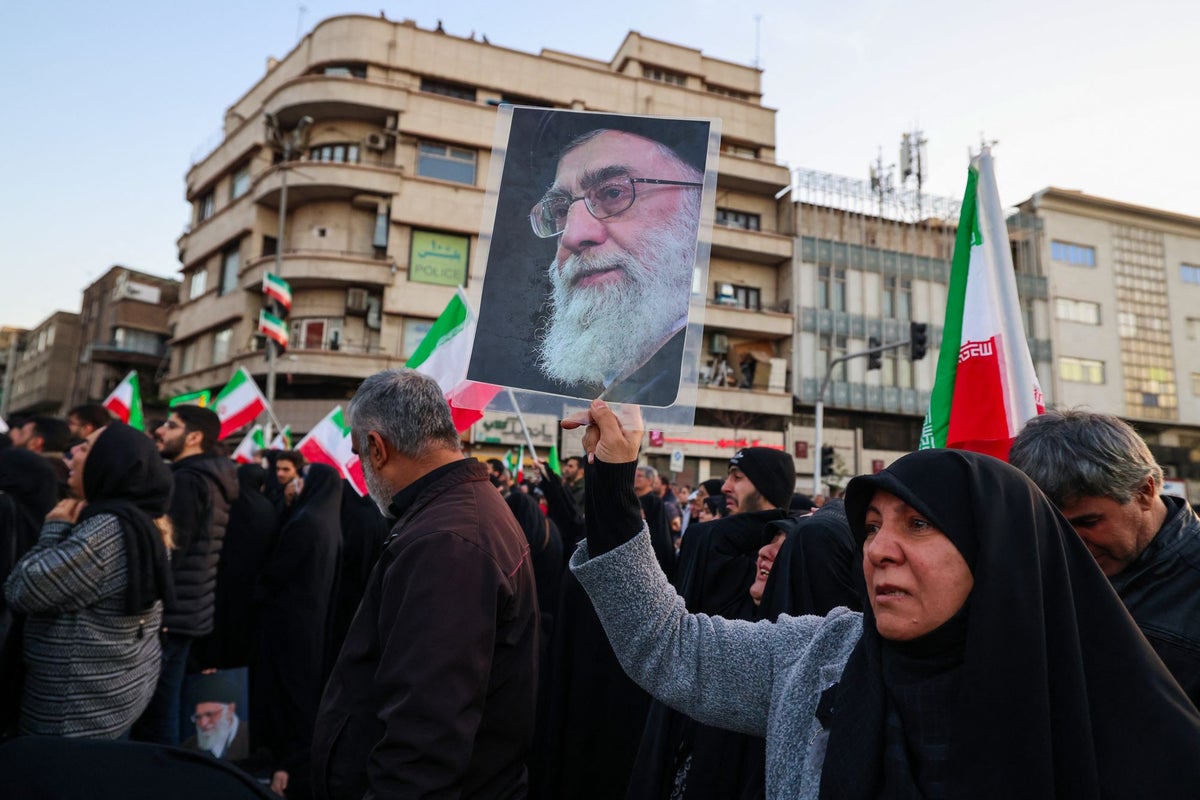
After weeks of massive military buildup, America and Israel’s joint attack on Iran has taken out the country’s supreme leader, Ayatollah Ali Khamenei, the man who not only led the Islamic Republic but defined it.
Tehran has retaliated by firing drones and ballistic missiles, apparently in all directions, as the Middle East is plunged into an unprecedented period of turmoil.
And in the eye of that storm are the people of Iran. Tens of thousands of them have bravely taken to the streets, calling for their rights and regime change since December. They faced a bloody slaughter, mass arrests and weeks of promises from the Trump administration that “help is on its way”.
Their future is now even more dangerously uncertain.
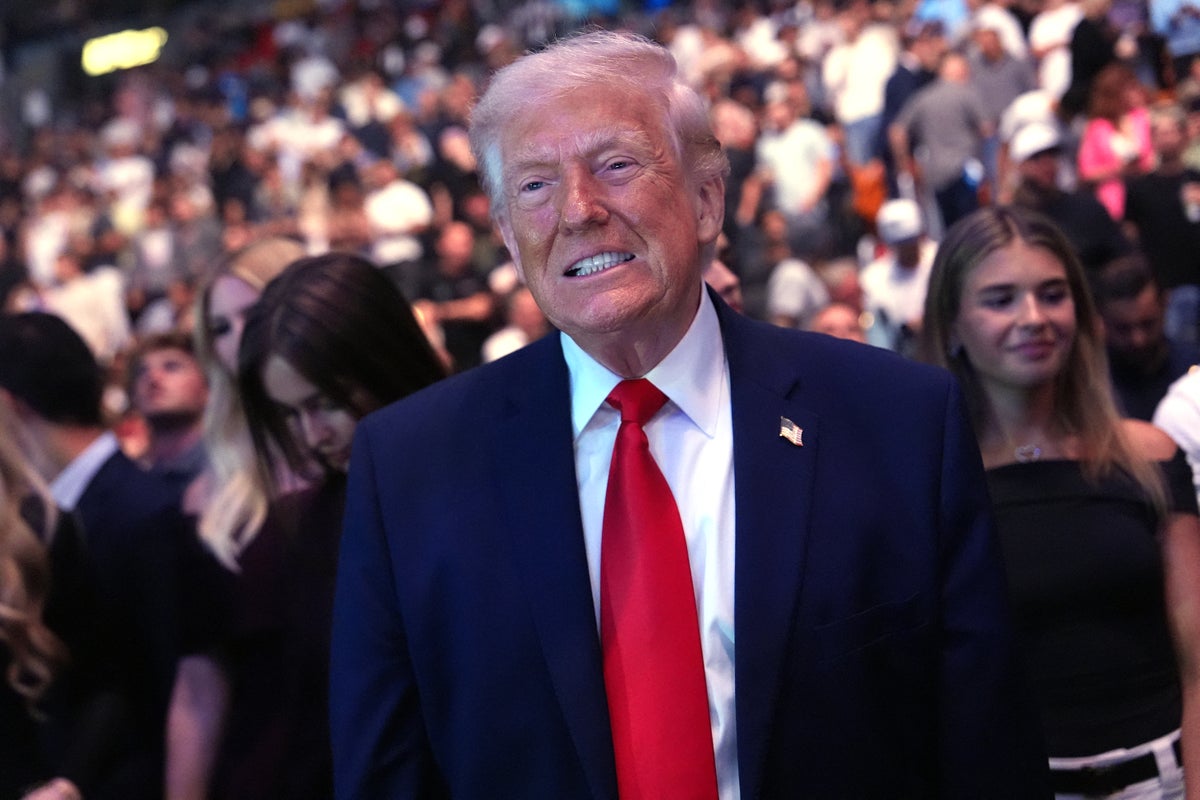
“The hour of your freedom is at hand,” Donald Trump declared to the Iranian people on Saturday. “When we are finished, take over your government. It will be yours to take. This will be, probably, your only chance in generations.”
But one of the biggest concerns from across the spectrum of Iranian opposition is that, while the Americans have taken out Khamenei, airstrikes do not lead to regime change.
Donald Trump said the supreme leader’s death is “the single greatest chance for the Iranian people to take back their country” – but the process for selecting his successor is already underway. There are concerns that, particularly since the last wave of US strikes on Iran in June, the real power has been held in the hands of the Supreme National Security Council and the brutal network of the Islamic Revolutionary Guard Corps (IRGC).

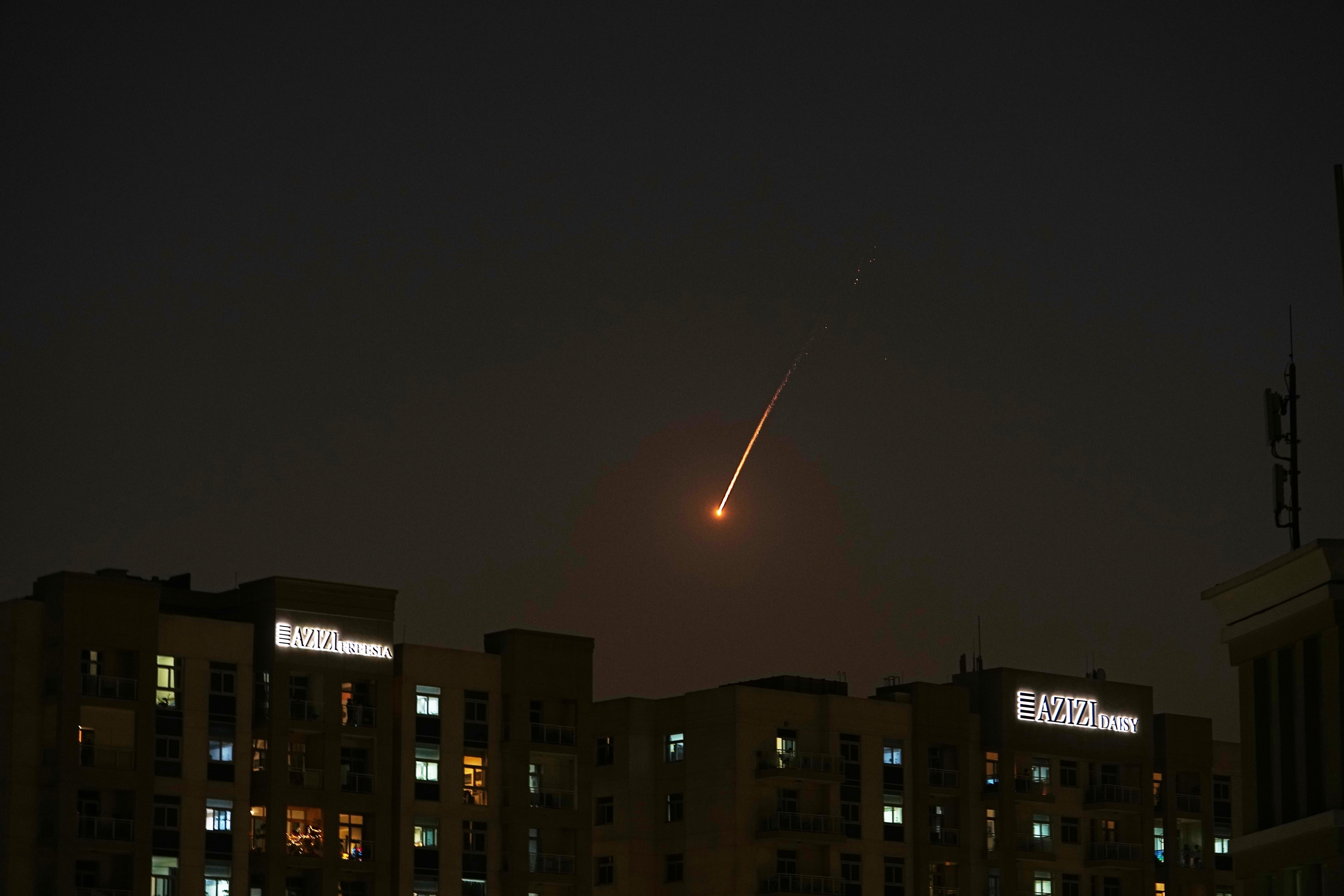
And so, instead, this joint operation, when it’s over, will leave a degraded, wounded yet still standing furious regime looking to enact revenge close to home, to pound a population into submission lest they dare heed Trump’s call.
It does not help that the protest movement fizzled out in the bloody crackdown, and never had a clear leader or replacement. That is despite some protesters calling for the return of Reza Pahlavi, the son of the last shah, the monarchy that was toppled in the 1979 revolution, which ushered in the current Islamic Republic.
Even those who support the strikes are concerned, like the Iranian Kurdish separatists, who have some of the few organised armed opposition forces in the country (and, it should be noted, are not in support of a shah).
“If the strikes don’t end this regime, the next time people rise up, it is going to be worse than ever before, especially in the targeted killing of minorities. Massacres will happen,” said Hana Yazdanpana, a member of the Kurdistan Freedom Party, the PAK, an armed Kurdish nationalist movement.
“The silence from the international community after the series of uprisings and calls for help meant hundreds, thousands of youth were captured,” she continued.
“Of course, the strikes are welcomed, but we lost a lot of energy from the people due to past failures to rescue them. We need to bring the hope back.”
And that is the issue, external military pressure may weaken a regime, but it rarely, if ever, ushers in a viable stable alternative, and in the interim, that space during transition is the most dangerous.
“I don’t think Khamenei’s killing will lead to unravelling of the Islamic Republic unless the Israeli-American strikes continue and kill more of Iran’s leaders to the point that the reconstitution becomes impossible,” explains Arash Azizi, the historian and author of What Iranians Want.
“There is indeed a danger that we end with total chaos inside Iran and even a civil war. That would be the nightmare scenario”.
And maybe that is the point. Israel has a track record of divide and conquer, from Palestine to more recently Syria, where it stirred tensions in the south, piling pressure on the new president of Syria, who oversaw the stunning overthrow of long-term despot Bashar al-Assad.
Benjamin Netanyahu on Saturday night urged Iranian citizens to “flood the streets and finish the job”. But there are concerns that for Israel, a weakened, destabilised, chaotic Iran is actually preferable to another powerful, Western-facing, wealthy player vying for US support in a crowded region.

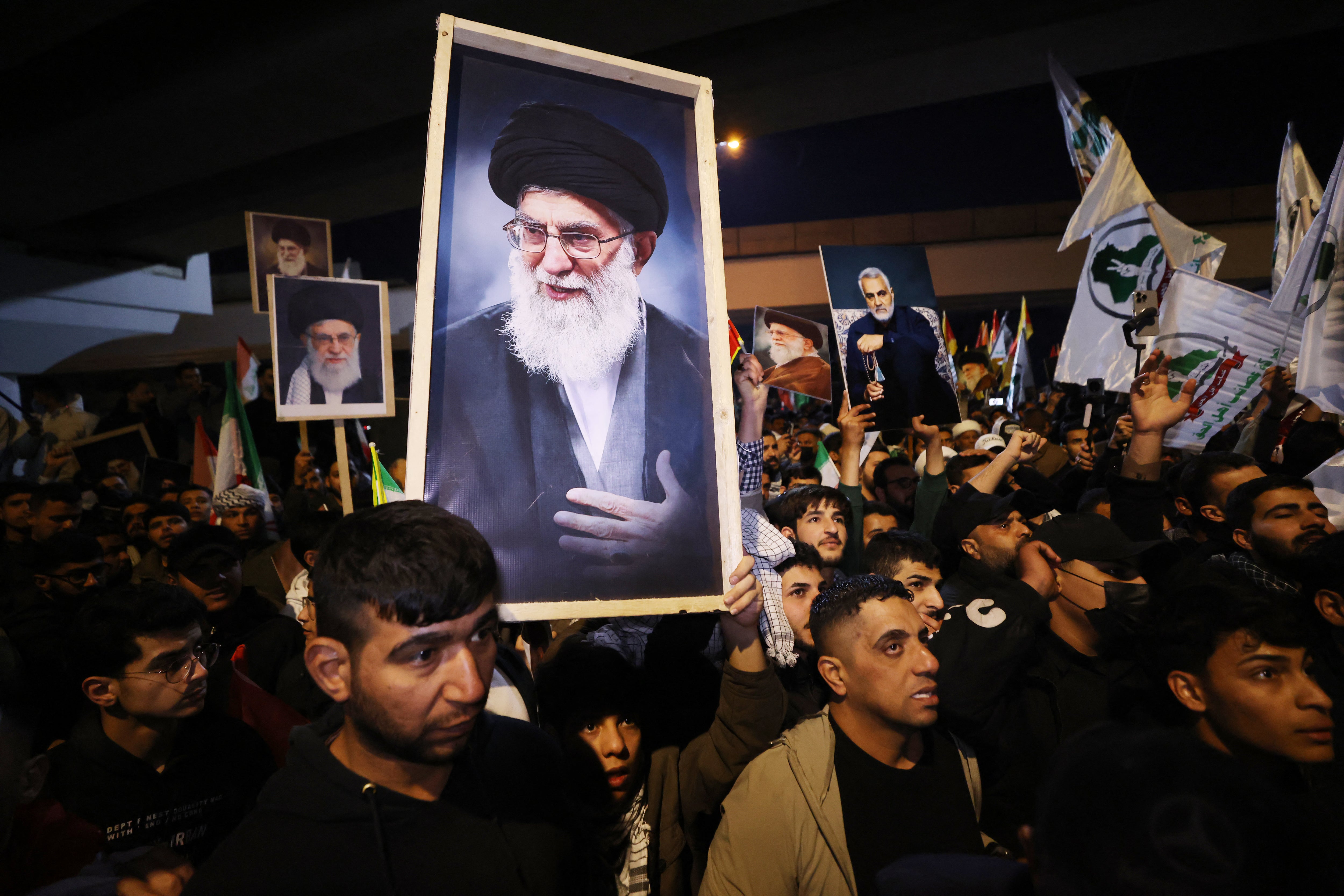
External influence aside, there is the IRGC, the cast-iron skeleton of the regime, to contend with. To oust something so powerful, so heavily armed and organised, so deeply entrenched would need a lot more than a wave of airstrikes.
Added to that, Azizi says, the real power lies with Iran’s military-dominated security council, which has “effectively run the country since last June”.
“A power struggle will ensue between various factions over the future of power.”
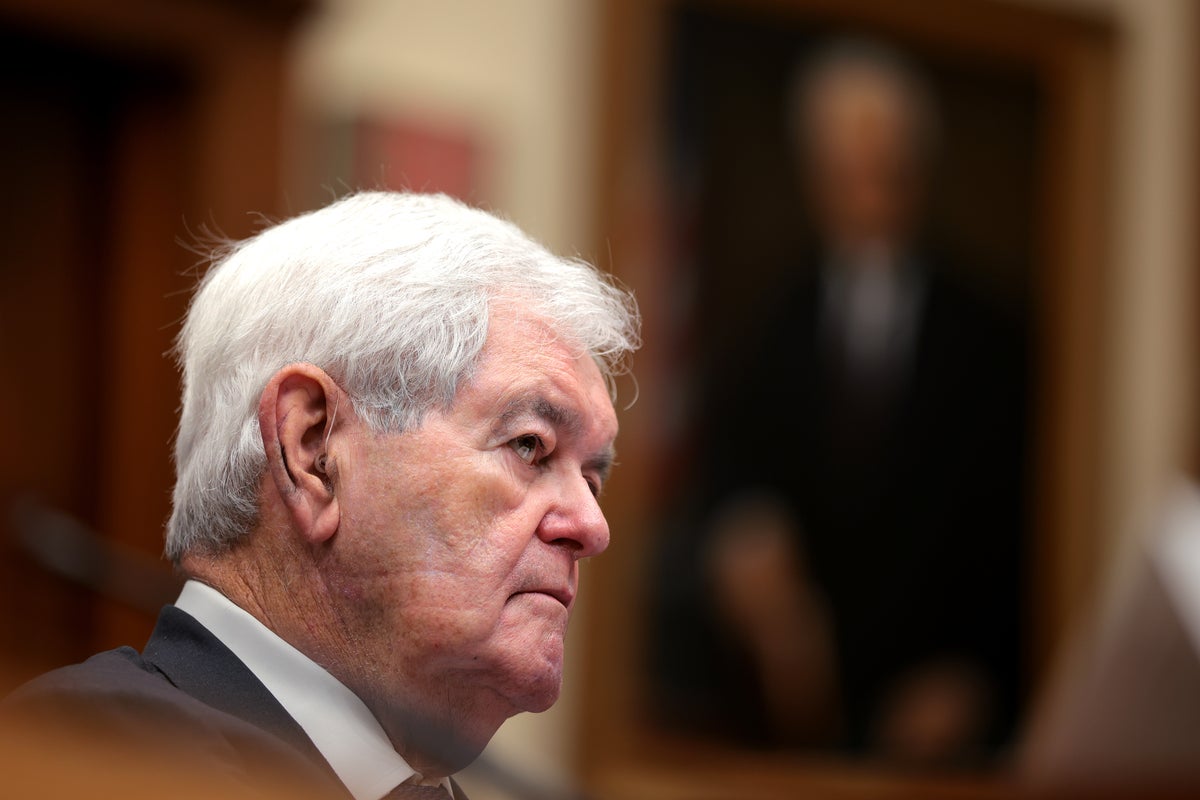
He says whoever comes out on top in Tehran may have to recalibrate for survival. Will the stringent ideological anti-Americanism and anti-Israelism die with the supreme leader, paving the way for the US to make a deal with men like the security council’s chief Ali Larijani, an ex-IRGC officer?
“Will [that] satisfy them? Or do they really believe their own words about Iranian people now rising up to seize power or for power to pass on an outsider like Reza Pahlavi?” he asks.
The other potential curveball, the unknown factor, is Iran’s proxies in the region, like Hezbollah in Lebanon, the Houthis in Yemen, and the Popular Mobilisation Forces in Iraq.
The Israeli military has claimed that the IRGC had been spending up to $900m on proxies, with “most of it going to Hezbollah”. But there appeared to be a deafening silence from them as Iran came under attack.
The leader of the Houthi rebels in Yemen released a limp corporate statement saying they would “take action in various activities” in solidarity with Iran, but did not elaborate.
As a former British ambassador to Yemen, Edmund Fitton Brown told me it was “an uncharacteristically restrained statement supporting Iran”. He said, “The proxies are diminished”.
“It’s striking that this was the dog that didn’t really bark last June, and it’s possible it won’t bark again,” he added.
“I don’t know how much they’re willing to put their lives on the line if they see this as a lost cause for Iran.”