


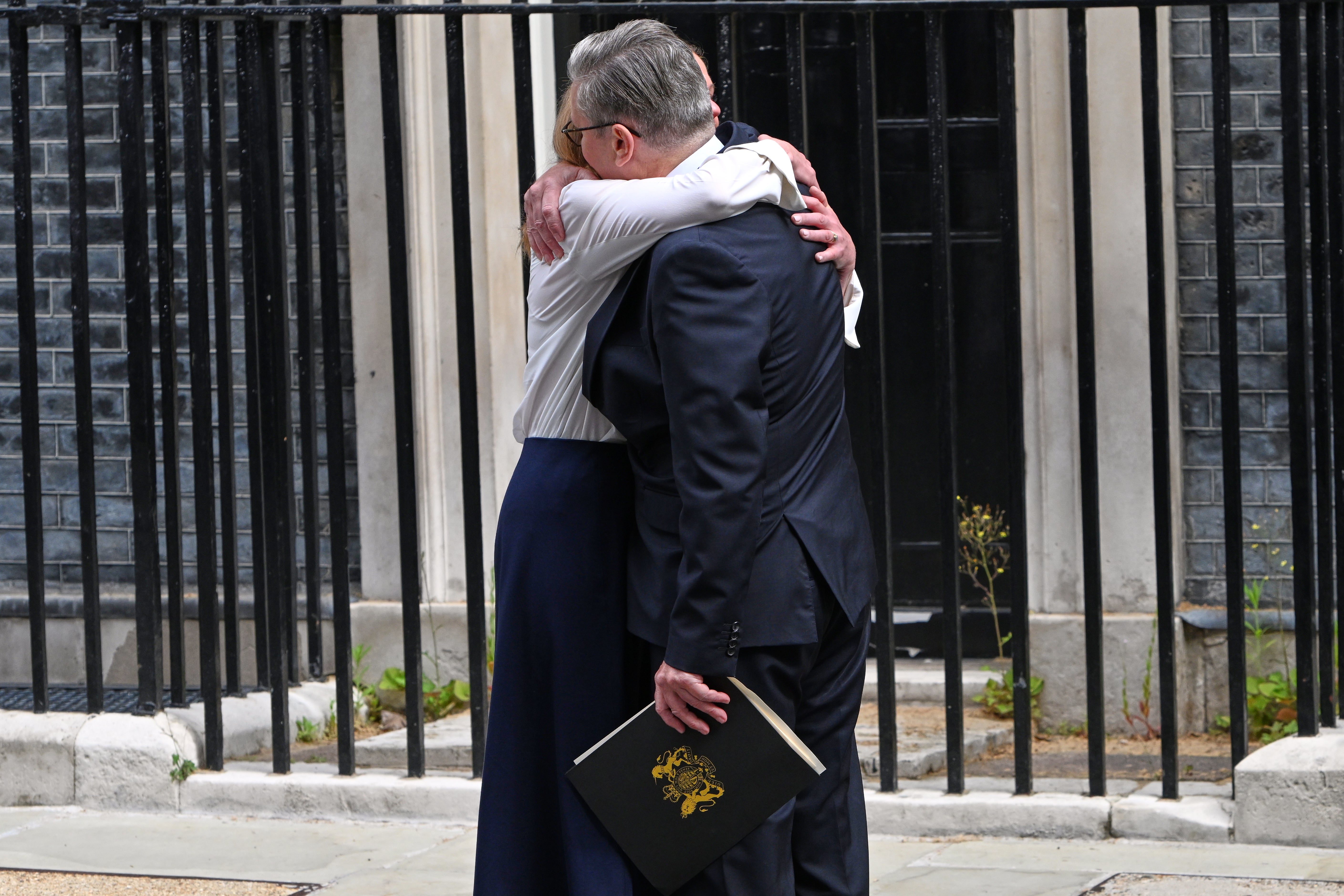
Sir Keir Starmer teared up as he reluctantly announced his resignation as prime minister after losing the support of his party following months of political turmoil.
The Labour leader became emotional as he thanked his wife and his children and said he would do all he could to ensure an “orderly” transition of power to his successor.
Less than two years after coming to power, he said his party had decided he was not best placed to lead them into the next general election, “and I accept that answer with good grace.”
His decision to stand down means Labour could now hold a contest to choose his successor, with Andy Burnham seen as the frontrunner.
The former Greater Manchester mayor is expected to arrive in Westminster to be sworn in as an MP on Monday afternoon after winning the Makerfield by-election last week.
Former health secretary Wes Streeting is also expected to put himself forward as a candidate, although some Labour MPs believe there will effectively be a coronation of Mr Burnham.
Sir Keir said he had asked Labour’s governing body to set out a timetable to replace him, beginning on July 9, and ending by the summer recess to “ensure a new leader is in place before Parliament returns in September”.
Making the announcement in Downing Street, he defended his record and pledged to give his successor “my full and unequivocal support, knowing that they will inherit a Britain that is far stronger and fairer than the one I inherited two years ago”.
With a wavering voice, he added: “When I leave the biggest job in the country, I shall spend more time on the most important job, being the best husband I can to my fantastic wife, Vic, who has been a rock by my side through good times and bad, and being the best dad I can to my beautiful children, who are my pride and joy.”
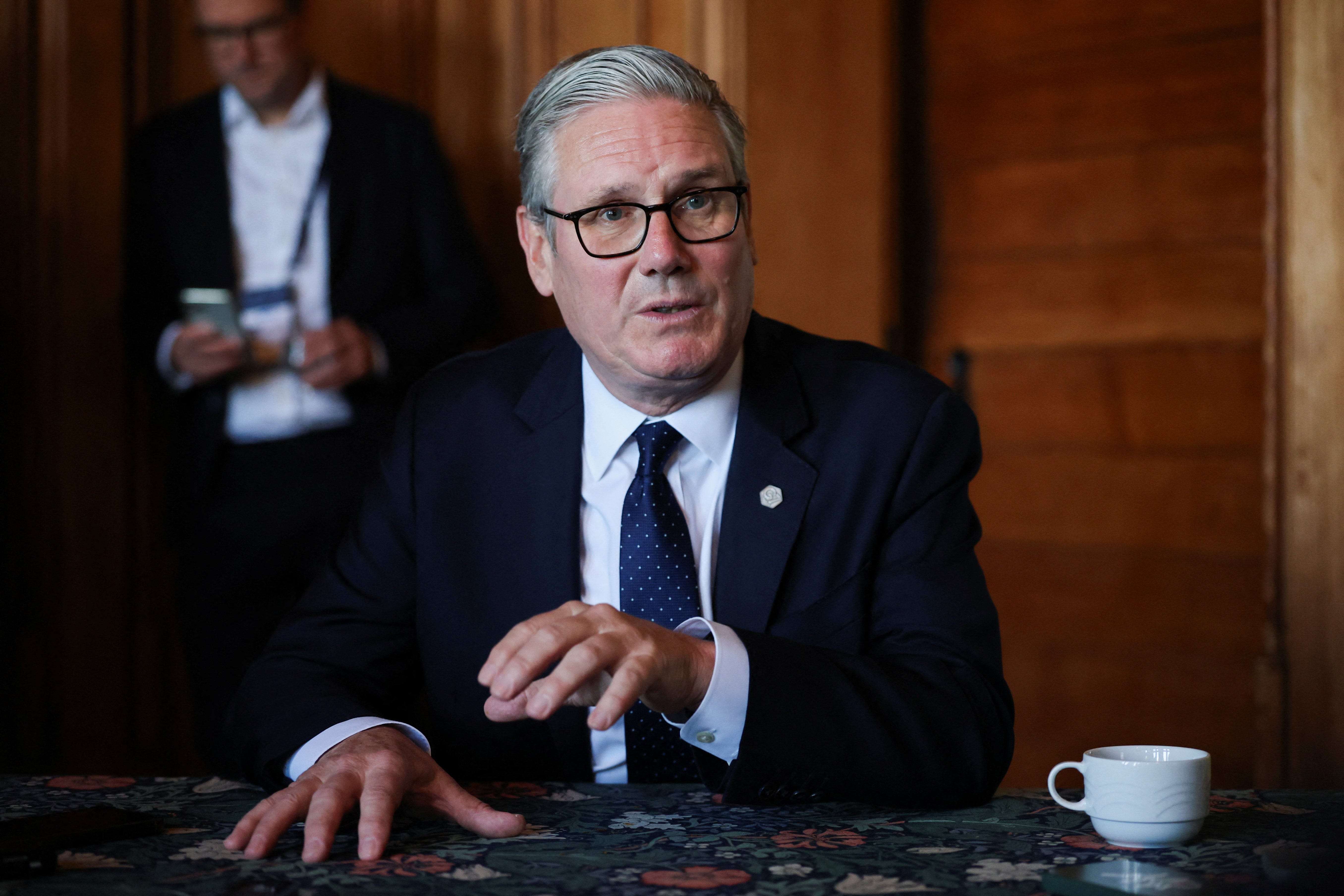
The resignation follows Mr Burnham’s dramatic victory in the Makerfield by-election, a result that was seen by many in Labour as proof the former Greater Manchester mayor is able to beat Reform in a way Sir Keir could not.
Following a weekend of soul searching after ministers lined up to tell him to go and more than 100 Labour MPs signed a letter demanding a change, Sir Keir made the decision at the prime minister’s country retreat Chequers.
He had initially been defiant after the by-election and insisted he would fight a contest but it became clear that he was facing a wave of ministerial resignations if he tried to cling on and had little support left in the parliamentary party.
Having come into power promising a new age of stability “after the Tory chaos”, Sir Keir’s dramatic downfall came after his personal ratings hit rock bottom amid the fallout over the Mandelson scandal and concerns over the direction of government including rows on welfare and defence spending – just 23 months after he swept Labour to a landslide election victory.
With at least a dozen resets, a major reshuffle, at least 13 U-turns and the sacking of some of his inner circle of staff, Sir Keir was never able to get on the front foot with his government.
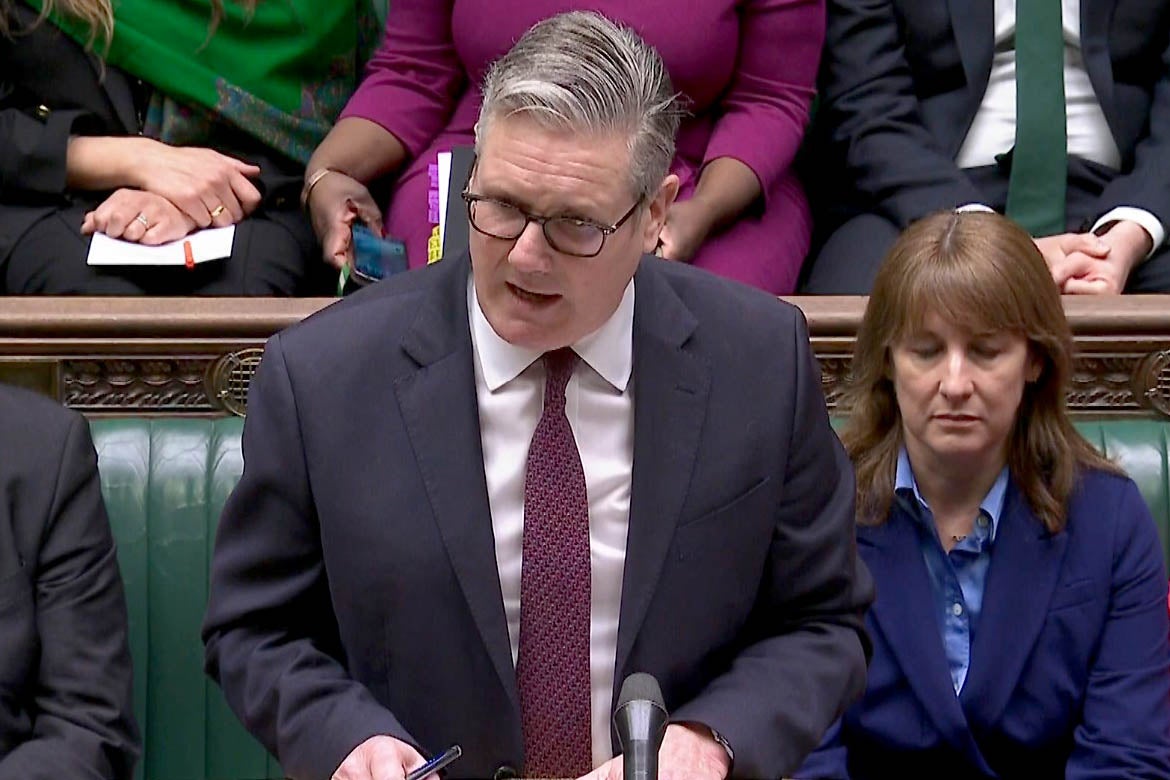
It is a remarkable fall from grace for a man who, in July 2024, brought Labour back from 14 years in the wilderness with a massive majority of more than 170.
Sir Keir has spent his 23 months in power largely under siege. His government never enjoyed a honeymoon period, and he was hit by a summer of riots after the Southport murders, before facing major backlash over the government’s hugely unpopular attempts to slash winter fuel payments for pensioners, as well as welfare cuts for those with disabilities in the summer of 2005.
This was followed by months of plots to replace him with Mr Burnham, health secretary Wes Streeting or former deputy prime minister Angela Rayner, all rumoured to be in the running to mount a leadership challenge.
But it is the saga over the appointment of Peter Mandelson, who had been a key figure in both the Tony Blair and Gordon Brown governments, that has dogged the prime minister for months.
It raised questions about Sir Keir’s integrity and judgement of character, which came to the fore when new revelations about Lord Mandelson’s close links with Epstein became public.
Fatal revelations, which have left the Labour Party itself in crisis, included the former Labour grandee continuing to stay with Epstein after his conviction for paedophilia and attempts to help him clear his name.
It later emerged that Lord Mandelson had passed on confidential market-sensitive information to Epstein when he was then-prime minister Gordon Brown’s business secretary.
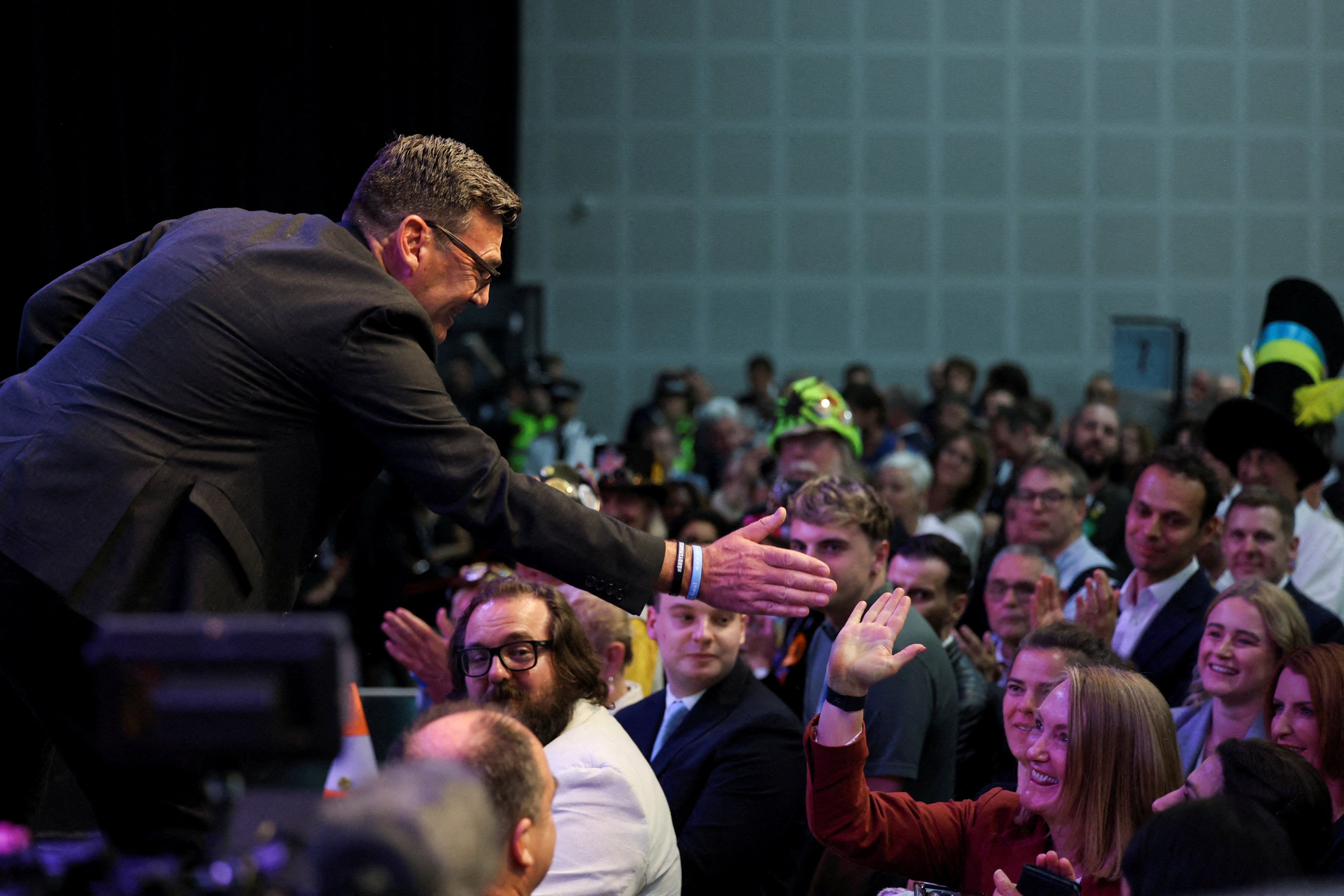
Mr Brown revealed he had asked for an investigation five months ago when Sir Keir eventually sacked Lord Mandelson as ambassador – but it was apparently brushed under the carpet.
In what marked another devastating blow for his party, Sir Keir also admitted during Prime Minister’s Questions that he had been aware of Lord Mandelson’s ongoing relationship with the paedophile when he appointed him to the most important diplomatic role for the UK.
Fresh revelations last month that the Foreign Office approved Lord Mandelson’s appointment in Washington, despite security services having recommended against it, further damaged Sir Keir’s position.
Downing Street repeatedly claimed that the prime minister – or anyone in No 10 – had been made aware that the Foreign Office had overruled the decision.
In an attempt to defend himself, Sir Keir said it was “staggering” and “unforgivable” that he had not been told earlier, adding he was “furious”.
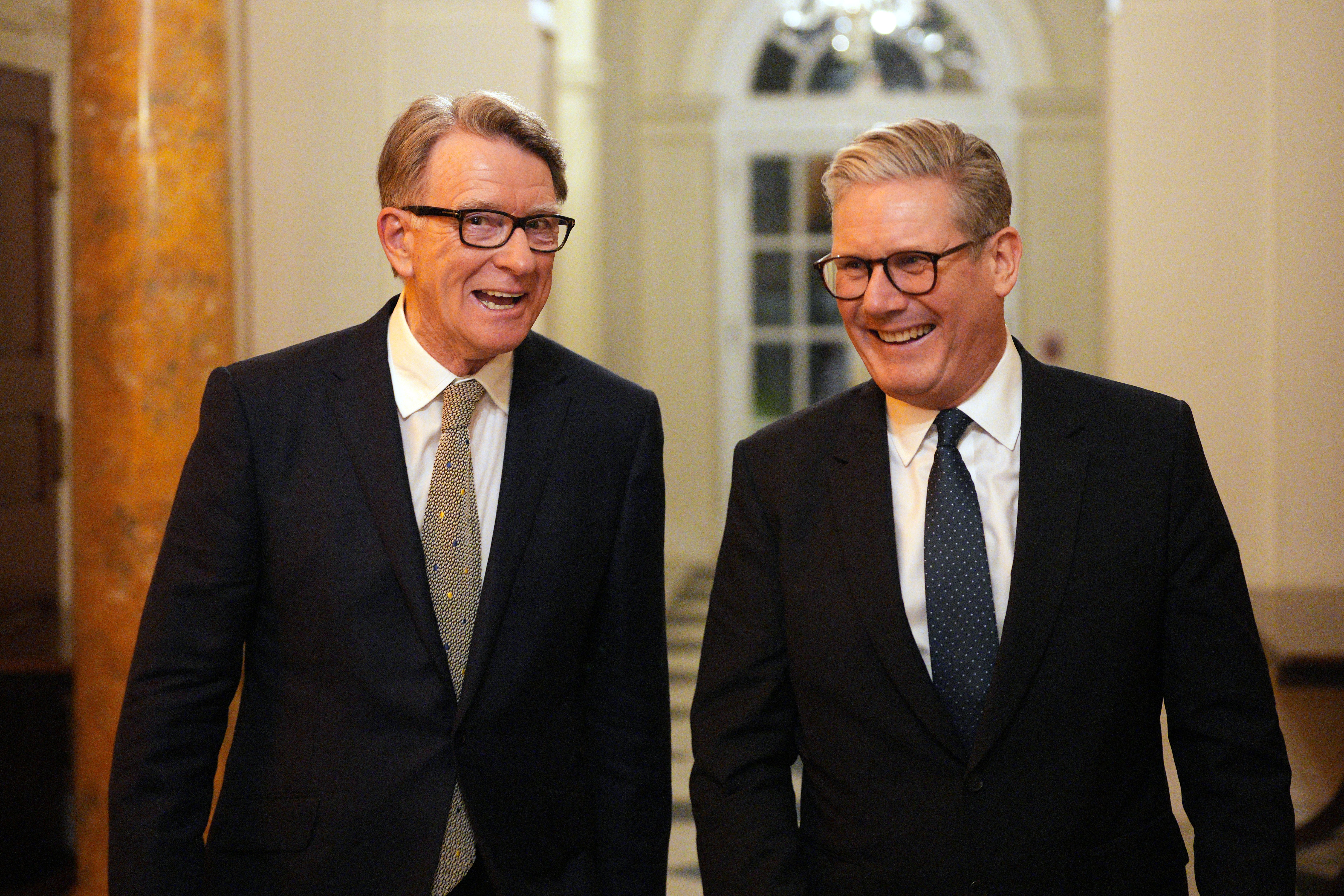
But it was revealed that Downing Street did know Mandelson had failed security vetting seven months ago – when concerns were first raised with No10 by The Independent.
This publication revealed on 11 September last year that MI6 had failed to clear the then-Labour peer, largely because of concerns over his business links to China.
Those concerns were put to No10, but the then-director of communications, Tim Allen, insisted: “Vetting done by FCDO [Foreign and Commonwealth Office] in normal way”.
As the scandal unfolded, Kemi Badenoch said she was “considering every parliamentary option” for removing the prime minister, calling on Labour MPs to “do the right thing”.
Labour MPs will now need to elect a new leader and prime minister, with Sir Keir staying on until a successor is appointed.