





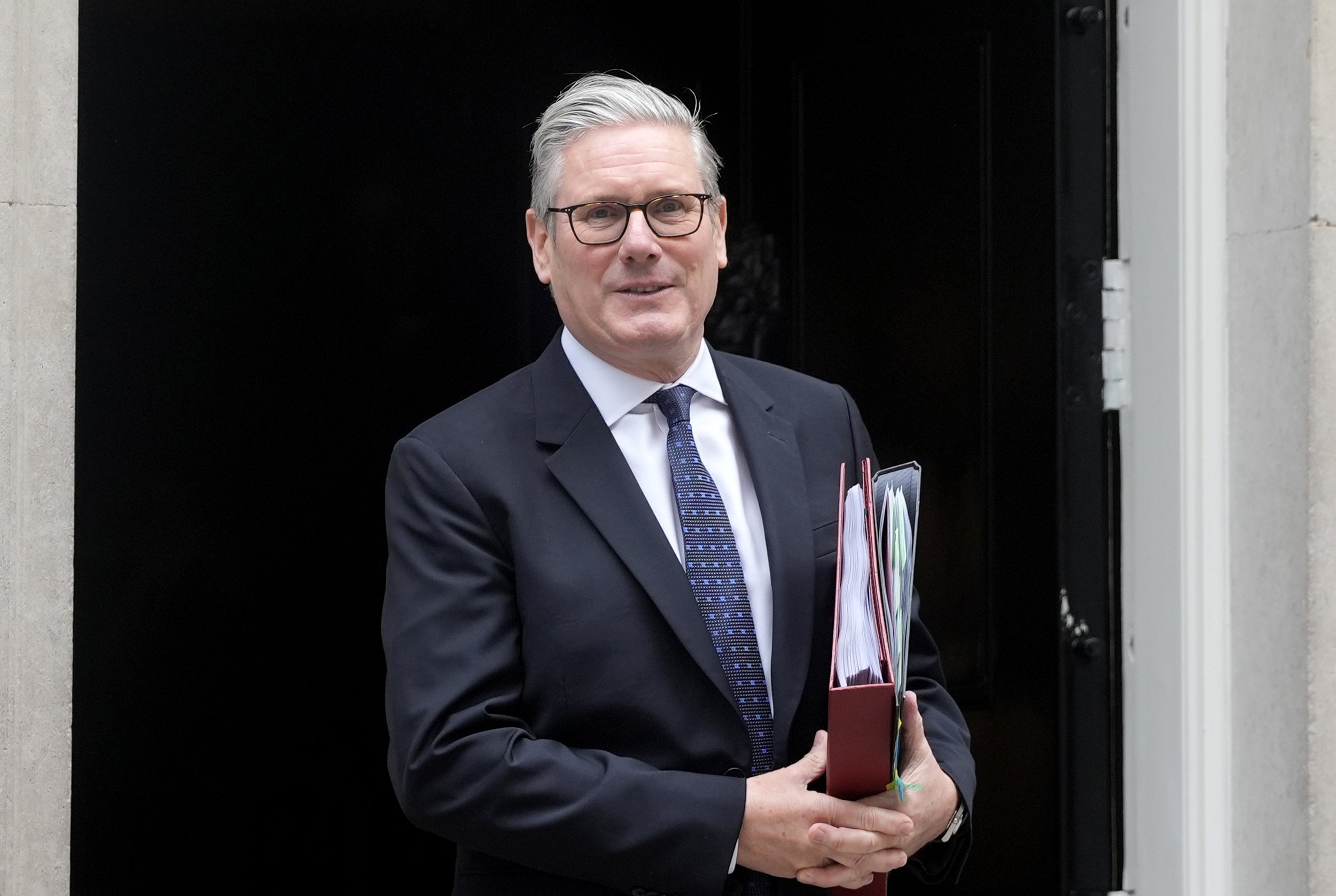
Sir Keir Starmer’s chances of seeing off a leadership challenge are in serious doubt after defence secretary John Healey and armed forces minister Al Carns both resigned, accusing the prime minister of being “unwilling to commit the resources” needed to keep Britain safe.
In a scathing letter laying out the sorry state of UK defences, Mr Healey said funding for the long-delayed Defence Investment Plan (DIP) “falls well short of what is required”, with extra support not coming until after 2030 even though the “imperative to speed up readiness to fight is in the first two years”.
The shock resignations pile even more pressure on the prime minister as he attempts to face down threats of a Labour leadership contest.
Mr Healey’s departure was followed by the resignation of his parliamentary private secretary, MP Pamela Nash, and Mr Carns, who said the government was “failing Britain’s armed forces”.
Eyes are already on next week’s Makerfield by-election, which Greater Manchester mayor Andy Burnham hopes to win in order to launch a leadership challenge.
Conservative leader Kemi Badenoch said Mr Healey’s resignation showed Sir Keir’s premiership was “falling apart”, while Liberal Democrat leader Sir Ed Davey said his departure should act as “a wake-up call” for Sir Keir and any potential leadership challengers and urged them to “get serious about funding our armed forces properly”.
Mr Healey is the fourth cabinet minister to leave Sir Keir’s government since Labour came to power and the second to resign over policy differences after Wes Streeting quit as health secretary last month amid the fallout from Labour’s local election losses.
Yvette Cooper is among those considering her future, The Independent has been told, with Labour MPs saying the foreign secretary is “very, very unhappy” with the direction of the government, having already told Sir Keir he needs to set a timetable for his departure from No 10. But a source close to Ms Cooper denied she is preparing to resign.

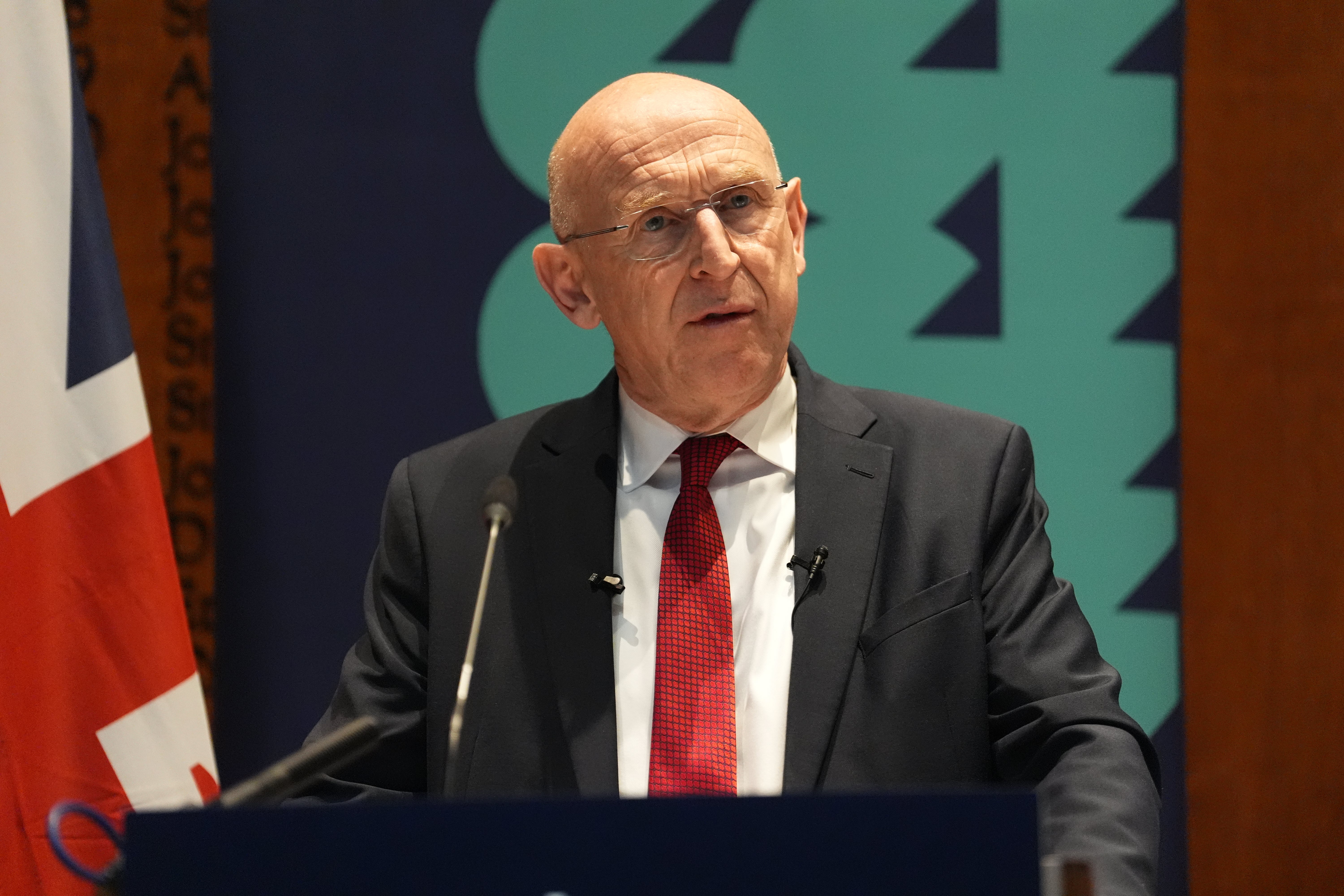
Mr Healey’s resignation is also hugely embarrassing for the prime minister on the international stage, coming just days before a crucial G7 summit where he and other European leaders are set to come under pressure over defence spending from Donald Trump.
While the government has committed to spending 3.5 per cent of GDP on defence by 2035, Mr Healey said the plan he was presented with on Monday moved too slowly, with defence spending rising to just 2.68 per cent in 2030 after hitting 2.6 per cent next year.
In his letter – which he said he “never expected to write” – Mr Healey accused Sir Keir and his chancellor Rachel Reeves of having been “unwilling to commit the resources that the nation needs to defend the country at this time of rising threats”.
He added that without a DIP that “meets the moment”, he was “forced to make decisions that would reduce the readiness of our forces and increase the risk to personnel on operations, and could make our country less safe”.
Sources said a package offered by the Treasury did not put a date on increasing spending to 3 per cent and had tried to force the Ministry of Defence (MoD) to plan to reach that figure only by 2034-35.
“After explaining to you that I would not be able to accept a DIP settlement that does not give our forces the resources they need, I am now left with no other option than to submit my resignation as your defence secretary”, Mr Healey wrote.
In a response issued hours later, Sir Keir said he agreed that the government needed to “go further” on increasing defence funding, but added: “The Defence Investment Plan does just that, delivering an unprecedented increase in defence spending in a sustainable way.”
Sir Keir said the plan was backed by “the necessary investment”, adding: “I am sorry that you will not be part of that work going forward.”

Downing Street later announced that Dan Jarvis had been appointed as Mr Healey’s replacement.
Mr Healey’s letter brought praise from Conservative MPs, with former soldiers Tom Tugendhat and Ben Obese-Jecty describing it as “principled”.
Mr Tugendhat, a former defence minister, said the letter “states clearly this administration has failed”. He added: “I’ve criticised every party for the state we’re in, but the truth is now clear: the complacent confidence in peace is over. We must rearm.”
Labour MP and chair of the defence committee Tan Dhesi paid tribute to Mr Healey as a “serious, committed and respected defence secretary” and said his resignation was “a grave moment” and a warning the government should treat with “utmost seriousness”.
Senior military figures have warned that cuts to Britain’s defence forces have left the country unable to protect itself, with George Robertson – a former Labour defence secretary who was appointed by the prime minister to write the government’s Strategic Defence Review (SDR) – earlier this year claiming Sir Keir is unwilling “to make the necessary investment” in Britain’s defence.
He accused “non-military experts” in the Treasury of “vandalism”, arguing that Britain is “underprepared” and “underinsured” in the face of global threats.
Real-terms defence spending fell by 22 per cent between 2009-10 and 2016-17, from £59.2bn to £46.2bn in 2024-25 prices.
Although real-terms spending has increased steadily since 2016-17, the seven-year dip between 2009 and 2017 means armed forces capability has steadily declined.

