
The Trump administration keeps losing court challenges regarding its mass immigration arrests.
In recent months, federal judges have ruled more than 7,000 times that Immigration and Customs Enforcement illegally arrested people without giving them the chance to prove they could safely remain in their communities while their immigration cases played out, a Politico analysis found.
In many of these cases the Trump administration didn’t offer a counterargument when migrants challenged their detentions.
Instead, administration lawyers have been regularly agreeing to bond hearings or the full release of migrants right away, citing a lack of legal opinions or relevant documentation they could use to support the original detentions, the analysis found.
The Independent has contacted the Justice Department and ICE for comment.


Since taking office, the Trump administration has pursued a campaign of mass immigration arrests and detention.
As of early February, according to the most recent government figures, more than 68,000 people were in ICE detention, most of whom lacked a prior criminal conviction.
Many have been in detention for prolonged periods of time based on the administration’s legal theory that most arrested immigrants aren’t eligible for bond hearings, even as cases can take years to move through the system.
This has prompted a wave of emergency habeas corpus challenges, where federal officials must justify before a judge why they are still holding someone in detention.
Between January and mid-February of this year, there were between 300 and 400 such petitions every day, a Politico analysis found.


Trump administration officials have spoken openly in court of being overwhelmed.
One DOJ lawyer in Minnesota made headlines by telling a judge, “This job sucks.”
Hundreds of federal judges have rejected the Trump administration bond policy, though regional appeals courts have issued contrasting opinions on the practice.
The legal uncertainty comes as the Trump administration is at a moment of apparent realignment in its wider immigration strategy.
Its aggressive, military-style push into Minnesota ended in disaster, with two U.S. citizens shot dead by federal agents and DHS Secretary Kristi Noem getting ousted earlier this month in the ensuing uproar.
Since the administration announced last month it was drawing down the Minnesota campaign, it has not launched another big-city operation such as the ones that hit mostly Democratic jurisdictions including Chicago and Los Angeles last year.


Detentions also declined at a notorious family detention facility in Dilley, Texas, that was the subject of multiple high-profile cases where some families with young children alleged they faced mistreatment behind bars.
The number of families booked into the facility fell by more than 75 percent in February, ProPublica found.
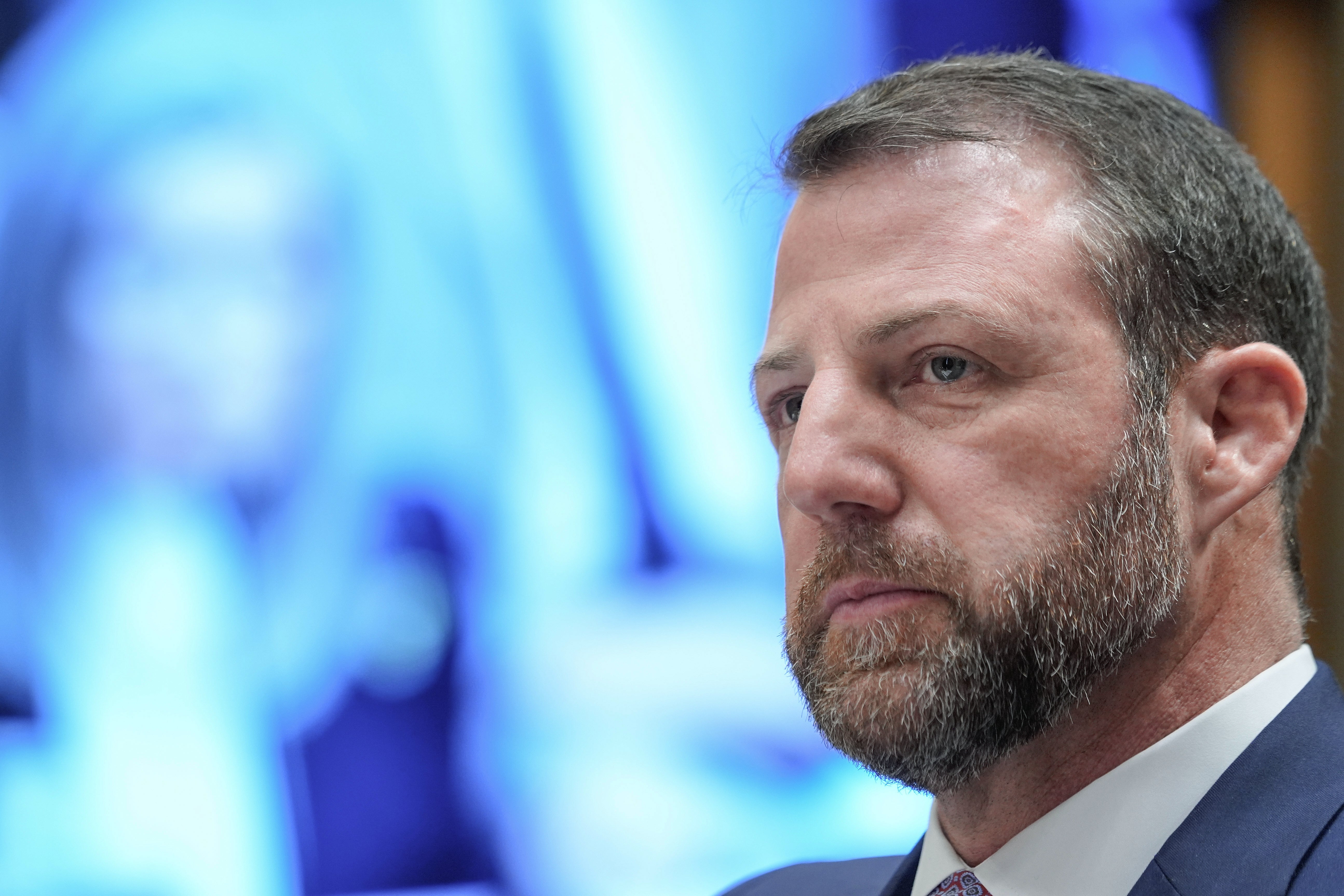
Sen. Markwayne Mullin, the administration’s choice to replace Noem, has suggested his Department of Homeland Security would be less boundary-pushing than that of his predecessor.
“My goal in six months is that we’re not in the lead story every single day. My goal is for people to understand we’re out there, we’re protecting them,” Mullin testified before the Senate on Wednesday.
The administration hasn’t stopped making arrests, though.

Immigration officers have arrested more than 1,000 people per day on average this year, according to a New York Times data review, nearly double the rate at roughly the same point last year.
Immigration advocates warn the slowdown in mass operations may only be a blip.
“In the deeper, more conservative states, what they’re doing is going in and opening up these massive detention facilities,” Rekha Sharma-Crawford, a Missouri-based attorney and second vice president at the American Immigration Lawyers Association, told The Independent earlier this week. “That’s some writing on the wall that says they are only intent on increasing the number of people that they want to detain.”