


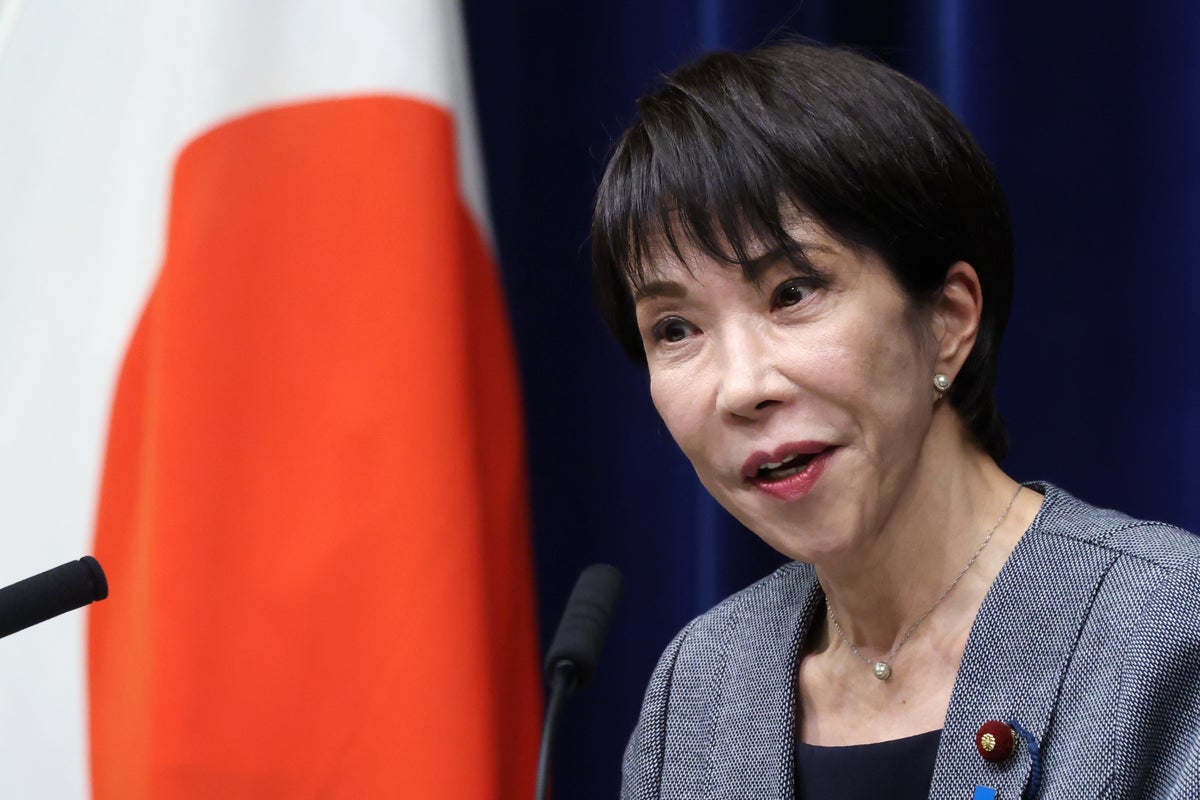
Voters across Japan braved fresh snowfall on Sunday to participate in parliamentary elections, a crucial moment for Prime Minister Sanae Takaichi, who hopes a significant victory will empower her struggling party to advance an ambitious conservative agenda.
The nationwide vote commenced amidst wintry conditions, including in Tokyo. Weeks of record snowfall in northern Japan, which has blocked roads and been linked to dozens of fatalities, raised concerns about potential disruptions to voting or delays in counting in the hardest-hit regions.
While Ms Takaichi enjoys considerable personal popularity, her ruling Liberal Democratic Party (LDP), which has dominated Japanese politics for most of the past seven decades, does not. She called these snap elections in an effort to reverse the party’s fortunes.
The Prime Minister is keen to push forward a right-wing agenda aimed at bolstering Japan’s economy and military capabilities, particularly as tensions with China escalate. She also maintains close ties with the vital US ally and an often unpredictable president Donald Trump.
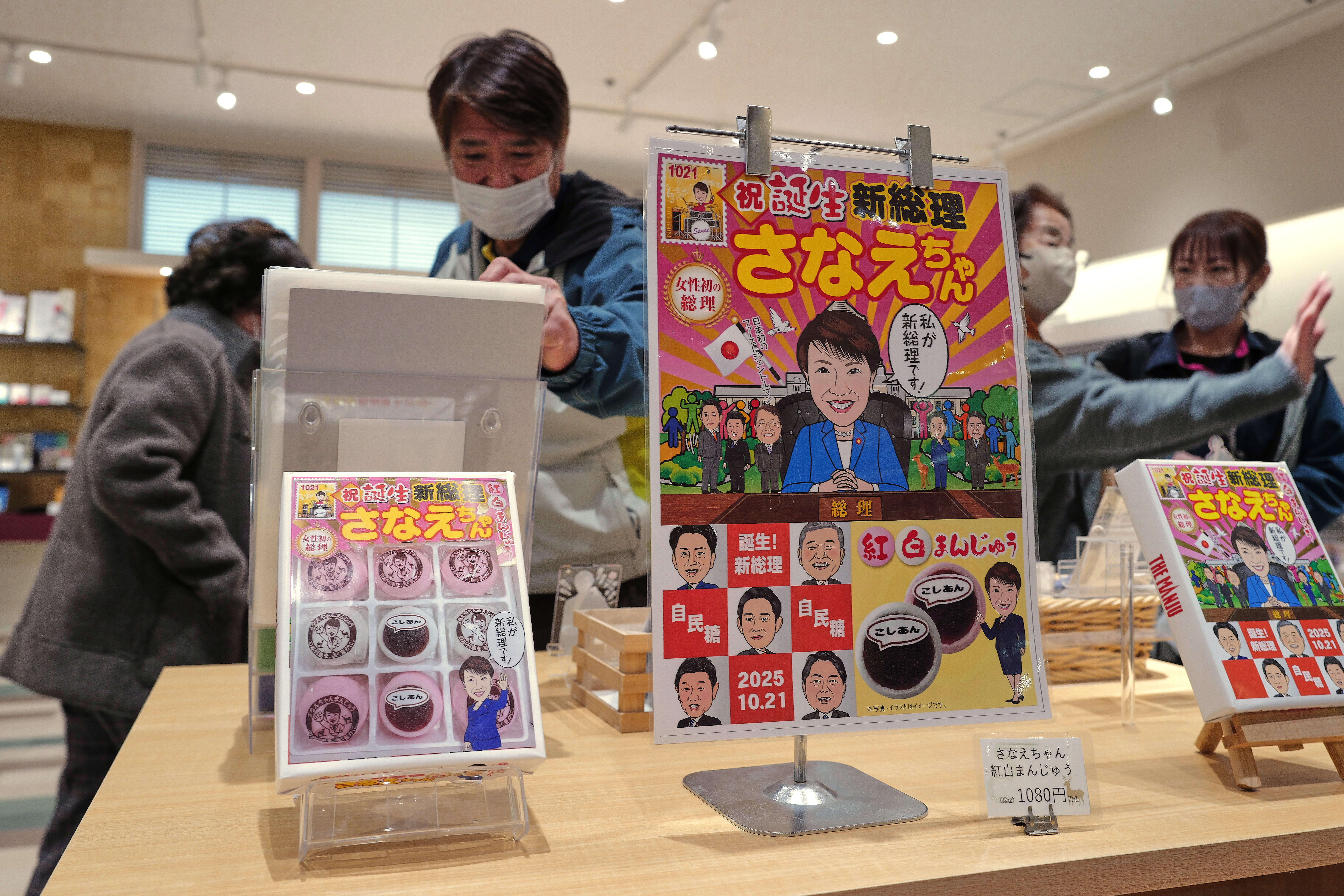
The ultraconservative Takaichi, who made history as Japan’s first female leader in October, has pledged to “work, work, work.” Her distinctive style, perceived as both playful and tough, has resonated particularly with younger supporters.
Recent surveys have indicated a potential landslide victory for the LDP in the lower house.
The opposition, despite forming a new centrist alliance and the emergence of a rising far-right, is widely considered too fragmented to pose a serious challenge.

Ms Takaichi is banking on her LDP party, in conjunction with its new partner, the Japan Innovation Party, to secure a majority in the 465-seat lower house, the more influential chamber of Japan’s bicameral parliament.
Recent polls from major Japanese newspapers suggest her party could even achieve a simple majority independently, with the coalition potentially securing as many as 300 seats – a substantial increase from the slim majority held since a 2024 election loss.
“If the LDP fails to win a majority, ‘I will step down’,” she declared.
A decisive win for Ms Takaichi’s coalition could herald a significant shift to the right in Japan’s security, immigration, and other policy areas.
Japan has recently witnessed a rise in far-right populist movements, such as the anti-globalist, surging nationalist party Sanseito.
Ms Takaichi has committed to revising security and defence policies by December to enhance Japan’s offensive military capabilities, lift a ban on weapons exports, and further distance the country from its post-war pacifist principles.
She has also advocated for tougher policies concerning foreigners and anti-espionage measures, which appeal to a far-right audience but which experts warn could undermine civil rights.
Furthermore, Ms Takaichi aims to increase defence spending, partly in response to pressure from president Trump for Japan to loosen its purse strings.

During her campaign speeches, she largely avoided contentious social issues, instead focusing on the economy, stricter immigration, and measures affecting foreigners, including more stringent requirements for foreign property owners and a cap on foreign residents.
The extent to which her popularity will translate into votes among younger voters, who are known for their low turnout, especially amidst adverse weather conditions, remains uncertain.
Kazuki Ishihara, 54, stated she voted for the LDP for stability and in anticipation of new leadership under Ms Takaichi.
“I have some hope that she could do something” her predecessors could not. Yoshinori Tamada, a 50-year-old office worker, highlighted wages as his primary concern.
“I think a lot when I look at my pay slip, and I cast my vote for a party that I believe I can trust in that regard.”