Japan was hit by a 7.7 magnitude earthquake on Monday as residents were warned to stay away from coastal areas where 10ft waves were expected.
The tremor struck at 4.53pm local time (7.53am GMT) off the northeastern coast of Japan’s Sanriku and 330 miles (530km) from the country’s capital, Tokyo, with an epicentre in the Pacific Ocean measured at a depth of around 20km.
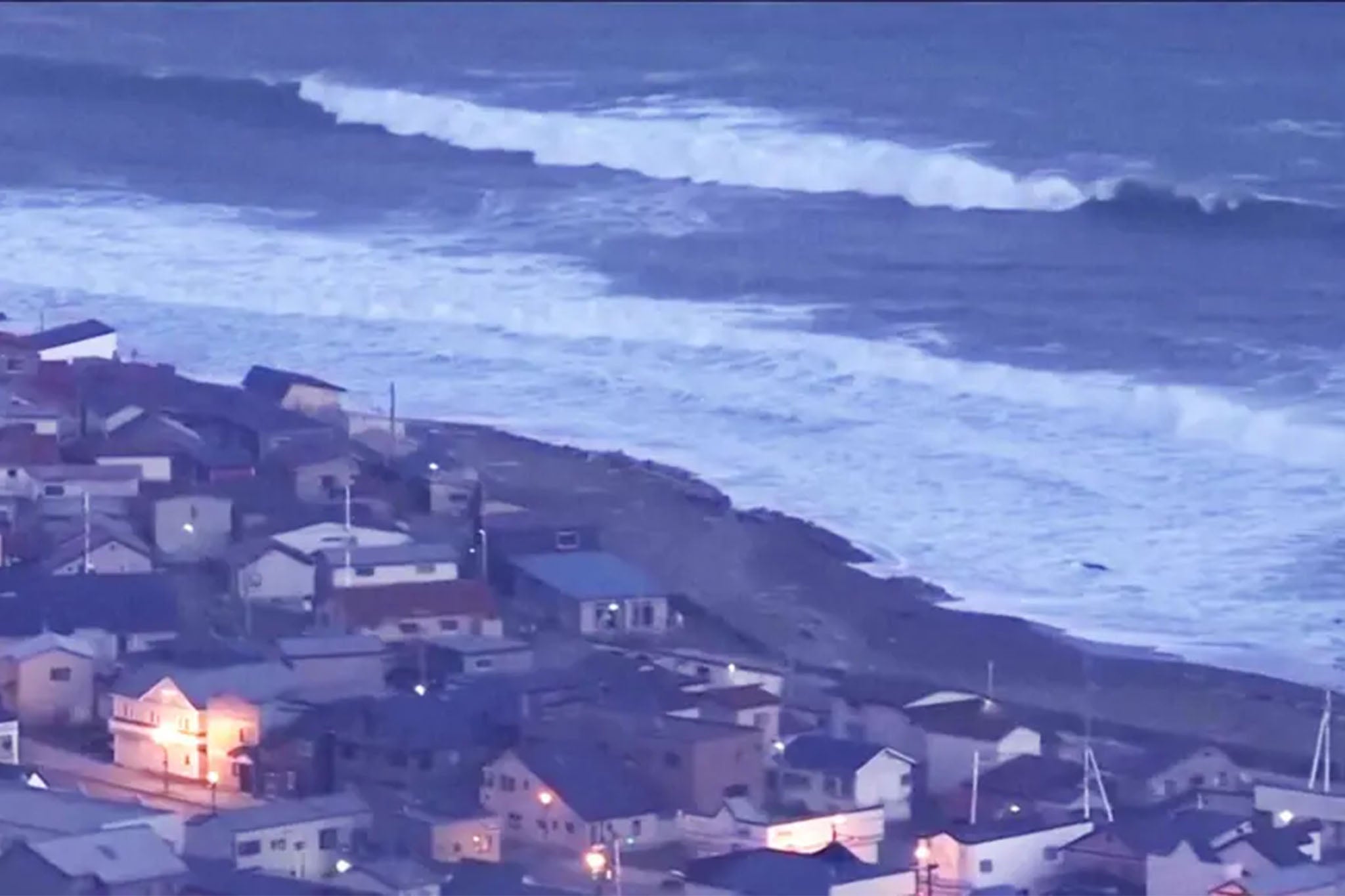
It prompted the Japanese Meteorological Agency to issue tsunami warnings, the second-highest alert capable of being issued, along swathes of the country’s coast – meaning waves of between one and three metres were originally expected.
Warnings were later downgraded to “advisories”, meaning swells of up to one metre were predicted.
No casualties or major damage were reported, but 100 homes were left without power, Japan’s government spokesperson Minoru Kihara told a news conference in Tokyo on Monday.
However, bullet train services were halted, and some motorways were closed due to the tremors, which are reported to have been felt as far away as Tokyo.
The government issued a warning of a heightened risk of a megaquake and the JMA said that the chances of a larger earthquake of magnitude 8 or higher were ten times higher than usual and “relatively higher than during normal times”.
Normal predictions measure the chances of an earthquake at around a 0.1 per cent probability, but on Monday, the chances were one per cent.
“Please take anti-disaster steps, while embracing the idea that one must protect one’s own life,” a government official urged the public.
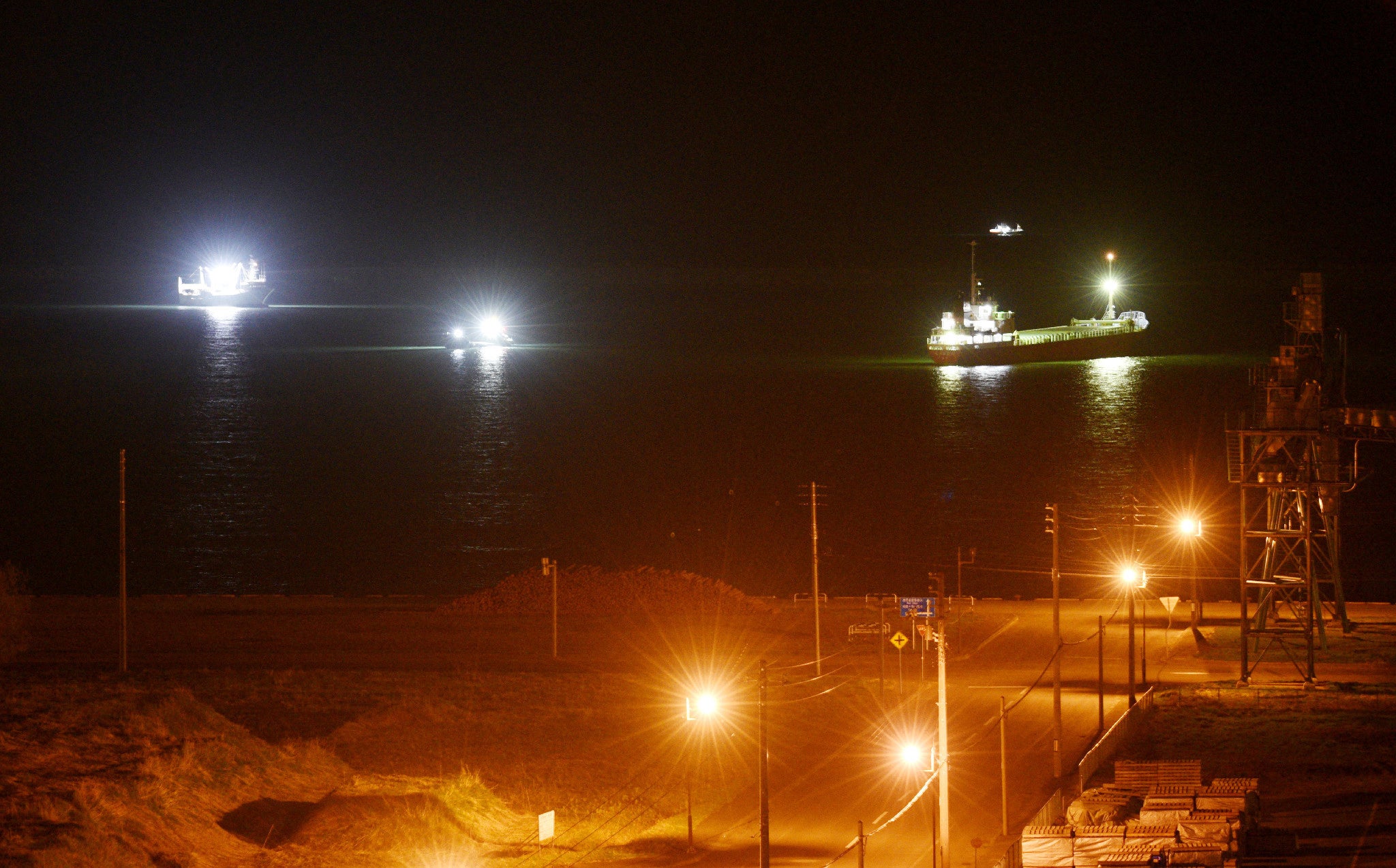
“Right now, local authorities are using loudspeakers in the neighbourhood to warn people about a possible tsunami and to stay alert,” Chaw Su Thwe, a Myanmar national residing in Hokkaido, told the BBC. “Office workers have been allowed to leave work early.”
More than 156,000 people were reported to have been evacuated across five prefectures along the country’s coastline.
Japan’s prime minister, Sanae Takaichi, said the government had set up an emergency taskforce and urged citizens in the affected areas to evacuate to safety in the aftermath of the warning.
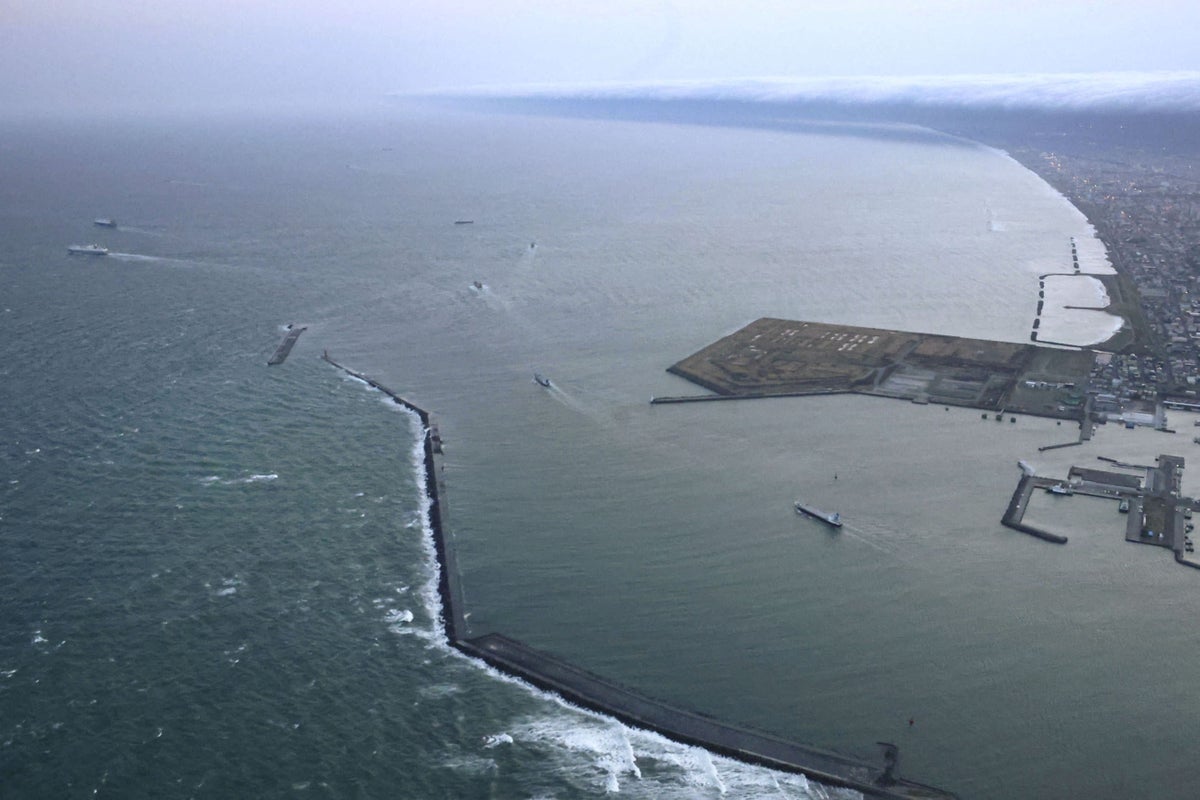
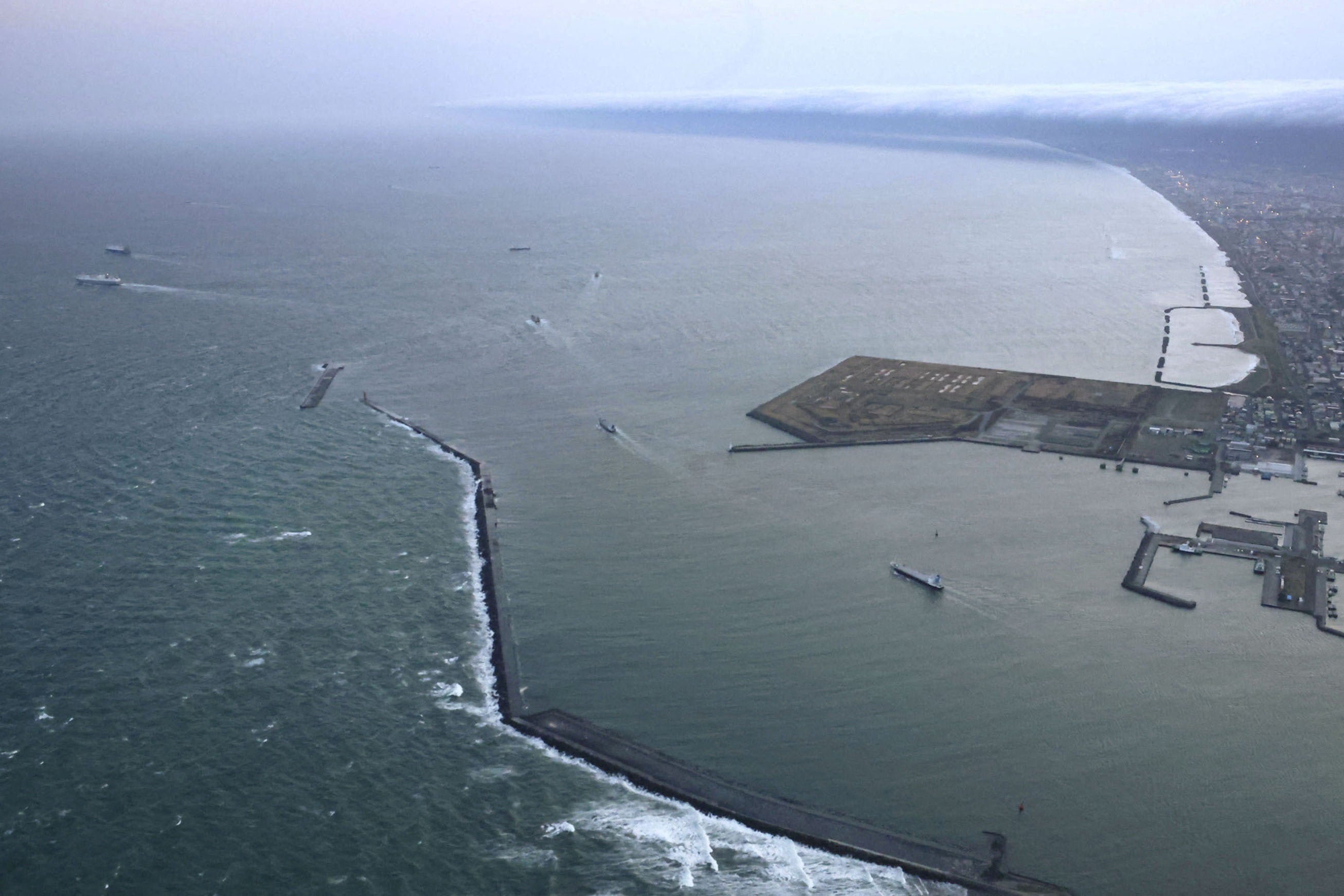
Broadcaster NHK showed ships sailing out of Hachinohe port in Hokkaido in anticipation of the waves, as an alert reading “Tsunami! Evacuate!” flashed across the screen to inform viewers.
Emergency alert app NERV advised people to stay away from the coast and to avoid large bodies of water until the advisories were no longer in place.
The incident will trigger memories of the devastating 2011 Tohoku earthquake and tsunami, which killed 18,000 people and caused a meltdown at the Fukushima nuclear plant.
The International Atomic Energy Agency (IAEA) said that no abnormalities had been observed at Japan’s nuclear facilities following the earthquake.
Japan is situated within the “Ring of Fire” of volcanoes and oceanic trenches, which partly encircle the Pacific Basin. It is one of the world’s most earthquake-prone countries, with tremors recorded at least every five minutes.
Around 20 per cent of the world’s earthquakes recorded at a magnitude of six or higher are recorded in Japan.