




I first went to the doctor about my heavy periods when I was 16. The pain was so bad that it made me throw up. For years, I was in and out of doctors’ appointments, trying to get help for the same issue. It took until 2020 – when I was 28 – for me to be diagnosed with PCOS.
PCOS (polycystic ovary syndrome) is a hormone imbalance that affects ovaries, periods and fertility in about one in 10 women in the UK. The condition is associated with pregnancy complications, a higher risk of heart disease, and a general decreased quality of life. Yet, it’s estimated by the World Health Organisation that up to 70 per cent of women who have it worldwide remain undiagnosed.
I’d never even heard of PCOS until I found out I had it. The doctor diagnosed me, handed me a prescription for the contraceptive pill and sent me on my way. I remember leaving thinking that I had this terrible, scary condition and that I’d never have a baby. I was really scared – but there was no education or support offered to me at that time.
In my experience, doctors always promise you that the contraceptive pill is going to solve everything. For me, it made matters worse. The pain I was suffering didn’t get much better and my premenstrual syndrome (PMS) symptoms started to intensify. My mood was really low – especially during my luteal phase (right after ovulation). I went back to the doctor multiple times and said it wasn’t for me. I tried so many different pills and different dosages – but I never found one that helped.
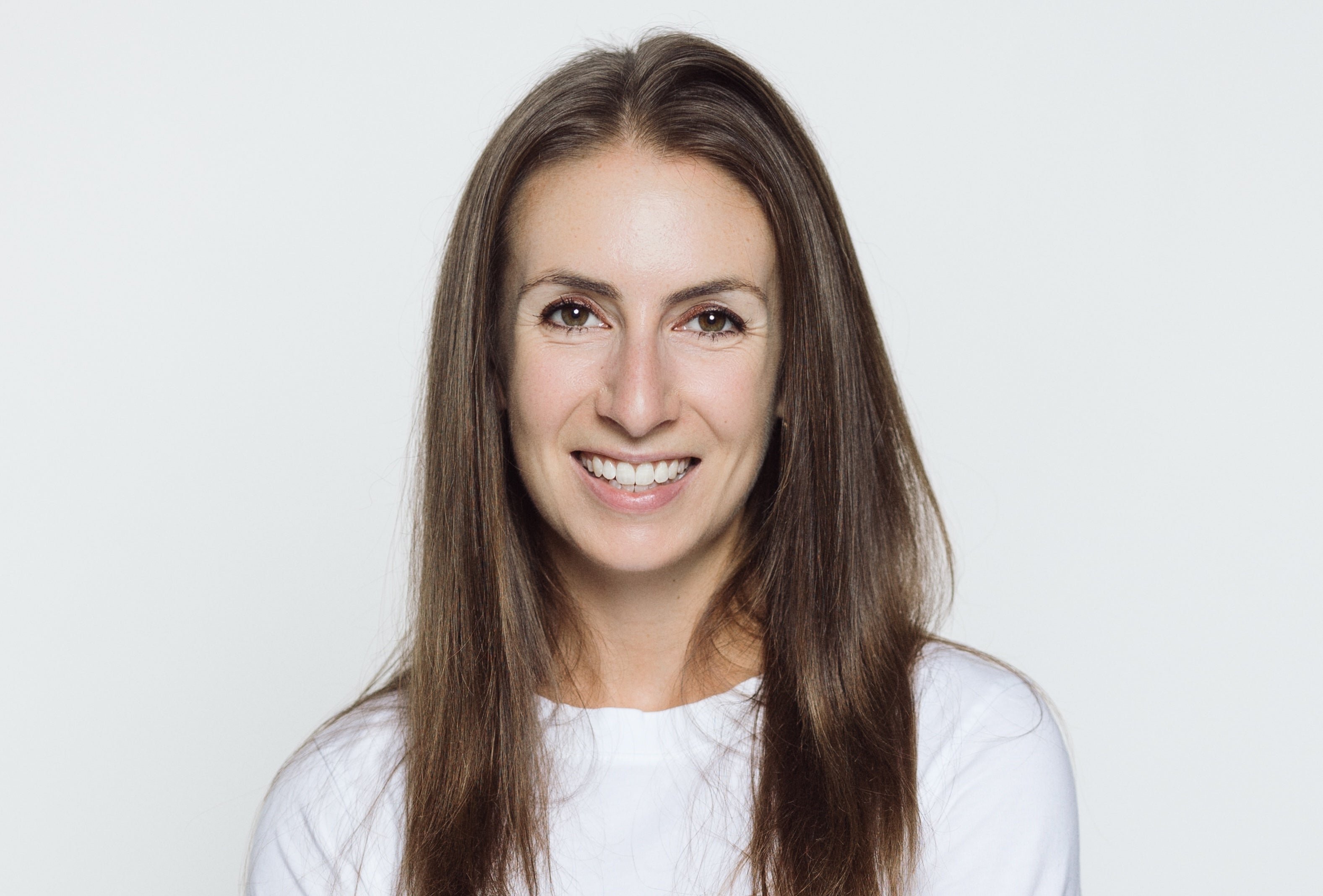
By the time of my diagnosis, I’d become a junior lawyer. I never felt like I could take days off if I was in pain because there was an expectation that you’d be in the office, working long hours. There’d be times I was in so much pain that I’d be doubled over in agony. There was nothing I could do other than take painkillers and push through. Annoyingly, if I threw up, then I’d throw up the medication, too. Some days I couldn’t eat anything. It was completely debilitating.
One of my other main symptoms was adult acne, which would flare up due to the increased levels of testosterone pumping around my system. Suddenly, there’d be spots flaring up along my jawline, chin and neck. I took antibiotics and paid loads of money to see various dermatologists but nothing made it better. I was so frustrated – and when I had a severe breakout on my wedding day a couple of years ago, after taking the pill, I decided enough was enough; I decided to stop taking the pill and concluded I needed to solve the problem myself.
I started researching in books and online. I scrolled a lot on Instagram, read Dr Hazel Wallace’s book The Female Factor and just tried to soak up as much information as I could from other women about their experience. There is no cure for PCOS, so it is all about management, and I learned that a lot of that comes down to lifestyle changes. So I started a trial-and-error journey, just to see what worked and what could make a difference.
Two years on, the main things I’ve found to help me are strength training, cutting back on gluten and dairy, eating more whole foods and fewer UPFs. The pain I feel isn’t as bad now – generally I don’t throw up. I’ve found the holistic approach makes more of a difference than taking the pill – but doctors never told me that’s potentially what I should be doing.
About six months into my research process, I started to get my symptoms under control. After years of agony, I was finally starting to feel better – and I found that tracking my symptoms was a big part of that. I wanted to share what I’d learned with other women who might be suffering for far longer than necessary, too. So, I decided to build an app called Ahlya to help women experiencing pain, bloating, exhaustion and other symptoms associated with their cycle. I spoke to friends in pain who said tracking apps like Flo were falling short. So, I invested €80,000 (£69,000) of my own savings to build something better that guides women through their symptoms so they can still live their lives.
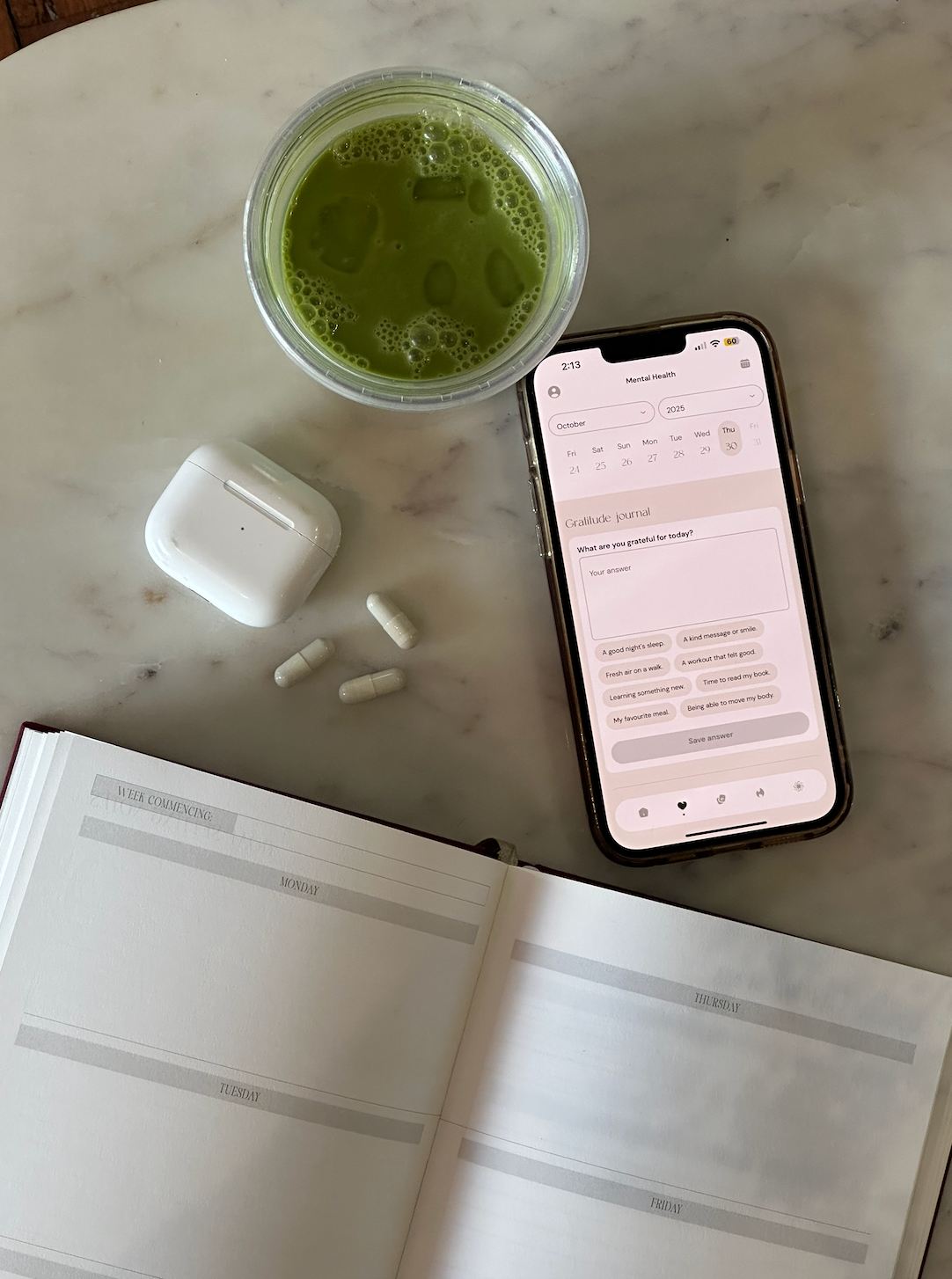
Users can track exactly how they’re feeling each day and get personalised insights to help them with, for example, low mood or low energy. It has a holistic approach to hormone health. We’ve now had around 1500 downloads across the globe. I definitely haven’t broken even yet – and I’m still working full time – but I’ve got a team of six freelancers working alongside me to keep the app growing. I’ve had amazing feedback from women who’ve just had babies, are entering into perimenopause or suffer from hormone imbalances. Even getting one text from someone we’ve helped completely lights me up because I know how it feels to be a woman who feels disadvantaged by hormonal symptoms. It was a big investment – a big risk – but every little message and review validates what I’m doing. It keeps me going.
This week, Wes Streeting launched a renewed Women’s Health Strategy, designed to prevent women like me from being gaslit by the health service. I’m relieved that it’s a topic finally being spoken about – for years, women’s health was almost taboo – but research suggests that only around 2 per cent of UK medical research funding is dedicated specifically to pregnancy, childbirth, and female reproductive health, which is still incredibly low. I’m grateful for any progress after years of being told that being in pain is part of being a woman but we’re nowhere near where we should be by now.
I want to see more education about women’s health, hormones and holistic treatments, as well as earlier diagnosis, which would unclog the health system if women didn’t have to keep going back to their GPs again and again for help. It shouldn’t take over 10 years, as it did for me, to be able to understand their pain.
We need to tackle the problem early on and give young women better support, so they don’t get to their late twenties still wondering what’s wrong.


