Three months after the Supreme Court struck down his sweeping tariff regime as unconstitutional, President Donald Trump is still fuming.
“It really pisses me off,” the 79-year-old president told Fortune in a wide-ranging interview, referring to the high court’s February ruling, which dismantled a central pillar of his economic agenda.
But the decision itself is not his primary grievance — since he has said he’ll pursue workarounds to keep his steep tariffs in place. What rankles him more is that his administration will have to return the sizable revenue already collected.
“Can you imagine…to people who hate us, to countries that ripped us off for years, I’ve got to give them back $149 billion,” he griped. Economists, however, have indicated that the bulk of the tariffs were paid for not by foreigners, but by American companies and consumers.
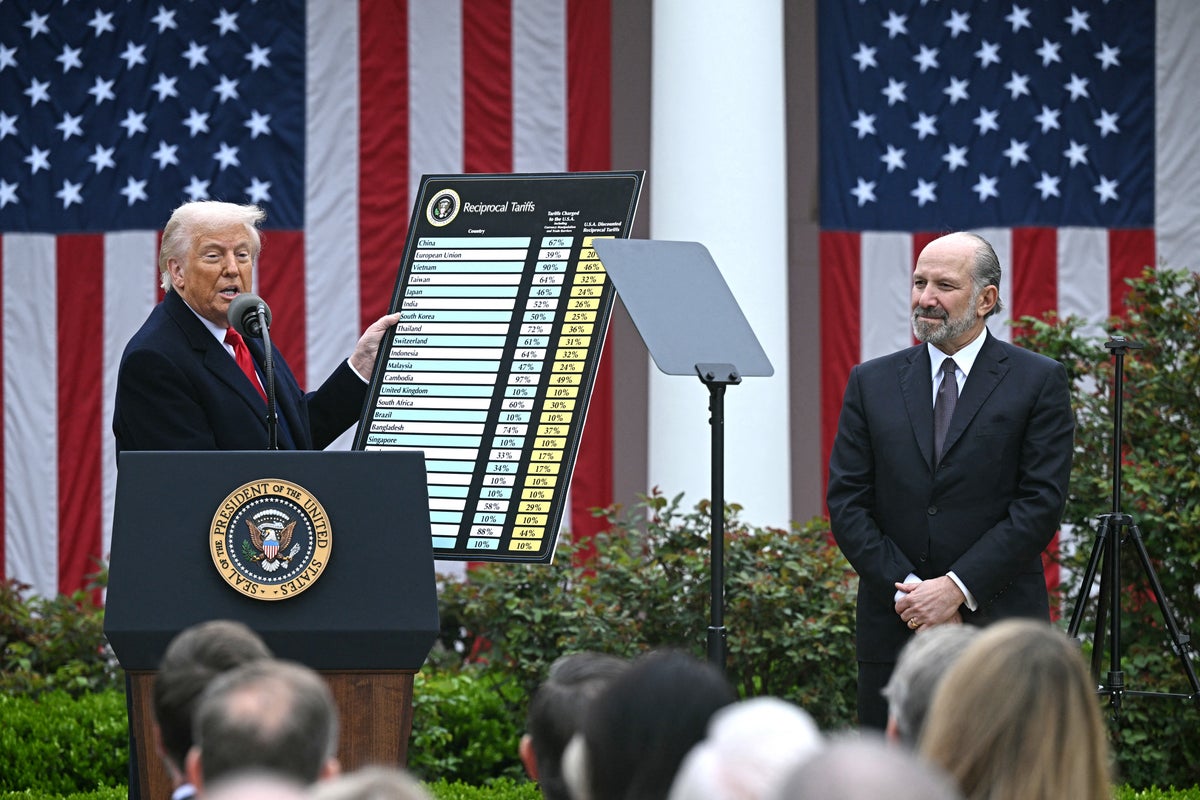
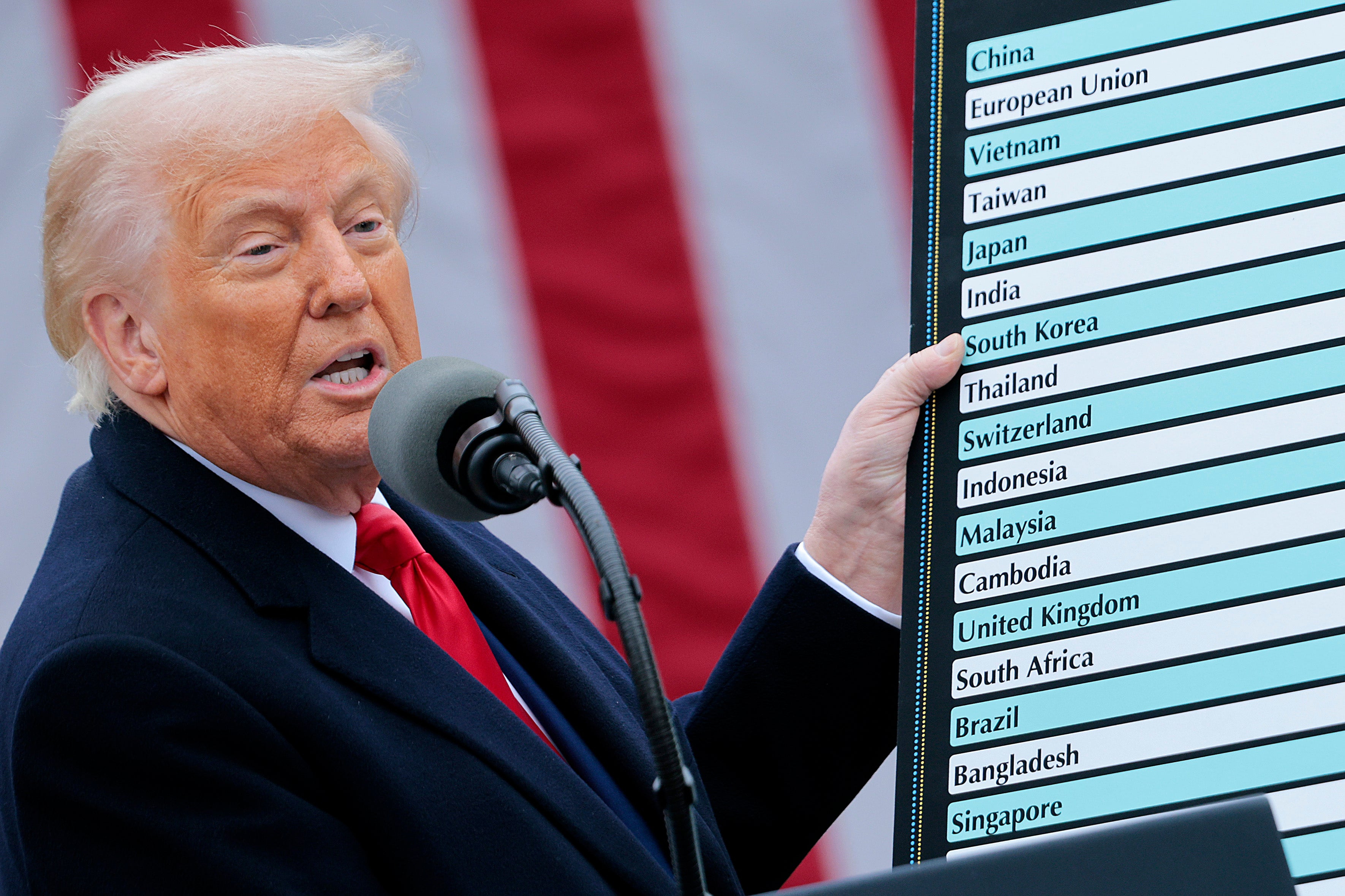
The president unveiled his “Liberation Day” levies last April, imposing a 10 percent baseline tariff on most countries and higher rates on dozens more. He later paused, revised, or rolled back several of those duties, including on coffee, beef and fruit.

Trump — who once described tariffs as “the most beautiful word” — has long argued the levies are necessary to counter what he claims are hostile and unfair trade practices abroad.
His administration has also highlighted the revenue they generate. In the last fiscal year alone, tariffs raked in $195 billion, a figure Treasury Secretary Scott Bessent has pointed to as a step toward reducing the ballooning federal deficit.
But economists say the burden has largely fallen on Americans.
A January report from the Kiel Institute for the World Economy found U.S. consumers paid for “nearly all” of the tariffs. Similarly, a February analysis from the Tax Foundation estimated the levies will cost the average household about $1,300 this year. At the same time, recent research from the Federal Reserve Chairman Jerome Powell has indicated that Trump’s tariffs have helped keep inflation elevated.
Public opinion has reflected this strain. A February Pew Research Center survey found 60 percent of Americans disapprove of the administration’s expanded tariffs.

The legal fight over the policy came to a head on February 20, when the conservative-majority Supreme Court ruled the global tariffs were unlawfully imposed under the 1977 International Emergency Economic Powers Act.
“The president asserts the extraordinary power to unilaterally impose tariffs of unlimited amount, duration, and scope,” Chief Justice John Roberts wrote in a 6-3 decision. “In light of the breadth, history, and constitutional context of that asserted authority, he must identify clear congressional authorization to exercise it.”
Trump quickly lashed out at the decision, criticizing the justices who ruled against him — including Neil Gorsuch and Amy Coney Barrett, both of whom he appointed. He said they were “incorrect” and that he was “absolutely ashamed.”
The court did not provide detailed guidance on how refunds should be handled. Earlier this month, however, the administration said in a filing that it is in the process of “issuing more than $35.5 billion to importers who successfully filed for tariff refunds.”
Those payments will go only to companies that directly paid the tariffs, meaning consumers are unlikely to see any relief, according to The New York Times.
Despite the ruling, the administration has leaned on alternative legal pathways to reimpose tariffs. In February, Trump announced that he was invoking statutory authorities — Section 122 of the 1974 Trade Act — to impose a 10 percent levy on all imports going forward.


EmilienItim_0667.jpg?trim=0,0,0,0&width=1200&height=800&crop=1200:800 "Ezra Collective ‘wouldn’t exist’ without festivals like Montreux, band say – UK Times")