

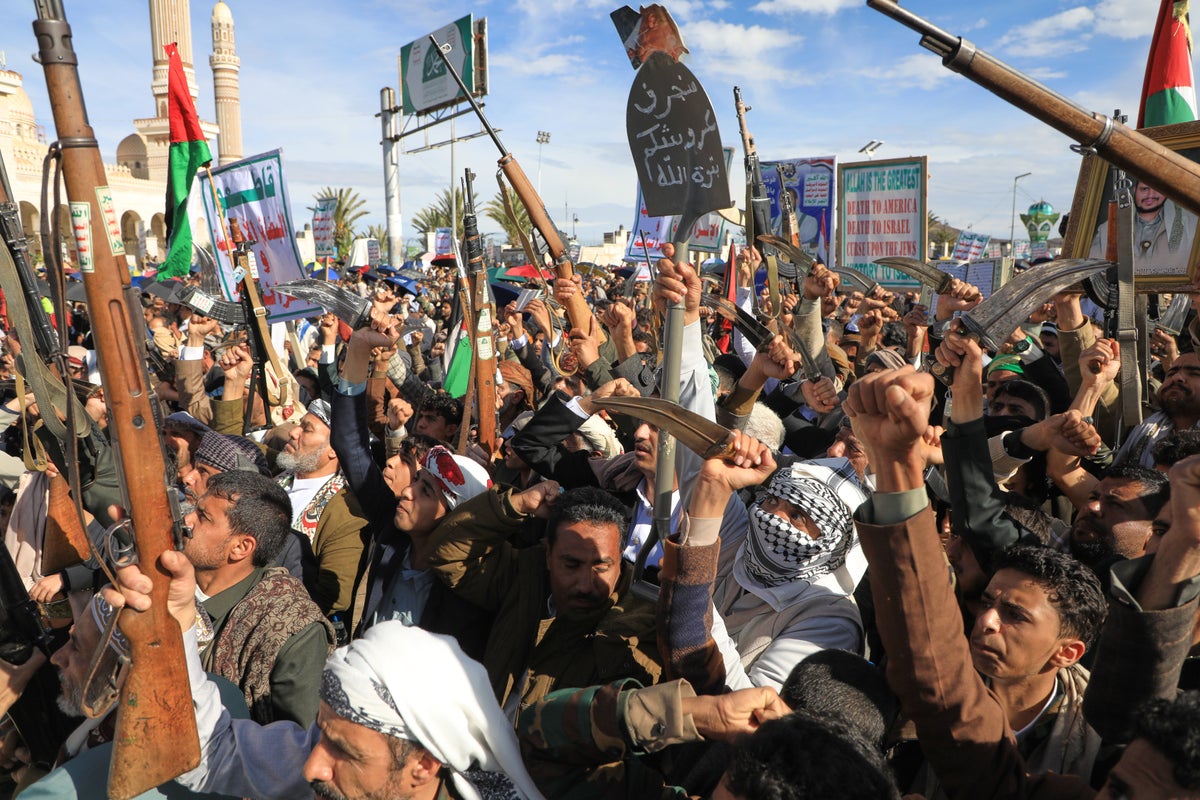
Yemeni rebel group, the Houthis, have launched missile attacks on Israel for the first time since the war began as thousands of US sailors and marines arrived in the Middle East on Saturday.
Their involvement risks broadening a conflict that has entered its fifth week, with the Houthis warning their operations will continue until the “aggression” by the US and Israel ends on all fronts. Israel confirmed it had intercepted a missile from Yemen.
The Houthis have previously demonstrated an ability to disrupt shipping lanes around the Arabian Peninsula and the Red Sea, as they did during Israel’s war in Gaza in 2024.
Their involvement comes as the world faces what has been described as the worst oil market crisis in history, with trade through the Strait of Hormuz at a standstill under Iranian control.

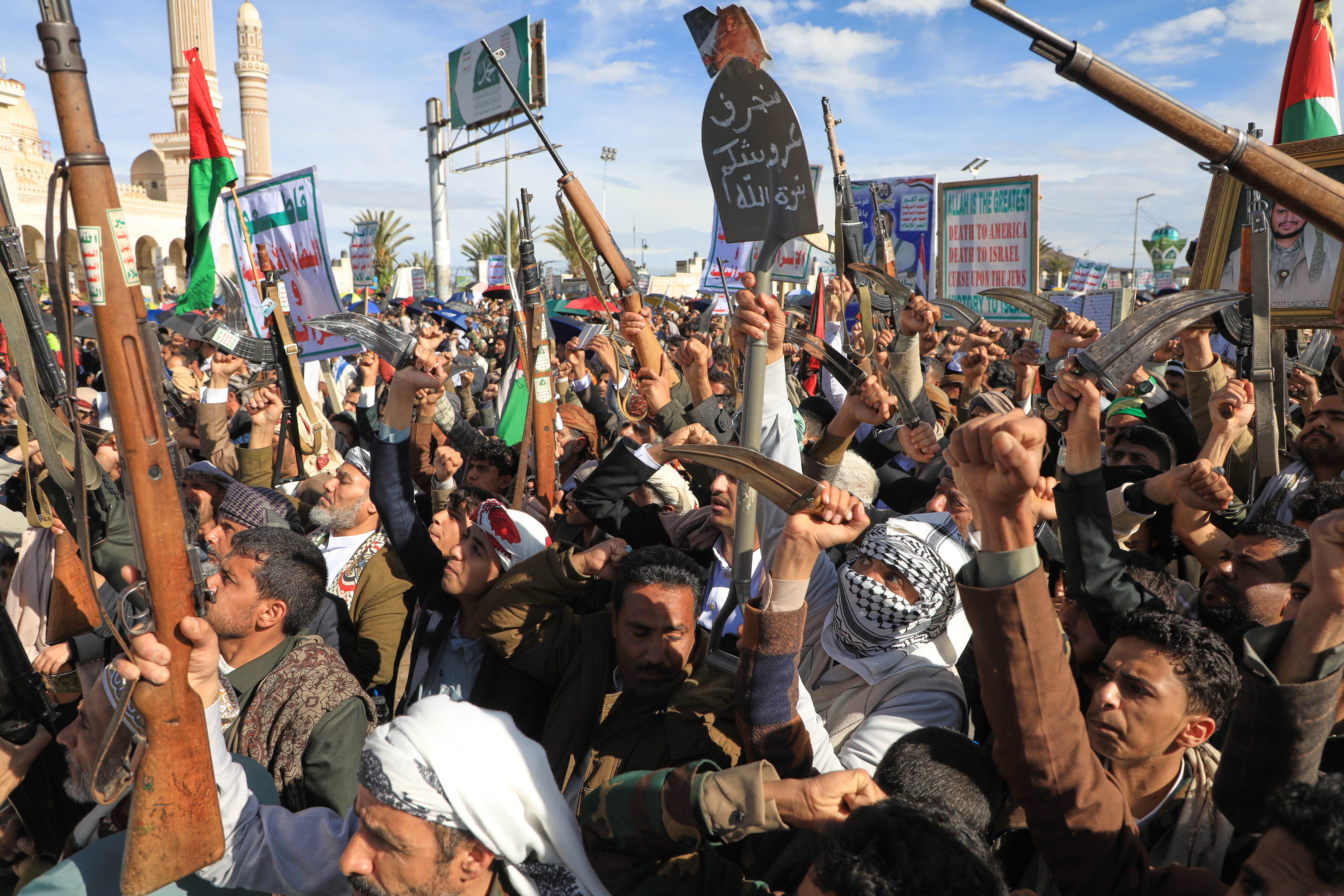
Thousands of naval troops arrived in the Middle East on Saturday as regional tensions accelerate.
According to US Central Command, the USS Tripoli arrived carrying around 3,500 American sailors and marines, along with transport and strike fighter aircraft, as well as a range of amphibious and tactical capabilities.
US Central Command said troops have arrived in its designated “area of responsibility” – a vast region spanning about four million square miles from South Asia through the Middle East to North Africa. Its precise location was not revealed.
They join thousands of marines deployed to the Middle East already after the outbreak of war on 28 February, in addition to the 50,000 troops stationed there.

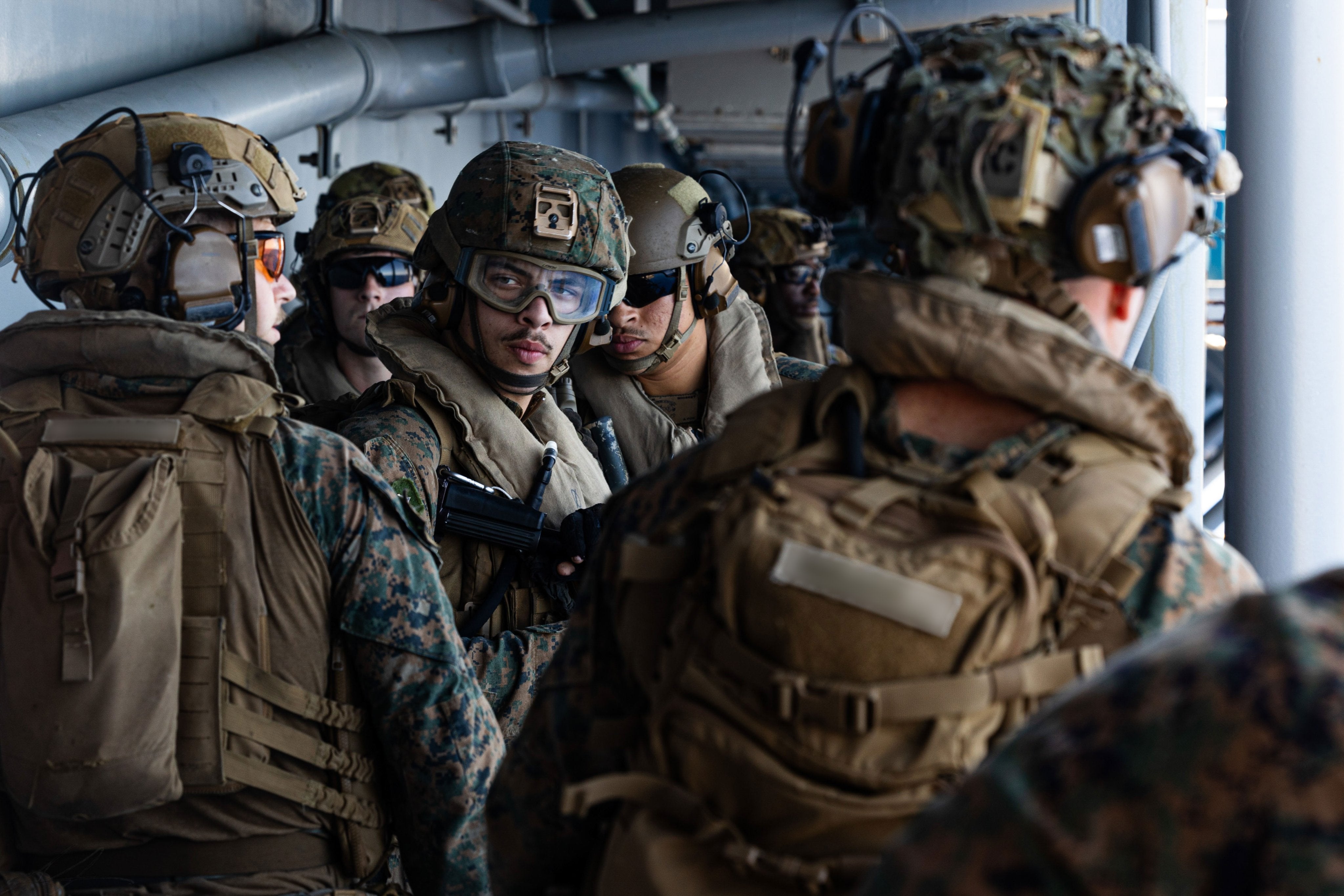
Last week, reports also indicated the Pentagon plans to dispatch at least 1,000 soldiers from the 82nd Airborne Division. Thousands of elite airborne soldiers are also expected to be deployed, according to Reuters news agency.
Earlier this week, the Wall Street Journal suggested that President Donald Trump is plotting to send 10,000 troops to the region in an attempt to defeat Iran, citing sources familiar with the matter.
Secretary of state Marco Rubio insisted on Friday that the US would achieve its goals without putting boots on the ground.
The Israeli military also appeared to indicate that some of its operations could be drawing to a close, assessing that it would finish targeting all of Iran’s key military sites by the end of the week, according to reports.
Overnight Israel is reported to have hit two nuclear program sites including a heavy water facility linked to plutonium production and a uranium processing site.

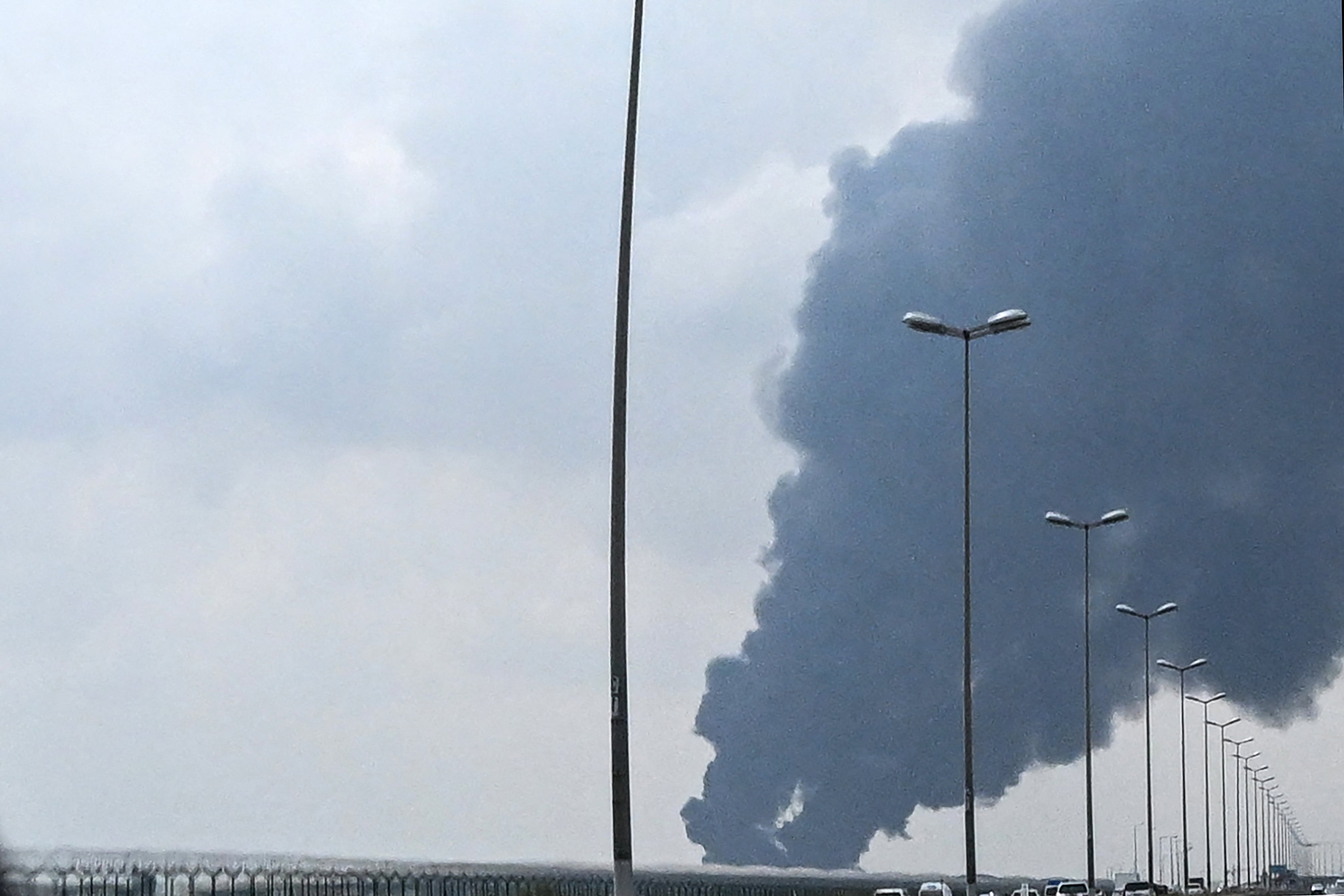
Iran’s president, Masoud Pezeshkian, warned that Tehran would continue fighting and vowed a “decisive and crushing response” to attacks on its infrastructure or economic centres.
“We have said many times that Iran doesn’t carry out pre-emptive attacks, but we will retaliate strongly if our infrastructure or economic centers are targeted,” he wrote on X on Saturday.
“To the countries of the region: If you want development and security, don’t let our enemies run the war from your lands.”
Pakistan, who has been involved in mediation between Iran and the US after Gulf countries found themselves embroiled in defence efforts, said that Iran demanded trust in order for talks to progress, according to Prime minister Shehbaz Sharif’s office.

Countries across the Gulf have continued to intercept attacks launched from Iran, including Qatar, Kuwait, the United Arab Emirates and Saudi Arabia.
Kuwait International Airport reported “significant damage” to its radar system after being targeted by 15 drones, according to the country’s defence ministry but no casualties were reported. Five people were injured after a ballistic missile was intercepted in Abu Dhabi, the capital of the UAE.
Three Lebanese journalists were killed in Israeli strikes on a media car, according to the Hezbollah’s Al Manar news outlet.
Prominent broadcaster Ali Shoeib, of the Al-Manar television station, Fatima Ftouni and her brother and cameraman Mohammed Ftouni from the al-Mayadeen outlet, were killed in the strike targeting their car, according to reports. The Israeli military is yet to comment.