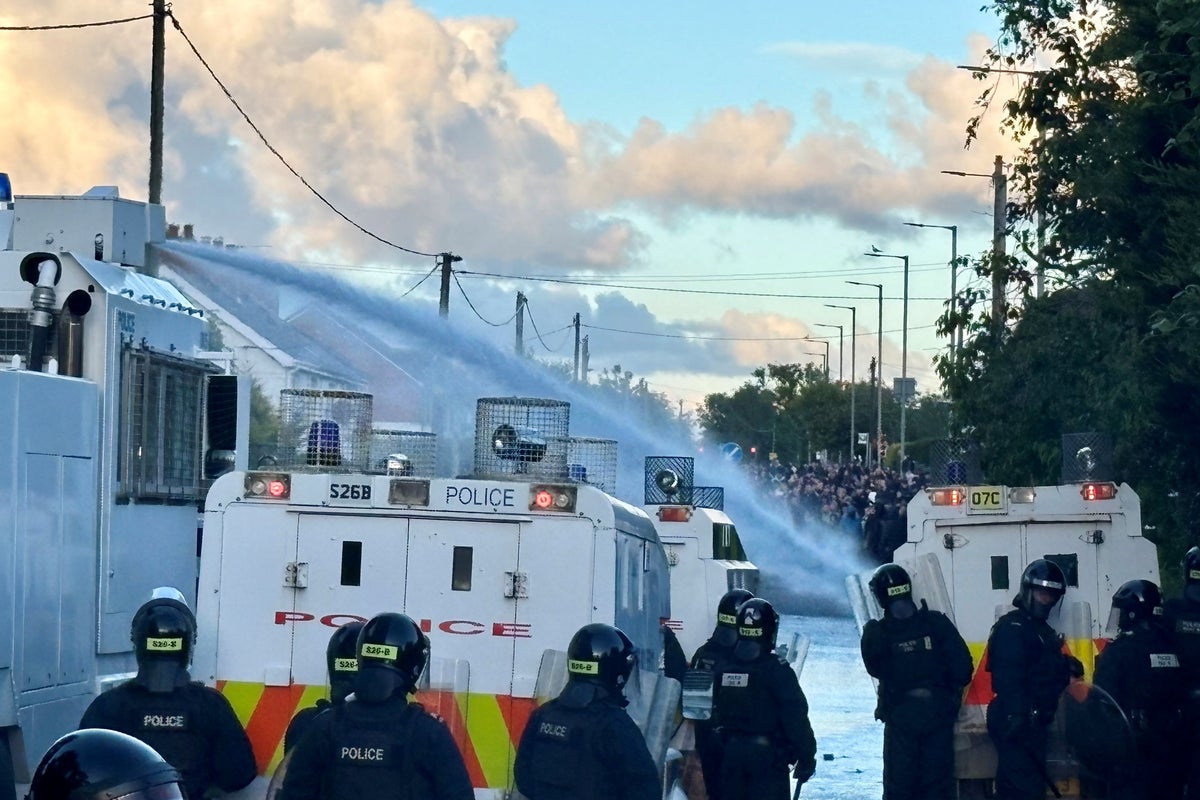
Amnesty International has accused Israel of orchestrating a campaign of “ethnic cleansing” against Palestinians in the occupied West Bank, with the ultimate aim of annexing the territory.
The rights organisation detailed its allegations in a new 149-page report, asserting that the forced displacement of West Bank Palestinians was the result of deliberate state policy rather than merely the actions of individual settlers. While settler activity is a significant driver of displacement, the report contends that such processes cannot occur without government backing.
The international community regards Israeli settlements as illegal. Israel, however, views the West Bank as disputed territory, maintaining that its final status is subject to negotiation.
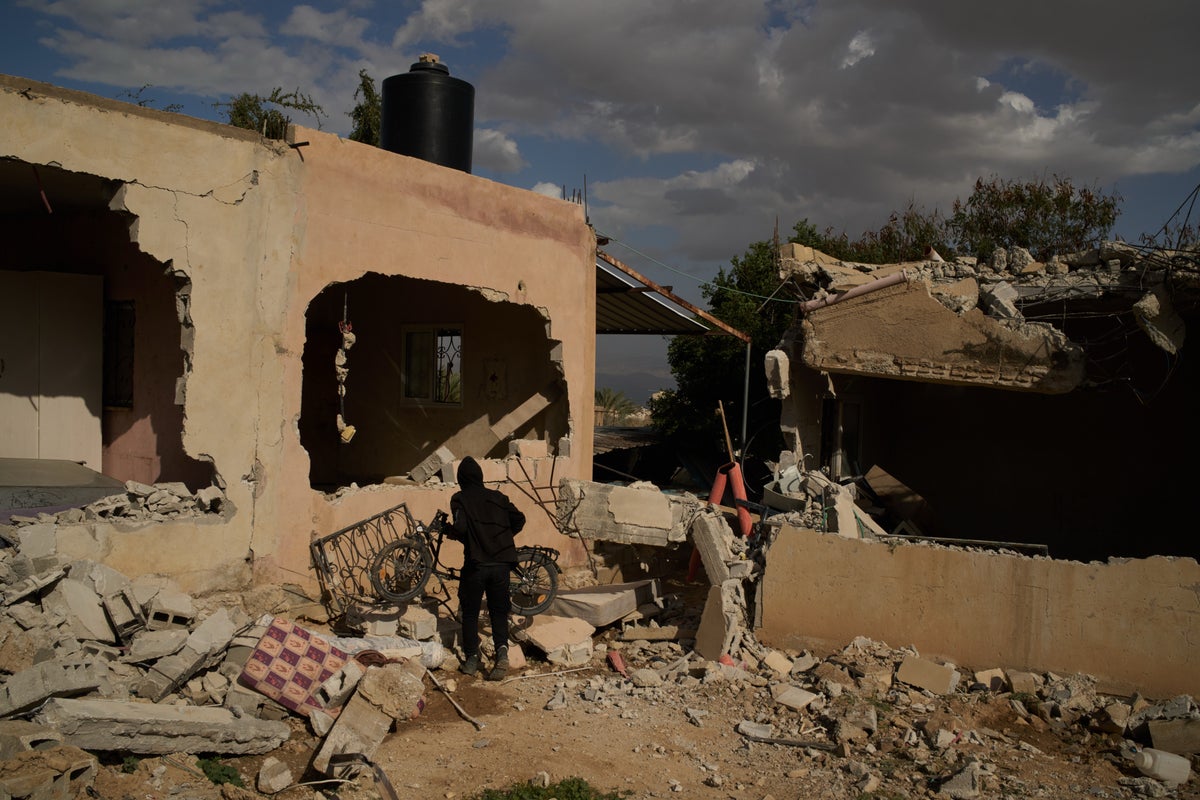
UN data indicates that more than 100 West Bank villages were fully or partially emptied between January 2023 and April 2026. Concurrently, the UN documents over 7,280 instances of individual Palestinian displacement in the same period due to the demolition of homes and structures by Israeli forces, including people displaced multiple times.
Israel has previously dismissed allegations of “ethnic cleansing”, a term referring to the forced expulsion of a population through violence, as stemming from unfair bias.
It did not immediately respond to the latest report by Amnesty.
“These abuses are not the result of a few ‘bad apples,’” Amnesty’s head, Agnès Callamard, asserted. “Settler violence is a core component of a state-sanctioned campaign of ethnic cleansing. What we’re witnessing is deliberate, state-led annexation, in complete violation of international law unfolding before the eyes of the entire world.”
While Israeli leaders sometimes condemn particularly severe acts of violence by Jewish settlers, they often characterise them as isolated incidents.
Prime minister Benjamin Netanyahu’s government includes prominent settler leaders and supporters, with key cabinet ministers openly advocating for the formal annexation of Palestinian territory.
Palestinians and human rights groups have heavily criticised the acceleration of settlement expansion, arguing it is designed to prevent the establishment of a future Palestinian state. More than 700,000 Israelis have come to live in the West Bank and East Jerusalem, areas captured by Israel in 1967 and claimed by Palestinians for their future state.
Amnesty’s report identifies dozens of bills in Israel’s parliament, the Knesset, aimed at extending its civil law and jurisdiction over settlement blocs as well as over courts that try Palestinians.
Recently, the parliament approved a measure making the death penalty the default punishment for West Bank Palestinians convicted of killing Israelis.
Last year, Donald Trump said he would not permit Israel to annex the West Bank. The US-brokered ceasefire between Israel and Hamas which sought to halt the Israeli war in Gaza also acknowledged Palestinian aspirations for statehood.
Amnesty highlights that the large-scale displacement of Palestinian Bedouin communities is driven by settler violence, the advancement of new settlements, and the Israeli takeover of tracts of unregistered land. Rights groups had raised concerns about this form of displacement prior to 2023, but reported a dramatic intensification following the 7 October attack by Hamas on Israel that year, which triggered the deadly conflict in Gaza.
Bedouin herding communities in remote areas of the West Bank are seen as most vulnerable to displacement. Unlike Palestinians in urban centres, the villagers are less equipped to withstand pressure from armed settlers establishing new outposts around their communities.
The anti-settlement monitoring group Peace Now found that 212 of at least 363 existing settler outposts in the West Bank were established after 2023.
These outposts are built without official permission from Israeli authorities, who sometimes dismantle them but frequently turn a blind eye or even legalise them retroactively.
Amnesty’s research for the report focused on 27 hamlets and villages in the West Bank where Palestinians were displaced between 2023 and 2025.
Researchers interviewed dozens of Palestinians and lawyers, spoke with witnesses of settler violence, analysed over 420 videos, and reviewed government statements and other reports.
The group also criticised the international community for its failure to act to halt the displacement. Dror Etkes, head of the settlement watchdog group Kerem Navot, noted that since October 2023, settlers had seized about 12.5 per cent of West Bank territory, rendering it inaccessible or unsafe for Palestinians.