





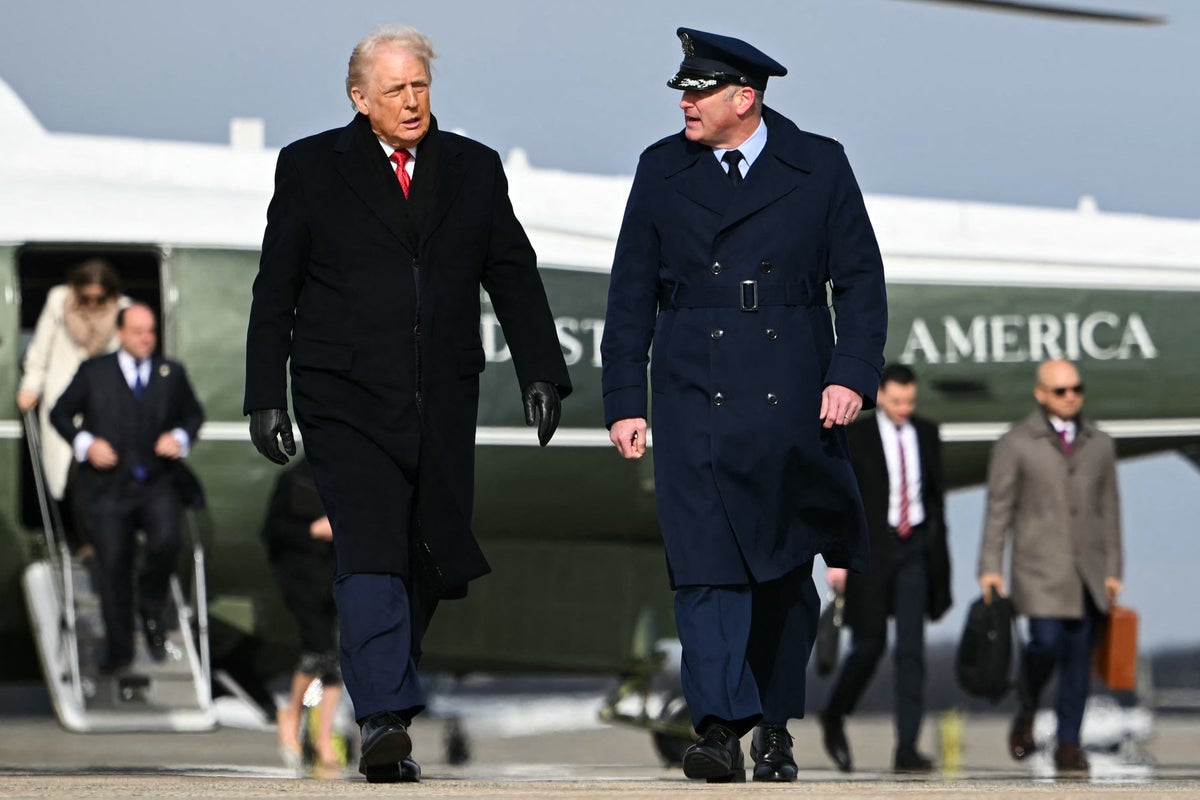
Donald Trump may now be his party’s biggest obstacle to holding control of the Senate as the Republican president repeatedly undermines members of the caucus while his foreign policy has rankled members and encouraged divisions.
Republicans hold a 53-47 majority in the upper chamber of Congress following the 2024 election collapse of the Democratic Party. For much of 2025, it looked likely that it would take multiple election cycles for Democrats to regain the majority, if not longer.
But with January halfway over, the prospects of Republicans holding on to that majority even through November look a lot dimmer. The reason why, though almost none of the party’s members in the chamber will say it out loud: Donald Trump.
Democrats need to win four seats to take back the chamber. Trump’s interference in several of those key races can’t be ignored, and in every case has made it harder, not easier, for Republican incumbents to hold on to their seats. Politico reported last week that Trump was flatly refusing to back three Senate Republicans, John Cornyn of Texas, Bill Cassidy of Louisiana and Susan Collins of Maine, in their respective races this year.
His latest insertion into the fray over the weekend took things a step further. On Saturday, the president posted on Truth Social that he would back the candidacy of Julia Letlow, a Louisiana state representative, were she to mount a GOP primary challenge against Cassidy. The senator has been hard-pressed working to fend off primary challengers for months now — Saturday’s post from Trump will likely supercharge the dynamic against him. Politico reports that Letlow is now preparing a bid for the seat.

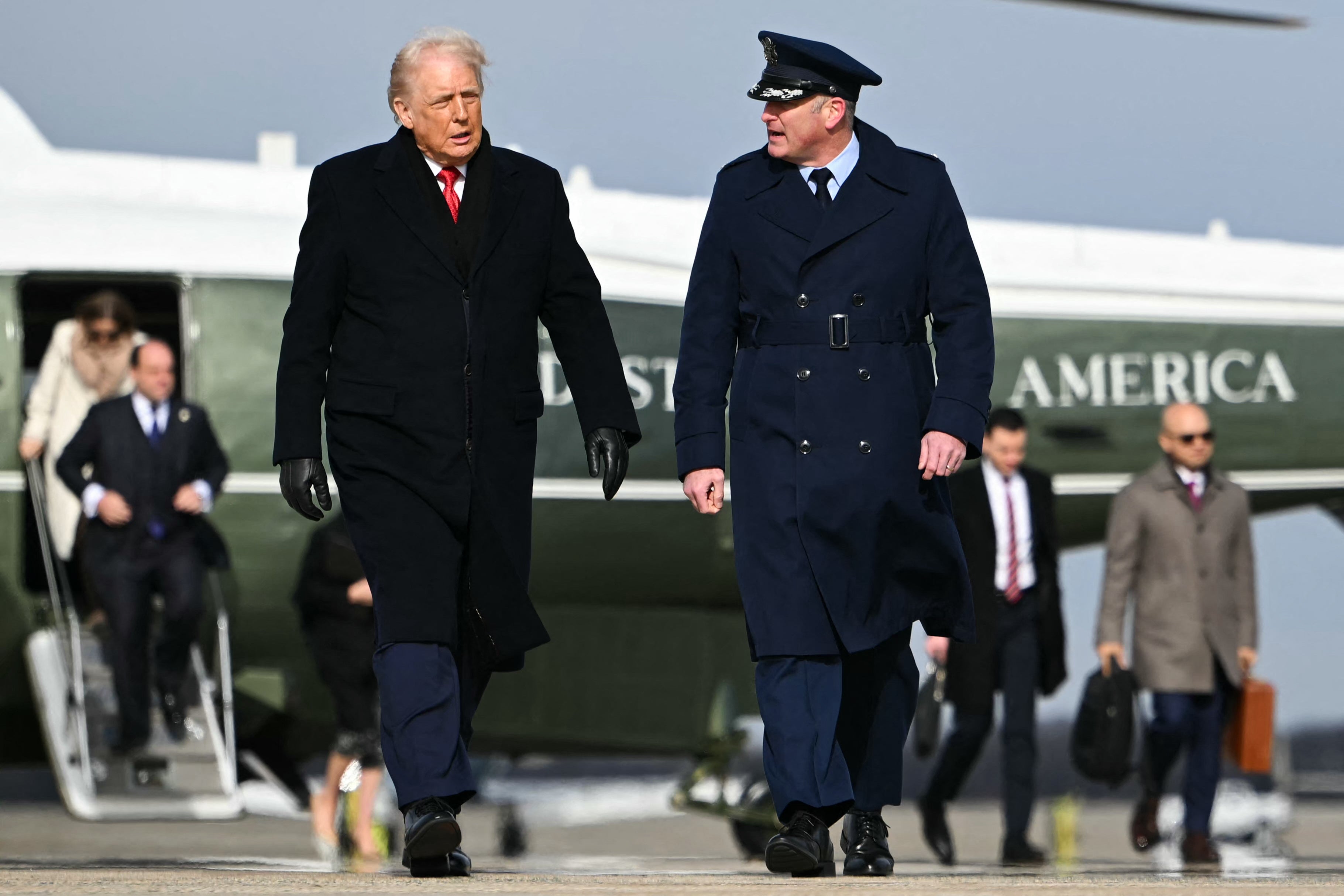
For Cassidy, things are still tenable. He retains a sizable campaign war chest and has raised $17 million so far in the 2025-2026 cycle, Politico reported earlier this month. He also holds a seat in a deep red state, allowing him to largely write off victory in November if he survives the primary.
But for Senate Majority Leader John Thune, things aren’t so great. Thune is actively working to protect Cassidy and will now likely be forced to continue headlining fundraisers and spending resources to protect the senator, as he’s been doing for months.
For the Senate GOP leader, the motivation is twofold: Protect the seat, and protect a reliable ally of leadership.
This risks a blow-up with Trump but also just as importantly saps his time and resources as his focus could be spent on other races, such as North Carolina, where Gov. Roy Cooper looks to be dominant in the race against Michael Whatley, former chair of the Republican National Committee.

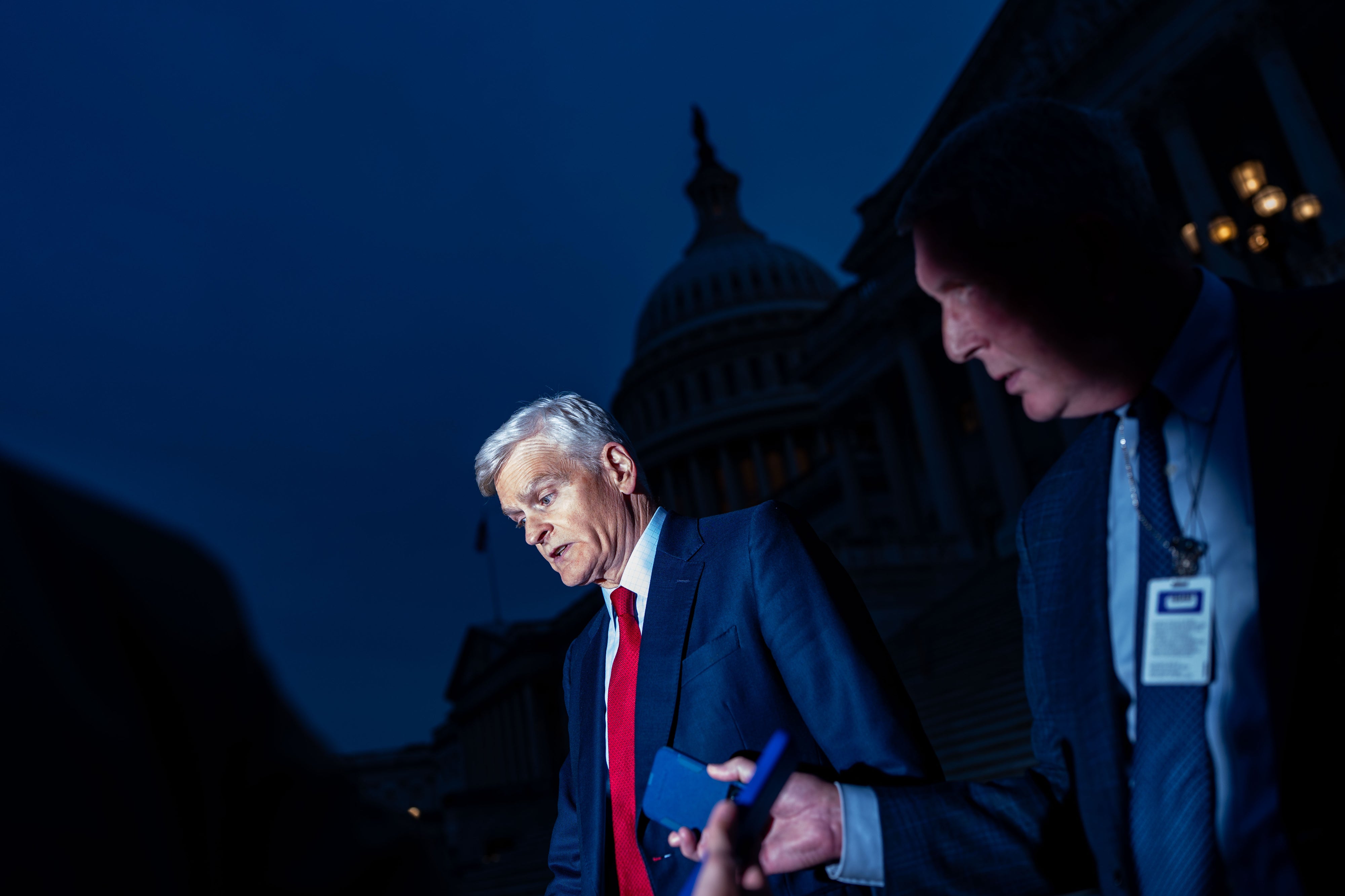
Trump’s move to endorse Letlow raises another question: Will he endorse Texas’ Ken Paxton? The MAGA loyalist and scandal-prone state Attorney General of Texas is running against Cornyn in the Senate primary, and is viewed by Democrats like Rep. Jasmine Crockett and James Talarico as their best shot to take the seat in an upset in November, should the senator lose his primary.
Like Cassidy, Thune is working the fundraisers and traveling to Texas to help protect a seat that could have been a slam dunk retention for the GOP this year.
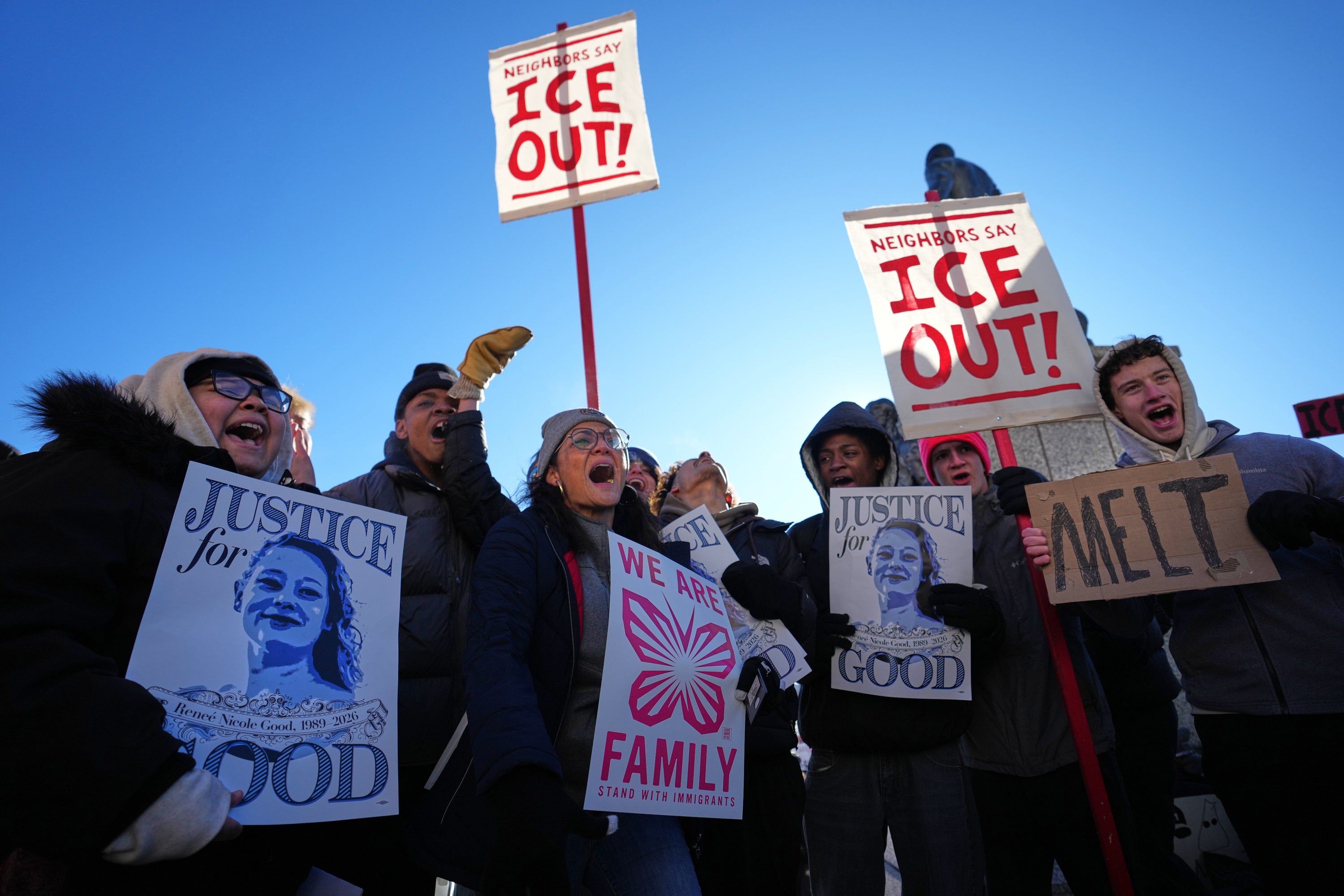
In Maine, the story is slightly different. Susan Collins is no ally of Trump, and association with the president doesn’t help her. But the Trump administration still isn’t helping things for the sake of keeping Thune happy: Local news reports indicate that state residents are bracing for an onslaught of ICE agents, provoking protests in cities such as Portland and causing Collins to grumble to a HuffPost reporter: “To me, I don’t see the rationale for a large number of ICE agents to come in.”
A surge of ICE activity in Maine could both drive up negative sentiment among Democrats and independents. Collins, who nurtures a reputation as an independent, draws votes from both camps. Anger over enforcement activities could also boost the profile of Gov. Janet Mills, who is running in the Democratic primary and may be Collins’s opponent in the fall. Graham Platner, Mills’s opponent, is also campaigning on news reports of the expected surge.

In Washington, Republicans in the Senate have little in terms of recent progress to show voters. Talks over extending subsidies for Obamacare health plans seem to have collapsed under continued White House opposition, and the president’s provocations with Greenland have left Republicans uneasy after a War Powers vote on Venezuela caused one of the starkest divisions in the caucus to date.
Even as House Republicans openly complain about Speaker Mike Johnson and the chamber’s subservience to the White House, it may be Thune who has the hardest job in D.C. right now.
For the Senate leader, it’s up to him to protect a majority that his most important ally, drowning in unpopularity and refusing to cut his allies a break, seemingly has no interest in helping defend.

