

UK inflation rose in March, latest figures released on Wednesday have revealed, in a clear sign of the impact of the economy from the Iran-US war.
The latest data is the first from the Office for National Statistics to include elevated petrol and diesel costs since the start of the conflict. Prices have gone up as result of the closure of the Strait of Hormuz shipping corridor.
The ONS figures showed Consumer Prices Index inflation rose 3.3 per cent in the year to March, up from 3 per cent in February.
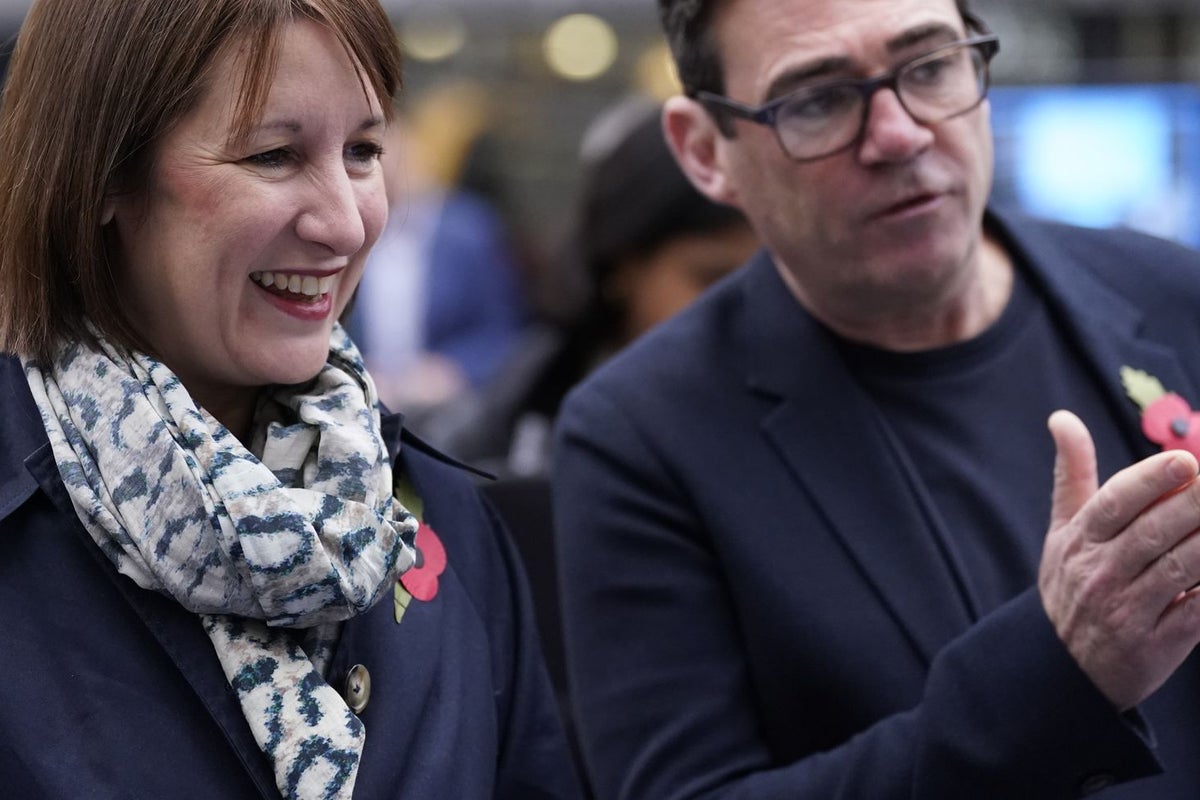
The increase marks a blow for Chancellor Rachel Reeves, who made cutting the cost of living her number one priority. Research by the Resolution Foundation has found the average household will be £480 worse off this year due to increased energy costs.
In response, Ms Reeves said the Iran crisis was “not our war, but it is pushing up bills for families and businesses”.
She continued: “That’s why it’s my number one priority to keep costs down.
“Our economic plan is the right one and has put us in a stronger position to support families in the face of this new crisis.”
Pointing to measures announced before the conflict she said: “We’ve taken £117 off energy bills, frozen rail fares and protected motorists with the fuel duty freeze.
“We’re acting to protect people from unfair price rises if they occur to bring down food prices at the till, and are boosting long-term energy security — building a stronger, more secure economy.”
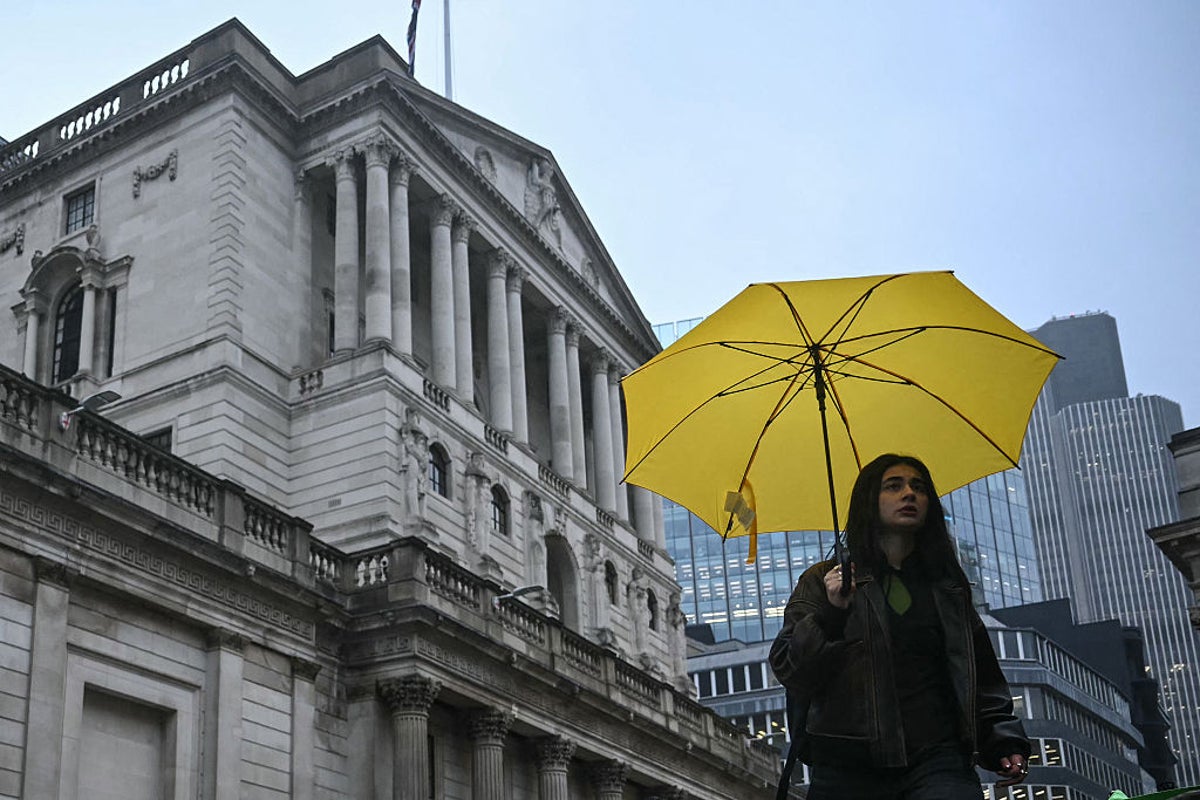
The rise in inflation also means the Bank of England is unlikely to cut interest rates any time soon. Before the Iran war, it had signalled that it might cut rates two or three times this year from the present 3.75 per cent.
That would have led to cheaper new mortgages and lower borrowing costs for businesses.
The news on inflation comes amid fears the a further escalation in the Middle East conflict could also impact government borrowing.
The influential Resolution Foundation has found that a “severe but plausible scenario”, in which the conflict intensifies and delivers the largest hits to the economy, would result in Government borrowing increasing by £16 billion a year in 2029-30.
This is a breaking story – more to follow