

Ongoing conflict in Iran could lead to refugee movements of an “unprecedented magnitude”, the EU has warned.
A report from the European Union Agency for Asylum (EUAA) said that displacement of just 10 per cent of Iran’s population of 90 million as a result of the war with the U.S. “would rival the largest refugee flows of recent decades”.
The Middle Eastern crisis continued to spiral on Tuesday, with further strikes in Iran’s capital, Tehran, and in Lebanon. At least 787 people have been killed in Iran since Saturday, the Iranian Red Crescent Society said.
While the scale of Iranian displacement following the U.S.-Israeli strikes has so far been limited, there is a risk of “significant” escalation if the conflict continues, the EUAA report added.

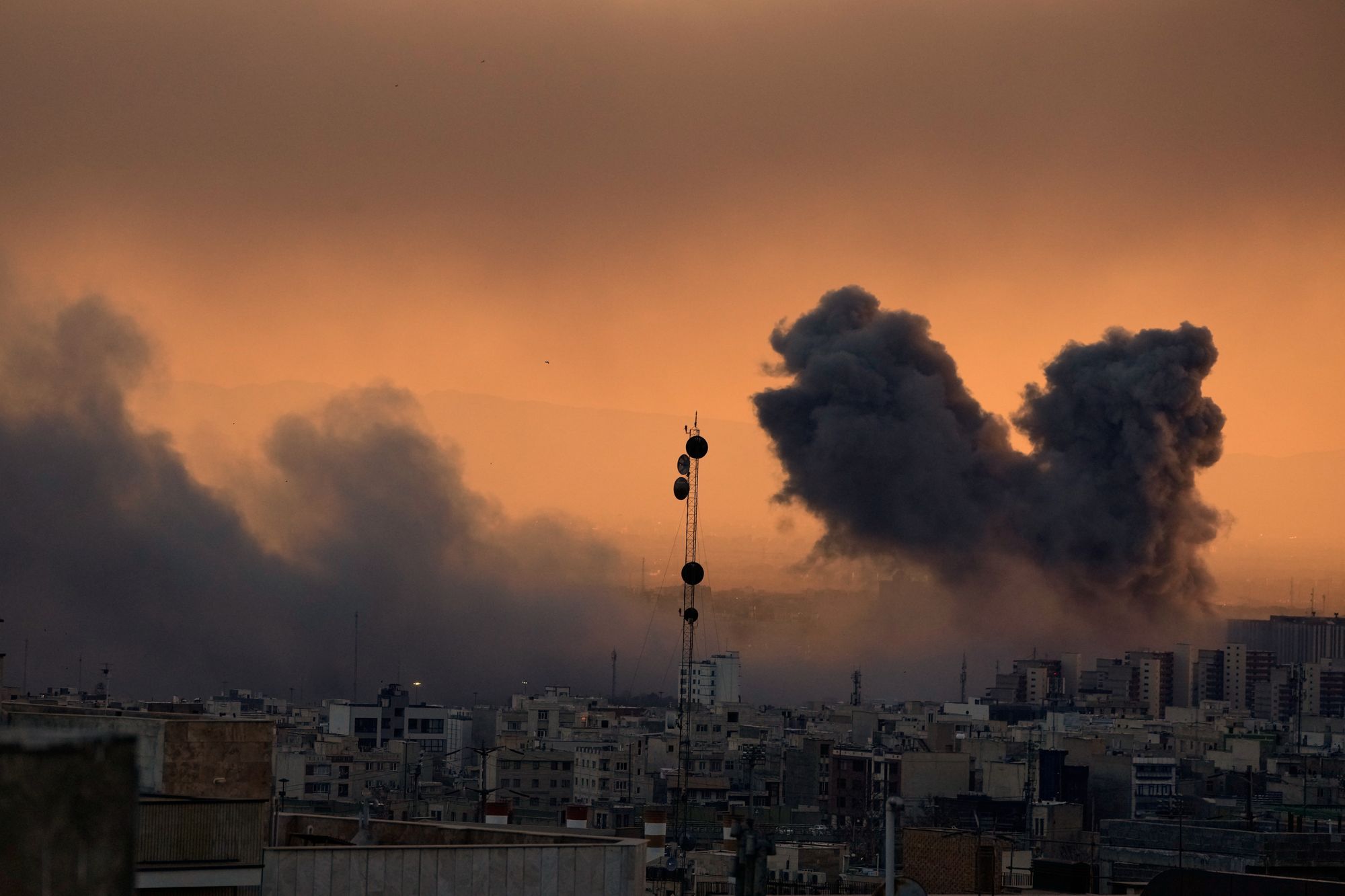
“With a population of approximately 90 million, even partial destabilisation could generate refugee movements of an unprecedented magnitude,” the agency said.
“Displacement of just 10 per cent of Iran’s population would rival the largest refugee flows of recent decades.
“While such a scenario remains highly speculative, and is tied to the use of Turkey as a transit country, observers increasingly view Iran’s turmoil as a major and long-term risk, for which the outlook remains highly uncertain.”
Around 8,000 Iranians applied for asylum in the EU in 2025, so the speculated numbers would mark a dramatic rise.
The agency blamed a combination of “heightened international tensions” and “sustained domestic pressure” for creating the potential risk, after the Iran regime violently cracked down after weeks of protests in the country.

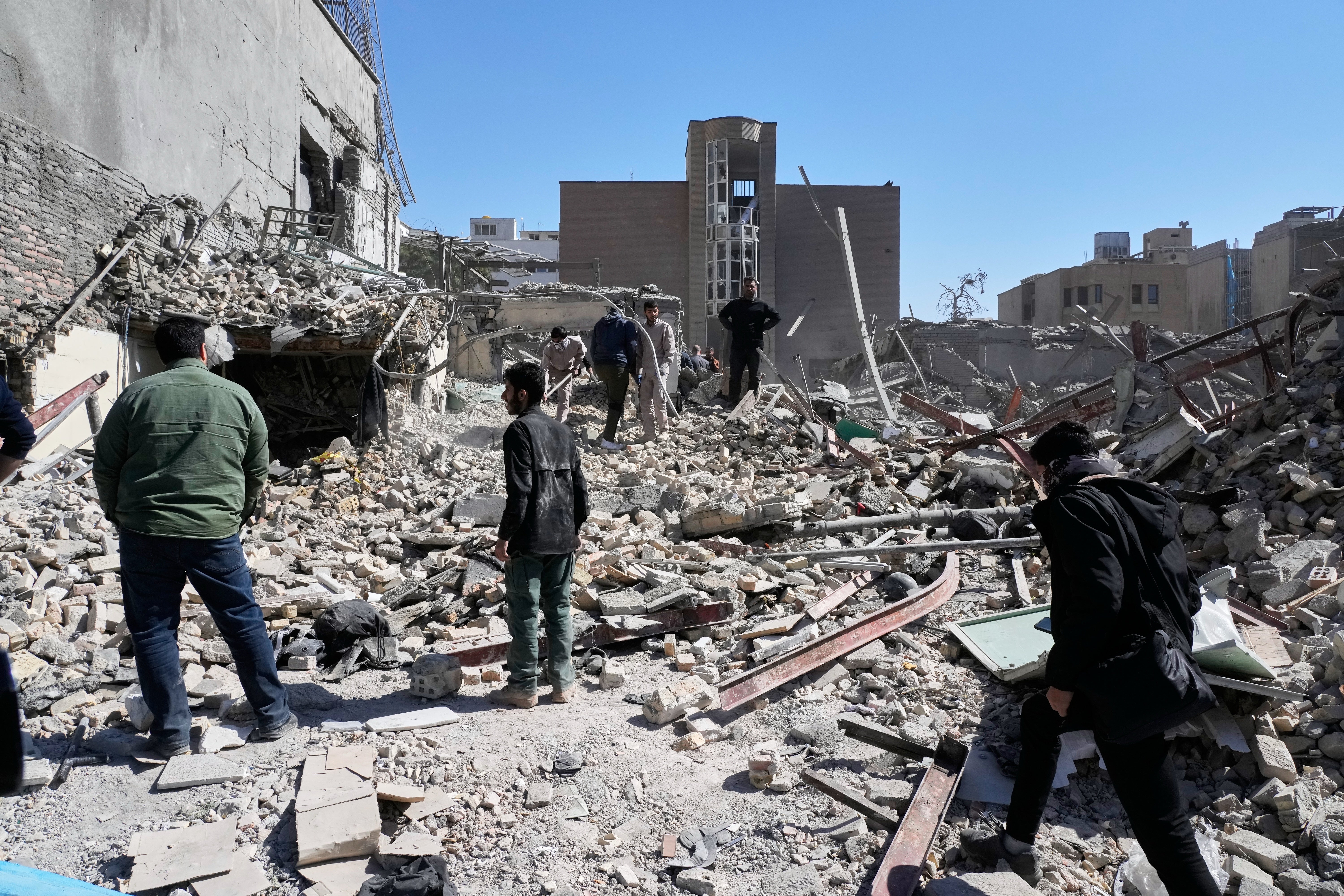
The fresh warning echos concerns raised by the International Organization for Migration (IOM), who called for de-escalation to avoid further displacement of families and civilians.
“Military escalation would force more families from their homes and hit civilians hard,” said director general Amy Pope. “Millions are already displaced in the region. IOM is monitoring the situation and on standby to provide lifesaving assistance where feasible. De-escalation is a humanitarian necessity.”
The IOM already estimates that more than 19 million people are living in internal displacement due to conflict, violence and disasters across the Middle East.
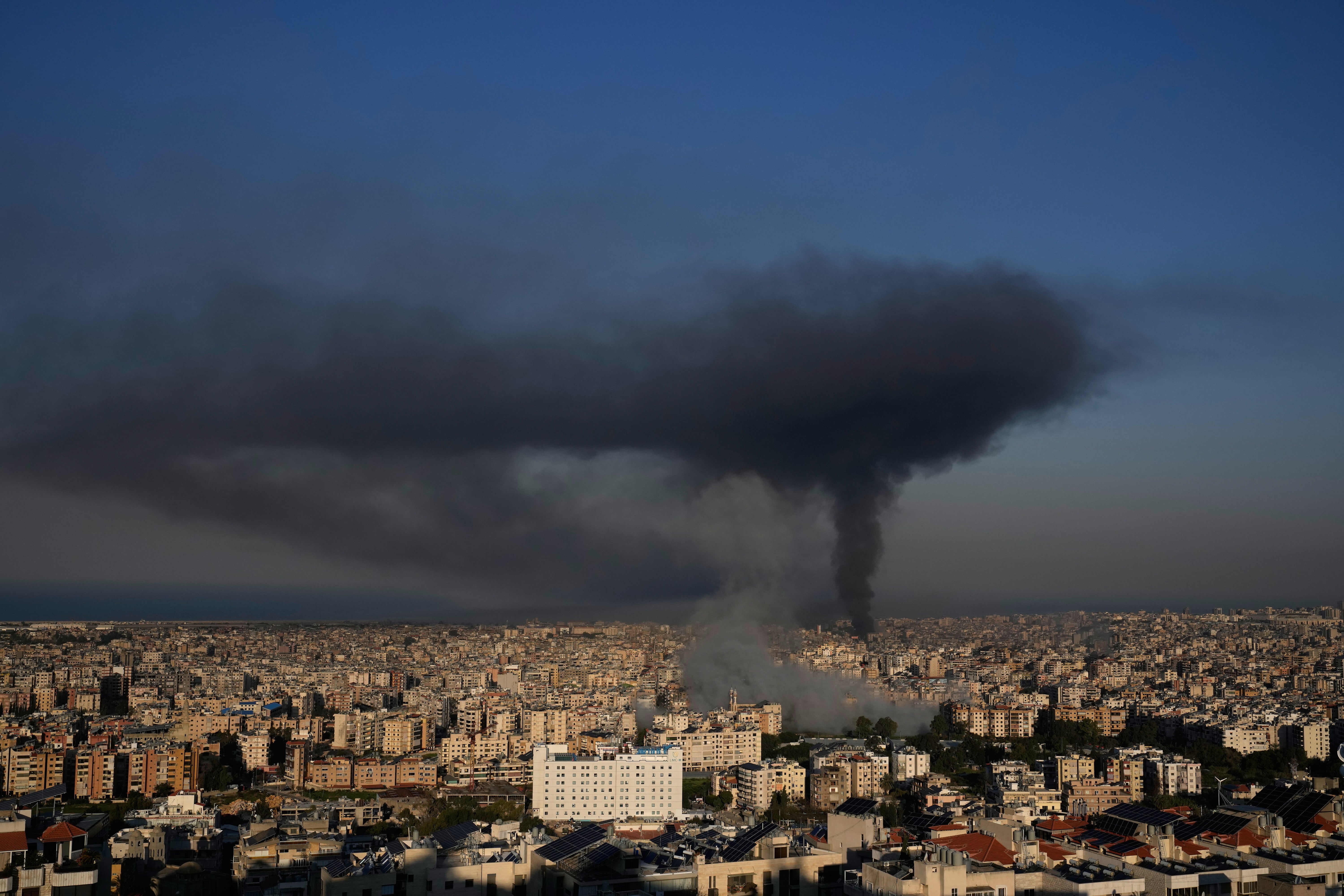
At least 30,000 people have been displaced in Lebanon after Israel escalated hostilities with Hezbollah this week, with the United Nations refugee agency expecting more to join.
The Israeli army has conducted air strikes across Lebanon since Monday, after Hezbollah fired rockets at Israel late on Sunday, in reaction to U.S. and Israeli strikes against Iran.
“Conservative estimates suggest that nearly 30,000 people were hosted and registered at collective shelters,” said UNHCR spokesperson Babar Baloch.
“UNHCR is deeply concerned about the escalation of conflict in the Middle East and its impact on civilians and further displacement in the region.
“Many affected countries already host millions of refugees and internally displaced people. Further violence risks overwhelming humanitarian capacities and placing additional pressure on host communities.
“We echo the UN secretary-general’s urgent call for dialogue and de-escalation, respect for human rights, the protection of civilians and full adherence to international law.”