




The International Swimming League (ISL) is poised for a significant return, with plans to relaunch as early as 2026 after a three-year absence.
The professional swimming competition aims to capitalise on a revamped commercial strategy, robust financial backing, and the anticipated buzz surrounding the 2028 Los Angeles Olympics to establish a sustainable global, team-based league.
First established in 2019, the ISL sought to maintain fan engagement in swimming beyond the Olympic cycle by offering a season-long competition.
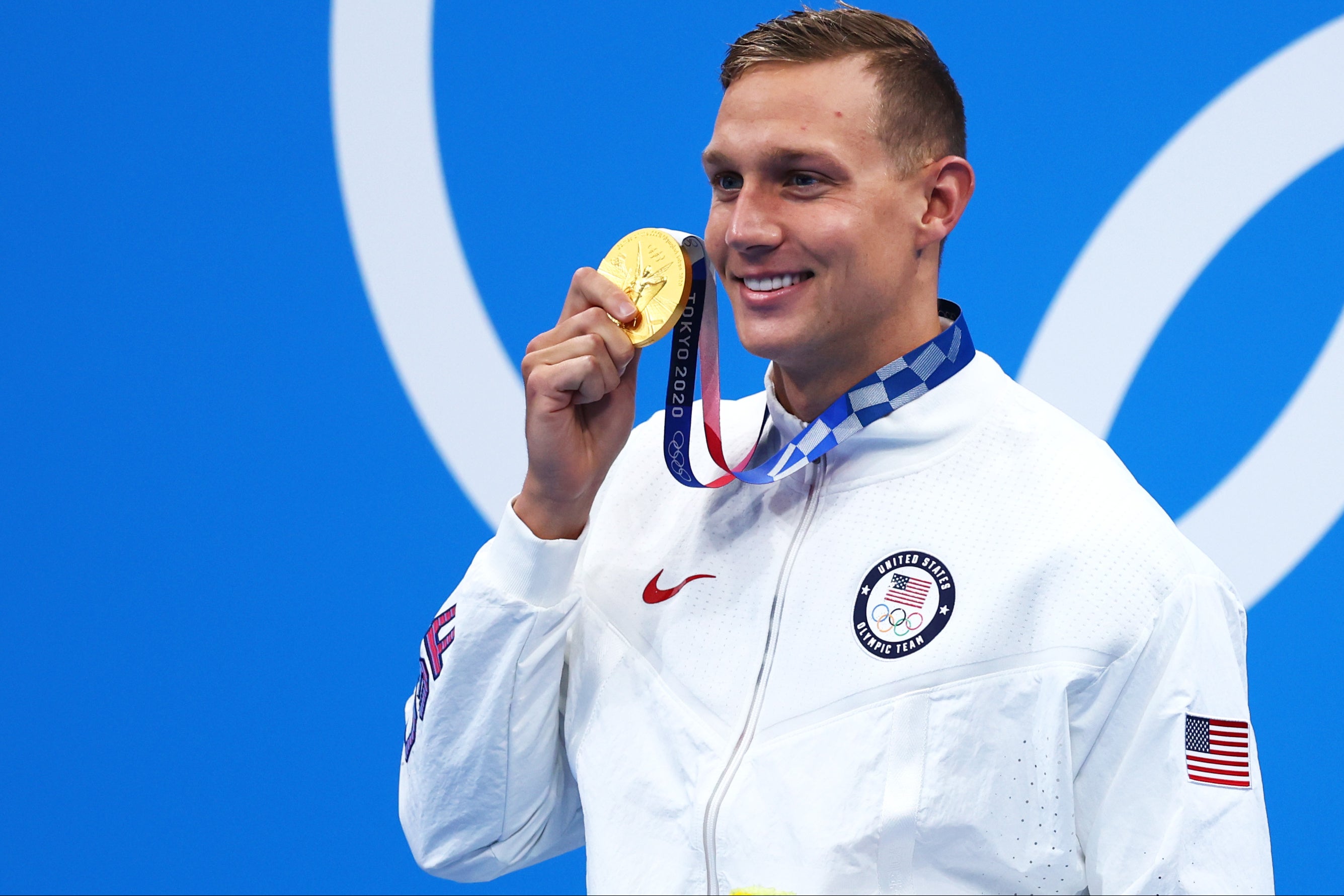
It previously attracted some of the sport’s most prominent figures, including Caeleb Dressel, Adam Peaty, and Katinka Hosszu.
The league last held a season in 2021 before ceasing operations, a decision influenced by the global Covid-19 pandemic and the subsequent impact of the war in Ukraine on its primary financial supporter, Ukrainian businessman Konstantin Grigorishin.
Despite the challenges, Commissioner Ben Allen confirmed the league’s imminent return.
“ISL is coming back,” he told Reuters, adding, “And we’re really excited about the prospect of a relaunch.”


Allen indicated an “ideal scenario” for a return in autumn 2026, with 2027 serving as a firm backup target.
The new operational model is designed to lessen dependence on a single investor, instead prioritising a broader base of sponsorship and media partnerships.
The planned comeback season is set to feature seven matches, distributed across North America and Europe, with at least one event scheduled for Asia and a potential stop in the Middle East, according to Allen.
The United States, identified as the ISL’s largest market, is expected to host several events, recalling previous fixtures such as the 2019 final in Las Vegas, where a temporary pool was constructed within the Mandalay Bay arena.
During its hiatus, the league has refined its format based on feedback from athletes, coaches, broadcasters, and fans, aiming to enhance the television spectacle.
This includes considering changes to its event schedule; previously running over two days, the ISL is now exploring a one-day format to improve accessibility for travelling fans and broadcasters.
“We’re going to be doing a couple of experiments and trials across the next couple of months to figure that out,” Allen stated.
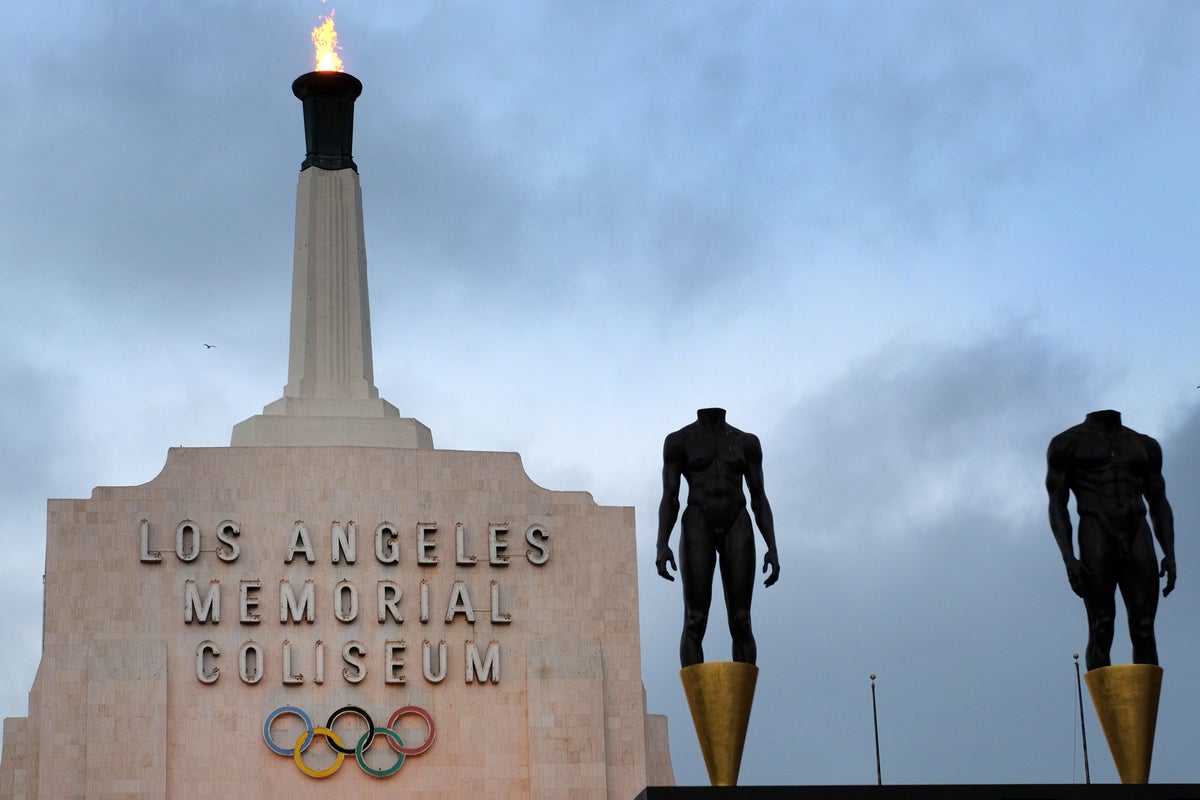
The league’s planned resurgence is strategically timed to coincide with the build-up to the Los Angeles 2028 Olympics.
Allen believes this presents a crucial opportunity to broaden swimming’s appeal beyond the Olympic spotlight and offer athletes a more consistent professional platform to elevate their public profiles.
The ISL aims to ensure swimmers remain visible throughout the entire Olympic cycle, countering the tendency for many athletes to recede from public attention mere months after the Games.

A core tenet of the ISL remains its emphasis on entertainment. Allen described an ISL meet as a high-octane production, complete with poolside staging, dynamic graphics, laser displays, and a DJ, all designed to minimise downtime between races.
He highlighted the 2019 and 2021 seasons, where the overall title was decided in the final race, as evidence of the league’s commitment to creating compelling, narrative-driven competition.
Addressing ongoing legal disputes with swimming’s global governing body, World Aquatics, Allen affirmed the league’s determination to proceed regardless of the outcome.
When asked if these legal battles would pose an impediment, he responded, “Simply put, no.”
This follows a $4.6 million settlement agreed by World Aquatics in September with professional swimmers, which permitted their participation in the ISL without jeopardising their eligibility for the Olympics.
While World Aquatics denied any wrongdoing in the settlement of the 2018 lawsuit, a related lawsuit filed by the ISL against the governing body in the same year remains ongoing.

