

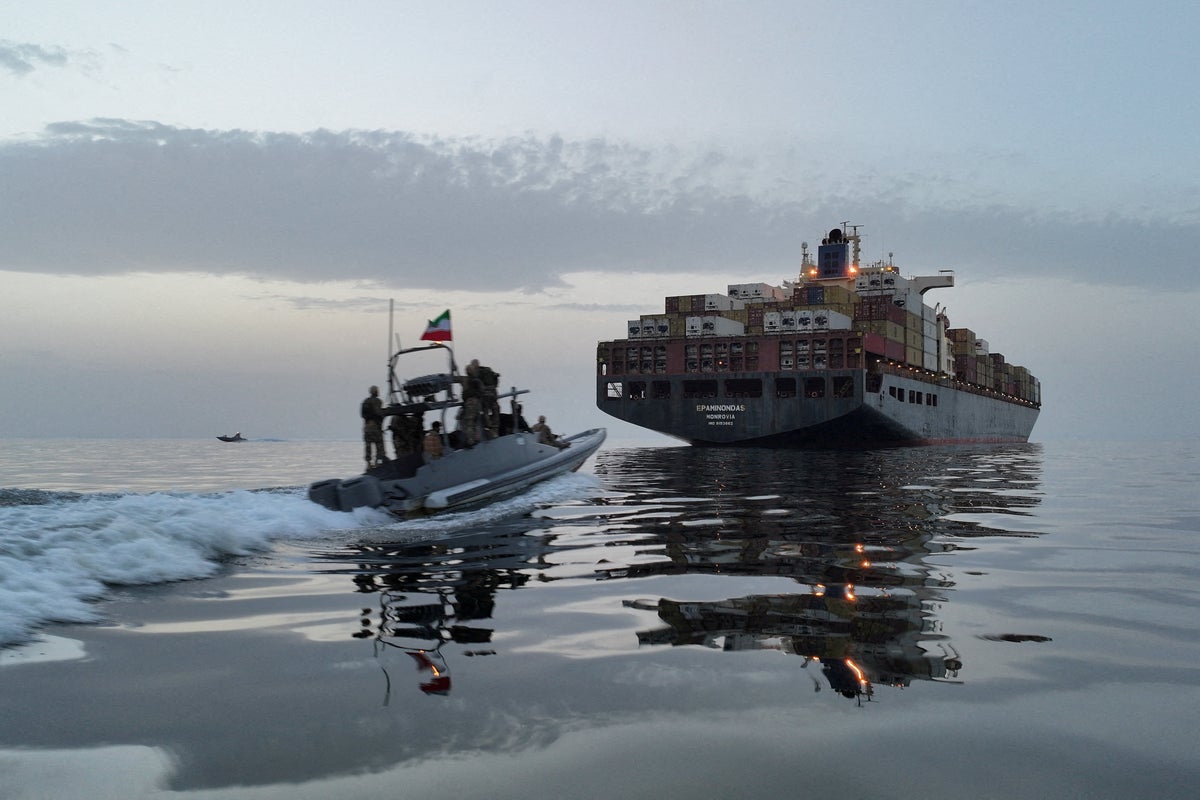
Preparations are underway for a multinational mission led by Britain, which includes the deployment of a warship, Typhoon jets, and mine-hunting equipment to the Middle East.
The UK, alongside France, has set out to reopen the Strait of Hormuzand has gained the support of dozens of allies to do so once conditions allow for it.
But, retired brigadier and military analyst Ben Barry said Iran will pose a threat to the UK regardless of whether fighting in the region has paused.
“No one pretends this is risk-free,” he told The Independent. “If an international mission is to do this, it needs to have sufficient firepower so it can not only protect the civilian shipping in the Strait of Hormuz, but it can impose disproportionate costs on any Iranian military capabilities that might try to attack them.”
It comes after Iran’s deputy foreign minister Kazem Gharibabadi issued a stern warning to the UK and France over the weekend, stating that any warship in the Strait of Hormuz “will be met with a decisive and immediate response”.

What is the Strait of Hormuz mission?
The multinational mission to secure the Strait of Hormuz was announced by Keir Starmer and Emmanuel Macron last month after the two leaders convened 51 countries for an international summit.
It aims to reopen the Strait of Hormuz and conduct mine-clearing operations, while protecting merchant vessels and commercial shipping operators.
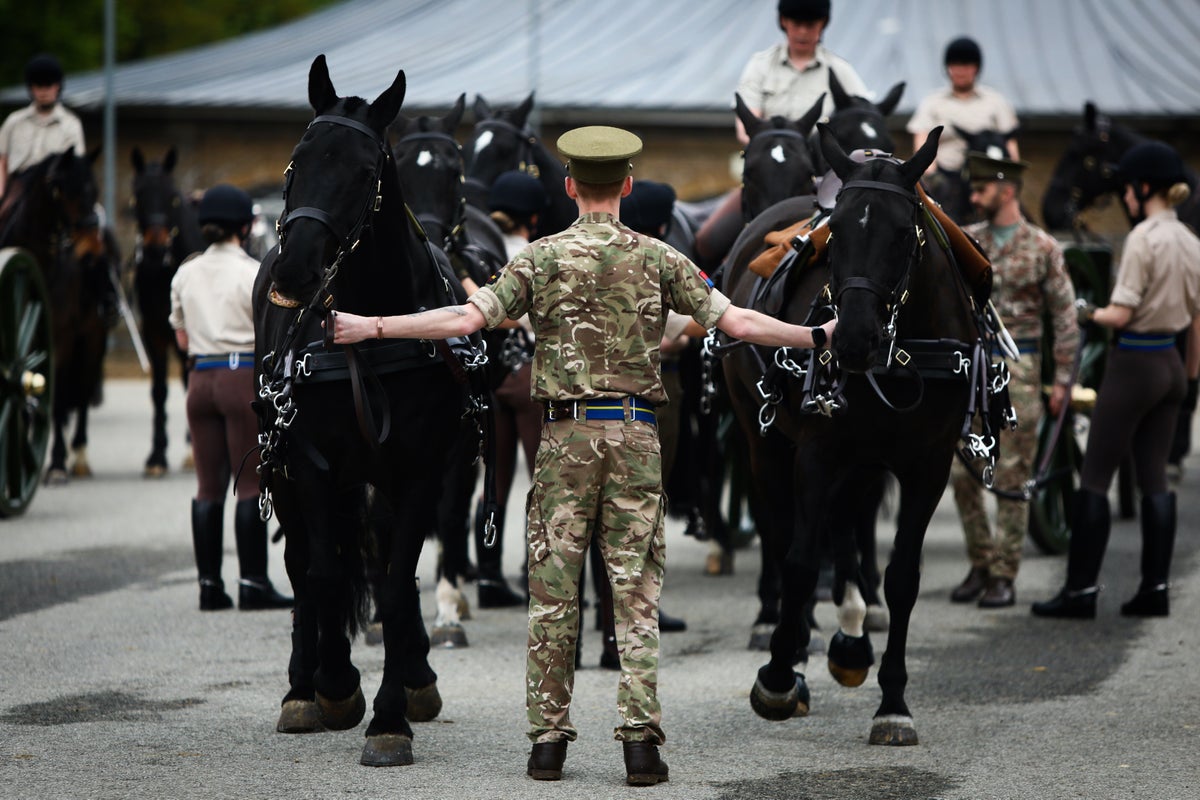
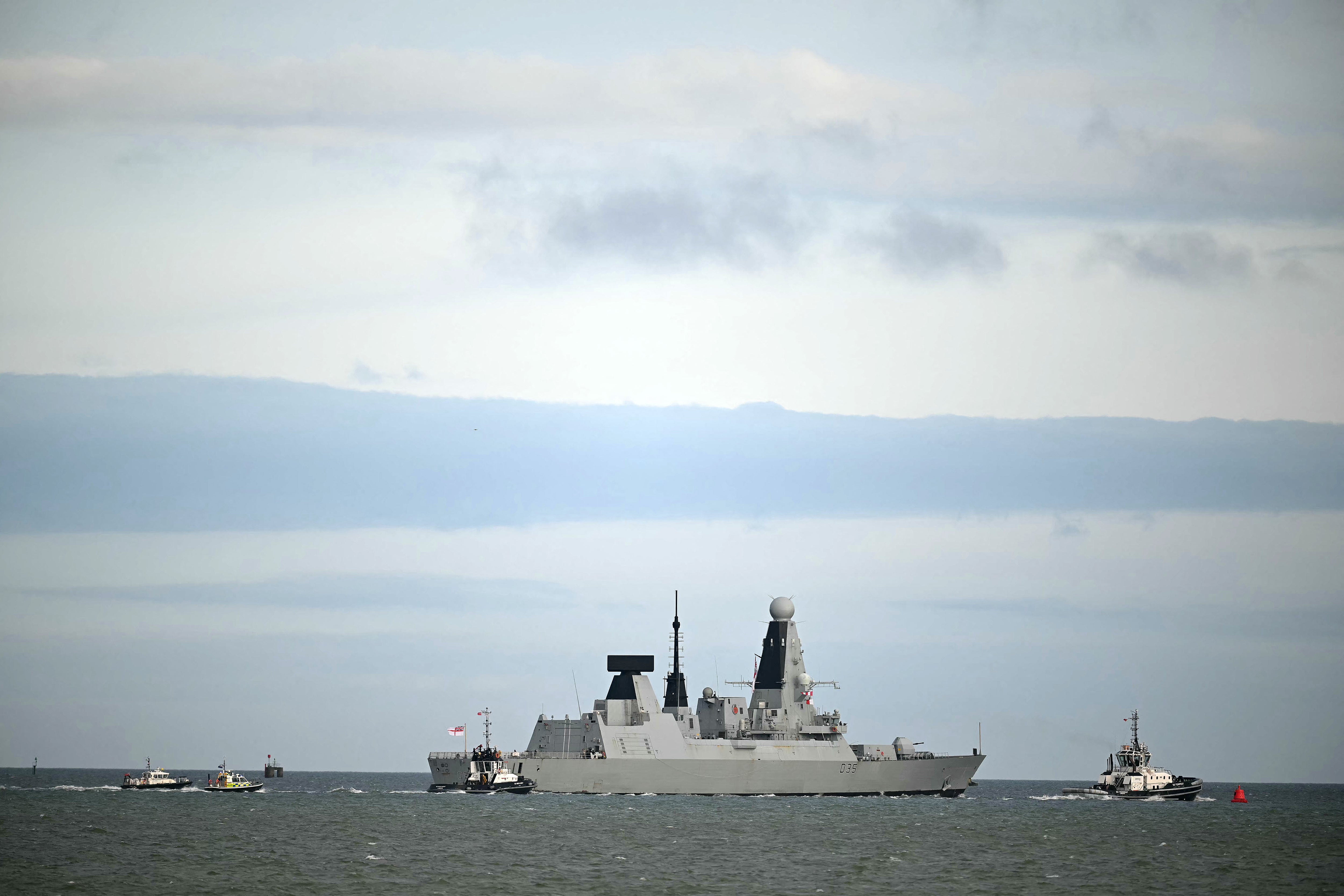
The Ministry of Defence announced on Tuesday that it was deploying mine-hunting equipment, cutting-edge counter-drone systems, Typhoon jets and the HMS Dragon, which is already on its way to the region.
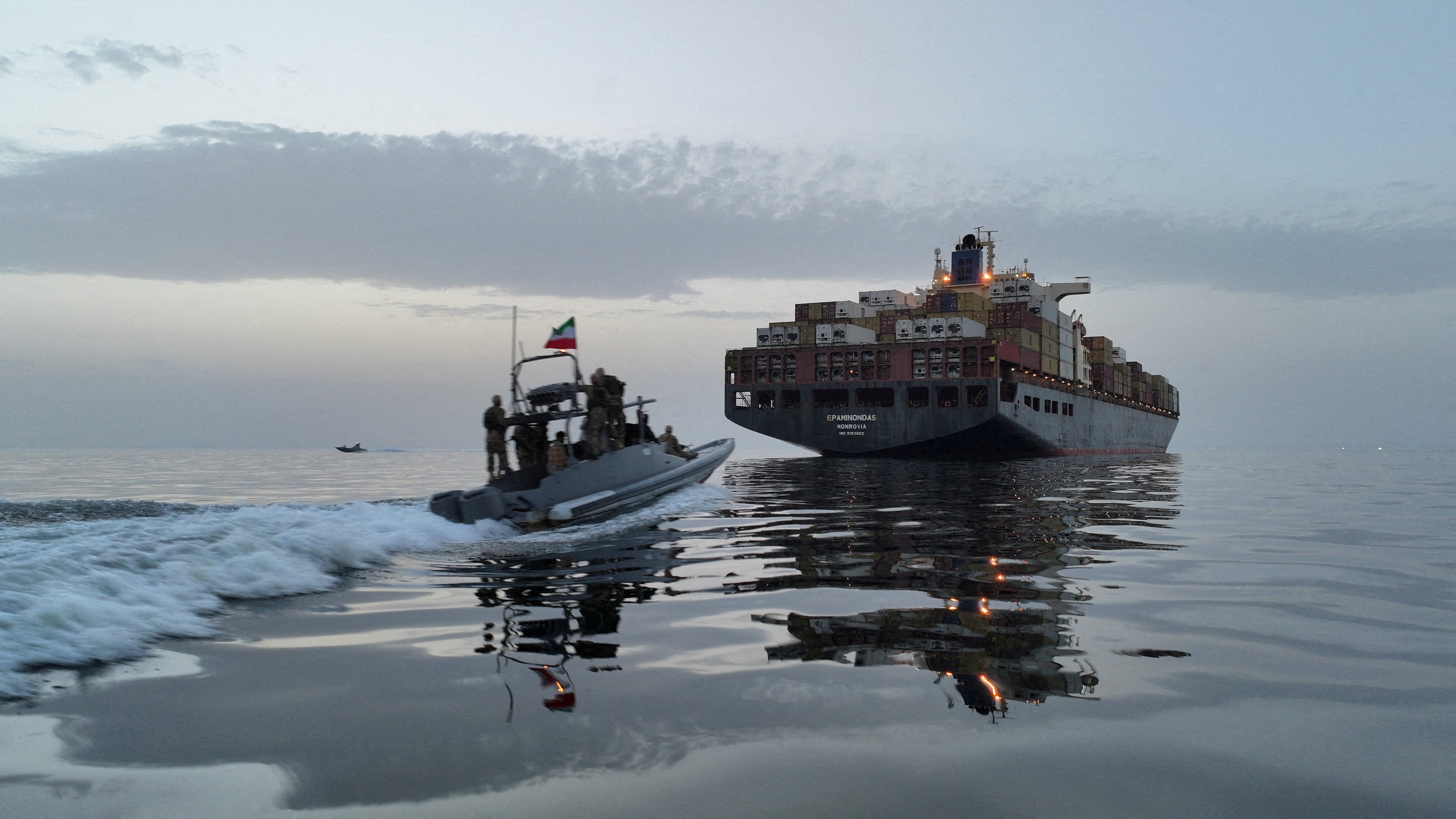
In March, Iran imposed a blockade on the waterway, which carries more than a fifth of the world’s oil, as a result of attacks from the US and Israel.
The closure of the waterway has sent energy prices soaring and caused severe disruption to supply chains.
Despite a month-old ceasefire between the US and Iran, both nations have accused each other of strikes on vessels in the waterway.
The mission to reopen the strait will take place only when hostilities end, Sir Keir has said.

Who is involved?
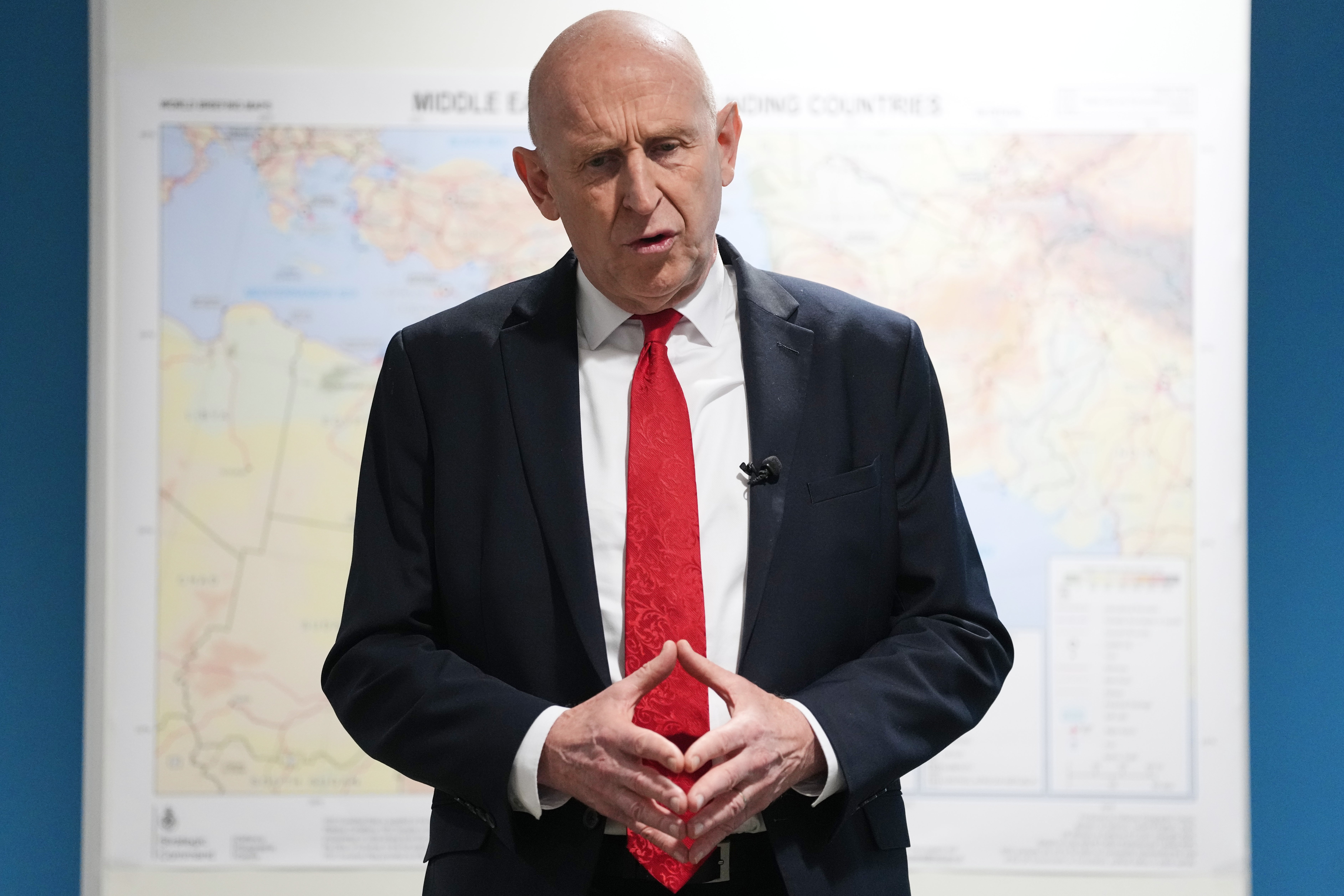
Alongside his French counterpart, John Healey co-chaired a meeting on Monday of more than 40 nations for the multinational mission’s first defence ministers’ meeting.
Countries including Germany, Italy, New Zealand, Canada, Australia, South Korea, and Iraq have participated in discussions.
France has sent its nuclear-powered aircraft carrier, the Charles de Gaulle, to the region, while Australia promised a high-tech surveillance plane.
“The UK and France are working to ensure that the military plan involves as many partners as possible and brings the expertise of each nation together in support of our shared interests,” the Ministry of Defence said.

Does Iran pose a threat to the UK?
According to Mr Barry, the scale of the military capability being deployed by the UK suggests that Iran does pose a serious threat.
Mr Barry said the UK and France will need multiple large-scale contributions from their allies before they attempt to reopen the strait.
“Iran still retains a lot of military capability that can threaten shipping. It still seems to have a lot of drones. It’s still got cruise missiles, and in the northern part of the Strait of Hormuz, there’s the risk of Iranian artillery and mortar fire.
“Any international mission would be put together on the understanding that if the ceasefire broke down, it could defend itself and it would have sufficient military capability to be able to effectively defend itself in order to deter Iranian attacks.”
He said the task would require a large force with a “full spectrum of modern weapons” and the UK would have to rely on several other countries to provide military capability. “In my judgment, to make this work, you need thousands of people, rather than hundreds.”
The Ministry of Defence has not said how many personnel will be deployed.
“I think what the UK has offered is but a small part of what is needed for such a mission,” he added. “It would [require] warships that could mount defences, both with anti-surface weapons and weapons capable of shooting down aircraft, missiles and drones.
“It also requires aircraft to shoot down drones and to gather early warning, and also, if necessary, be able to strike any weapons firing from Iran. It requires a lot of intelligence and surveillance and reconnaissance capabilities, both on the ships and in the skies above the Strait of Hormuz.”