

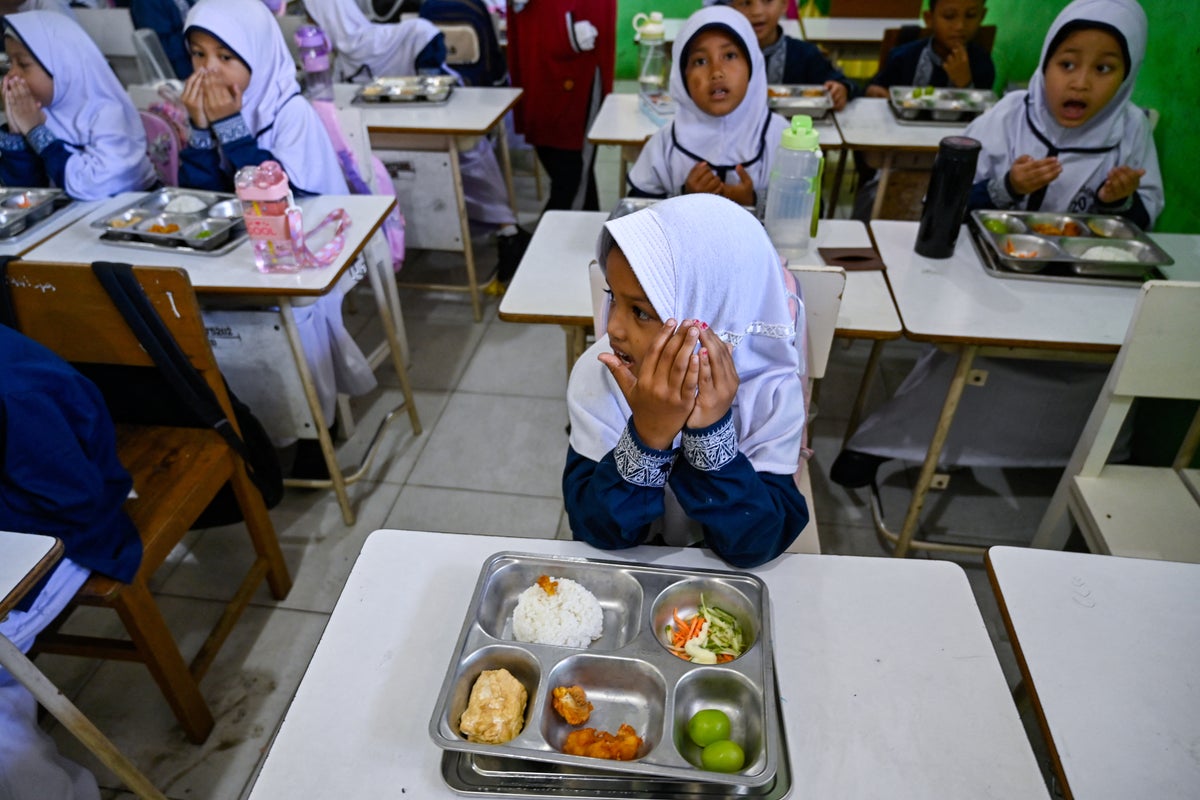
Indonesia is set to suspend its flagship nationwide free meals programme for children during school holidays and will also significantly reduce its overall reach, according to officials.
The move is part of a broader effort to alleviate pressure on the national budget.
Agustina Arumsari, deputy head of the National Nutrition Agency, said the programme would cease operations from 22 June to 13 July, with similar pauses expected during future school breaks.
Last year, in contrast, meals continued to be distributed throughout the school holiday period.
The agency will also cease funding meals for about 39,000 students across 76 schools situated in areas judged to possess the economic capacity to meet their own nutritional needs. This reallocation of resources will allow the agency to shift its capacity to support students in more remote areas, Ms Arumsari confirmed.
The adjustments are part of a comprehensive reorganisation and efficiency drive inside the agency. The changes follow a pledge for better governance and oversight, made after the arrest of the programme’s former head earlier this month on corruption allegations.

The budget allocated for the programme this year has already seen a substantial reduction, falling to about 268 trillion rupiah (£11.4bn) from an initial 335 trillion rupiah (£14.2bn). The agency means to propose a reduction in spending for next year, down from an initial plan of 270 trillion rupiah.
“We think the figure is too big,” Ms Arumsari said. “With the budget we have, we can cut back and make it more efficient.”
In a further cost-saving measure, the agency plans to cut incentives for kitchens that typically remain closed during the school holidays, a step expected to save around 3.4 trillion rupiah (£144m).
Ms Arumsari indicated that further cuts to the scheme could be implemented in the future, pending a thorough review of prevailing social and economic conditions.
She added that kitchens which currently serviced a low number of recipients or consistently failed to meet the required operational standards could ultimately face closure.