A quarter of an hour after Viktor Orban conceded the Hungarian general election, the president of the European Commission, Ursula von der Leyen, could no longer contain herself and she took to social media. “Hungary has chosen Europe,” she declared: “Europe has always chosen Hungary. A country reclaims its European path. The Union grows stronger.”
On balance, it is probably indelicate for any European Union official to react in such terms, or at all, to an election in a member state. But on the facts of the matter, she was entirely correct. Over the 16 long years in which Mr Orban ruled Hungary, he became increasingly truculent and stubborn, making many wonder why Hungary didn’t just leave the EU. At home, he eroded Hungary’s relatively young democracy and the freedoms it won after the end of the Cold War by taking over the media and the judiciary.
In Brussels, he was certainly never what might be termed a “team player”, especially on the international challenge of migration. In foreign policy, he became an open apologist and an ally of Vladimir Putin, even as Hungary purported to be a full member both of the EU and of Nato. He obstructed – and sometimes even vetoed – essential financial and other assistance to Ukraine.

While extracting what he could from the EU budget, Mr Orban thought himself smart for forging close friendships with President Trump and President Putin, and they appreciated a kindred spirit. Mr Trump dispatched his vice-president, JD Vance, to Budapest to rally Mr Orban’s Maga-esque Fidesz movement. Vladimir Putin, most likely, organised a “false flag” operation with some Serbian comrades to falsely implicate Ukraine in a “sabotage attempt” on a vital gas pipeline on the border. There may have been other interference in the election.
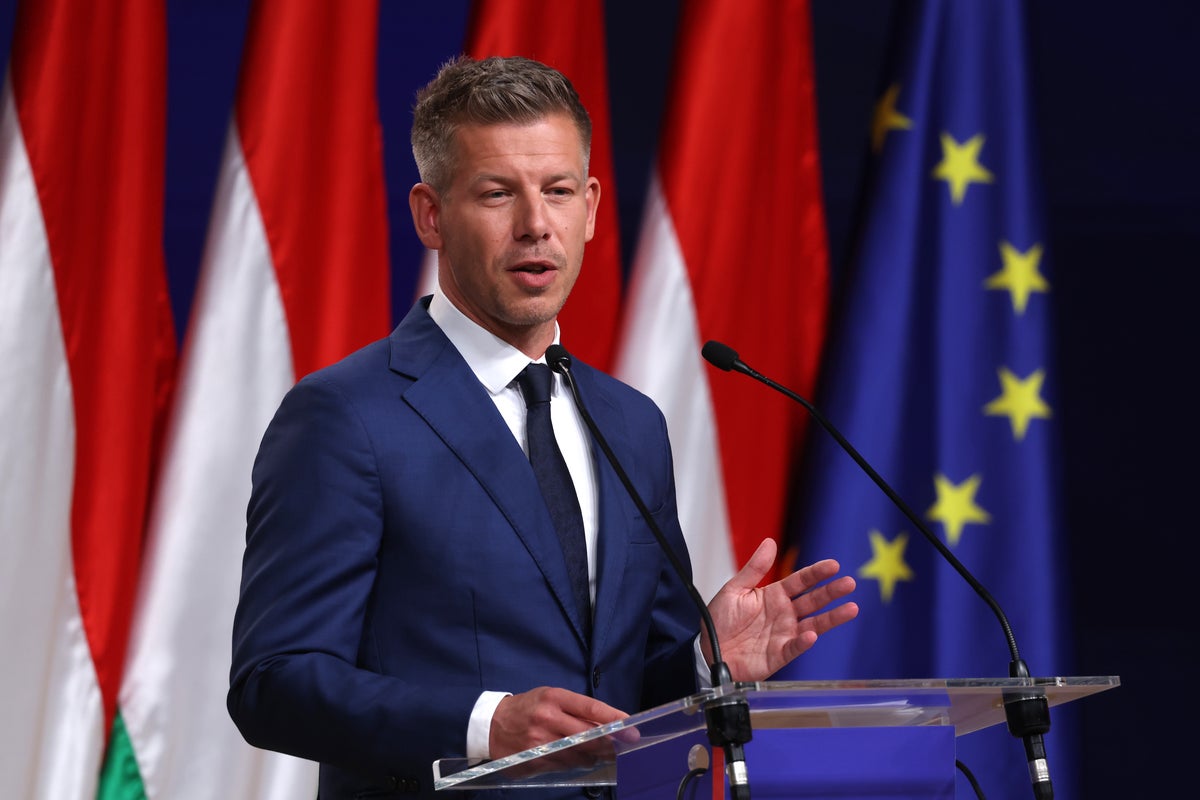
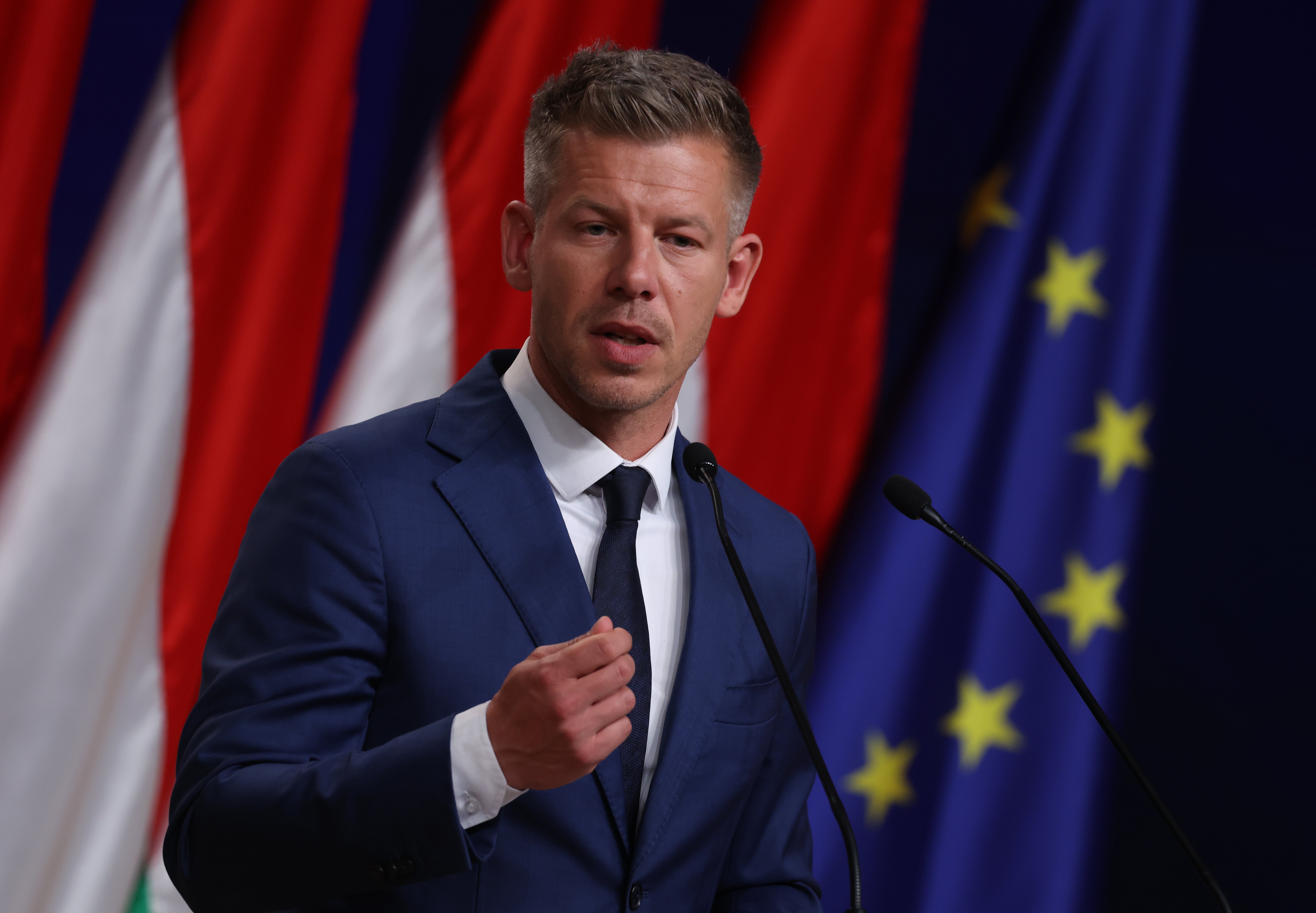
Yet, as President von der Leyen points out, the people of Hungary, and especially the young, chose Europe instead – overwhelmingly. The new premier, Peter Magyar, is no liberal – he was once a disciple of Mr Orban – but he is a true Hungarian patriot and understands that his country has no future in becoming a vassal state of Russia once again. At 45, he is a young leader, but he represents a rekindling of the spirit of the 1956 uprising against Soviet oppression. Not for nothing was one campaign slogan an echo of the resistance to the Russian tanks seventy years ago: “Ruszkik halal”– Russians go home. Ukrainians have found a new, valuable ally. Some €90bn of EU loans can now be forwarded to Kyiv.
At the other end of the continent, a more low-key and prosaic resetting of relations with the EU is taking place in Britain. The terms of the debate are typically technocratic and, sometimes, sound like a silly script from Yes Minister. Even so, it is significant as evidence of the direction of travel after much hostility and hurt. The UK is creating a parliamentary mechanism – a “dynamic alignment” with EU single market rules – to ensure that certain EU product standards and regulations can be seamlessly and swiftly adopted into British law.
The move to continual harmonisation of certain UK and EU rules has been attacked by the Conservatives and Reform UK as a “betrayal of Brexit”. Yet the Labour manifesto made clear that the UK was not going to rejoin the EU single market or the customs union, but that it would be “tearing down unnecessary barriers to trade”.
This is what has happened. Sir Keir Starmer and his colleagues must now make further progress on their other modest pledges, such as a veterinary agreement to prevent unnecessary border checks and help tackle the cost of food. In defence and security, the government has now established a close coalition with France and Germany in the informal “E3” group. None of this has infringed on the new trade deals with America, Australia, India and others, and the UK has reserved its rights to pursue a different regulatory approach on AI. At the next election, Labour should go further and gain the political initiative.
At a time when America has grown officially hostile to the EU and the UK and their alleged “civilisational erasure” of Western values, when Nato is visibly fracturing and China is fast emerging as a superpower challenger for leadership of the twenty-first century, the European Union is, of necessity, becoming more relevant. Across the continent, the so-called Christian nationalist populists have made great political capital out of blaming the EU for the problems facing their peoples, most spectacularly and grievously in the Brexit referendum almost a decade ago.
It may just be that, in Hungary and in Britain and elsewhere, more and more people are coming to realise that so far from being the source of their grievances and a threat to their security, the EU, for all its flaws and pretensions, is in fact the best guarantor of their prosperity and their freedoms.