Illinois has taken a significant step in regulating artificial intelligence, with Gov. JB Pritzker signing legislation on Monday that mirrors similar bills in California and New York.
The move underscores a growing push for state-driven national frameworks in the absence of comprehensive federal regulations.
Pritzker emphasized the necessity of state action, stating, “Congress and the president ought to be passing similar legislation, but they’ve so far been unwilling, because many are captive to special interests that profit from the industry having no regulation.”
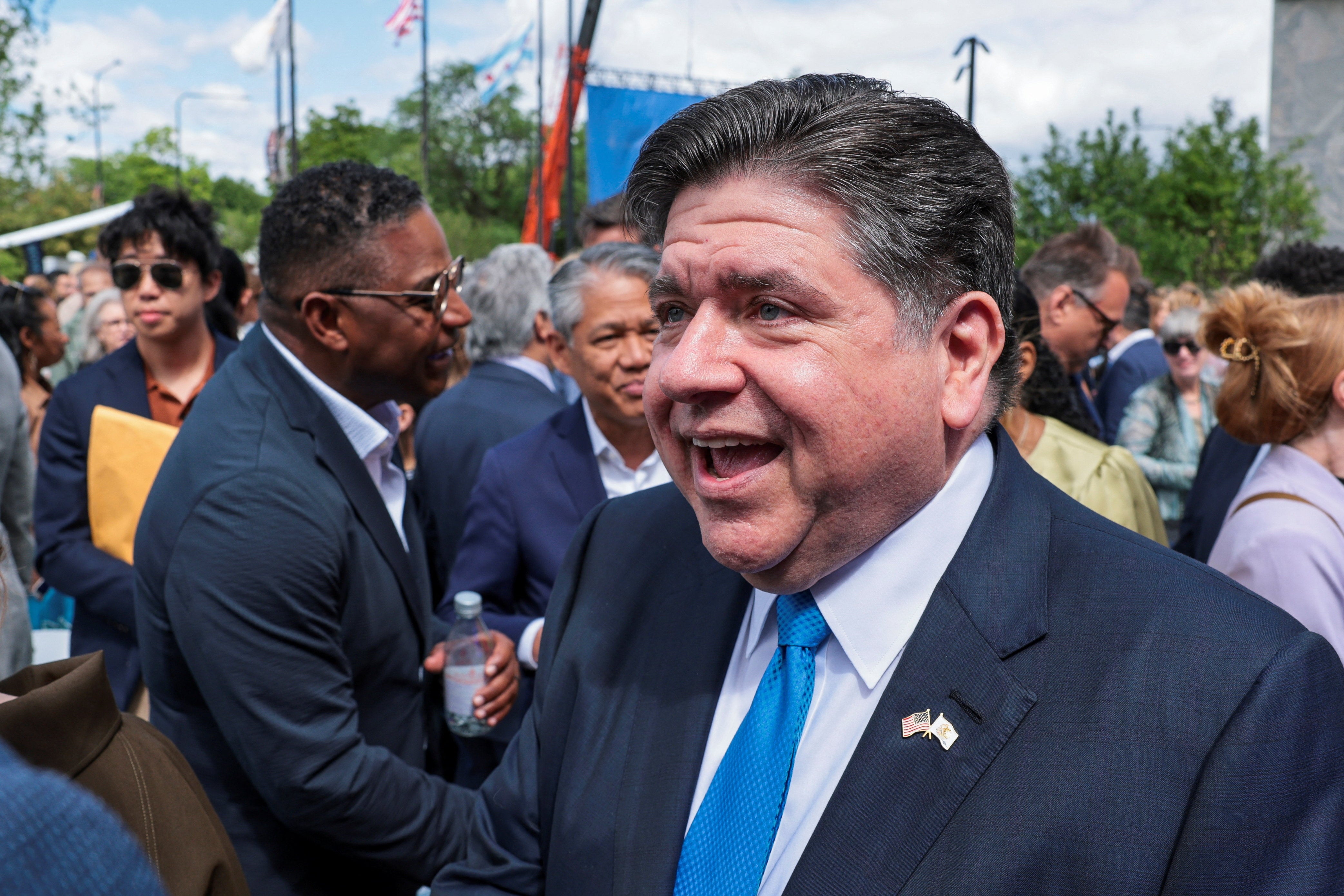
He added, “We can work together to establish thoughtful guardrails in ways that benefit both industry and the public, or we can allow a handful of actors to evade accountability and push the costs and detriment onto ordinary people. Illinois has chosen our path.”
The new law, Senate Bill 315, also known as the Artificial Intelligence Safety Measures Act, targets the largest AI models – those generating over $500 million in annual revenue and trained using extensive computing power. It mandates increased transparency and accountability for these powerful systems.
The legislation aligns closely with California’s SB-53 and New York’s Responsible AI Safety and Education Act, both enacted in late 2025.
It introduces new reporting standards for potential large-scale harms, such as an AI model assisting in the creation of chemical, biological, or nuclear weapons, or facilitating cyber-attacks.
State Senator Mary Edly-Allen, a Democrat from Libertyville and the bill’s sponsor, highlighted the urgent need for states to preempt these risks.
“We are not willing to wait for Congress to act,” Edly-Allen asserted. She used an analogy to illustrate the potential dangers: “There’s an old saying: Give a man a fish, he eats for a day. Teach him to fish, he eats for a lifetime. Teach AI to fish, though, and it might just empty the whole river trying to figure out how.”
While Illinois, California, and New York collectively represent only about 20% of the national population, lawmakers estimate they account for roughly 40% of the U.S. AI market.
This significant market share effectively positions their combined regulations to establish a de facto national standard.
Under the new law, AI model developers are required to publish a framework detailing how they identify and assess “catastrophic risk.”
This is defined as the likelihood of incidents that could cause death or serious injury to more than 50 people or result in over $1 million in property damage.
Developers must also report any incidents that could cause harm to the state within 72 hours of identification, or within 24 hours if there is an imminent risk of death or serious physical injury.
Representative Daniel Didech, a Democrat from Buffalo Grove and the bill’s House sponsor, stressed that the harms the legislation addresses are not theoretical.
“We have already seen the first AI-inspired mass shooting. We have already seen AI systems utilized to attack a municipal water and drainage utility,” Didech noted. He also referenced Anthropic’s Mythos model, which the company deemed too powerful a cyberweapon for public release.
Anthropic supported Illinois’ bill and had representatives present at the signing. Didech drew parallels to other transformative technologies, stating, “Every transformative technology in our history, from automobiles to electricity to air travel, has delivered enormous benefits while carrying real risks, and in every case the government responded not by banning the technology and not by taking a hands-off approach, but by building safeguards, so everyday people can trust that these technologies are safe.”
Illinois’ version of the law includes a first-in-the-nation requirement for mandatory annual third-party audits, a stricter provision than New York’s, which only required a single independent audit once developers met the qualifying criteria.
This audit provision was a point of contention for some industry stakeholders, including TechNet, a coalition of tech executives. Ninia Linero, a TechNet representative, expressed concerns in committee on May 20, stating, “We remain concerned that Illinois would effectively be requiring private actors to make highly subjective determinations requiring AI safety compliance without established national standards, certifications, or clear regulatory guardrails.”
.png?trim=0,0,0,0&width=1200&height=800&crop=1200:800 "A top amusement park in California announces it’s shutting down after 50 years – UK Times")