

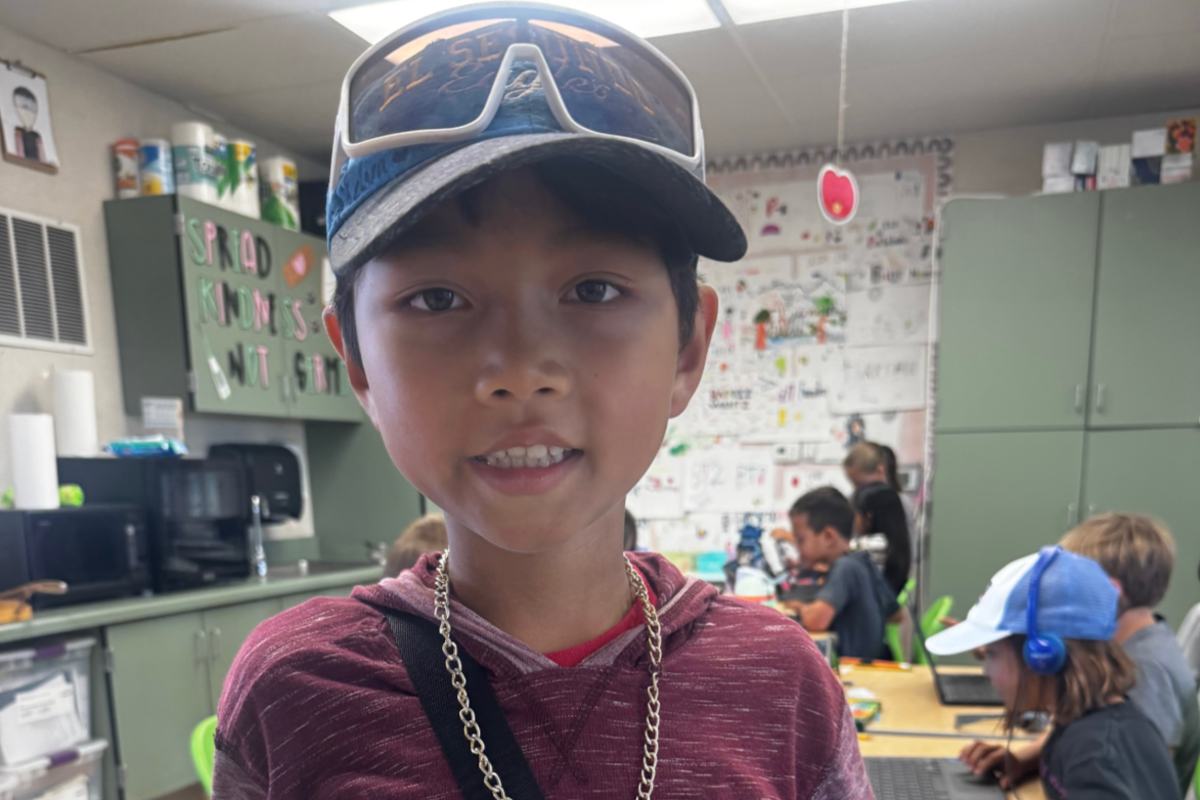

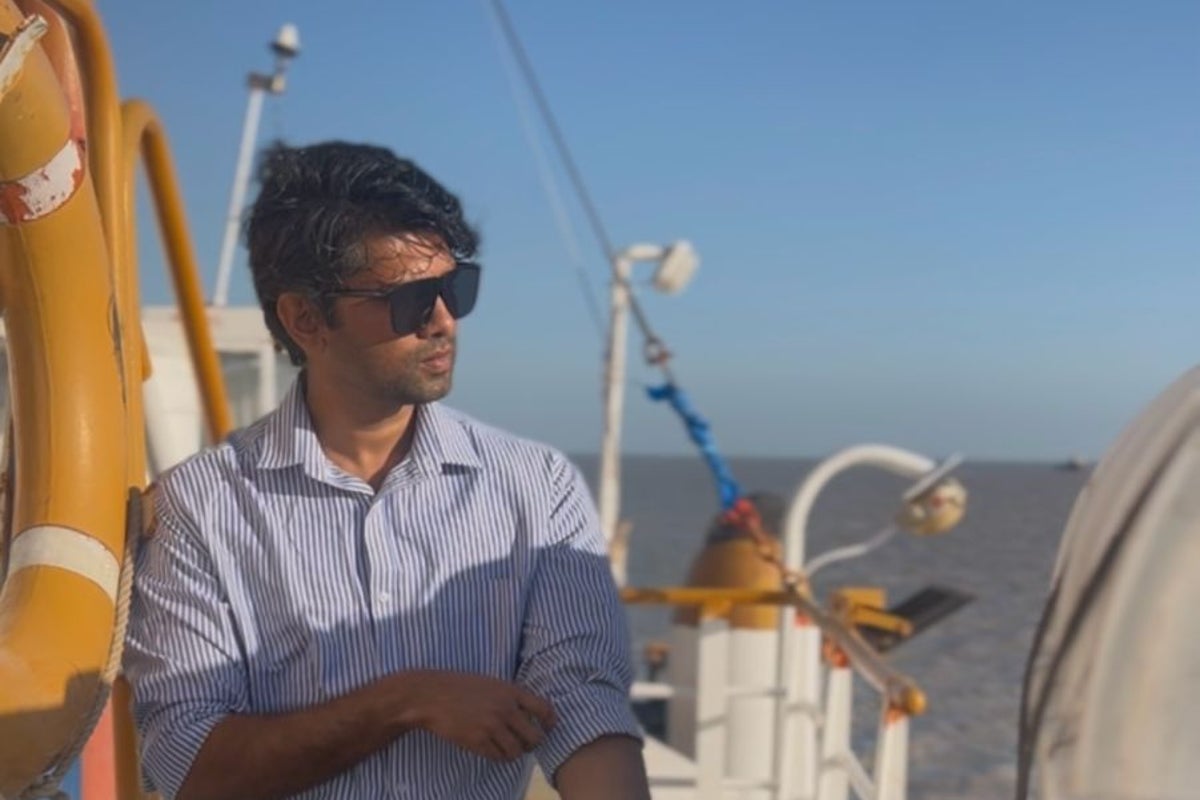
When the US and Israel began striking Iran in February, bringing shipping through the Strait of Hormuz to a grinding halt, Rex Pereira was one of tens of thousands of sailors thrust into the centre of a conflict engulfing the entire Middle East.
Pereira is one of the lucky ones, speaking to The Independent, having made it back to the safety of his home in Mumbai after being trapped for weeks aboard a vessel near Basra in southern Iraq. But he still gets flashbacks of missiles crashing into the sea so close to his ship that he could feel the entire vessel shaking underneath his feet.
For the rest of the world, there is hope for an end to the Middle East crisis after US president Donald Trump signed an interim peace deal with his Iranian counterpart Masoud Pezeshkian on Wednesday. But for the 28-year-old Indian seafarer, the war is far from over. His relief about being back home in the western Indian city is tarnished by memories of his time at sea, when the war was unfolding around him.
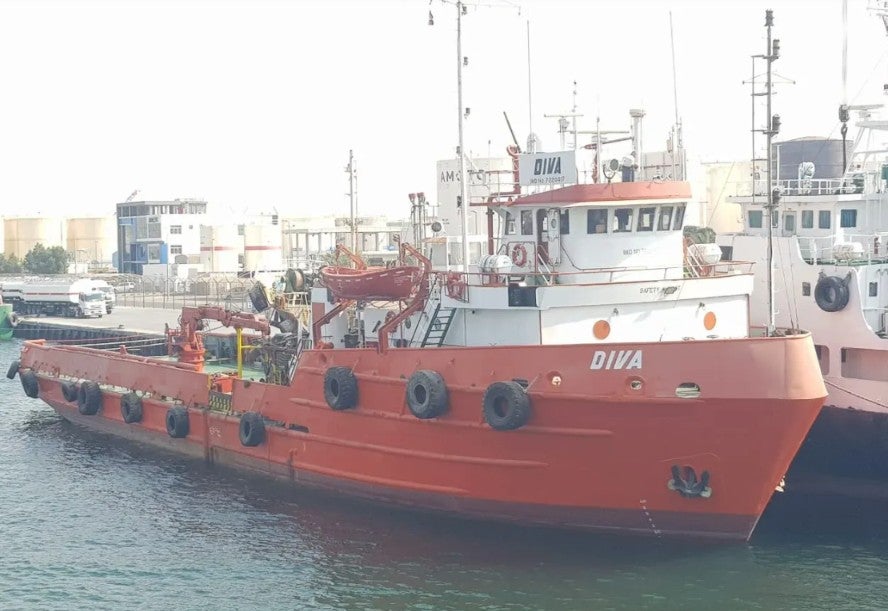
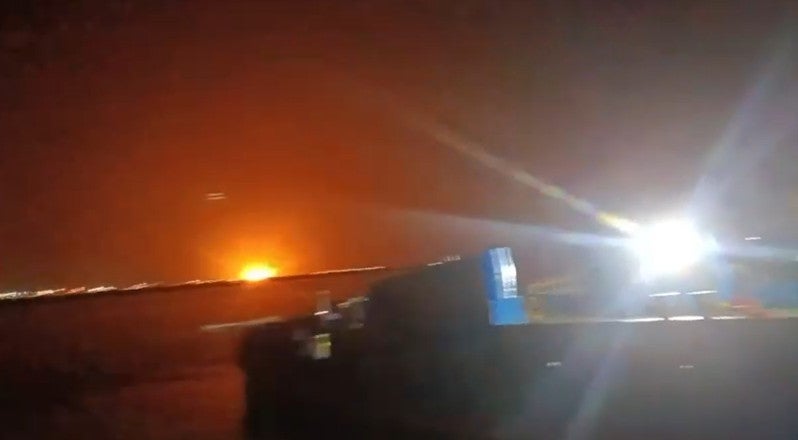
When the conflict started, Pereira was stranded aboard a supply vessel, Diva, where he was close enough to see missiles and explosions across the water towards Iran.
“There are a few flashbacks that keep coming,” Pereira tells The Independent. “If there are crackers that are being burst … it reminds me of a lot of things. But now I am slowly trying to overcome all this.”
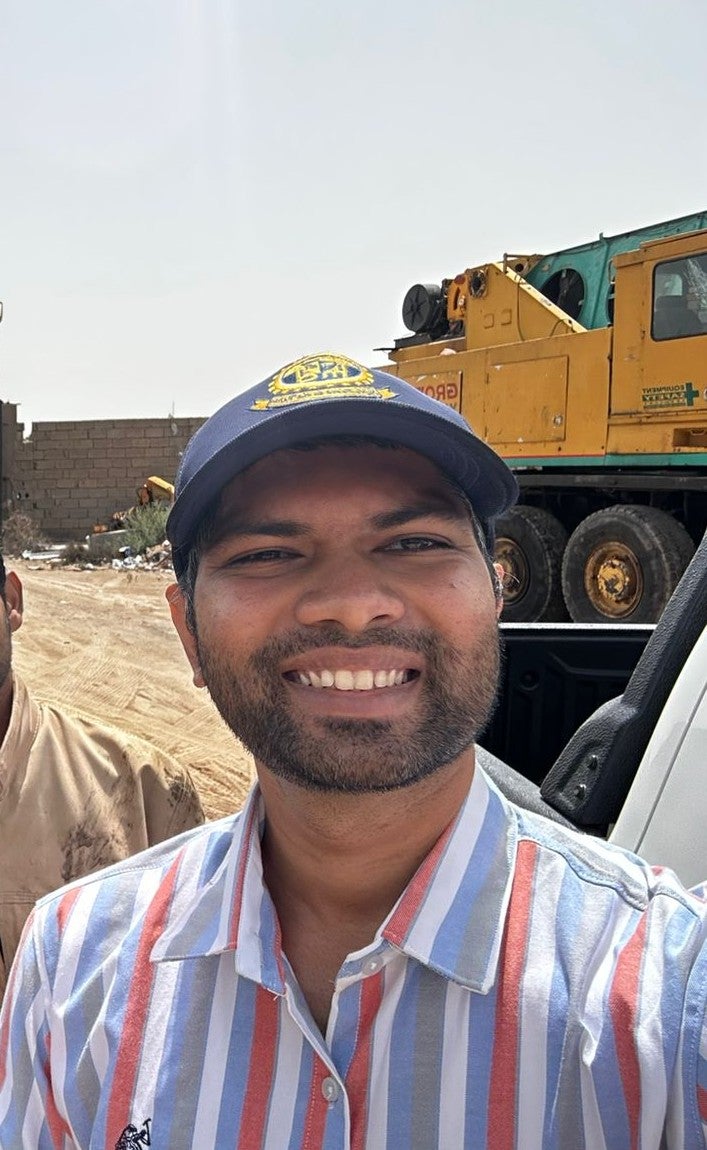
He recalls: “All the missiles were falling, say 5km, 10km away from us. The entire ship was vibrating.”
Pereira’s ordeal at sea actually predates the Iran crisis – like many of the tens of thousands of Indian nationals who crew merchant vessels around the world, he says he paid recruiters a large sum up front to be placed on a vessel, and had already spent months on board the Diva when the fighting started.
In October last year, after paying agents around Rs 400,000 (£3,100) for what he believed would be a job on a supply vessel, he left India hoping to begin the seafaring career he had always wanted. After arriving in the UAE, he was placed aboard an old vessel being sailed to a scrapyard, which had very limited supplies for crew, including no clean water fit for drinking. He says crew members were forced to boil fresh water contaminated with diesel residue just to survive.
A few weeks later, he was transferred to another vessel, the Diva, where the conditions were only a little better. The ship sailed for Iraq in November last year. But soon after arriving, the captain and chief engineer left the vessel. According to Pereira, the generators repeatedly failed, communications collapsed, and basic supplies became scarce. By the time the war broke out, the vessel was left in the hands of four rookie Indian crew members.
Although news of the war initially reached him through messages from family members, the reality soon began to unfold before his eyes. “When we saw the missiles… that was frightening,” he says.
“We were scared that if any missile could come near us, how could (we) run or escape from here?”
With nowhere to go and little certainty that help would arrive, the four men spent nights awake on deck, praying and repeatedly calling the Indian embassy. “We had no idea how we were going to survive this,” he says.
The situation became so dangerous that crew members were afraid even to go below deck. “We were afraid to just go down, or maybe to eat anything, just go in the galley to cook something, because things were just [constantly] happening around us.”
The experience has changed how Pereira views the profession he once dreamed of joining. Before becoming a sailor, he worked at airports and docks and was determined to build a career at sea. “I was passionate about the sea,” he says. “I always wanted to be at sea.”
After everything that happened, he says that it matters little to him whether the Strait of Hormuz reopens now – he has no desire to return to seafaring.
He says what kept him going was the constant support from his family. His wife, Dale D’Souza, whom he married around a year and a half ago, was in touch throughout. “The strength came from family,” he says. “They were there.”
Throughout the crisis, Pereira tried to reassure loved ones. “One call in the morning, one in the afternoon, one at night, just to inform them everything is fine.”
Everything was not fine. He was scared. He felt like he was witnessing the world collapse around him.
The Indian embassy in Iraq eventually became a lifeline for Pereira. When the captain left the Diva, he took Pereira’s passport with him. Embassy officials met with the crew, and an immigration officer eventually obtained his passport and arranged for him to leave the ship.
Yet even then, leaving the region was difficult, with passenger flights disrupted by the unfolding war. Pereira faced a gruelling journey through Iraq, Kuwait, and finally Saudi Arabia. Travelling alone, he crossed borders, changed vehicles multiple times, and spent more than 17 hours on the road before reaching Riyadh airport for his flight to India.
.jpeg)
As he crossed Kuwait by road, Pereira recalls the stark scene of seeing oil refineries burning across the horizon, columns of smoke rising over them. “It was all in smoke, especially Kuwait,” he says. “I was just hoping to fly before anything [else] could go wrong.”
Pereira arrived in India on 7 April. His father and wife were there at the airport, waiting for him. There were hugs and tears and relief.
The fate of sailors in the Gulf has become headline news in India over the past two weeks, after three Indian sailors were killed by the US military enforcing its blockade of Iran. The deaths were the first reported since the US blockade on Iran-linked shipping began on 13 April, in which American forces disabled eight ships and turned back more than 100 others.
Now that the peace deal has been signed, Pereira has a word of advice for other seafarers: If you get a chance to leave and go home, take it.
“I feel that if it [the Strait of Hormuz] opens, it will be good for all the sailors, not just Indians, but all the sailors.
“I personally feel that once they cross the border or something, they should first think of getting back home, because everyone’s worried here… you know, the peace deal may be successful or not.”
