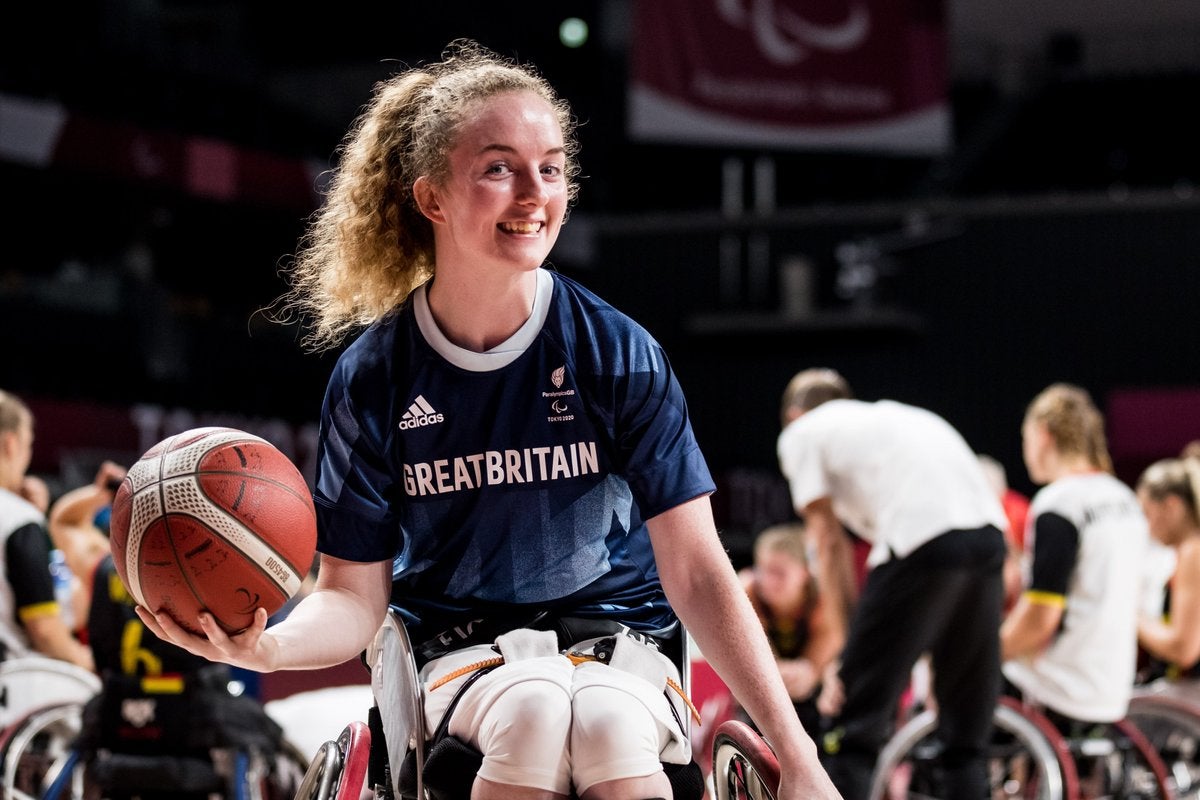
At the age of 15, Siobhan Fitzpatrick was representing her country in her sport and was on her way to becoming a medal-winning athlete. But this still wasn’t enough to do a Physical Education qualification.
The Paralympian told The Independent: “At school during PE, I just couldn’t access lessons.
“If I take myself back to 11-year-old me, who was told that sport in a mainstream world can’t be for me… I find it really difficult to accept because I had to do sport in a different way.”
Instead of finding her gift for wheelchair basketball through school, it would be a local sports club that would unlock this passion and change her life.
Siobhan first began playing the sport in 2010, quickly achieving an extensive junior career which saw her co-captain the under-25 women’s team through back-to-back wins.

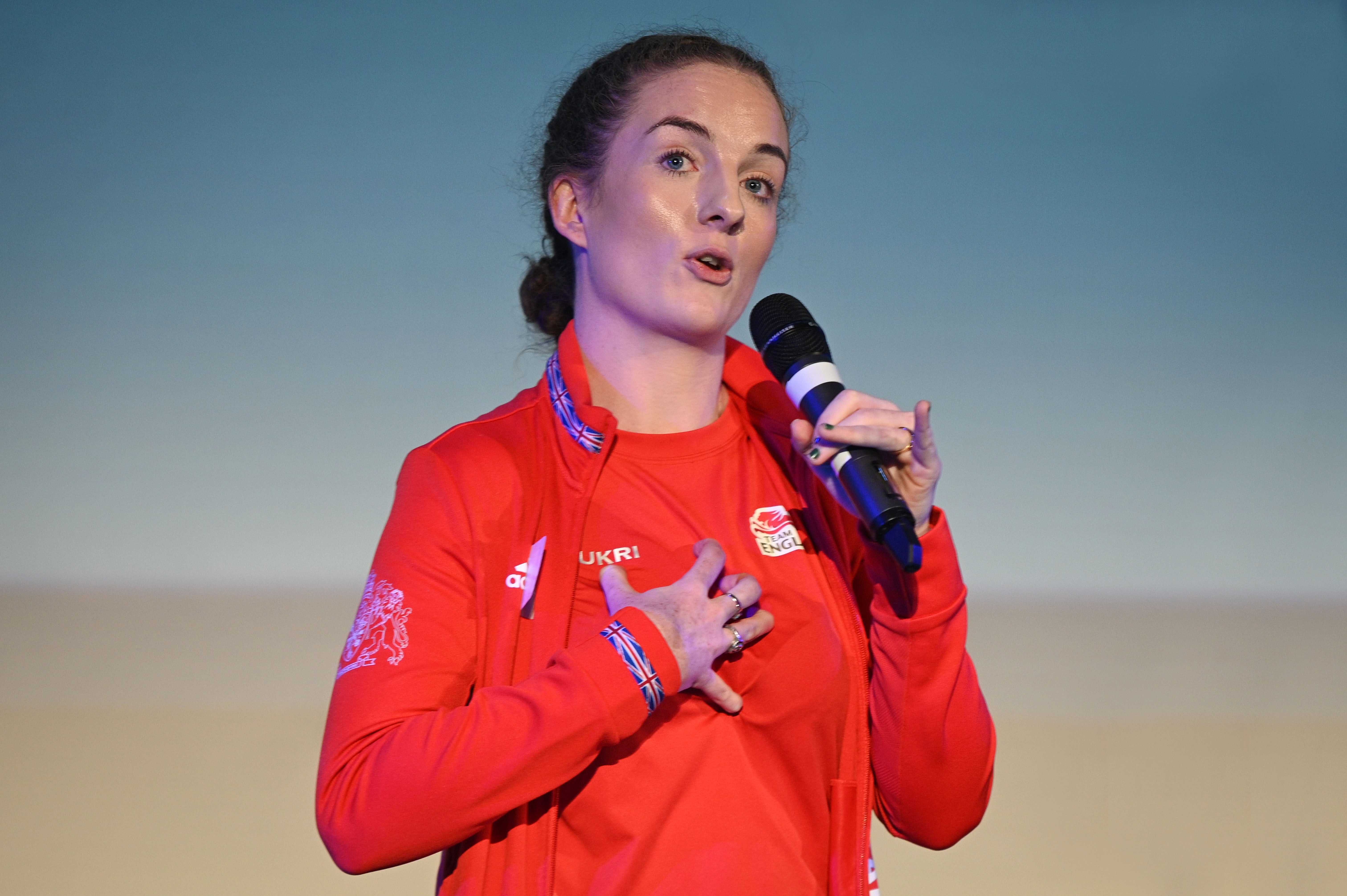
She represented Britain at the Hamburg World Championship in 2018, where her team took home the silver medal. And a few years later, in 2021, Siobhan represented her country again at the Paralympic Games in Tokyo.
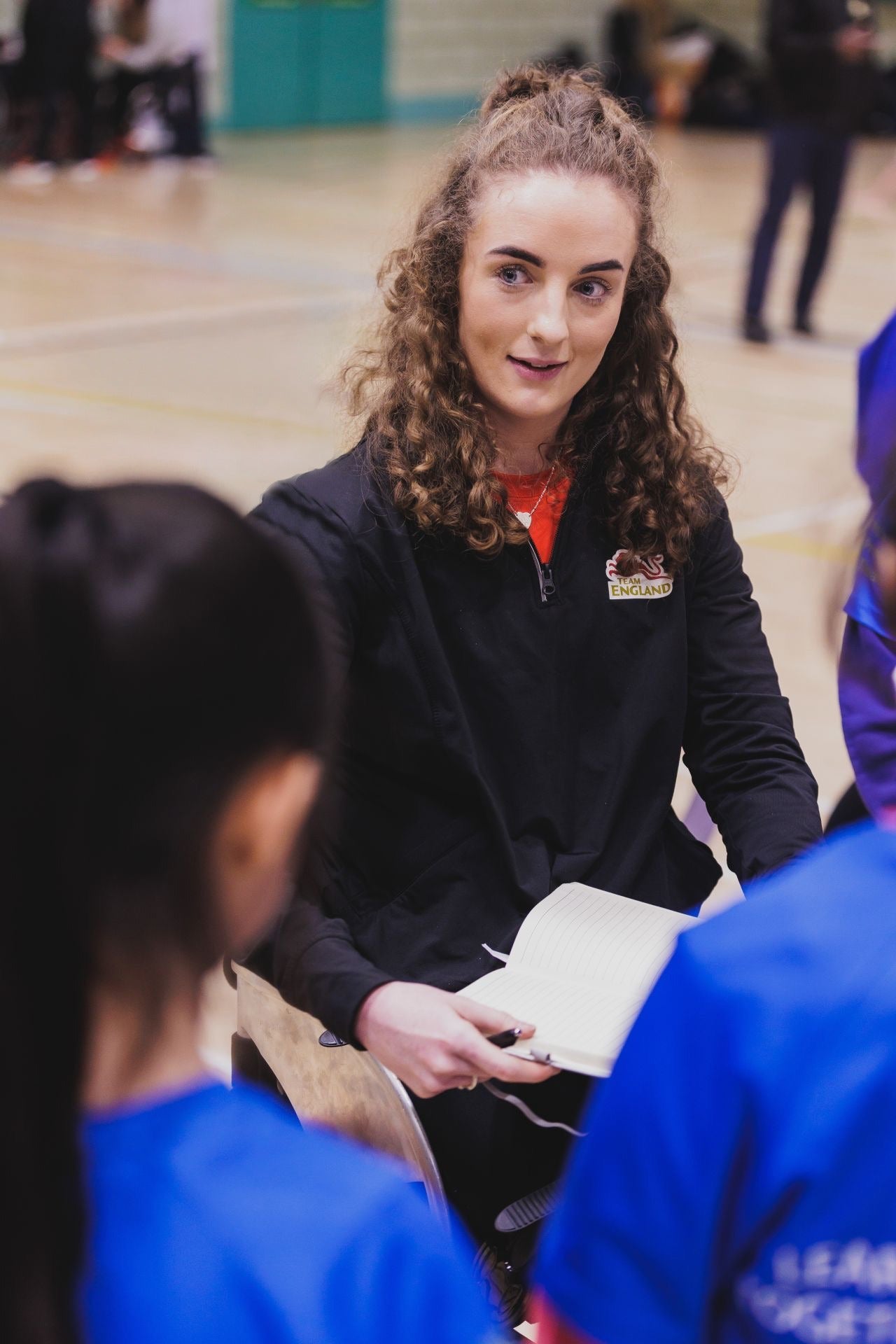
Now aged 28, Siobhan delivers inclusive PE at both specialist and mainstream schools across the UK when she is not representing her country. These are sessions designed to engage all learners regardless of their needs, and can be adapted versions of current lessons.
“I couldn’t do GCSE PE because I couldn’t do four sports,” she explained. “I was representing my country at 15, and I couldn’t do it. It wasn’t because my school didn’t want me to do it, it was because the curriculum wouldn’t allow me to do it.”
Siobhan was unable to do any sports other than wheelchair basketball, meaning she was not allowed to do GCSE PE when she was at school because she needed to be able to do four. But pupils studying the qualification since 2018 have been assessed in three activities, and there is now a wider range of choices and more accessible sports in the curriculum, such as powerchair football and table cricket.

-and-her-twin-sister-Laura.jpeg)
Last year, the government announced £300,000 funding for its Inclusion 2028 programme, designed to deliver more inclusive PE sessions throughout the UK.
“The government seems to be really investing in making mainstream schools more inclusive,” Siobhan said. “My entire secondary school experience was characterised by feeling isolated and excluded, so I’m really passionate about this and want the government to get this right.”
But these lessons are still not widespread, Siobhan explained, meaning many disabled children are prevented from realising their potential in the way she nearly was.
“I feel like it’s a constant battle for a child with an additional need who is already struggling within a mainstream setting to get that support,” she added.
In February, the government set out its proposals for major reforms to special educational needs and disabilities (Send) provision, which are currently subject to an open consultation.
Children who need additional support in nursery, school or college currently access help through the Send system, with their parents applying for an Education, Health and Care Plan (EHCP).

Parents have long called for changes to the system, which is criticised as inconsistent and hard to navigate, but spending on Send children has also ballooned in recent years. Between 2015 and 2025, the number of EHCPs increased by 166 per cent, prompting the government to write off 90 per cent of councils’ Send deficits.
Siobhan had an ECHP for only some of her time at school, in part because her cerebral palsy did not affect her educational attainment in other lessons, and so she did not realise she could benefit from extra support. But, among other things, the funding provision can deliver more inclusive PE support.
Beyond improving this provision, the Paralympic athlete believes a change in culture is needed to improve educational settings for disabled people.
She added: “I think people feel uncomfortable around disabled people sometimes, and they’re so worried about offending people or saying the wrong thing that they just look down and don’t engage at all. I’ve even seen it in schools, where teachers keep disabled people ‘out of the way’ because they’re worried other, non-disabled children will bully them.
“I know how it feels to be isolated – I don’t want other disabled children feeling the same way I did at school.”
Amelia Canning, policy adviser at Sense, said: “Families we support tell us the Send system is under-resourced, adversarial and very difficult to navigate – this needs to change.
“The government is currently consulting on once-in-a-generation reforms to fix the Send system. If done properly, these reforms have huge potential to help disabled children have a better experience at school than Siobhan did when she was growing up.
“It’s vital that the government takes this opportunity to fix what is broken seriously and listens to disabled families about the issues that currently exist in the system. Sense has created a tool to help families share their experiences and respond to the government’s consultation.”
A Department for Education spokesperson said: “Our Send reforms are ensuring children get the right support earlier, in their local school, without having to fight for it, and are being co-designed with parents so everyone has confidence in the system we’re building.
“Every child, whatever their background or needs, should have access to high-quality sport in and out of school. That’s why we’re investing up to £300,000 a year through the Inclusion 2028 programme – upskilling teachers to deliver truly inclusive PE and school sport for pupils with Send.”