

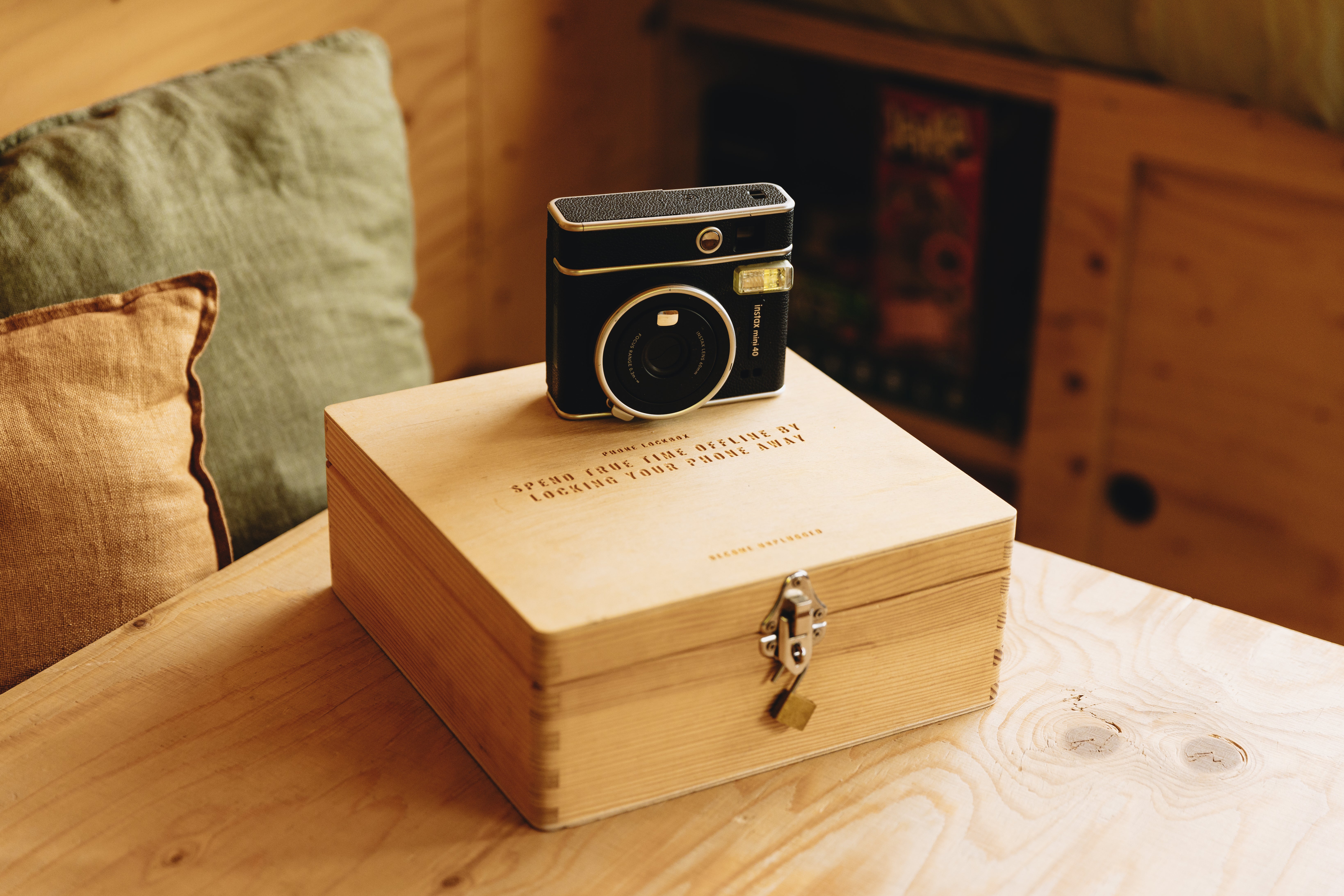
As I place my phone in a small lockbox for the next 48 hours, I laugh nervously at my friends. Outwardly, I’m joking. Inwardly, I feel a surprising wave of anxiety.
I’m spending the weekend in Hertfordshire with Unplugged, an organisation offering tech-free cabins to help visitors escape their daily lives and of course – technology. With over 50 log cabins across the UK and three in Spain, it gives people the space to intentionally go offline and have a period of time when you intentionally take a break from digital devices.
According to Unplugged, it only takes three days to rewire the brain and spending this amount of time offline and in nature can scientifically help reduce stress, promote calm and curb the effects of phone dependancy.
Before arriving, I’d done my due diligence of warning family and friends, and even posted on my Instagram story that I was going off-grid – even for two days, with two friends, it felt like a big deal.
For emergencies, I’m given an old school Nokia at the cabin, the kind most of us haven’t used since primary school – and my mum and best friend are given the number.
Recently, I’ve been trying to reclaim some control over my screen time, dragging my daily average down from a horrifying eight or nine hours to a more respectable four or five. I’ve already noticed the benefits of avoiding my phone for an hour before and after waking: better sleep, calmer mornings, fewer scroll sessions. But this weekend feels like the ultimate test.
After all, there’s a big psychological difference between thinking, ‘I won’t check my phone’, and ‘I can’t check my phone’.
What would we do with the silence usually filled by TikToks playing on loop? How would we navigate anything without Google Maps?
To help matters, we’ve brought along my friend’s dog, both for companionship and if we’re honest, comic relief.
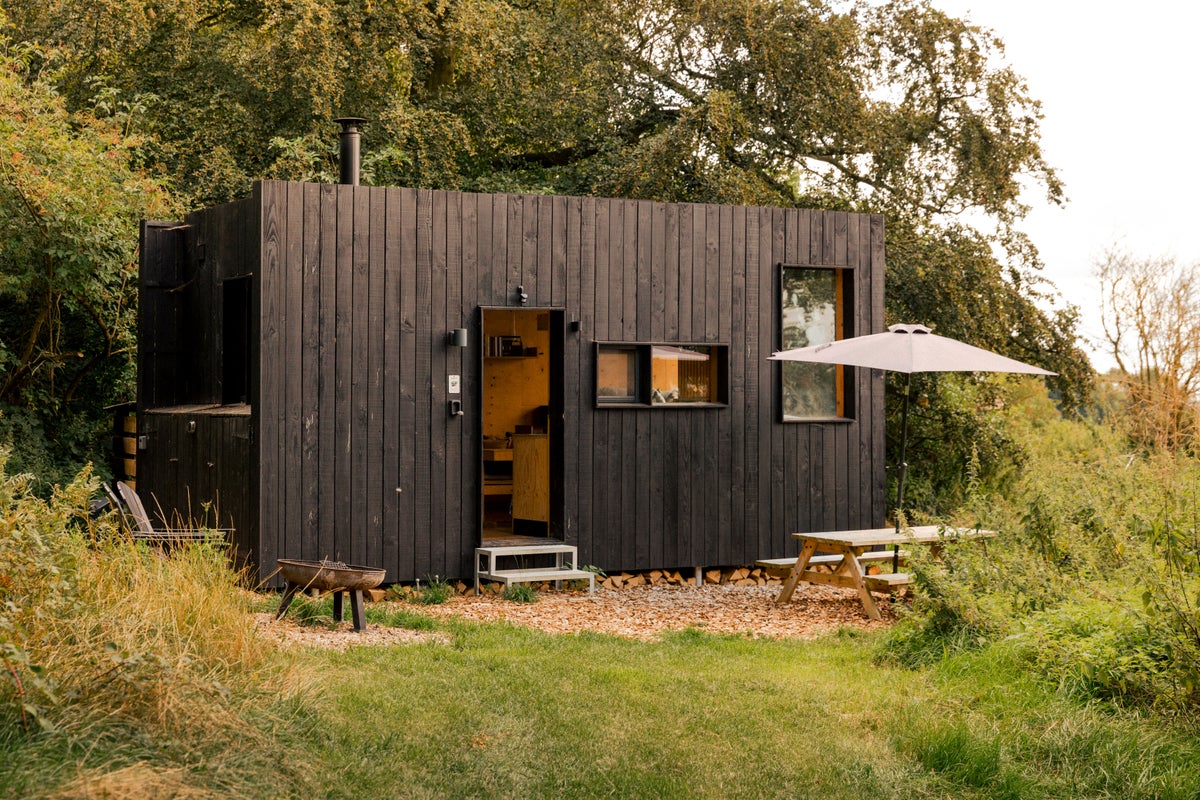
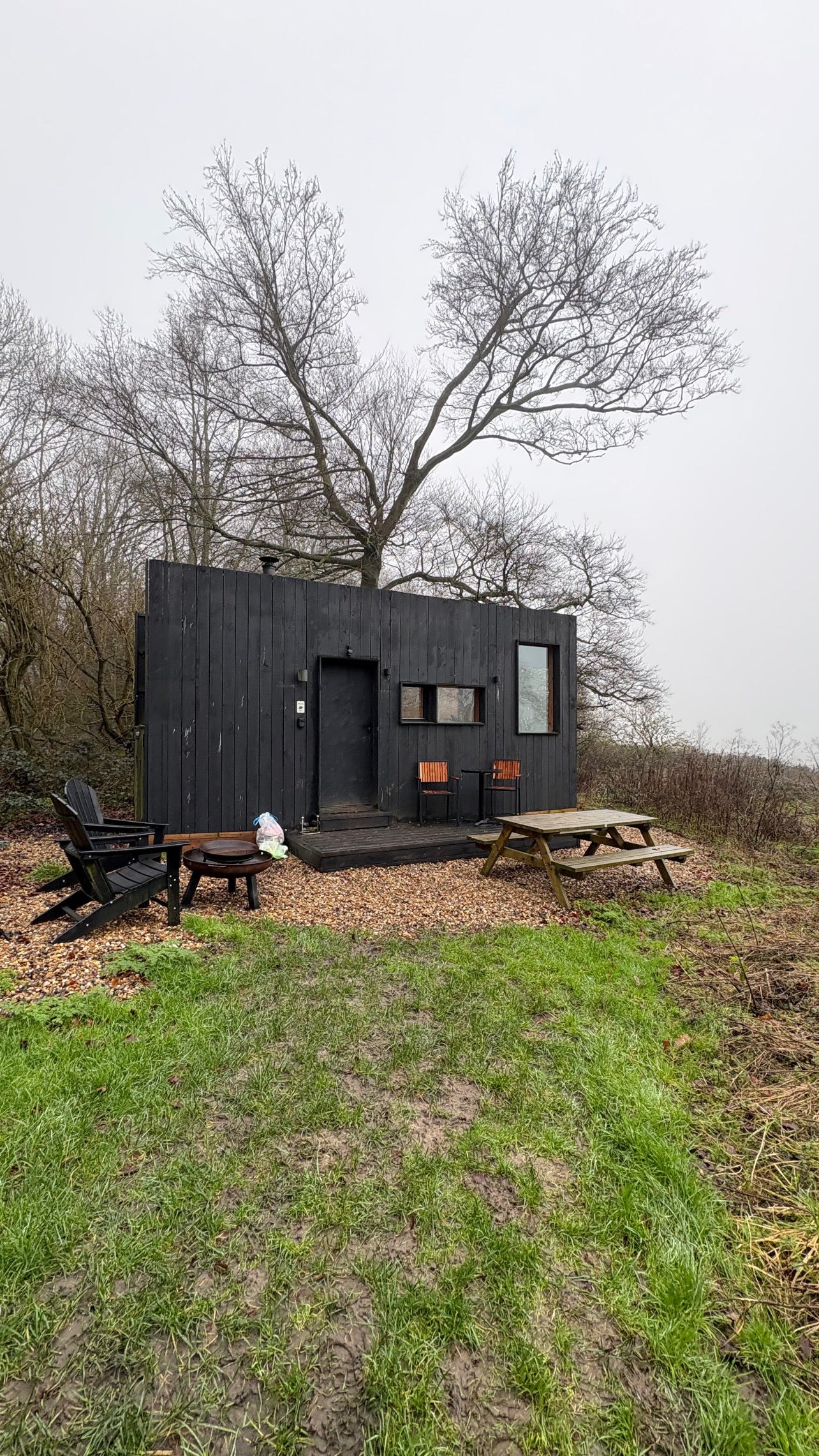
Our cabin, named Monty (each cabin is named after a dog who has stayed there before) in Gaddesden, Hertfordshire, is 45 minutes from London Euston and close to the famous walking route, the Chiltern Way. It’s deliberately remote – a detail we only fully appreciate later.
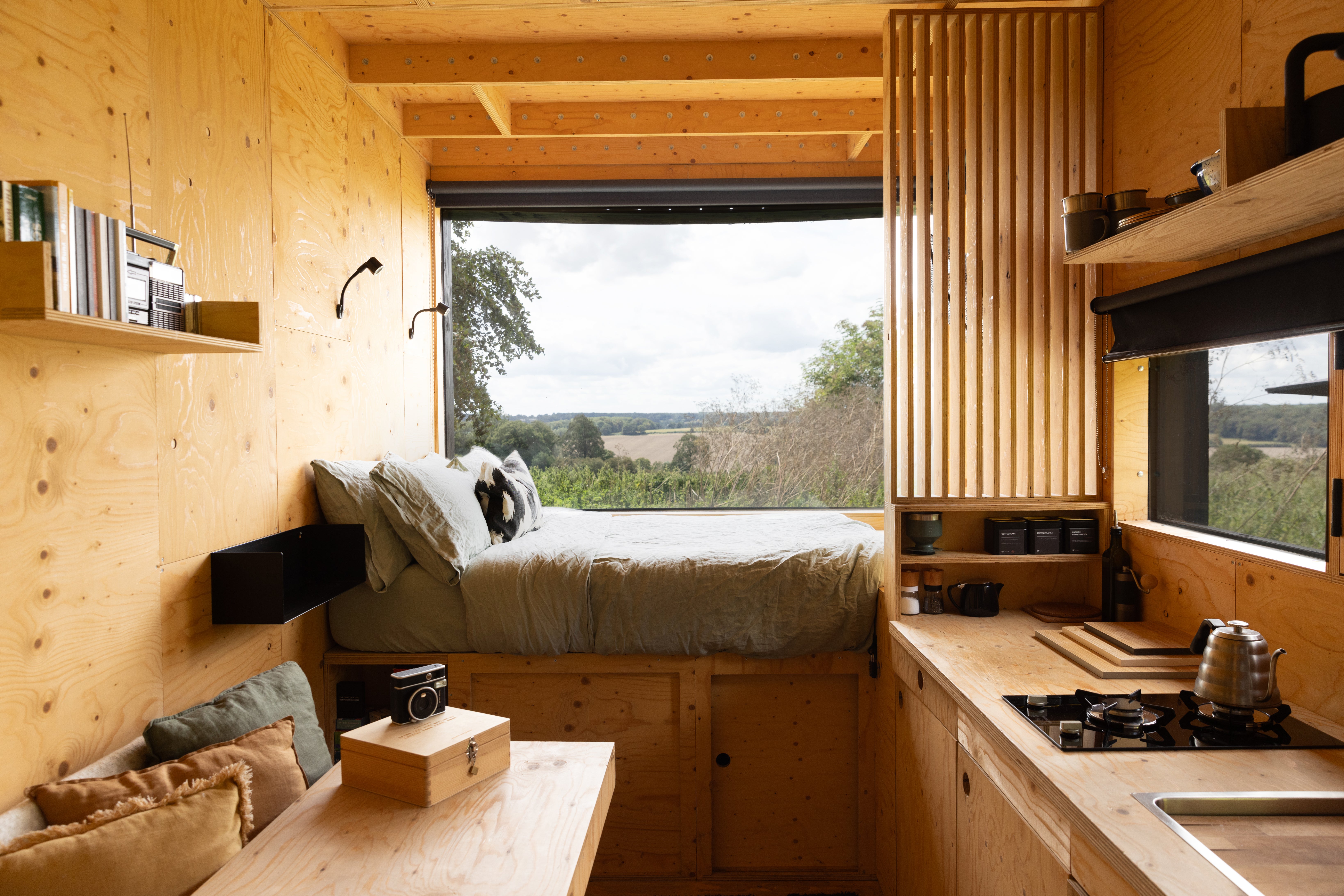
Monty is tiny, but thoughtfully designed. Like every Unplugged cabin, it’s surrounded by nature, powered by solar energy and built with low-carbon impact materials.
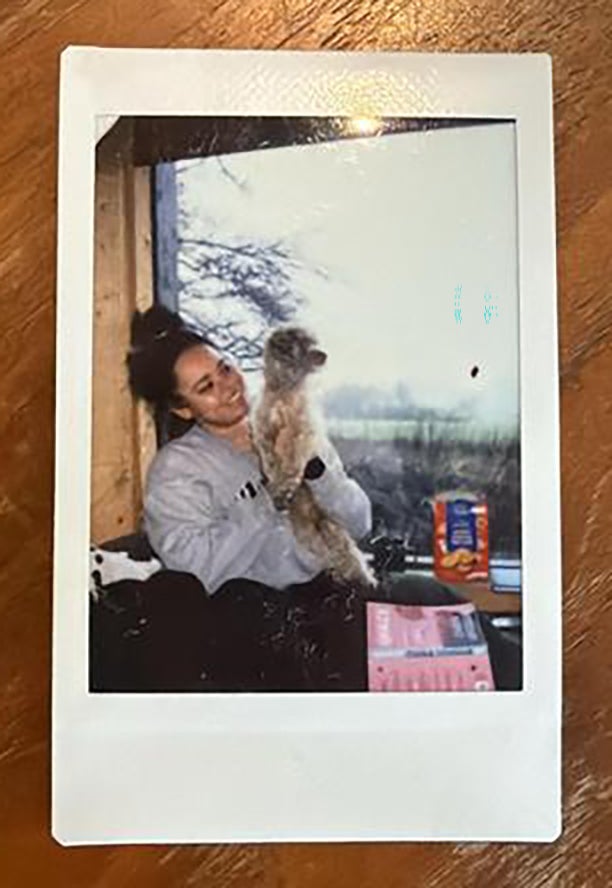
There’s a double bed tucked against a floor-to-ceiling picture window looking out onto open fields (a feature all the cabins have) a small sink, a compost toilet which definitely takes some getting used to, two gas hobs, a kettle, a log burner and a wooden table with benches. Waiting for us are analogue distractions including Scrabble, playing cards, a stack of books, a polaroid camera with 10 films and a radio.
The first evening feels a little bit strange, but also oddly peaceful. We create a tally chart to track every time we instinctively reach for our missing phones. I expect mine to be embarrassingly high but it isn’t – just five times that night.
Instead, I pick up a book I’ve tried, and failed, to finish for months. Without notifications or the lure of ‘just checking something quickly’, I get completely lost in it. We cook, we play Scrabble and I’m hit by a sharp sense of nostalgia. This is what it used to feel as a child when we didn’t have phones and our weekends were filled with games, tasty food and uninterrupted time together.
That being said, I’m very grateful I had brought people along with me. The sounds of the countryside and branches cracking are far more dramatic and scary when you don’t have the option of scrolling yourself into distraction.
But the second day is the real challenge. I feel the novelty wear off and the absence of technology becomes the point – and it’s stark. We wake late, sun streaming through the cabin window and ease into the morning slowly.
It turns out a cup of tea does in fact taste better when there’s nothing else competing for your attention.
Armed with a paper map provided by Unplugged, we decide to walk to a nearby pub, the Red Lion, for lunch.
Having not used a physical map since childhood (I’m 26 and grew up with a smartphone), we take the wrong turn, on foot and add a solid 40 minutes to our journey. It begins to pelt down with rain and I begin to question every choice that led me here.
With no phones to rescue us, we ask strangers for directions. The first man we stop tells us we’re still at least an hour away. We carry on, soggy and lost, until we reach a small housing estate where a woman, Claire, kindly offers us a lift to the pub – even the dog.
The simple act of generosity reminds me of the power of human connection and conversation. We would never had met Claire if we had our phones on hand to follow Google Maps with heads down, or tap on for an Uber.
At the pub, we dry off, eat and chat to locals, including an elderly couple who shrug at our ‘detox’ experiment. This, they tell us, is how life was for them growing up.
In the evening, we use the Nokia to call a taxi back before the lane gets too dark, as we don’t have our iPhone torch lights to rely on, cook dinner and work our way through a card game of questions designed to prompt deeper discussions. Despite travelling with friends I’ve known for years, we find ourselves having conversations we’ve never quite made time for before.
By the end of the 48 hours, something has shifted. The constant low-level anticipation and the need to check, refresh and respond has disappeared. My brain feels quieter and there’s no urge to fall into endless scroll holes or check for updates I didn’t actually need.
When I fully switch my phone back on, the anxiety rushes back almost instantly. Notifications flood in. The calm evaporates. It’s a harsh reminder of just how much our devices agitate our nervous systems without us even noticing.

On the journey home to London, I leave my phone in my bag.
The detox, it turns out, didn’t just last a weekend. Since returning home, my screen time has dropped again and is now closer to three hours a day.
I read every night. I’ve suggested buying Scrabble to friends. On trains, I try to look up instead of down, occasionally making eye contact with people around me, sometimes even having a conversation.
I didn’t expect two days without my phone to feel like gaining something back. But somewhere between getting lost in the rain, finishing that long-abandoned book and talking to strangers, it did.
How to book:
Prices for Unplugged cabins across the UK start at £420 for a three-night stay. Monty, in Hertfordshire, is £445 and £580 on weekends, for three nights. Book at unplugged.rest.
Sara Keenan was hosted by Unplugged for this trip.