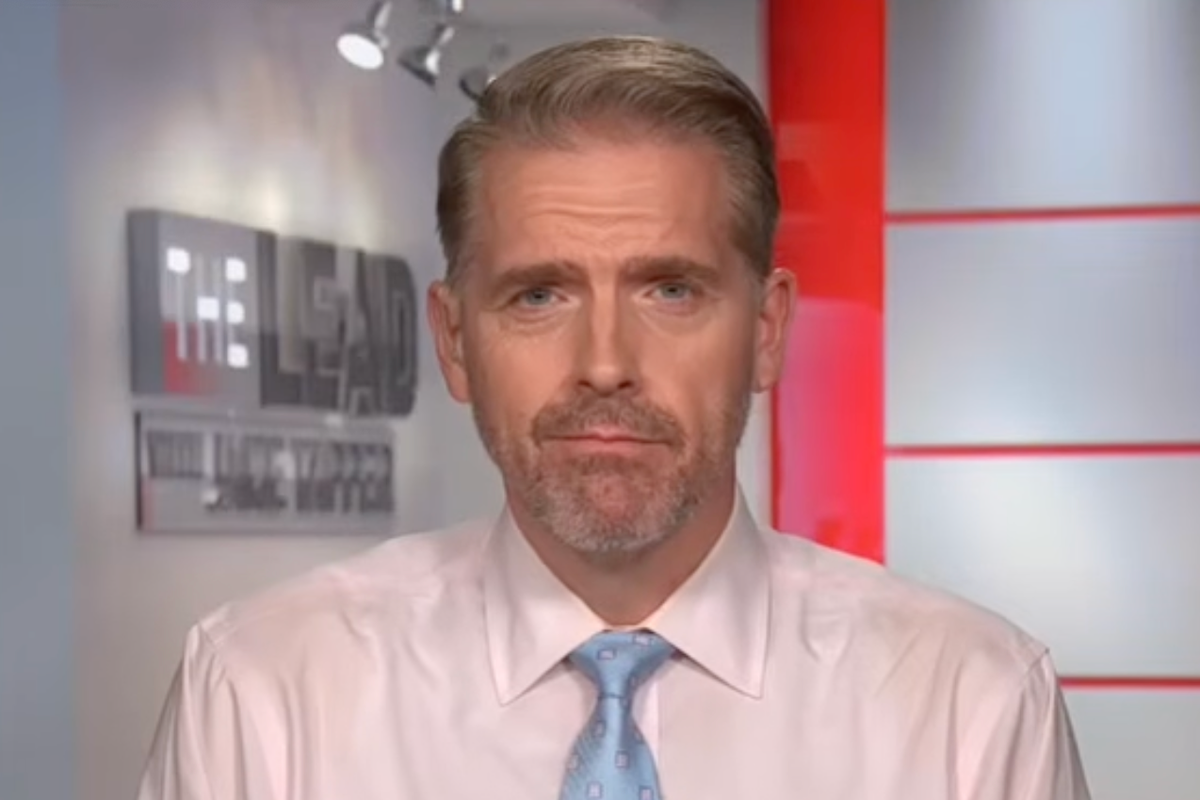


“Without Pip … I’d just be indoors, I wouldn’t do anything, and I’d really struggle,” says Paul Harris. “It gives us that little bit of independence, and I think that’s the biggest thing for me”.
The 46-year-old long-distance runner suffers from anxiety and depression, and has claimed the Personal Independence Payment (Pip) since 2017 to help manage his condition.
With four million claimants, it is the UK’s most-claimed health and disability related benefit. But a landmark report from disability minister Sir Stephen Timms this week found that Pip is “no longer fit for purpose” in modern Britain.
One of the reasons for this is its inflexibility in handling the rise in “fluctuating conditions”, its authors write, especially those relating to mental health like depression, anxiety and ADHD.
Data from the Department for Work and Pensions (DWP) shows that, of the UK’s 4 million Pip claimants, 1.56 million (39 per cent) have conditions relating to mental health, now making them the largest cohort in receipt of the benefit.
This has coincided with a rapid increase in claims since 2019, rising from 2.05 million in January that year to 4.01 million in April 2026. Spending on Pip over this time has more than doubled from £15 billion, to around £32 billion in 2025/26.
But for claimants like Mr Harris, getting the support to which he is entitled proved very difficult. After successfully claiming the benefit for two years, he was called for a reassessment in 2019 where his award was dropped to zero, beginning a two-year legal battle in the midst of the pandemic.


“The thing I found was that there was just no real care,” Mr Harris recalls.
“You felt more like a number or a form than you did a human being. I went to these assessments and you’re just there in a room with a person who’s literally firing questions at you and typing away on a computer, not even engaging properly.”
His assessor reported meeting a “calm, relaxed person”, who did not need any help with their daily living.
“It’s all so targeted towards physically what you can do, rather than how it impacts you mentally,” says Mr Harris, “not really being able to go out, not really being able to socialise, all those things … if it’s just a mental illness that you’ve got, it makes it so harder to actually claim”.
He was forced to take his case to a top-tier tribunal, where the DWP ultimately conceded the case within five minutes of the online hearing. His is one of around three-quarters of Pip decisions that are overturned at the tribunal stage.
Amongst items that help with his mental health like running shoes, Mr Harris says he uses his Pip to fund private counselling sessions after exhausting the NHS’s restricted talking therapies.
Another Pip claimant, Mike, 44, lives with severe ADHD, depression, and PTSD. He explains that he uses his Pip award to fund specialist appointments and medication.
“The government is essentially paying me Pip to manage my mental health because the NHS can’t cope,” Mike says.
According to the British Medical Association (BMA), mental health services in England faced a backlog of 1.7 million people in 2025, following a 37 per cent rise in psychiatric referrals since pre-pandemic baselines.


Responding to the Timms review’s point on fluctuating conditions, both claimants agree that the system could be redesigned to understand fluctuating conditions, but are wary of this meaning a cut or restriction to their entitlement.
“We need to treat people on their worst days, not their best days,” argues Mike, who has worked with the Money and Mental Health charity in its research.
“If we’re going to means-test people, you can’t means-test them on their best day.”
No final recommendations have been made, but mental health charities have warned that the findings must not be used to justify removing or restricting the benefit for those struggling with these conditions.
Sir Stephen’s review was announced last year after ministers backed down on proposals to tweak the Pip assessment criteria to make it effectively harder to claim – and slash £4.8bn from welfare spending in the process.
One of the key criticisms of the plan was that the new criteria would have particularly impacted claimants with mental health conditions, who are less consistently able to demonstrate how this affects their daily living.
Responding to the interim review, Mind CEO, Dr Sarah Hughes CBE, said: “The report echoes what we hear every day: that the Pip system is dehumanising, stressful and damages trust.”
“Pip is a lifeline for people who, through no fault of their own, live with the additional costs of mental illness.”
“So as this work progresses, it’s vital that, alongside improving the process, we also recognise that in a decent society we must support those facing additional need.”
A government spokesperson said:“The central conclusion of the Timms Review Interim Report is clear: PIP is no longer fit for purpose. The review’s final recommendations are due this autumn and will lay the foundation for deep, sustainable reform.
“We are investing a record £16.1 billion in NHS mental health services this year to ensure every person gets the mental health support they need as early as possible and have met our target to hire 8500 more mental health workers, three years early.
“The forthcoming independent review into the prevalence and support for ADHD, autism, and mental health conditions will make recommendations to ensure that people get the right care in the right setting, as well as how the diagnosis of these conditions could be managed better.”