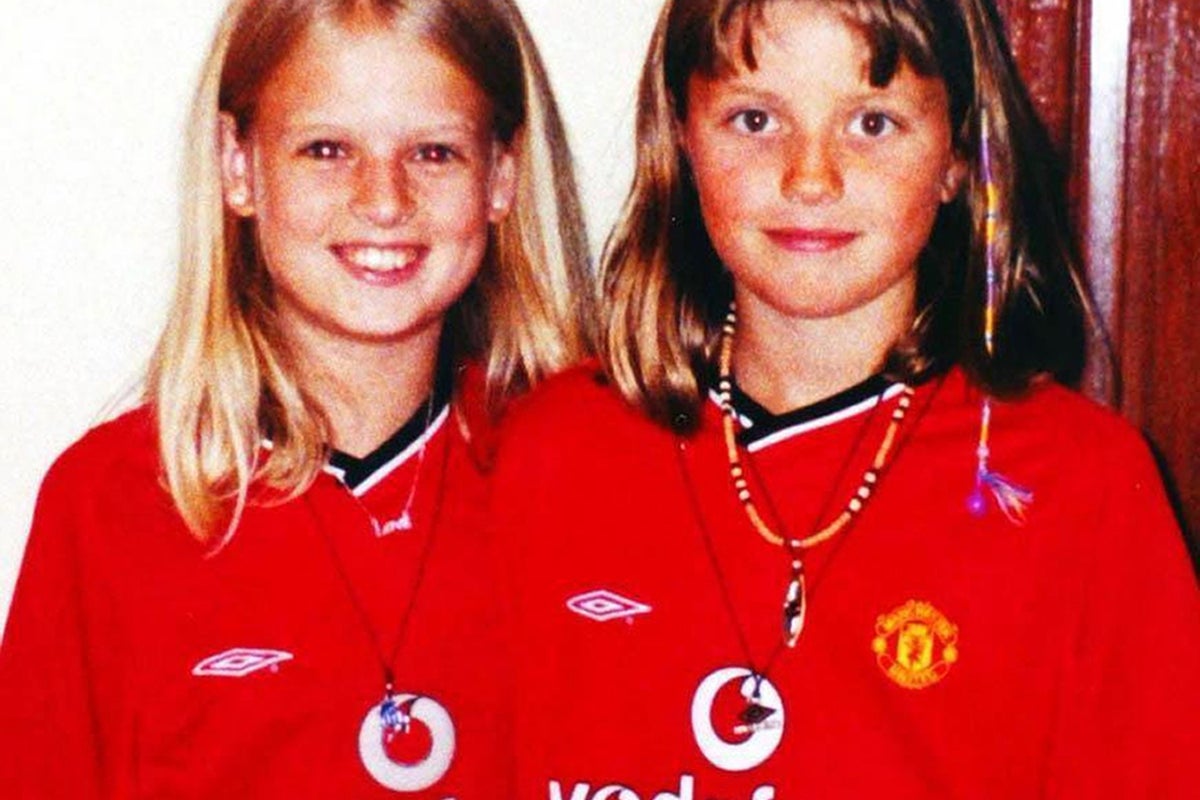
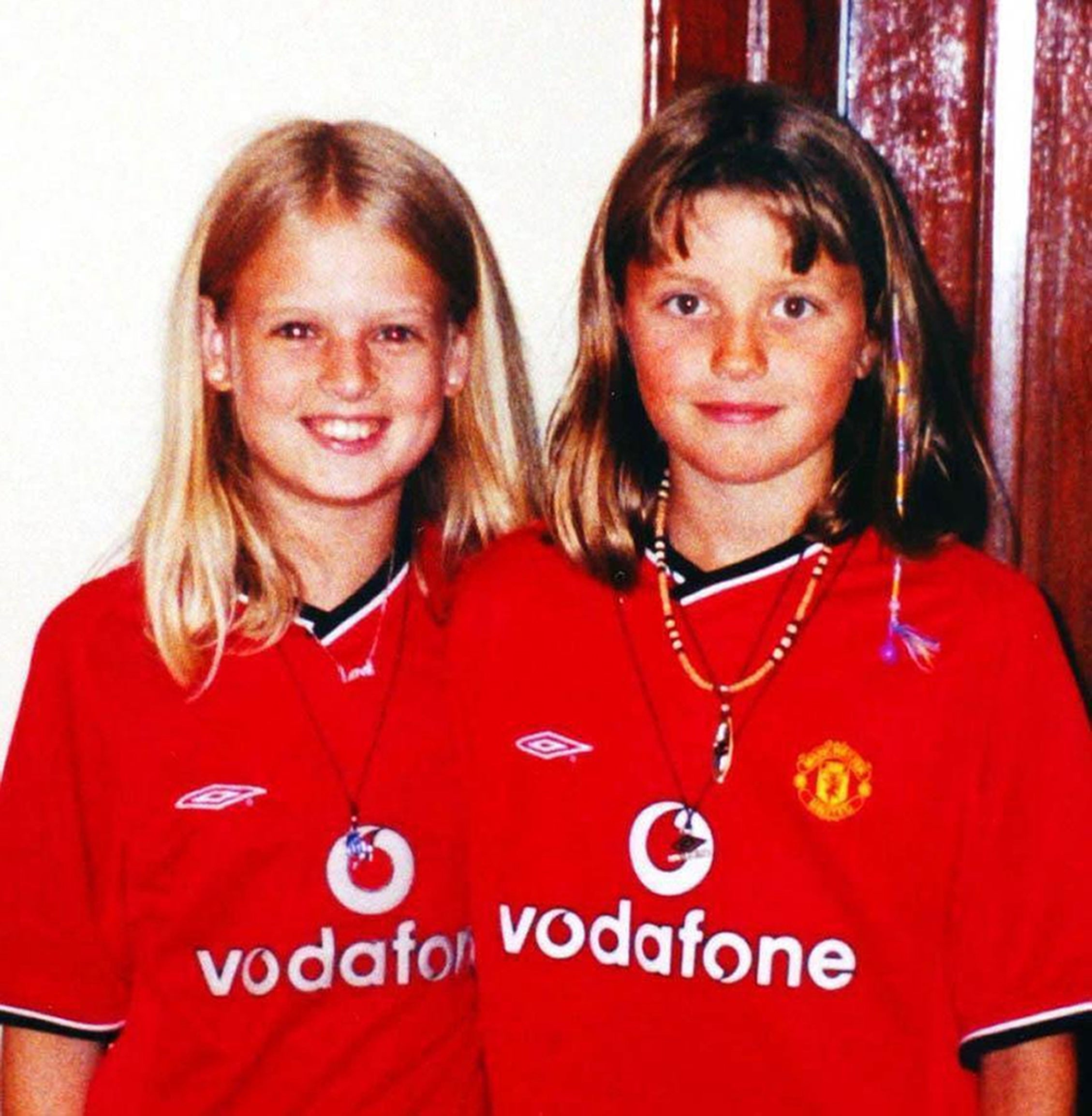
It was just after 5pm on a warm Sunday afternoon when Holly Wells and Jessica Chapman, both proudly wearing their Manchester United shirts, posed for a photo for Holly’s mum.
Wide smiles, joined at the hip, these 10-year-old best friends had enjoyed a family barbeque in the middle of summer, August 4, 2002 in the Cambridgeshire village of Soham.
It would be the last time the two girls were seen alive before being abducted and brutally murdered by Ian Huntley in one of the most shocking criminal cases in modern British history.
For 13 long and desperate days, no one knew what had happened to them – most painfully, their parents, who made repeated appeals for their girls to come home.
But two people did know what had happened – and did everything they could to cover it up.
As a young reporter at the Press Association, I covered the case, alongside scores of reporters who were sent to Suffolk to find out what was going on.

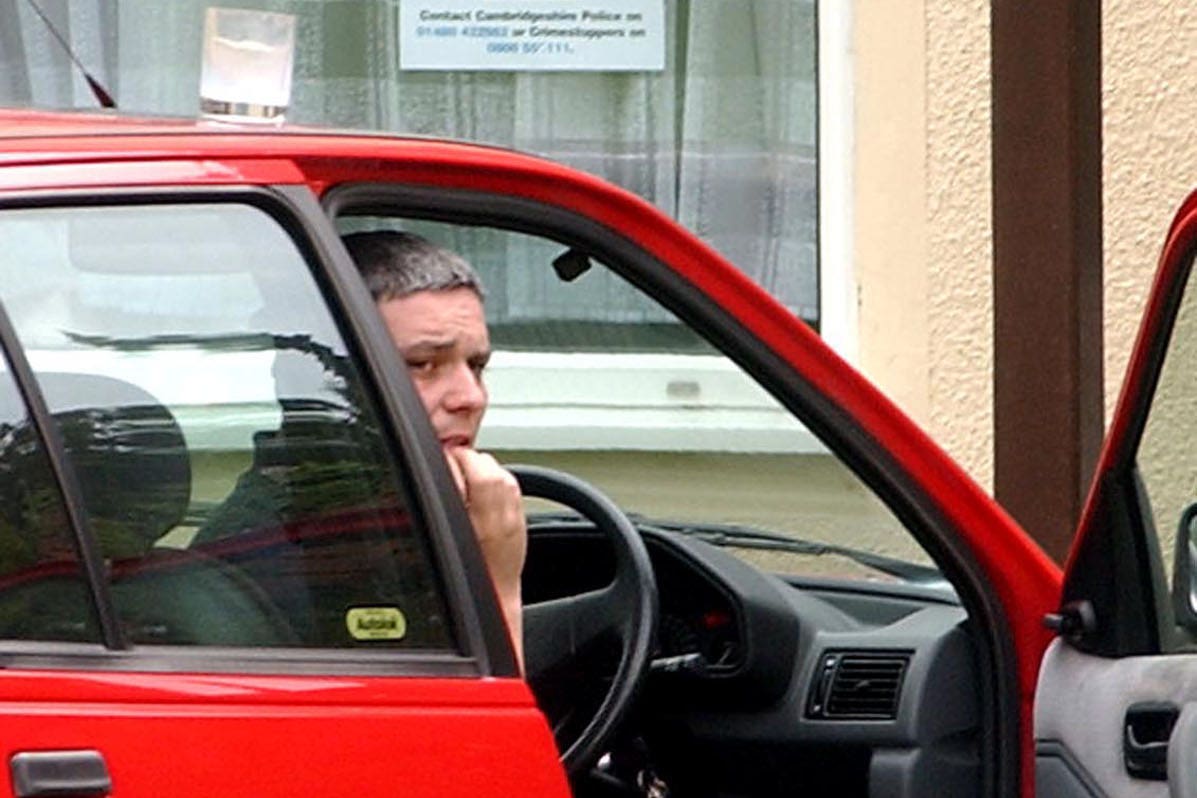
At a hastily convened press conferences at the school hall in the village, the caretaker Ian Huntley was helpfully setting out chairs for the growing media pack and putting them away again.
He spoke regularly to the journalists at the scene, offering his thoughts and guidance.
In one interview with my then colleague Brian Farmer, his answers were so odd – and his behaviour so strange – that Brian had no hesitation in going straight to the police.
Huntley had opined on how the girls may have reacted to being approached by a stranger, speculating that Holly would not have quietly gone with them, but Jessica would have put up a fight.
How could he have possibly known?
But, of course, he did.
As the days ground on, the entire country became transfixed by the plight of these two young girls and the terrible torment their families were going through.
It was only two years since eight-year-old Sarah Payne had been abducted and killed in horrific circumstances in Sussex.
It couldn’t possibly be happening again.

Every day became more desperate as police appealed for details and unconfirmed sightings of Holly and Jessica were made, but no news emerged.
David Beckham – whose name was on the back of both girls’ shirts when they went missing – made an impassioned plea for them to come home, adding that they were not in trouble.
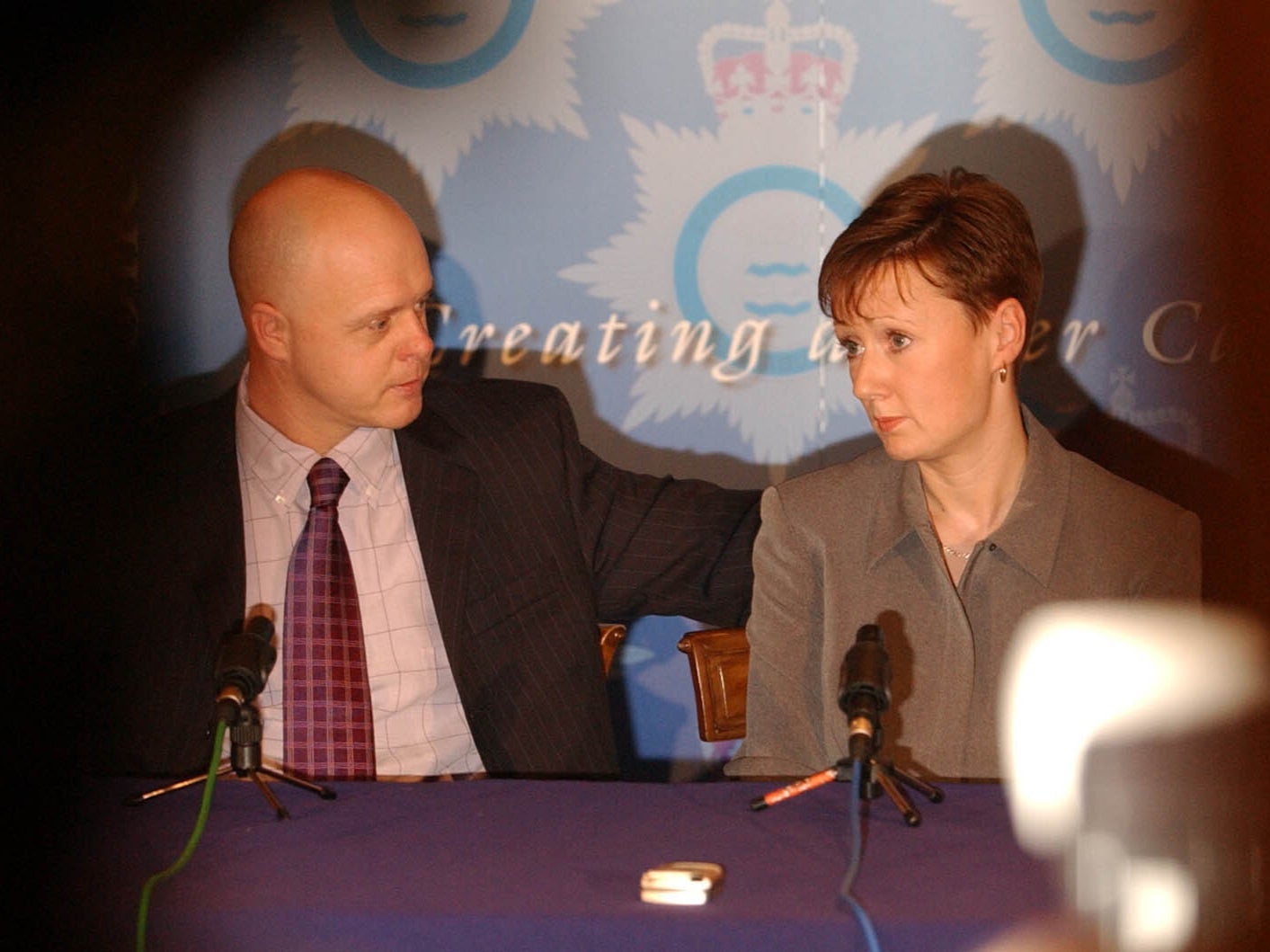
On August 16, 12 days later, Holly and Jessica’s parents came forward to make a joint appeal. Sitting in row, with agony etched on their faces.
It became increasingly clear that to everyone involved in reporting the case, that as each day passed, the chances of finding the girls alive were growing ever slimmer.
The village was filled with reporters, police and locals. Reports of disturbed earth, later ruled out, only added a sense of doom to what lay ahead.
And then, finally, a dog walker stumbled across the remains of the girls in an isolated ditch near RAF Lakenheath. Detectives had also found the charred remains of the girls’ football shirts.

As Soham and the rest of the country reeled from what had happened, the village turned into a bizarre tourist spectacle.
Thousands of mawkish visitors turned up, ostensibly to pay their respects, but began asking for directions to Huntley’s house.
It took the public pleas from the local vicar to make the unthinking hoards stay away. And a horrible precursor to the social media frenzy that has gripped the nation with more recent tragic cases such as Nicola Bulley, who disappeared on a dog walk in 2023.
For Holly and Jessica’s parents, their shattered lives were never the same. The savage attack on Huntley in prison and the manner of his death today will provide little comfort after his evil crimes.