







Sri Lanka’s justice minister Harshana Nanayakkara has accepted personal responsibility after 26 people were killed in the country’s deadliest prison clash in years.
Over 100 people have been injured, including inmates and officers, during the two days of violence at Negombo Prison, in a coastal town north of Colombo.
The unrest started on Sunday with a clash between two rival groups of inmates, allegedly linked to drug trafficking inside the prison.
It was triggered by a dispute over an informant who exposed a drug operation, according to local media reports.

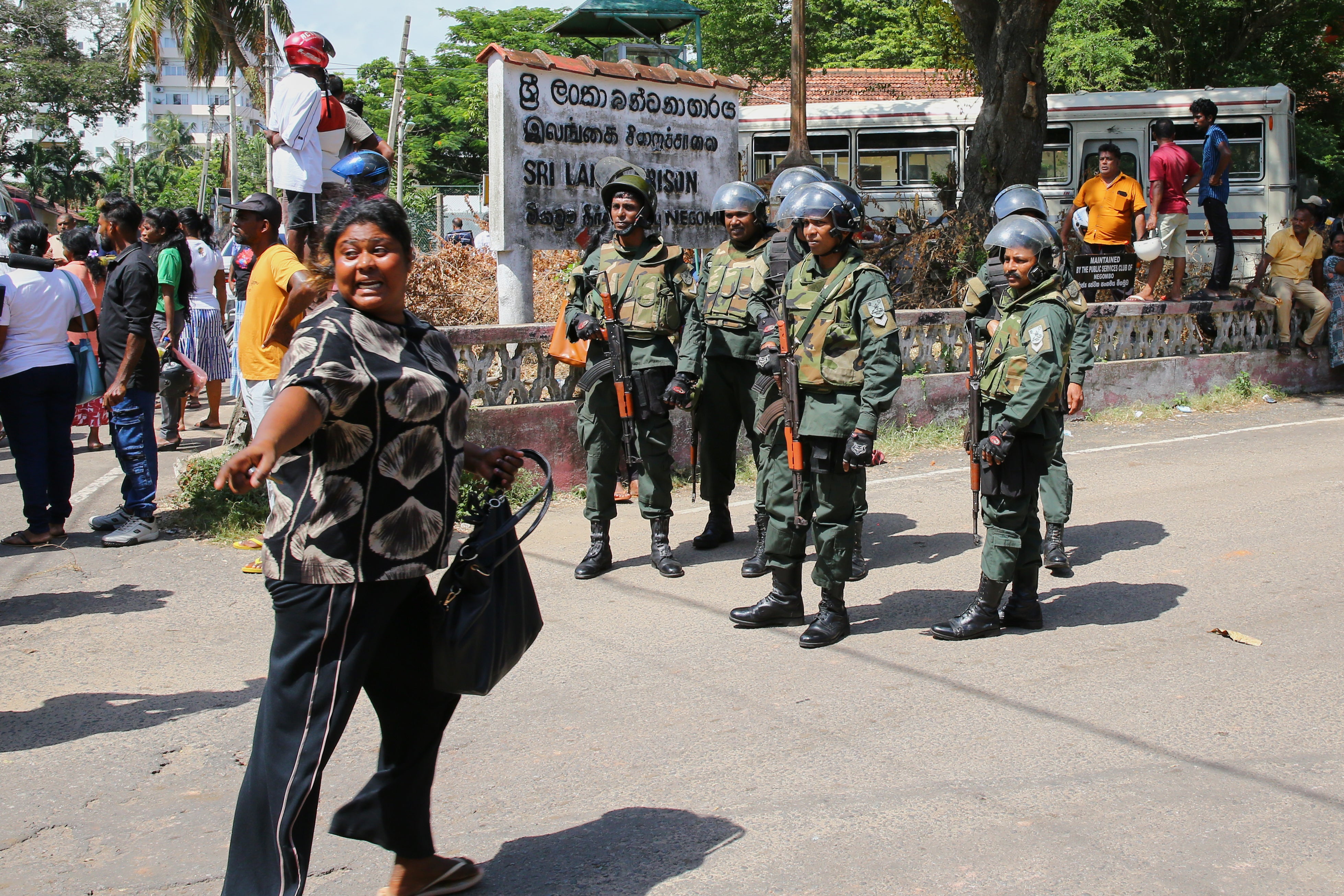
Violence escalated on Monday morning during breakfast distribution when inmates stormed parts of the prison, including the hospital, to steal medicines, used metal objects as weapons, and some attempted a breakout. There were reports of gunfire.
Victims with gunshot injuries, some with cuts and severe bruises, were treated at Negombo Hospital. Around 20 critically injured people were transferred to the National Hospital in Colombo. Some underwent surgery.
Among those killed were seven prison officers and nine inmates, prison media spokesperson AC Gajanayake said.
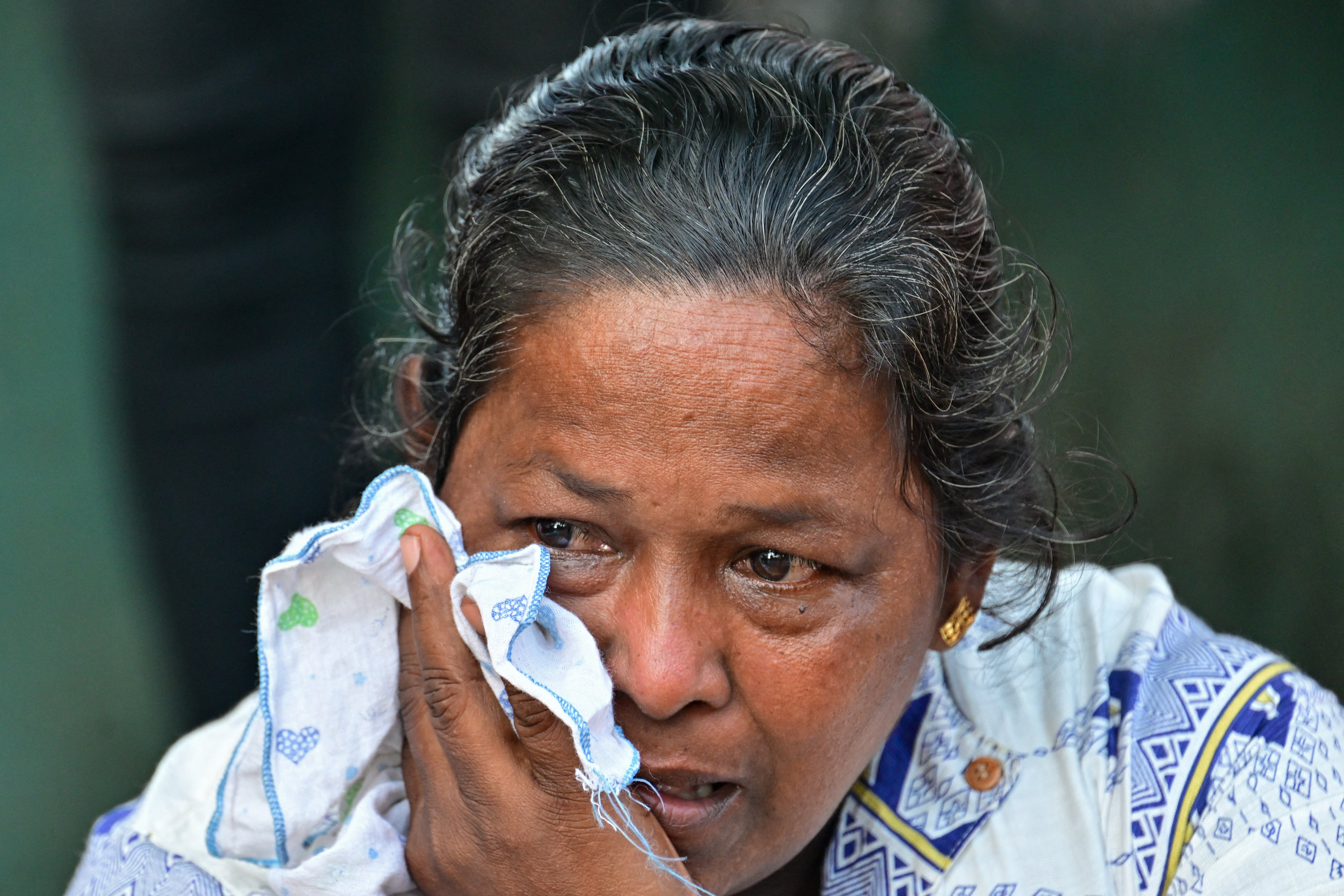
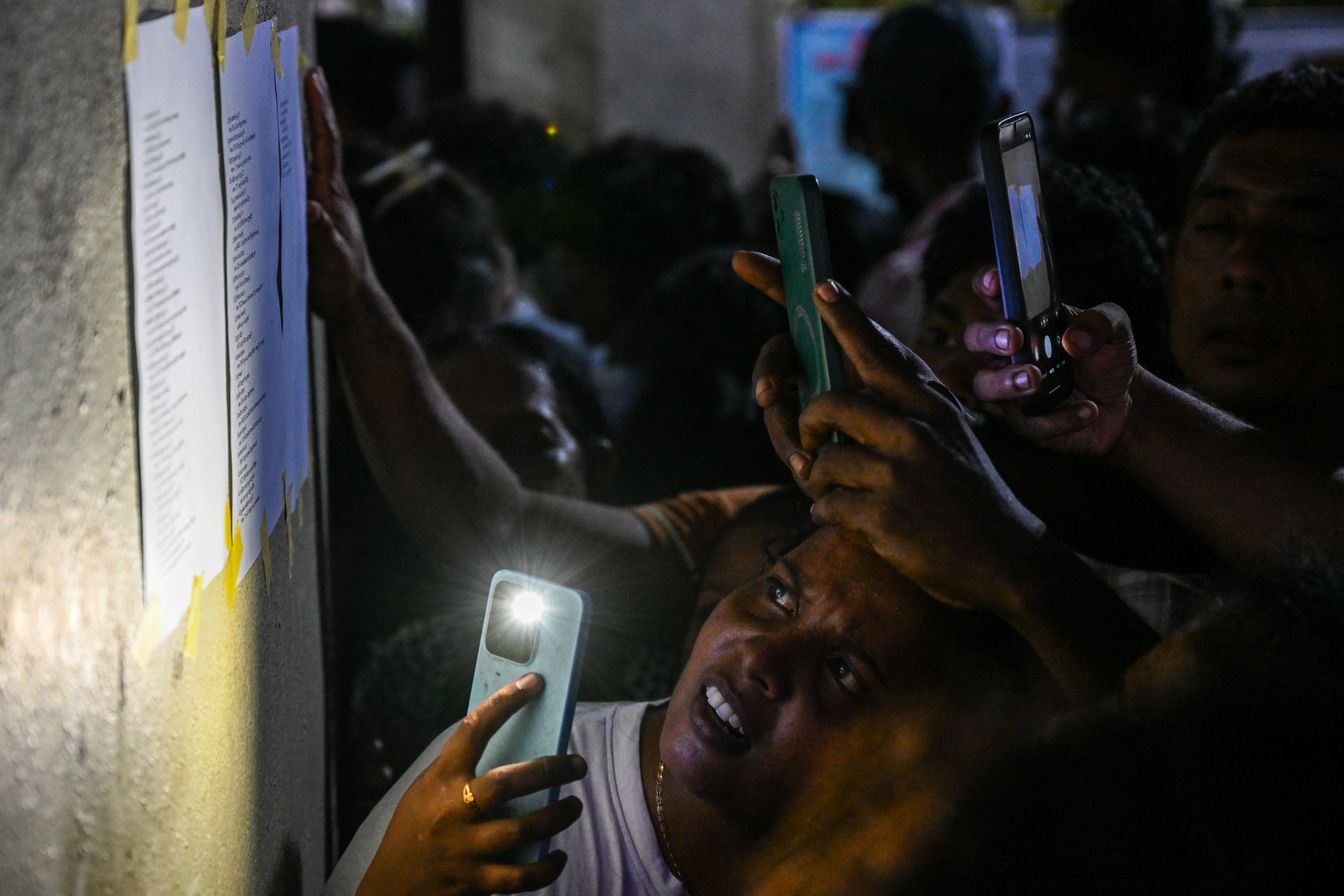
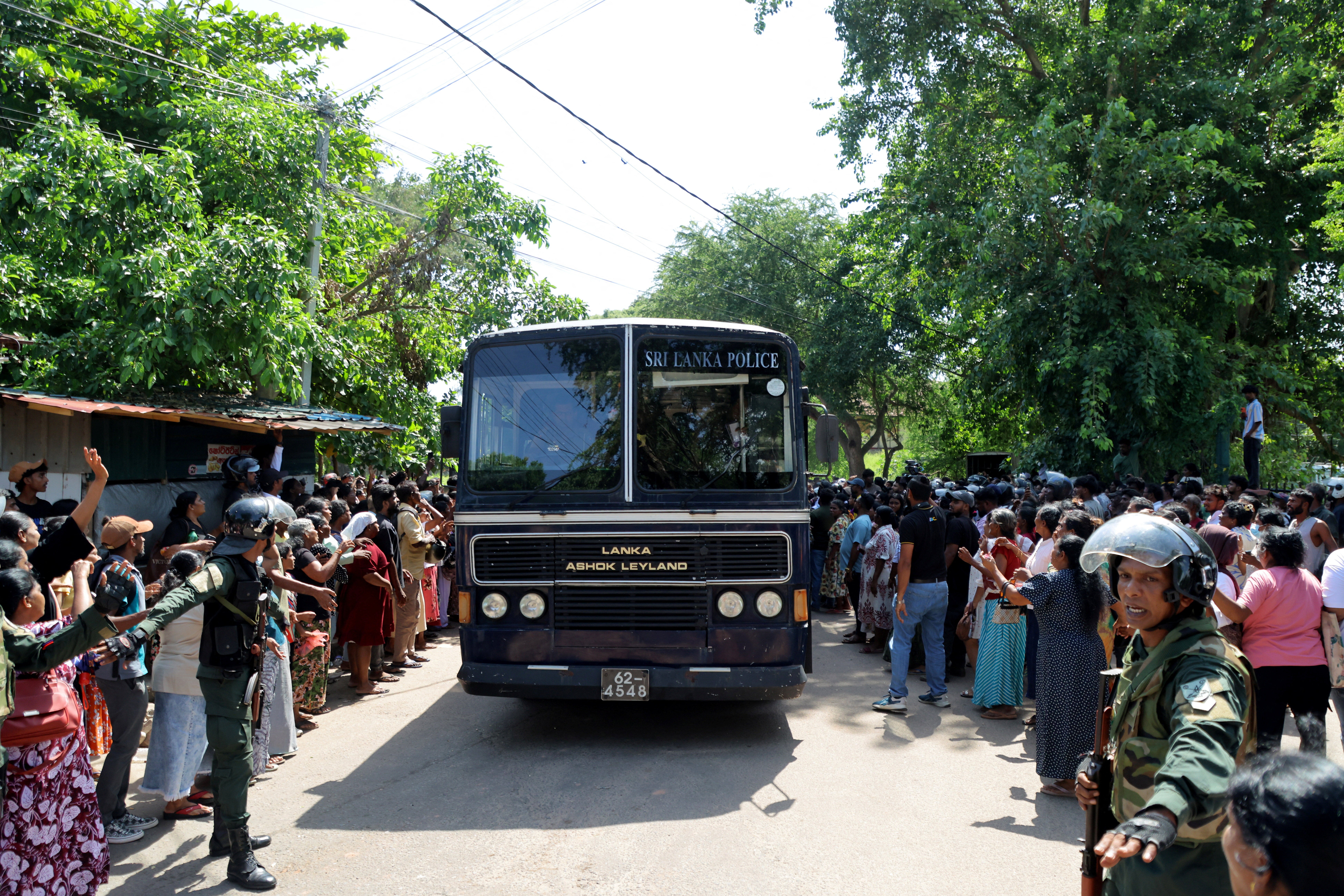
Heart-wrenching scenes unfolded outside Negombo Prison as families of inmates protested and broke down in tears, desperately seeking updates on relatives caught in the deadly riot.
Families demanded answers from prison authorities as they tried to find out about the well-being of their loved ones.

To control the chaos, authorities deployed police, Special Task Force (STF), riot units, army, and air force with drones for monitoring.
Mr Nanayakkara said the unrest had now been brought under control, but stressed that the loss of any life could not be justified and steps must be taken to prevent a recurrence.
“I must say that we are deeply shocked. There is immense grief and trauma. A tragic incident has occurred,” he said. “It has had a profound impact on our staff. The issue concerns both the inmates and the staff. The loss of human lives has caused an extremely severe shock.”
He said authorities would carry out a thorough investigation to establish what happened.

“Now that this incident has happened, we must go to the site, investigate thoroughly, determine the facts, and ensure that something like this never happens again,” he said. “We are not trying to cover up anyone’s mistakes or protect anyone.”
Mr Nanayakkara said the priority was to establish exactly what went wrong.
“As the Minister of Justice, this institution comes under my responsibility. Therefore, I must accept that responsibility,” he said.
“However, rather than rushing to conclusions or expressing regret alone, we need to identify exactly where the problem lies, who was responsible, what failures occurred, how this situation developed, and how we can prevent such incidents from happening in the future.”

Mr Gajanayake said a special prison inquiry, alongside a separate police investigation, had been launched into the violence, with a dedicated team appointed by the Commissioner General of Prisons to determine its causes.
The Negombo prison riot exposes Sri Lanka’s long-festering prison crisis – severe overcrowding, unchecked drug networks, and under-resourced staff – just months into the new government’s tenure. Sri Lankan prisons are highly congested, with more than 39,000 inmates crowded into a system with a total capacity of just 10,000.
In December 2020, 11 people were killed in a prison riot when guards allegedly opened fire to control a riot at a prison following pandemic-related unrest in an overcrowded prison.


