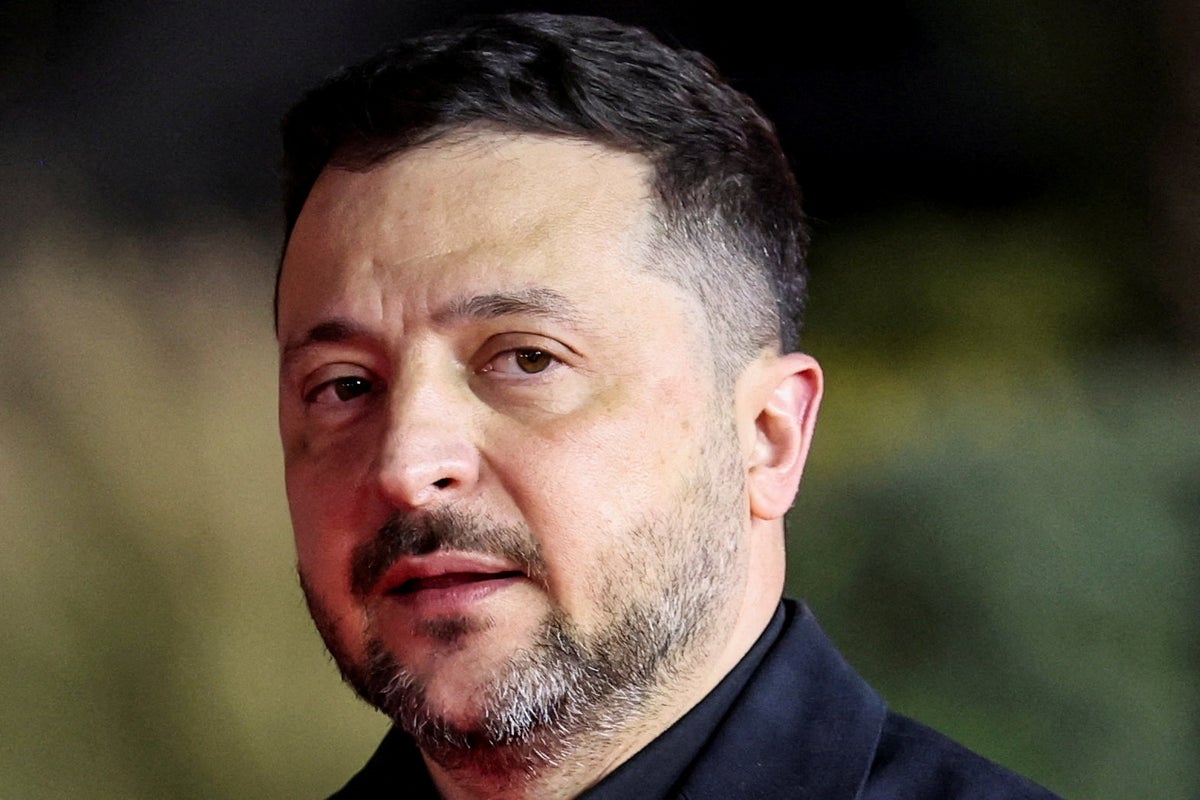
Ukraine has received a shipment of cash and gold, valued at approximately $82 million, which was seized by Hungary earlier this year, President Volodymyr Zelenskyy confirmed on Wednesday. The valuables, destined for Ukraine’s state Oschadbank, were detained by Hungarian counter-terrorism authorities on 5 March while being transported in two armoured cars.
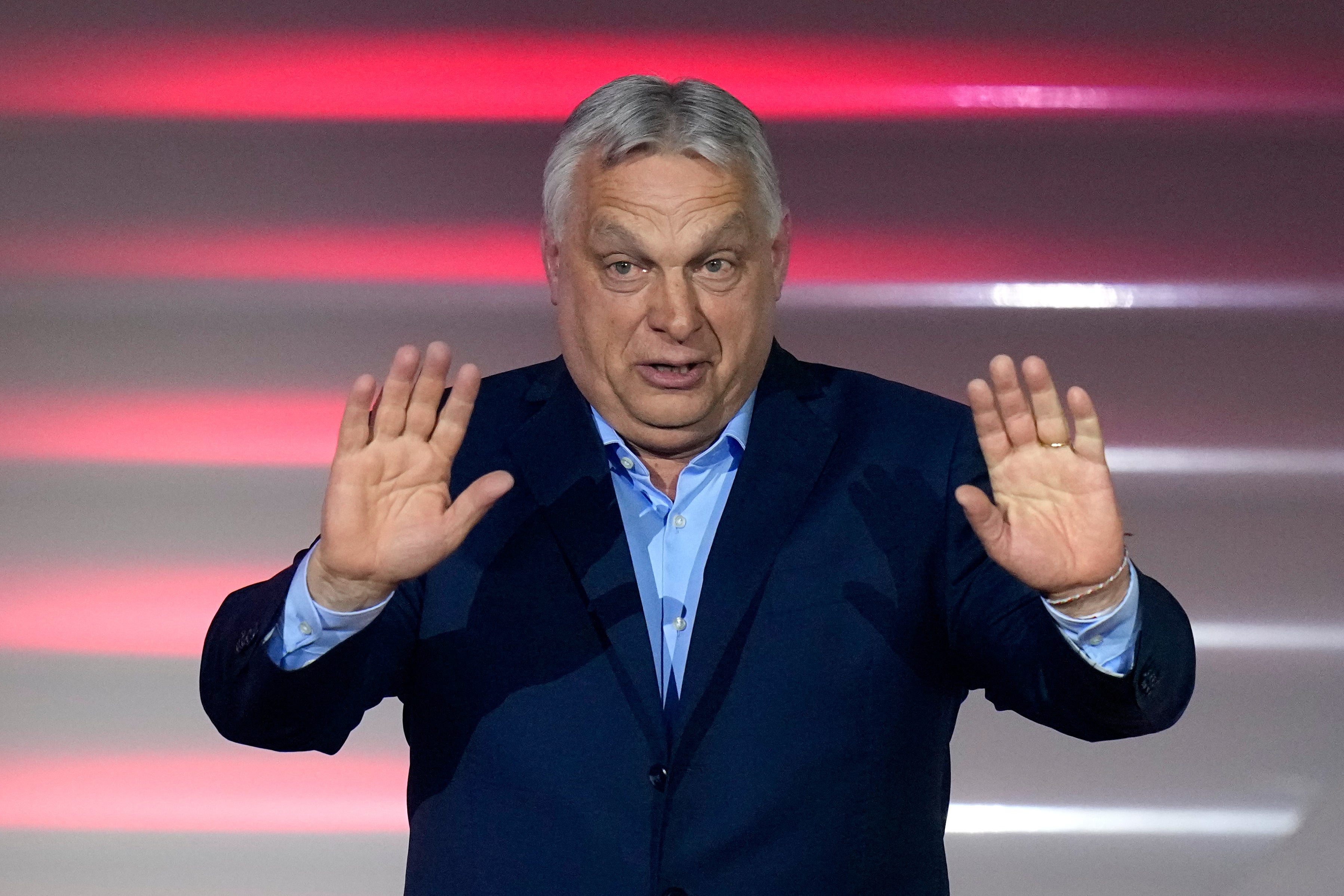
This incident sparked considerable anger in Kyiv, with Ukrainian officials accusing Hungary’s pro-Russian government of acting unlawfully and leveraging the seizure as part of Prime Minister Viktor Orbán’s anti-Ukraine election campaign. The two neighbouring nations were already embroiled in a significant dispute concerning Hungary’s access to Russian oil via a pipeline crossing Ukrainian territory.
However, Mr Zelenskyy stated on social media that the return represented “an important step in relations with Hungary.” This development follows Mr Orbán’s landslide defeat in last month’s election, which has fostered optimism that the new Hungarian administration will adopt a less confrontational stance towards Kyiv.
“I am grateful to Hungary for its constructive approach and civilized step,” Zelenskyy wrote. “I thank everyone on Ukraine’s team who fought for a fair decision and defended the interests of our state and our people.”
At the time of the seizure, Hungarian authorities said they suspected money laundering, and Orbán ordered that the shipment — which included $40 million and 35 million euros in cash, as well as 9 kilograms (19.8 pounds) of gold — be held in custody for up to 60 days while his country’s tax authority investigated.
Hungary’s tax authority did not immediately respond to a request for comment.

The Ukrainian bank employees traveling with the shipment were held by Hungarian authorities for over 24 hours before being expelled from the country.
Ukrainian officials said the shipment was a routine transfer of assets between state banks, and accused Orbán’s government of blackmailing Kyiv to try and pressure it to restore interrupted shipments of Russian oil through the Druzhba pipeline, which had been damaged by a Russian drone strike.
But Orbán ordered the tax authority to determine the origin, destination and intended use of the shipment, as well as the identity of the seven expelled Ukrainians “and their possible links to criminal or terrorist organizations.”
Orbán also suggested without providing evidence the shipment may have been intended to fund his primary political opponent, the center-right Tisza party, which ultimately won with a two-thirds majority in parliament during last month’s election.
Orbán’s government had blocked a major, 90-billion euro ($106-billion) European Union loan to Ukraine over the interruption of Russian oil via the Druzhba. But once those flows resumed following Orbán’s electoral defeat, Hungary lifted its veto and allowed the loan to go through.