


Hundreds of babies died or suffered brain injury while mothers were catastrophically harmed due to failures spanning more than a decade at hospitals in Nottingham, a damning inquiry into the NHS’s largest maternity scandal has found.
More than 500 cases of potentially avoidable harm have been uncovered by the Nottingham maternity inquiry, including the care of mothers and babies in 94 stillbirths and 62 neo-natal deaths. A total of 120 babies suffered a form of brain injury while nine children were left with cerebral palsy.
Deep-rooted failures in care also contributed to the potentially avoidable deaths of six mothers, while 20 women suffered the most severe category of tear during their labour and 31 suffered life-threatening obstetric bleeding.
The inquiry, commissioned in 2020 after the scandal was revealed byThe Independent and Channel 4 News, has been led by senior midwife Donna Ockenden, who found leaders at Nottingham University Hospitals NHS Trust (NUH) knew there were serious issues in its maternity department going back years but failed to take action.
The 400-page report, published on Wednesday, also reveals both women and staff were subjected to cruel behaviour, gaslit and bullied by a “small minority of powerful leaders” who had been allowed to “infect” the unit.
Ms Ockenden paid tribute to the thousands of families who had spoken to the inquiry as she urged their voices to become a “catalyst for lasting national change”.
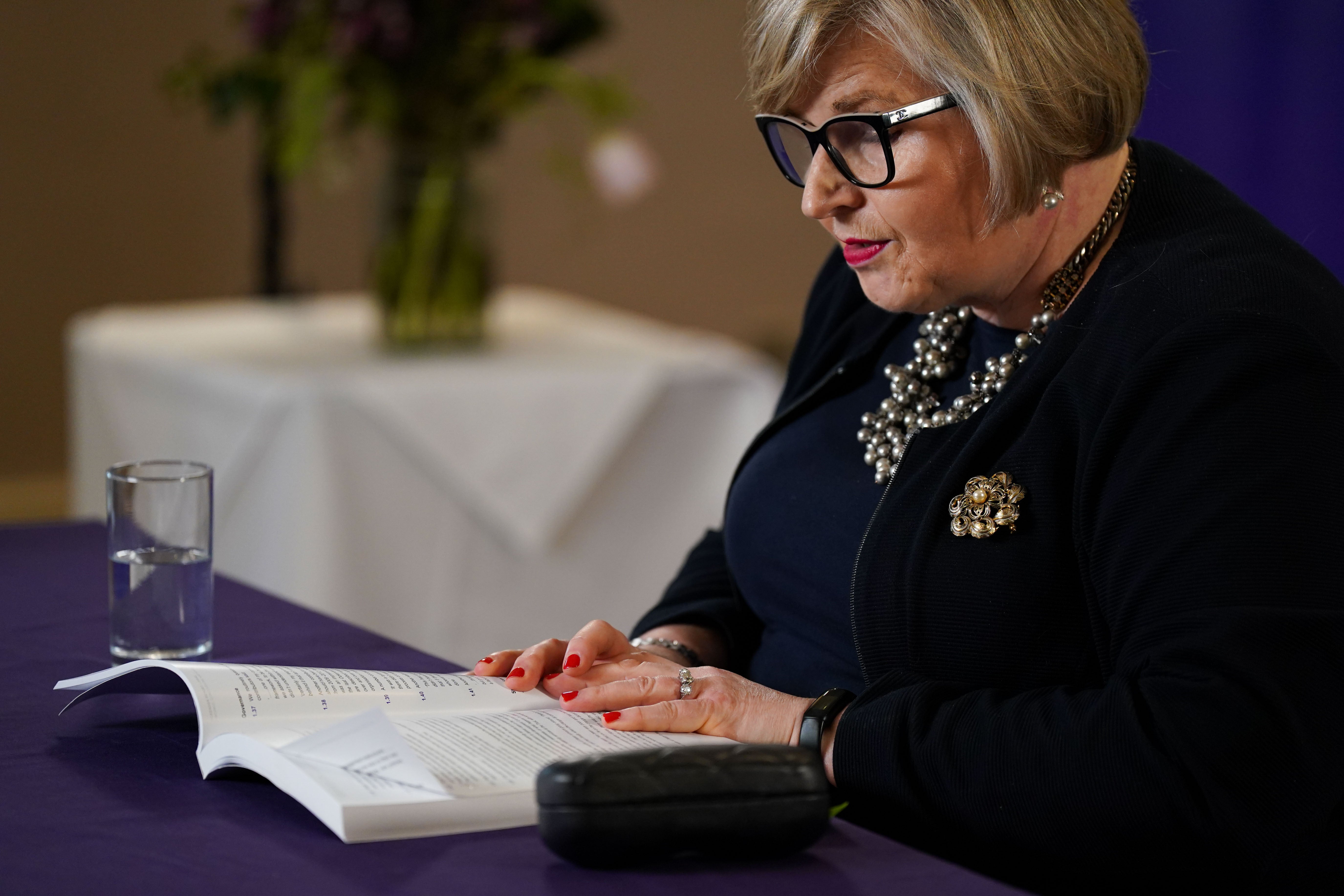
She said: “A civilised NHS will be judged not only by the excellence it achieves, but by the harm it prevents. In maternity care, where trust is absolute and vulnerability acute, failures carry consequences measured across lifetimes.”
She added: “We owe it to every mother, every baby and every family whose terrible experiences are recorded here that they are never repeated.”
Among the revelations, the report found:
- Repeated examples of failure to protect the dignity of dead babies, including one who was disposed of as “clinical waste”
- A recurring pattern of women’s concerns being minimised, with mothers being blamed or judged when raising concerns
- A bullying and toxic culture within the hospital meaning staff felt unable to raise concerns while operating in “crisis mode”
- Leadership instability which was a “major contributing factor” affecting the quality and safety of maternity services
- Evidence that harm was “sometimes downgraded” by the trust, with some families told babies had died of natural causes when that was not true
- Patients being subjected to psychological harm due to issues such as inadequate pain relief, lack of compassion and physical trauma
- Inadequate communication support for women whose first language was not English
More than 2,500 families and more than 800 members of staff contributed to the inquiry, which looked at cases between 2012 and 2025.
The report found failures in the monitoring of babies, poor CTG interpretation, a failure to recognise babies were in distress during labour and a failure to escalate some cases to senior doctors.
Staff who worked at NUH prior to 2017 also told also the review team there was a culture of not admitting women who were seeking admission in labour”, with these mothers perceived as “bed-blocking on the labour suite”.
Ms Ockenden also warned that many of the systems of oversight established for maternity care “are no longer fit for purpose”.
Avoidable harm
Overall, experts on the review concluded there were “potentially avoidable” outcomes relating to 444 maternity cases, as well as 76 neonatal (newborn) cases.
All these cases were graded as 2 or 3 for harm, with grade 2 representing “significant concerns” and grade 3 “major concerns” over care.
Grade 2 represents sub-optimal care where different management might have made a difference to the outcome, and grade 3 is where different management would reasonably be expected to have made a difference.
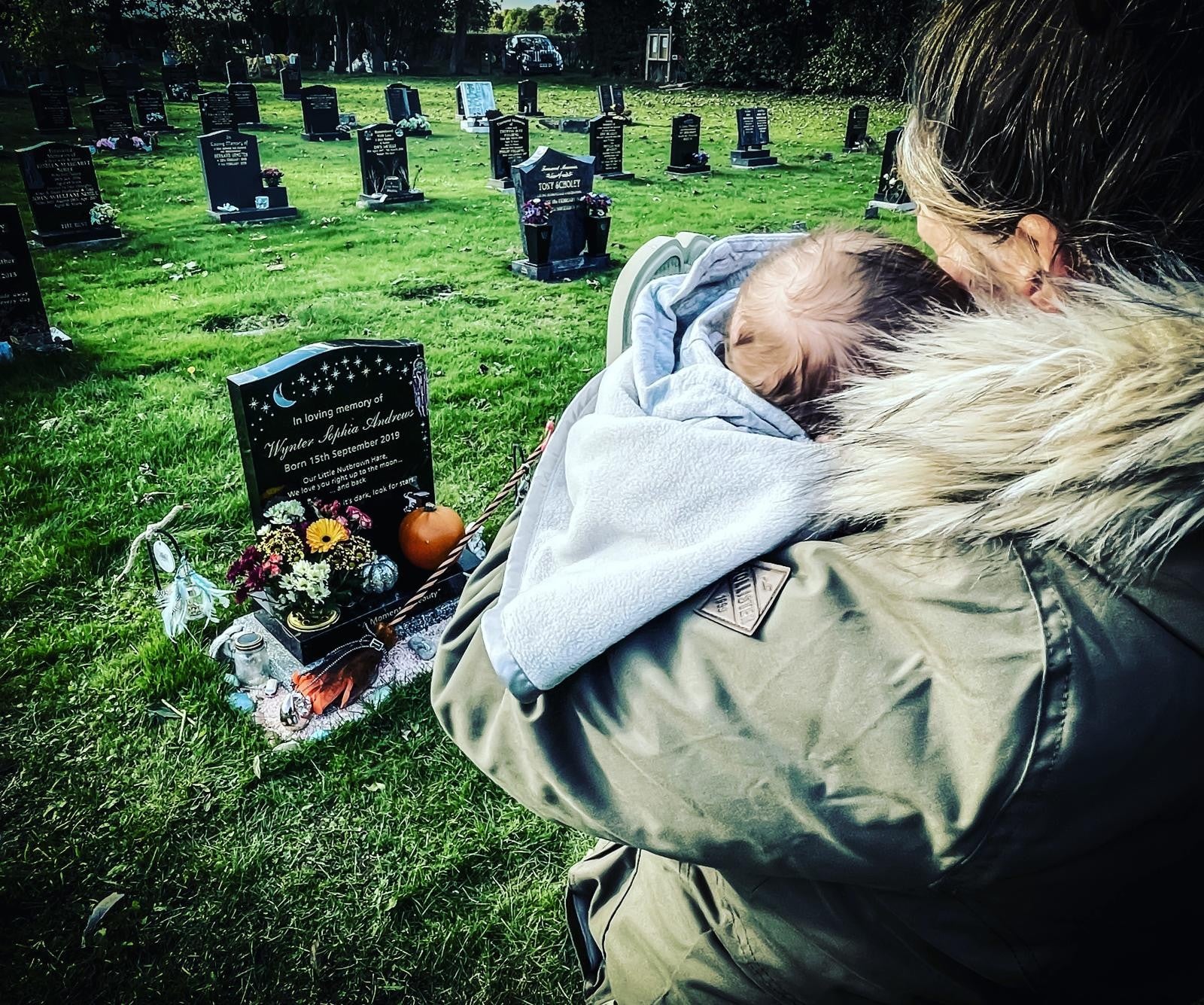
The report sets out in detail the experiences of families and spotlights the case of Harriet Hawkins, who died in 2016 following a catalogue of failures. Harriet should have been born healthy, but instead was stillborn in 2016.
Her parents Jack and Sarah Hawkins, who worked at the trust as senior medical staff at the time of Harriet’s death, refused to accept this and uncovered harrowing details of how the hospital made a series of medical errors.
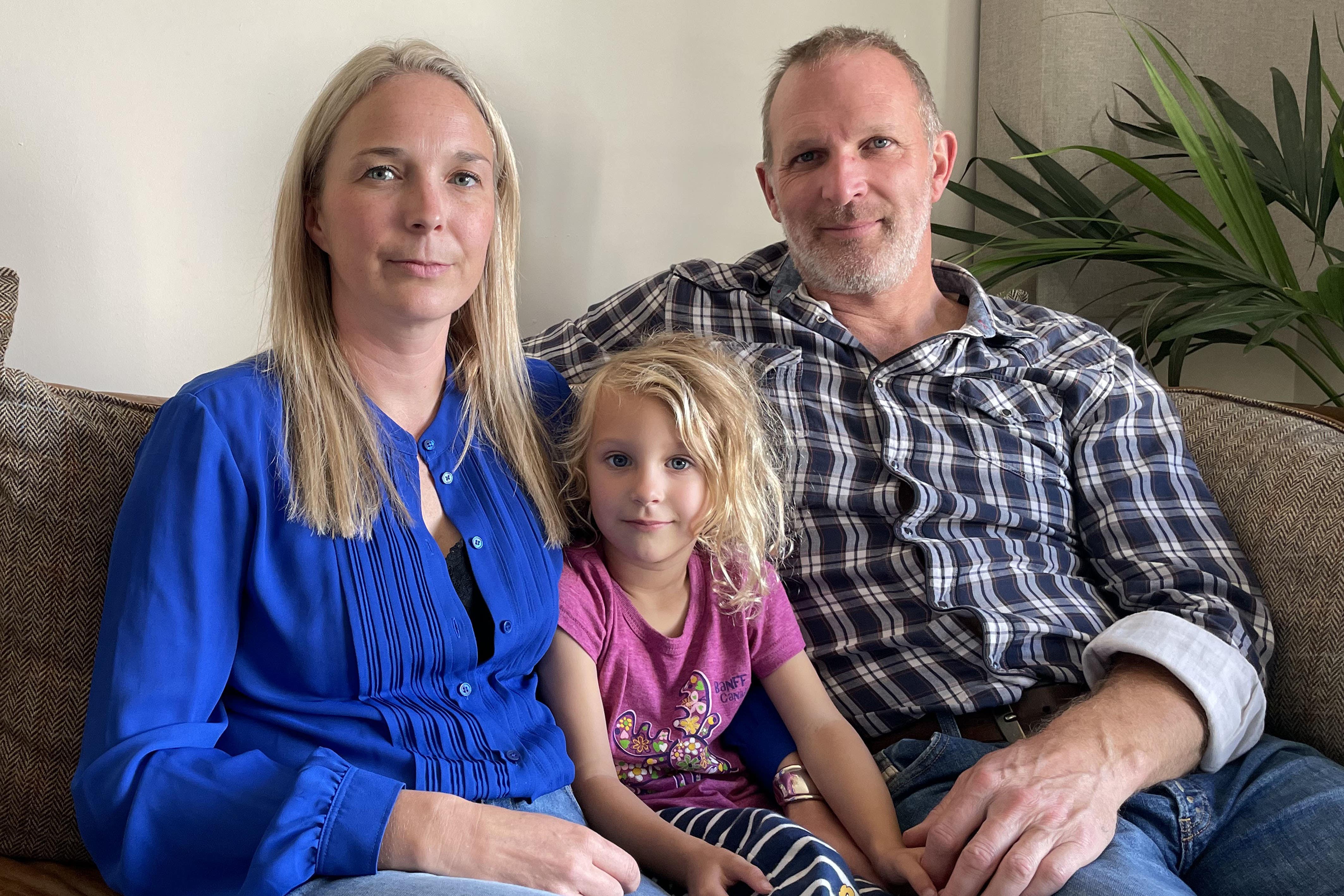
The couple were told by NUH that the death was due to an infection, and an internal hospital review concluded there were no errors in her care. The couple were forced to fight for multiple independent reviews from the trust until they were eventually awarded £2.8 million over the failures in their daughter’s care.
Detailing the case of Jack and Sarah Hawkins, Ms Ockenden said baby “Harriet’s avoidable death was compounded by a systemic cover-up and investigations designed to mislead, which took a profound toll on the couple’s wellbeing”.
She also called out failures by the Nursing and Midwifery Council, the Human Tissue Authority and the Care Quality Commission for failing the Hawkins.
More than 800 staff members came forward to the review, with staffing levels identified as the most pressing concern – just 11 per cent of staff said they had sufficient levels.
The review found that bullying and toxic culture have been a long-running theme in NUH’s maternity services.
Staff who worked at NUH before 2017 told the review team “there was a culture of not admitting women who were seeking admission in labour”. One staff member said: “There was nowhere for those women to safely go to, because they were perceived as bed-blocking on the labour suite”. They said there was a lack of staff and “honestly, when I worked there, it would be when they complained enough, when they complained loud enough…”
Warning signs over maternity services at NUH could be seen as early as 2015, according to the report. Despite this, the report sets out repeated missed chances to intervene.
The inquiry made a series of recommendations and set out actions for the trust and national bodies, including a call for the Department for Health and Social Care and NHS England to provide “adequate funding” to address the “systemic resource gap” that prevents trusts from implementing new national policies.
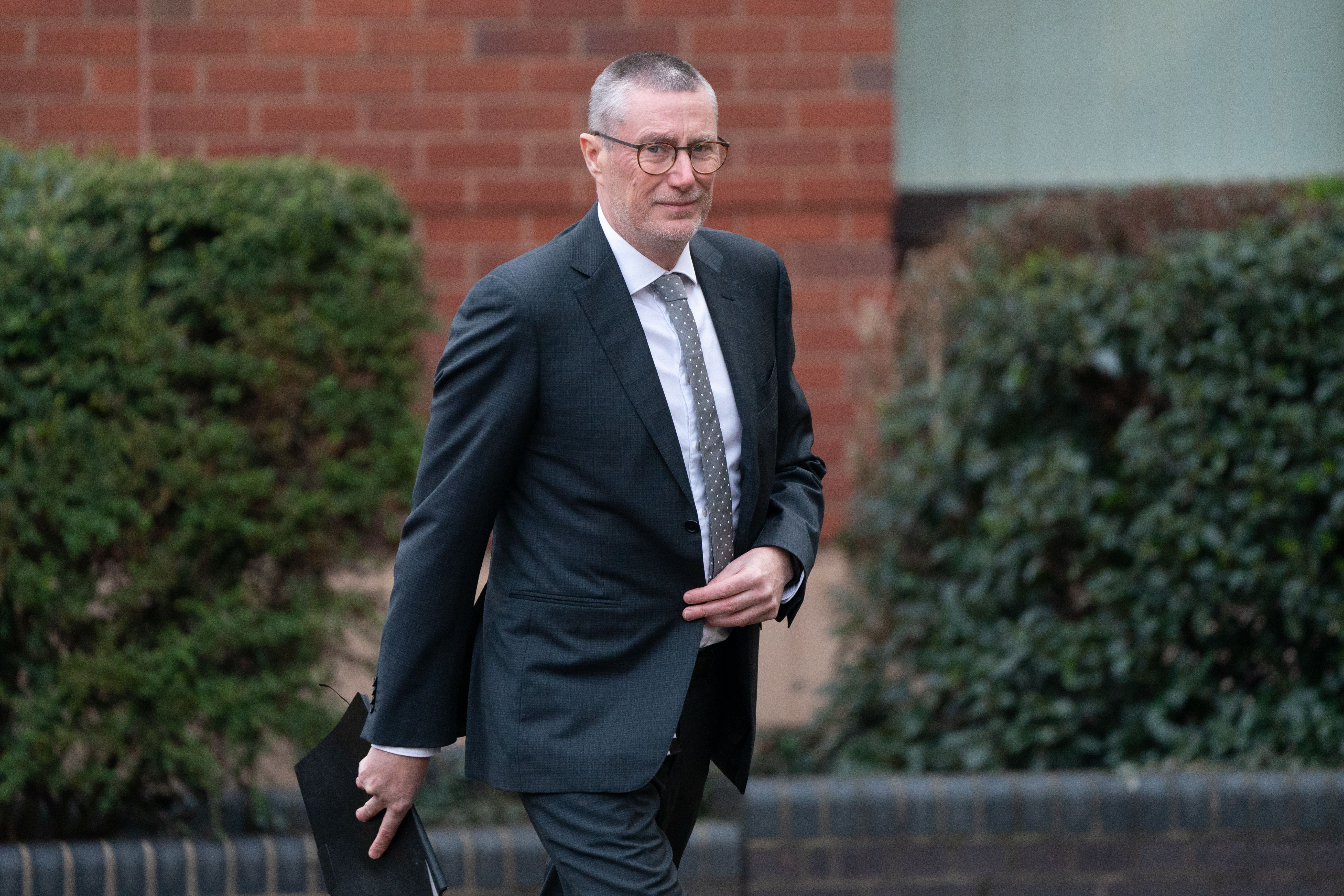
The final Ockenden report comes amid a police investigation into the scandal called Operation Perth. Nottinghamshire Police said on Monday that two men had been arrested “in connection with operating practices in the mortuary service” provided by the trust.
Nick Carver, NUH trust chairman and Anthony May, chief executive, who both joined in 2022, apologised in an open letter and said while improvements have been made, there is more to do.
They added: “We apologise unreservedly to the women and families who have suffered harm, loss, trauma or distress while receiving care in our services.”
Health secretary James Murray pledged to “deliver lasting change”, adding: “We will reflect on these findings and lessons from Nottingham will form part of our national plan to deliver real improvements in maternal and neonatal care for all families.”
In response to the Nottingham inquiry, the Department for Health and Social Care said it will roll out Martha’s Rule to all maternity settings in England. Martha’s Rule, which gives families formalised, 24/7 access to a second opinion, is advertised throughout hospitals.