

Drivers in the UK could face record-breaking petrol prices as soon as this month as the conflict between the US and Iran disrupts oil markets across the globe.
Conflict has spread across the Middle East after the US and Israel carried out strikes on Iran on Saturday, which were followed by retaliatory Iranian strikes on targets in the United Arab Emirates (UAE), Qatar, Bahrain, Jordan and Iraq.
Blasts continue to be reported across the region, as America and Israel maintain airstrikes on Iranian targets. The country’s supreme leader, Ali Khamenei, was killed in a targeted attack on Saturday, and top officials have vowed not to negotiate with the United States.
Follow The Independent’s live coverage for the latest updates
As fighting escalates, Iran has warned that it will “set fire” to any ships trying to pass through the Strait of Hormuz, a crucial shipping channel for the global oil industry.
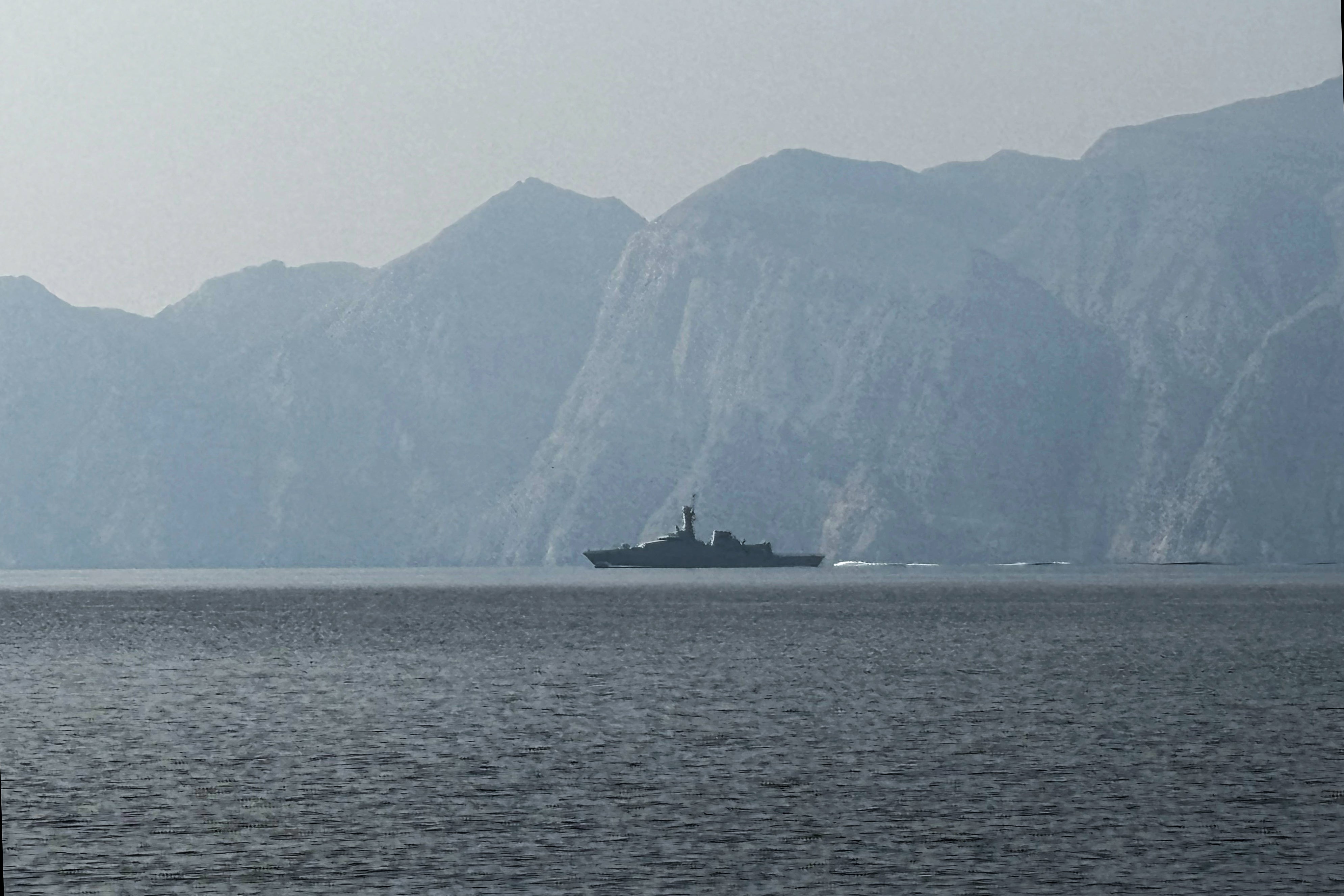
At least three ships were reported to have been attacked near the strait over the weekend, sending the markets into turmoil.
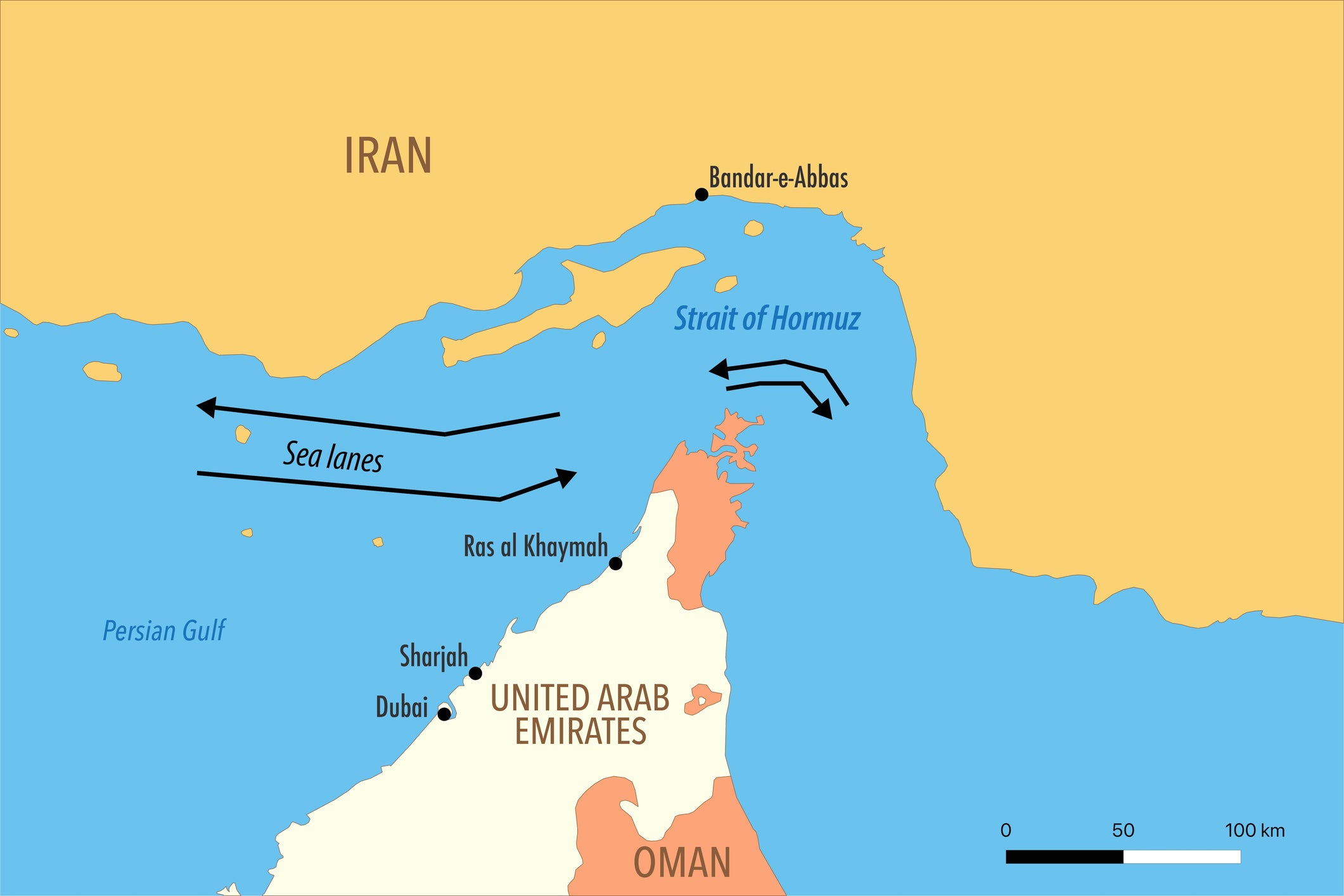
The strait provides the only passage from the Persian Gulf to the open ocean, making it a crucial point for the operation of the oil industry. Around 20 per cent of the world’s gas and oil is shipped through the waterway.
But Iran’s general Sardar Jabbari has said the country will now “not let a single drop of oil leave the region”, prompting international shipping to come to an effective standstill at the entrance to the passage.
It is located in the strip of sea between Iran, to the north, and Oman and UAE to the south. Iran has hit American-linked targets in the UAE cities of Dubai and Abu Dhabi in recent days, meaning missiles are liable to continue flying over the strait.
What does this mean for UK oil prices?
Brent crude, the global benchmark for oil prices, jumped to $82 (£61) a barrel on Monday – a rise of over 10 per cent. The rate had already been at a seven-month high before Saturday’s attack, reaching $73 (£54) a barrel.
The figure now sits at $81.82 (£61.52) a barrel on Tuesday.
This is likely to continue to rise, experts warn, with a prolonged conflict having potential to create record-breaking price hikes in the UK.
Edmund King, president of the AA, has warned that the significant disruption to the oil trade could bring this situation about within the month.
“The turmoil and bombing across the Middle East will surely be a catalyst to disrupt oil distribution globally, which will inevitably lead to price hikes,” Mr King told The Times.
“So drivers beware, within the next 10 to 12 days we could be seeing record prices at the pumps.”
Adding further difficultly for drivers is the planned increase in fuel duty after it was cut by 5p-a-litre in March 2022 in response to Russia’s invasion of Ukraine.
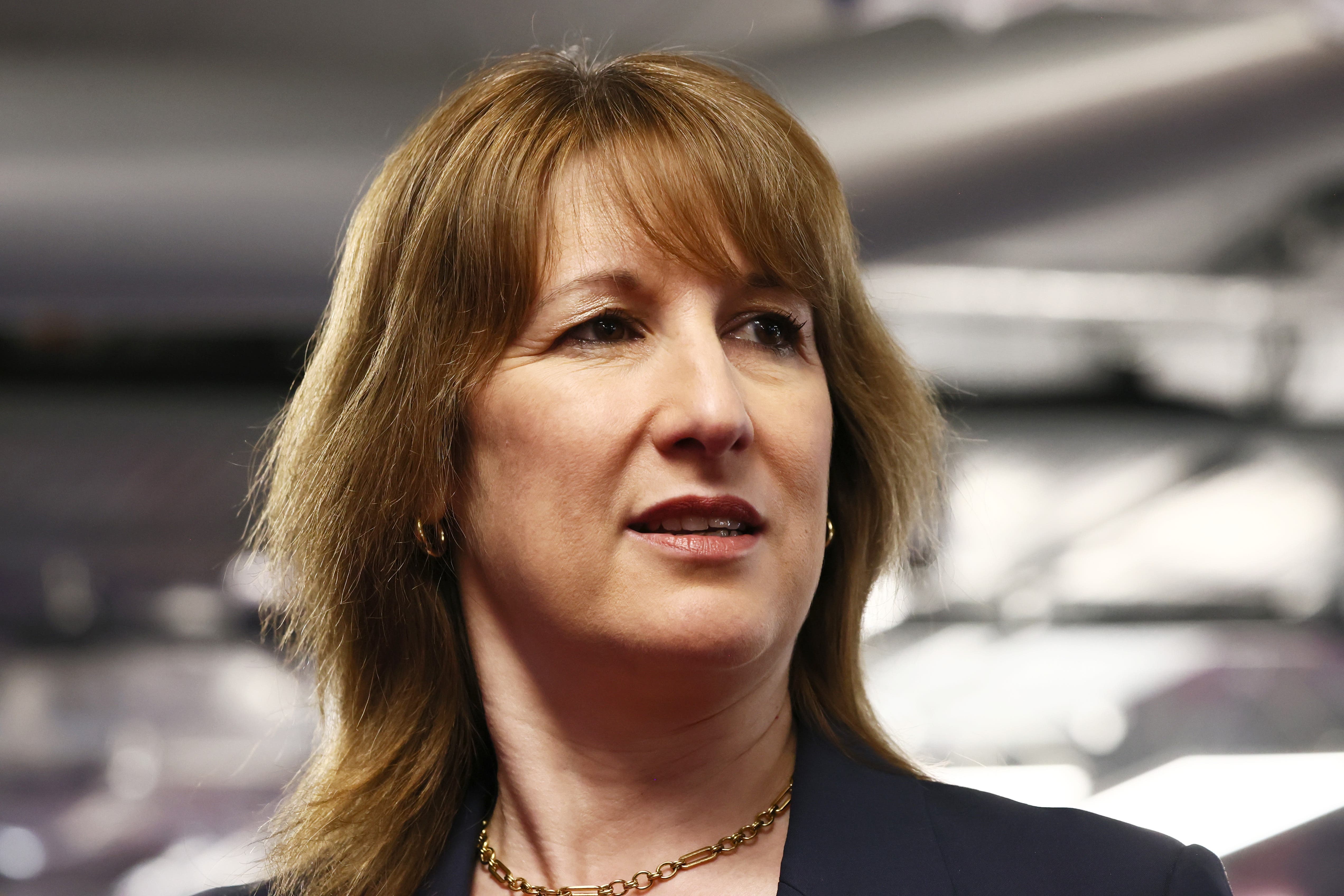
Rachel Reeves announced a reversal to this policy at November’s Budget, beginning with a 1p increase in September this year, followed by 2p in December and the final 2p in March 2027.
Some experts have called on the chancellor to hold off on the change due to the conflict, arguing it will bring more security to pump prices.
Howard Cox, Founder of FairFuelUK, said: “In light of the ongoing crisis in the Middle East, Rachel Reeves must declare in her Spring Statement that Fuel Duty will remain frozen for the duration of her parliament and cancel any planned increases in the Autumn Budget.
“This move would not only be economically prudent–stimulating GDP growth and alleviating inflationary pressure—but it would also provide some much-needed political relief to this government, known for its frequent U-turns.”
According to the AA, petrol prices are average 132.9p at present. The motoring giant added that, after the 5p cut is reserved, volatility in the market could increase this to 142.5p – equal to the highest level registered before the pandemic.
Professor Michael Tamvakis, professor of commodity economics and finance at Bayes Business School (part of City St George’s, University of London), said: “The closure of the Straits of Hormuz is a key bottleneck for the flow of both oil and gas. In short, we could lose something like six million barrels per day from the 14 million barrels exported by GCC countries.
“We face a growing bottleneck in supply if the Straits of Hormuz remain closed for long and if there is no insurance available for vessels sailing through the region.”
He added: “The closure … also completely chokes natural gas supply from the Middle East and Gulf region. There are no pipeline alternatives. It is directed primarily to Asia, but some Qatari natural gas is exported to Europe. It is fortunate that we are entering the northern Hemisphere spring. That fall in demand might ease any pressures and price rises.”