


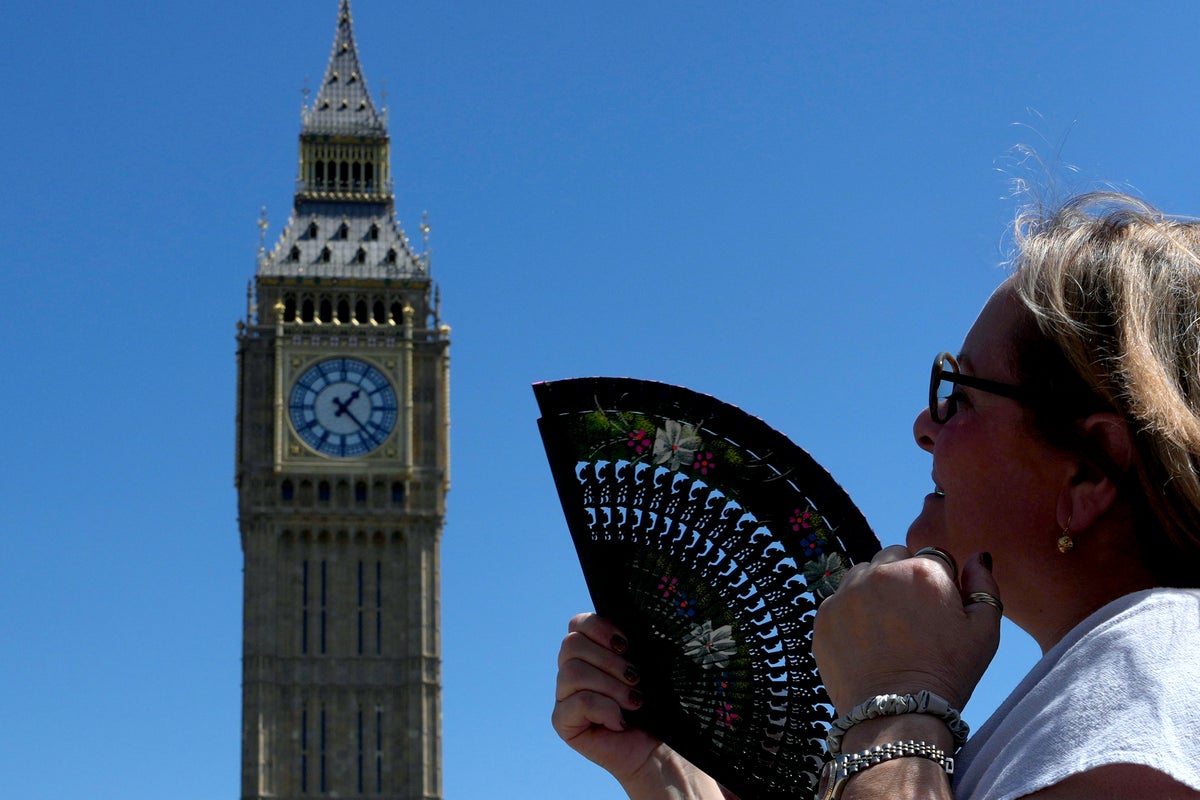
As summer travel plans take shape, holidaymakers are warned to brace for scorching temperatures. Forecasters predict above-average heat this season, with a developing El Niño event potentially extending warmer conditions into late this year or next summer. These extreme temperatures are not merely an inconvenience; they carry serious health risks, including heat exhaustion and life-threatening heat stroke.
Travelers are urged to take proactive steps for their safety. Dr. Alexander Azan, co-director of NYU Langone Health’s Project HEATWAVE, emphasizes preparing for heat with the same diligence as for cold. “The same way that we prepare for more extreme travel in the cold, we should start to consider those tips to keep us safe in the summer months,” he advised.
Check the forecast and survey your travel companions
As temperatures soar, preparing for extreme heat is crucial for safe travel. Before embarking on any journey, experts advise checking both day and night air temperatures, alongside the heat index, which accounts for humidity, according to Azan. If forecasts predict scorching conditions, flexibility is key. Consider relocating to cooler coastal areas or higher elevations, and schedule strenuous outdoor activities like hiking for early mornings or late evenings, outside peak heat hours. Midday can be better spent enjoying a movie, museum, or coffee shop.
It’s also vital to confirm your accommodation offers reliable air conditioning and to research any recent power blackouts or brownouts in the region. Familiarize yourself with public cooling centers and keep emergency contact numbers readily available. Beyond what you pack, consider who you’re traveling with. Individuals with certain medical conditions or those on specific medications may be more susceptible to heat-related issues.
“A lot of the prescription drugs that we take for common conditions like high blood pressure, anxiety, depression, they actually interrupt our body’s ability to thermoregulate,” explained Ashley Ward, director of the Heat Policy Innovation Hub at Duke University. Older adults, pregnant individuals, and young children or infants are also particularly vulnerable, necessitating adjusted plans. For instance, carrying a baby can transfer additional body heat.
Ensure your packing list includes a reusable water bottle, light-colored, breathable clothing, sunscreen, sunglasses, a wide-brimmed hat, and a cooling towel. While a portable fan can be useful, avoid using it during extremely high temperatures as it will only circulate hot air.
Keep car safety in mind during road trips
As temperatures soar, preparing for extreme heat is crucial for safe travel. Before embarking on any journey, experts advise checking both day and night air temperatures, alongside the heat index, which accounts for humidity, according to Azan. If forecasts predict scorching conditions, flexibility is key. Consider relocating to cooler coastal areas or higher elevations, and schedule strenuous outdoor activities like hiking for early mornings or late evenings, outside peak heat hours. Midday can be better spent enjoying a movie, museum, or coffee shop.
It’s also vital to confirm your accommodation offers reliable air conditioning and to research any recent power blackouts or brownouts in the region. Familiarize yourself with public cooling centers and keep emergency contact numbers readily available. Beyond what you pack, consider who you’re traveling with. Individuals with certain medical conditions or those on specific medications may be more susceptible to heat-related issues.
“A lot of the prescription drugs that we take for common conditions like high blood pressure, anxiety, depression, they actually interrupt our body’s ability to thermoregulate,” explained Ashley Ward, director of the Heat Policy Innovation Hub at Duke University. Older adults, pregnant individuals, and young children or infants are also particularly vulnerable, necessitating adjusted plans. For instance, carrying a baby can transfer additional body heat.
Ensure your packing list includes a reusable water bottle, light-colored, breathable clothing, sunscreen, sunglasses, a wide-brimmed hat, and a cooling towel. While a portable fan can be useful, avoid using it during extremely high temperatures as it will only circulate hot air.
Stay flexible and recognize signs of heat illness
As global temperatures continue their upward trend, travelers are being urged to reconsider their vacation habits to mitigate heightened heat-related risks. Spending extended periods outdoors, engaging in strenuous activities, or consuming more alcohol than usual can significantly amplify these dangers.
A common pitfall, experts warn, is ignoring both environmental conditions and the body’s crucial warning signals. “They think they can push through. That is a mistake,” Ward said, emphasizing the peril of such an approach.
During daytime explorations, employing a buddy system is advisable. Watch for signs of heat illness, including dizziness, nausea, muscle cramps, or cool and clammy skin accompanied by sweating. Should you or a travel companion begin to feel unwell, immediately seek a shaded area, sip water, and loosen any tight clothing.
If symptoms escalate to slurred speech, unconsciousness, extreme confusion, or the body feeling hot to the touch, immediate medical attention is critical. These severe indicators could signal a more serious condition, such as heat stroke.
For those whose travel plans are derailed by extreme heat, financial safeguards exist. Adding a “cancel-for-any-reason” benefit to travel insurance can offer partial reimbursement. Additionally, services like Sensible Weather and WeatherPromise provide reimbursements for travel and lodging costs when trips are impacted by adverse weather, including high heat. Customers can add a weather guarantee at an extra cost when booking with these organizations’ registered travel and hotel partners.
Experts stress that as temperatures climb, the most important actions vacationers can take are listening to their bodies and maintaining flexibility. By staying aware, actively seeking ways to cool down, and adjusting plans as necessary, travelers can help ensure their trip remains both safe and enjoyable.