


Instagram’s new AI tool Muse Image has provoked backlash for allowing users to edit and generate images using people’s pictures without telling them.
Muse Image can generate AI images from any Instagram account that is set to public, with all public accounts automatically opted in by default.
The latest feature is Instagram’s biggest foray into artificial intelligence to date, billed as a “creative partner” for the 3 billion users of the social media app worldwide.
“It powers the social experiences we do best,” a Meta spokesperson told The Independent. “People come to our apps to connect and share – Muse Image gives them new, creative ways to do exactly that.”
One of the biggest issue critics have with the update relates to consent, while cyber security experts say it could also supercharge online harassment and impersonation.
“We built Muse Image with strong controls and safety guardrails from day one,” Meta said in a statement. “We will take action against any content that violates our Community Standards.”
The US tech giant said that private accounts and those belonging to under 18s will be automatically excluded from the Muse Image feature, but for everyone else they will need to manually opt out.
How to opt out of Instagram’s Muse Image
To turn off the Muse Image feature, Instagram users can open Profile > Menu > Sharing and reuse.
Where it says “Allow people to reuse your content on Instagram and with AI features at Meta”, users can turn off the Posts and Reels toggles.

Wording may vary, depending on the version of the app people are using.
Opting out of the Muse Image feature will also not prevent images that have already been edited or generated from circulating on the app.
The feature is not available to all users yet, with Meta saying that it is doing a limited roll out of Muse image beginning with the US.
What are the risks to leaving it on?
Deepfake images created using artificial intelligence are already a major problem, with cyber criminals using them to create highly realistic forgeries of people’s faces.
They can allow hackers to carry out social engineering attacks where they pretend to be a victim’s friend, family member or colleague.
They can also be used to spread disinformation and misleading information about individuals.
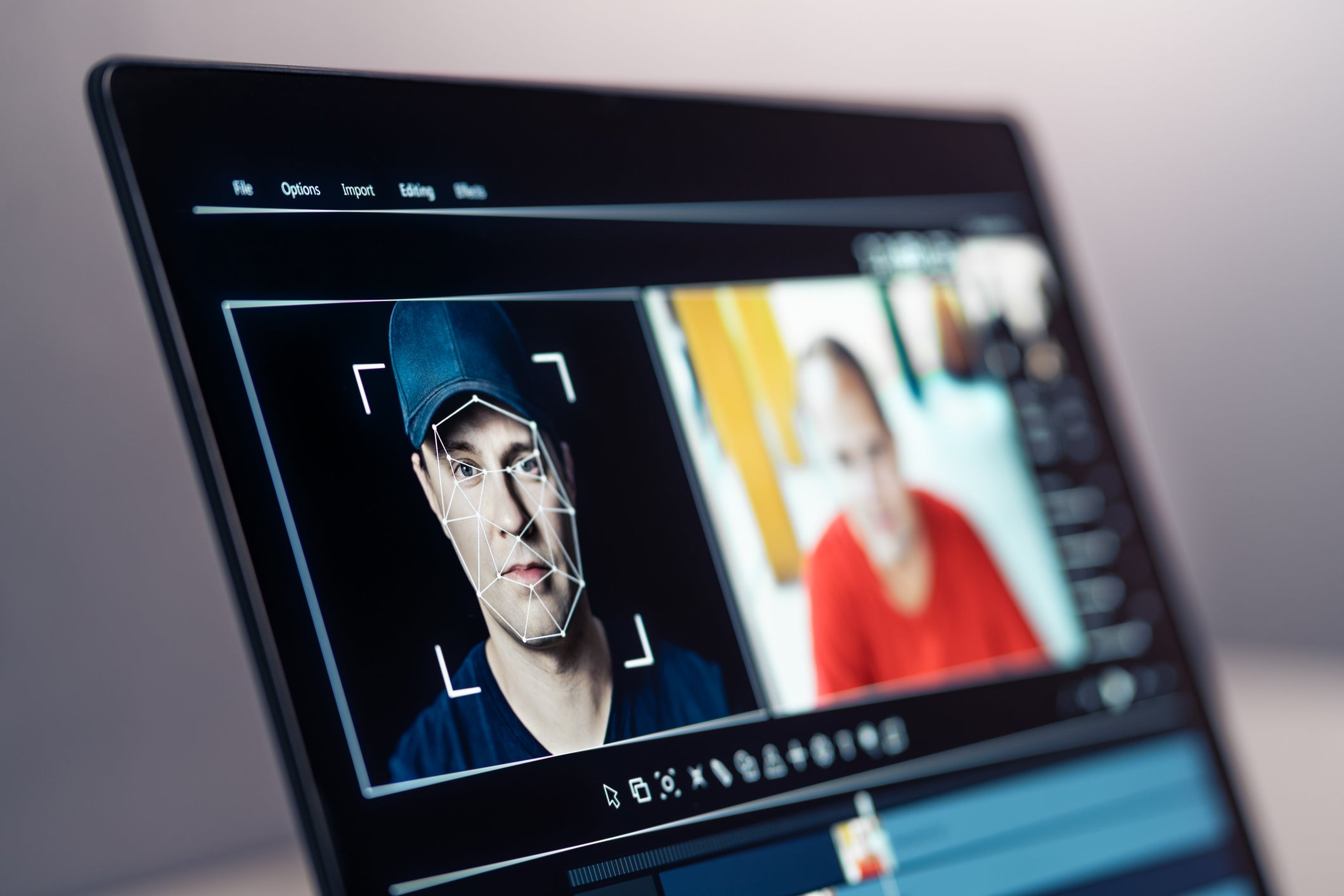
Security experts have warned that there are significant privacy and security implications to allowing people to easily manipulate a person’s image using AI on a platform as large as Instagram.
“Cybercriminals are already combining generative AI with automated tools to scale phishing and fraud. Muse Image makes it even easier to generate convincing images based on public identities,” the company said in a blog post.
“Giving people an official way to generate AI images based on public profiles lowers the barrier to creating synthetic images that could be used for impersonation, scams, or other abuse.”