





As Thomas Tuchel excitedly watched his England team rampage at Croatia in Dallas, he couldn’t help a thought run through his mind: “People in the pubs will like this.”
Tuchel was smiling broadly as he relayed this, even more enthused by what the 4-2 win meant. He said: “It is good and it is rewarding. Hopefully everybody enjoyed it. And it brings a connection.
“I was sweating but that is a good watch when we created and created and went for it, with one ball and the second ball. That is why you are in a pub and watching together on a big screen to get emotional and hopefully we can transmit that.”

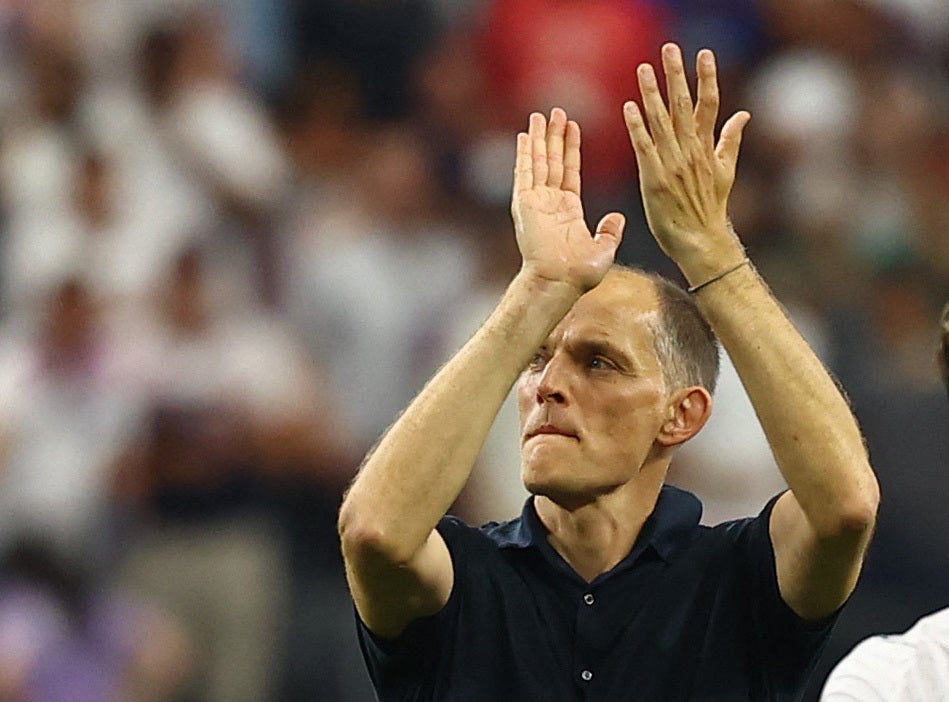
They are words that people will love to read, after football they loved to watch. And as populist and playing to the crowds as these sentiments might be perceived, there are more substantial football points.
Tuchel’s assistant Anthony Barry indicated this in an eyebrow-raising half-time interview that on another day would have been the headline from the game. “You’d think the penalty would free us up and allow us to play more like us and look more like ourselves,” Barry said, “but again we fell back into some fearful patterns.”
It’s a very telling phrase. Barry obviously can’t just have been talking about time under Tuchel given that’s been relatively brief and this was a first tournament game after a flawless qualifying campaign. The German was also specifically appointed to take the team up a level, from persistent inherited issues.
This was about the Gareth Southgate era. What else could “fearful patterns” refer to? If you want to be as blunt as Tuchel about it, the Southgate era was characterised by this caution, this constraint. In seeking to keep too much of a hold of big games – especially the Euro 2020 final – England allowed them to slip from their grasp.
Some close to the squad even felt that the entire first-half display was dictated by the “nerves” that have come from so many frustrated tournament experiences. Tuchel’s ethos is entirely different, and it’s been emboldened by victory.

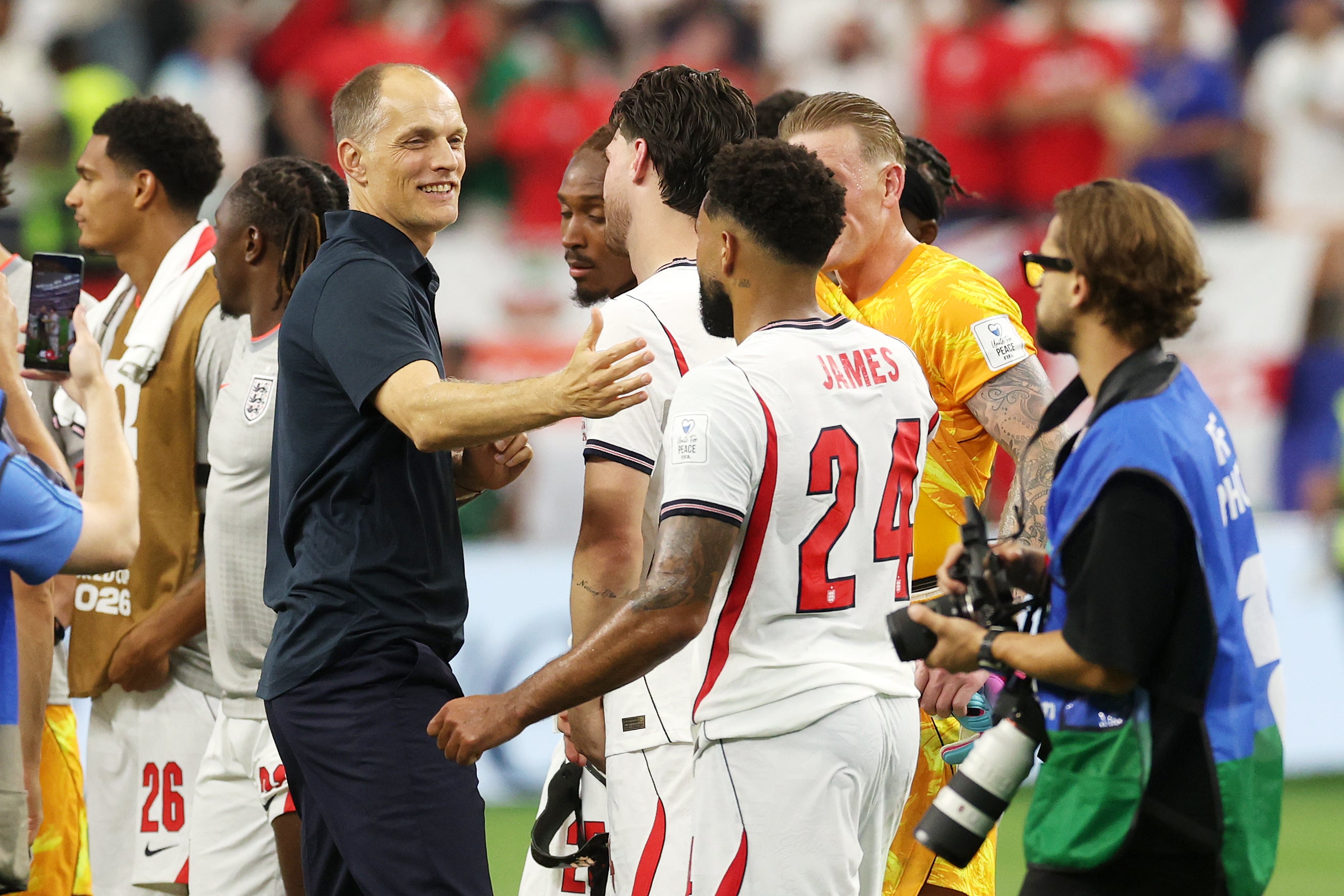
It’s why that half-time speech carried such authority, and had such an effect. “Basically it was about encouraging and reminding them what we wanted to do – the spaces where we want to accelerate the match and we want to win the ball, they are there and we were just not totally free,” Tuchel said.
“We were not on our highest level. We just dropped way too early into a deep block. From a middle block, way too early into a deep block. Normally, if we go to a middle block it’s not a problem. We have clear triggers to go out of it into a high press. We wanted to have John Stones pushing into midfield. They blocked John with their number-nine so maybe they also knew or it was a coincidence.
“It took us a while to understand that Elliot [Anderson] can then push. That took us quite a while and so we lost a bit of confidence, couldn’t find the right triggers and we had the feeling that we have to protect something and everyone wanted to help and help and help and we ended up too deep and too passive.”
Tuchel revealed that he said the following, “to just do our things better”. “Nothing needs to be adjusted. We need nothing to develop new or change anything. We just need to get it going, try to find the gaps better, in passing. Don’t always go around the block and invite the pressure and go back to our goalkeeper. Try to push more together, from a middle block to a high press.”

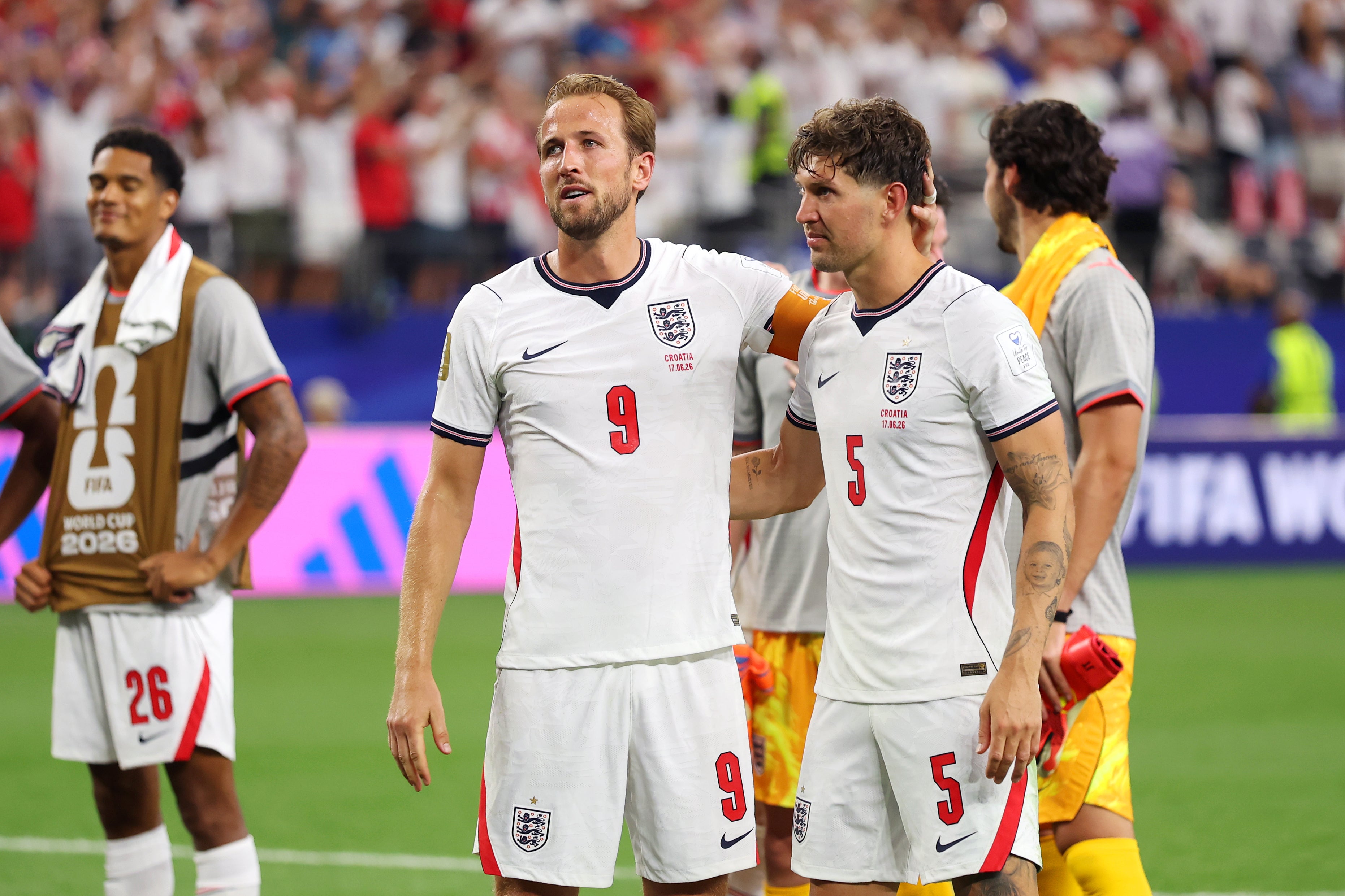
It was more than successful, especially in that onslaught after half-time. “We were much more active and aggressive,” Tuchel smiled.
Mention of Stones raises one of a few caveats and lingering concerns from the game. The experienced centre-half is no longer at the excellent level we know. Tuchel deflected questions about a leader he has a lot of trust in.
“Some players suffered because it was quite hot and humid and the game was very intense. That would be no surprise. I think [Stones] had cramps in both legs in the end because it was intense. We saw the numbers already. They really put a shift in. The players said it was quite humid and difficult to digest it so I think John was just like everyone else.
“Everyone was very tired in the dressing-room, which I like because they know that you did something. And we need this. Overcoming the tough moments, stick together. Then you get punished. But you have a reaction, twice. And yeah, it was a difficult moment to concede for 2-2 but again we came, we got the third lead and then finally we could finish the game because we created a lot.”

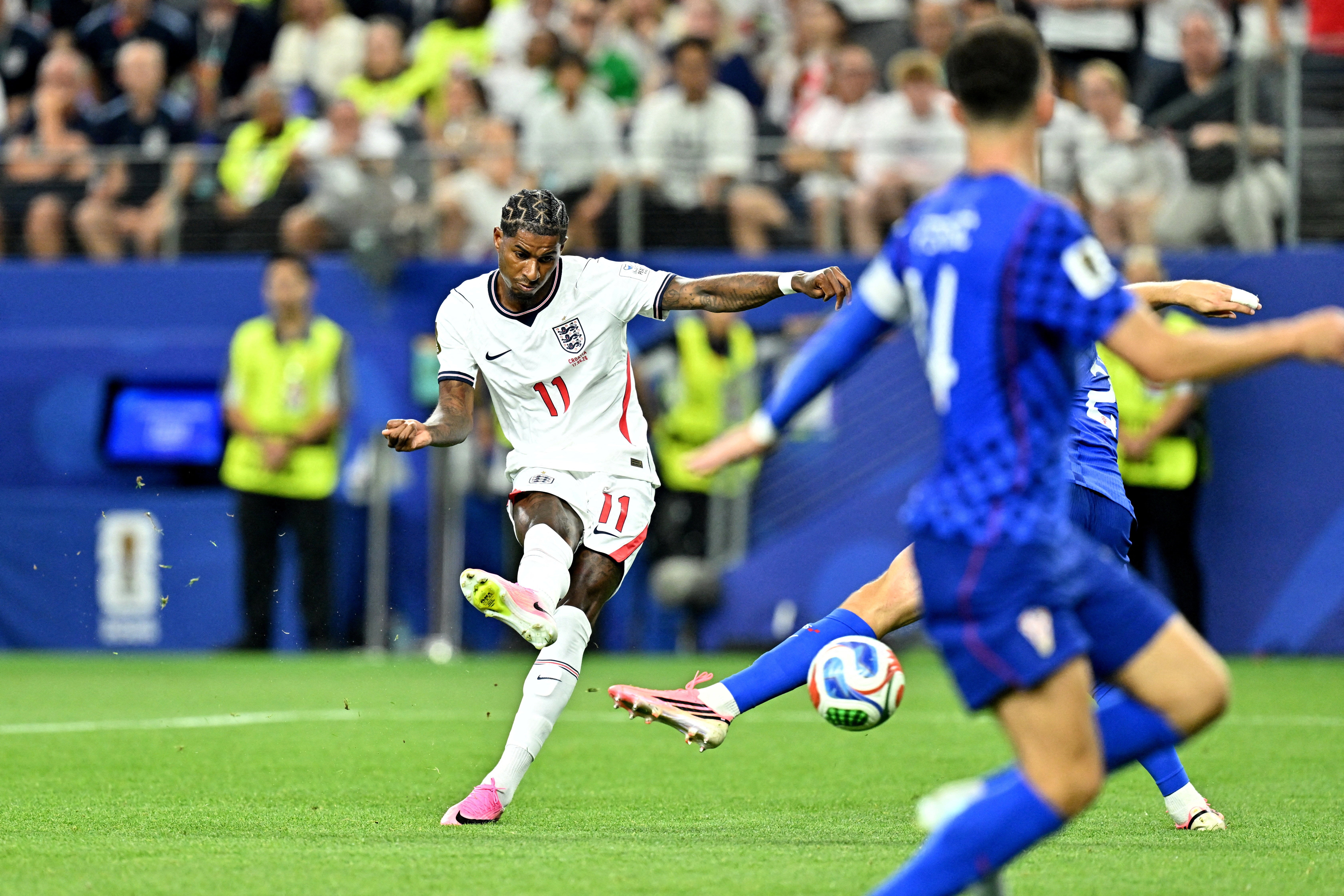
Tuchel also purred about how the four subs combining for Marcus Rashford’s goal was exactly what he is trying to instil – not just in attacking abandon but also the sense of collectiveness.
“We are so strong from the bench,” he said. “I know they are all starters. So it is new for them but they also know it is a period of time that is so special and they know and they buy into this idea that we do it as a team.
“The level they were competing against each other was at the highest level. Especially in the last week, we had some 10-against-10s in training and some finishing patterns, some attacking patterns, some defensive patterns.
“Everyone is on but on in such a respectful way that we had some tough decisions to make, but they know we will need them and the time will come when they start. The time will come when they can finish and be decisive from the bench at any time. It is now four more weeks and in four weeks you can swallow it and digest it and buy into it. We selected the group because we were sure that they could do it and they all can.”
In waiting for their chance, they are also helping in giving the English supporters what they’ve been waiting for.

