
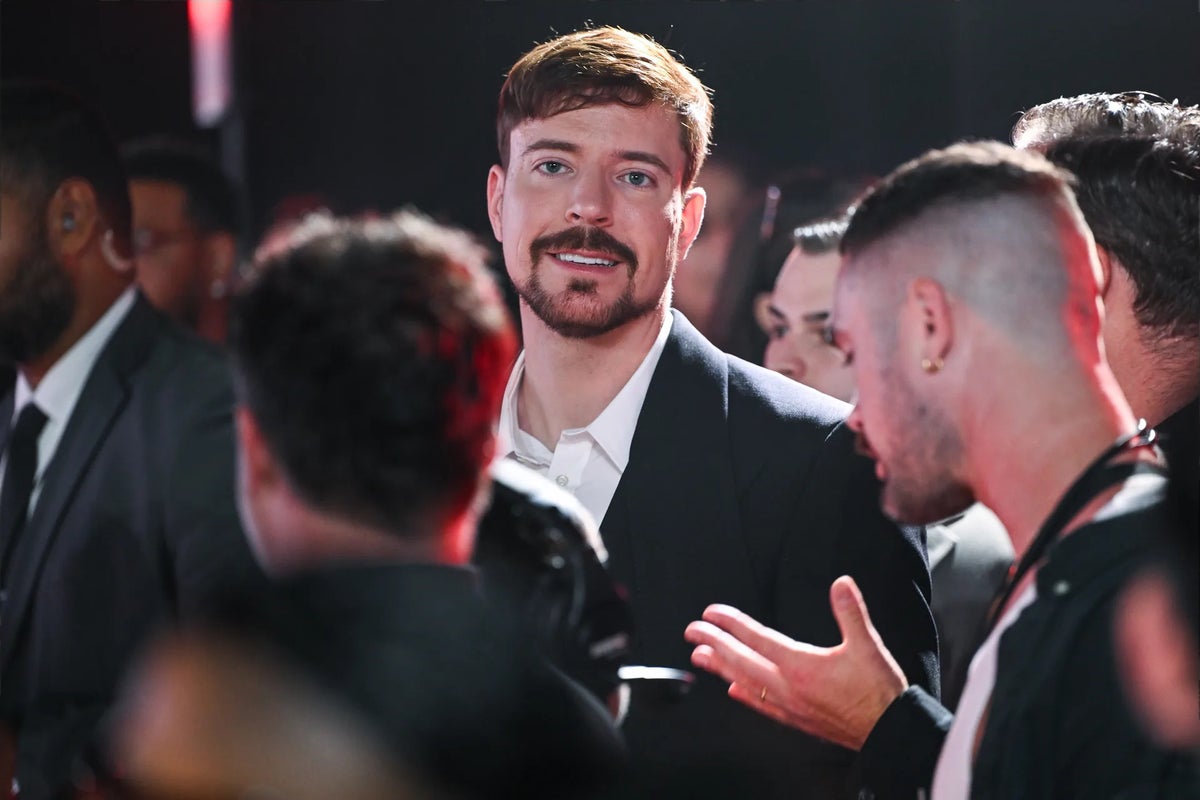
A lawsuit that claims famed social media star Jimmy Donaldson fostered a toxic work environment at his production studio is the latest in a string of cases that accuse young male influencers of bad behavior toward woman — and it could lead to a reckoning similar to what the #MeToo movement caused in Hollywood, experts say.
The 27-year-old — better known as the high-stakes competition host “MrBeast” — is the undisputed champion of YouTube, boasting a record 479 million subscribers, and his estimated $85 million in earnings last year led Forbes to name him its No. 1 online “creator” for the fourth consecutive time, citing a business empire that “continues to expand beyond digital platforms” into ventures including snacks, fast food and the Amazon Prime series “Beast Games.”
But a former employee, Lorrayne Mavromatis, on Wednesday sued two of Donaldson’s “Beast Industries” companies, alleging she was illegally demoted and fired after complaining about sexual harassment and a hostile work environment that included an employee handbook — reportedly written by Donaldson — that said, “It’s okay for the boys to be childish” and “[i]f talent wants to draw a dick on the white board in the video or do something stupid, let them.”
The bombshell court filing came less than a decade after a long line of female actors went public with sexual misconduct allegations that rocked the film industry, sent movie mogul Harvey Weinstein to prison and rippled throughout society — yet apparently didn’t deter some influencers from exploiting their positions to allegedly commit acts as serious as rape.
“This lawsuit may be a watershed moment that opens the door to other influencers being held accountable,” Brian Farrar, an employment lawyer in Bloomfield Hills, Michigan. told The Independent.

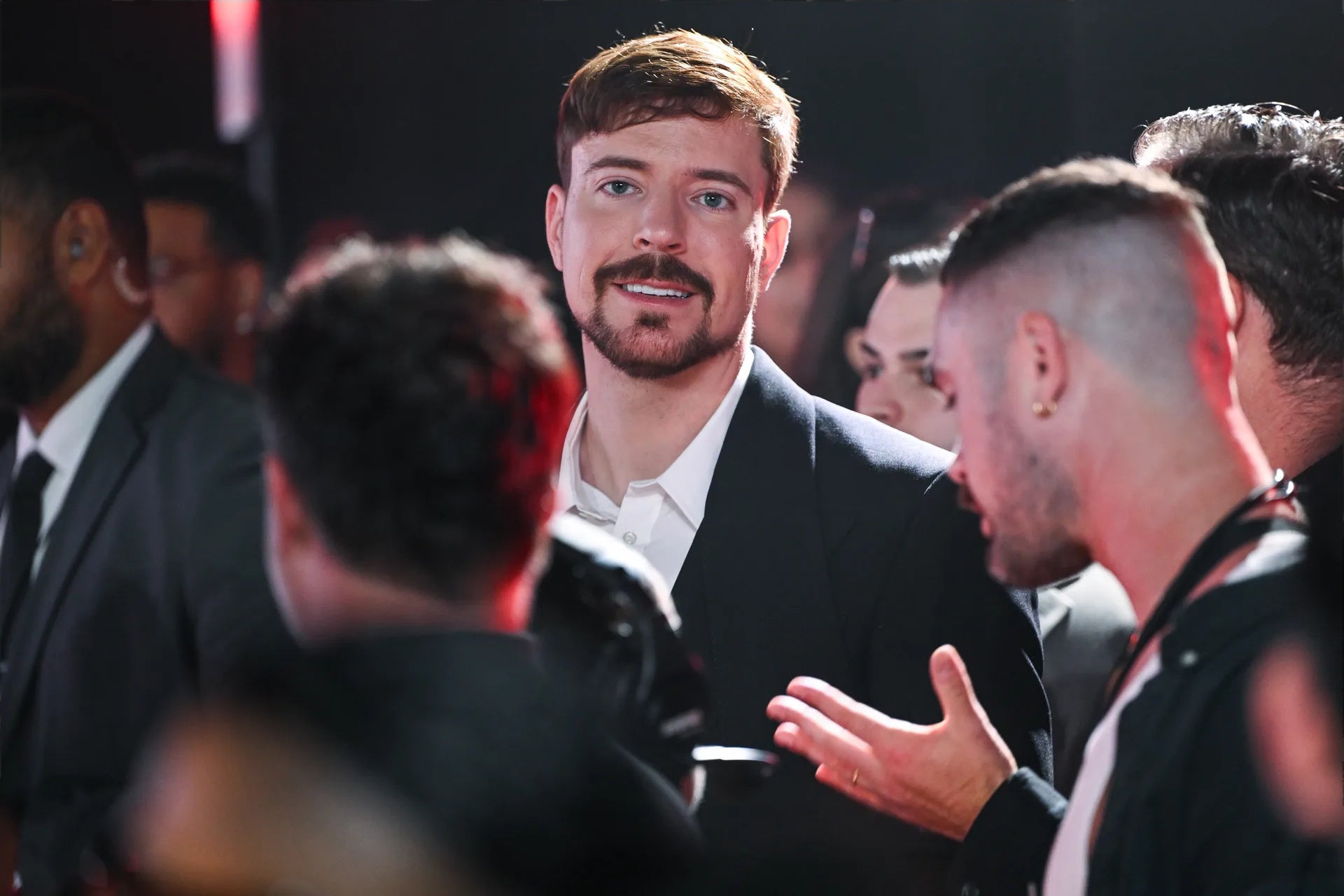
In response to Mavromatis’ lawsuit, a Beast Industries statement said her job was eliminated as part of a reorganization and called her court filing a “clout-chasing complaint” based on “deliberate misrepresentations and categorically false statements.”
“We will not submit to opportunistic lawyers looking to manufacture a payday from us,” the statement said.
The case follows several others with some even more serious allegations against male influencers:
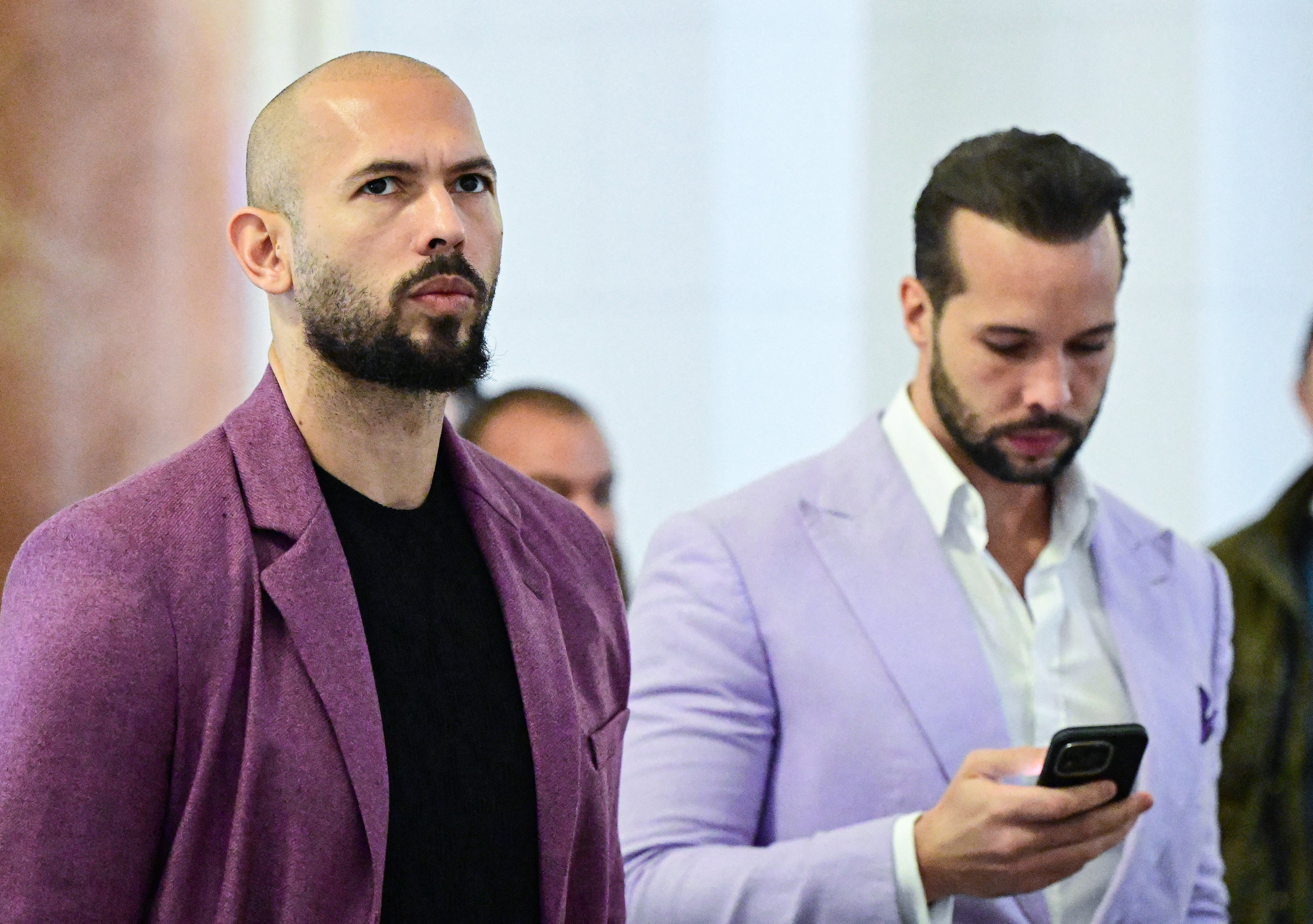
• Andrew Tate, a former kickboxer, pornography entrepreneur and self-proclaimed misogynist who became a leading figure in the “manosphere” of male-centered, anti-feminist websites, blogs and online forums. In 2022, Tate was arrested in Romania on suspicion of rape and sex trafficking, and was barred from leaving the country until the Trump administration reportedly intervened in early 2025. In addition to Romania, where Tate remains under investigation after an appeals court tossed out some evidence against him, Tate faces charges of rape and trafficking in Britain and a lawsuit in Los Angeles that alleges he beat and choked a woman he’d been dating during a violent sexual encounter there. He denies any wrongdoing.
• Tony Lopez, a TikTok star with more than 22 million followers who for a time lived in the since-defunct “Hype House,” a $5 million mansion in Southern California filled with content creators. He was sued in 2021 by two former teenage fans who alleged that he reached out to them on social media and lured them into having sex or sending him nude images of themselves when they were underage. Lopez denied any wrongdoing, saying the lawsuit “seems like a money grab” and vowing to “fight it to the very end.” The case was settled for an undisclosed amount in 2023.
• Steven Bonnell II, a former online gaming streamer-turned-progressive political commentator known as “Destiny.” He was sued last year by a female YouTuber known as “Pxie,” who alleges he violated federal law by sharing a video of them having sex in 2020, leading to its posting online. Bonnell, who allegedly apologized to Pxie for sharing the video with a fan, has denied acting out of malice and reportedly claimed to have been the “primary target” when it was posted. The case is pending.

Clinical psychologist Jett Stone, who specializes in men’s therapy, said it wasn’t surprising that the high-profile sexual harassment scandals that have wrecked countless careers in finance, tech, entertainment and politics hadn’t resonated.
“The cautionary tales we’ve seen are unrelatable to young male influencers,” Stone said. “An influencer today doesn’t see himself in a middle-aged executive who’s recently faced consequences. To the young male mind, amped-up and feeling grandiose from a huge following, those feel like far-away generations, different worlds, totally different men.”
Farrar said that the world of influencers “creates a perfect storm for workplace misconduct because it often lacks the safeguards that exist in other industries.”
“Since this industry is relatively new, it takes time for the actions to catch up to them,” he said. “Many so-called visionaries believe they are exempt from old standards and that their massive following allows them to bypass employment laws.”
Stone, whose office is in Greenwich, Connecticut, said that the influencer economy “runs on outspoken personalities” who are “attractive to the algorithm, which rewards transgression, and noted, “Part of young male psychology is risk-taking and an underdeveloped sense of downstream consequences.”
“These guys are often young, with little or no experience in jobs that have ever held them accountable for bad behavior,” he said. “There’s often no check horizontally among these young men and none above. Traditional corporate containment mechanisms are removed. What I mean is that there are fewer, or no, older voices in the room because older guys aren’t funny on camera and don’t get what sells on social media.”
Stone also said that “what we’re looking at is the most radicalized and awful version of ‘bro culture,’ the version where what could be healthy male camaraderie becomes performing masculinity inside a workplace.”
Sociology professor Tristan Bridges of the University of California, Santa Barbara, said he thought that “what we’re seeing are masculinities organized around what I think is fair to call something like ‘dominance without accountability.’”
“It’s a particular way of doing masculinity where displays of power, status and control are richly rewarded while the social obligations that normally accompany institutional power are sort of shockingly absent,” he said.

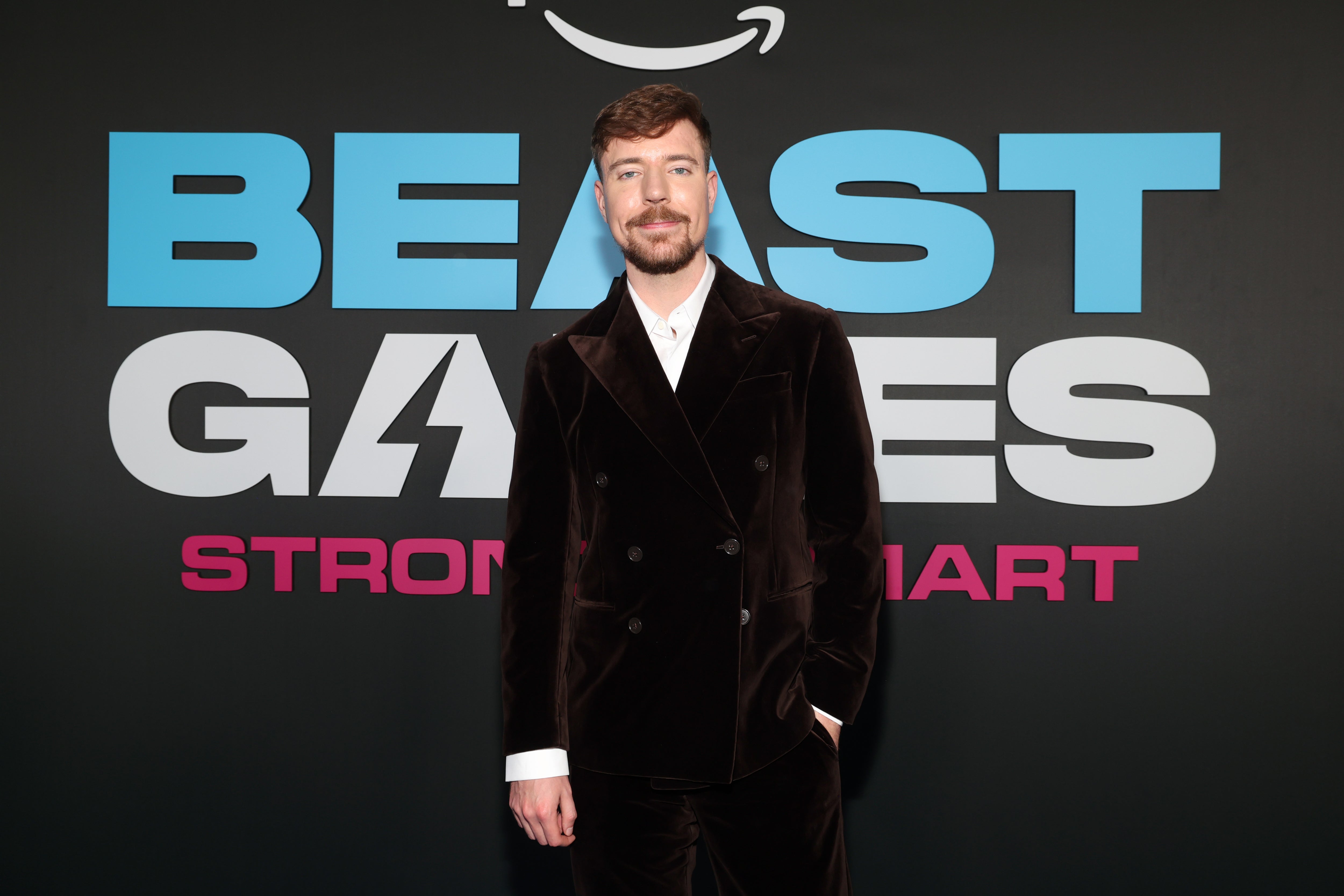
Sociologist Marianne Cooper, a senior researcher at Stanford University’s VMware Women’s Leadership Lab, said that although Donaldson didn’t fall “squarely in the manosphere,” entertainment that promotes “high-stakes competition and winning at all costs can become really dysfunctional when translated into a workplace culture.”
“If the vibe is all about risk-taking and winning, that’s the opposite of what you want in a culture that’s respectful and professional,” she said.
Farrar also said that “there’s nothing wrong with creating content that pushes boundaries but behind the scenes, the leadership needs to make sure it is following the law and fostering an environment that doesn’t discriminate.”
Cooper, who was the lead researcher for former Facebook Chief Operating Officer Sheryl Sandberg’s best-selling book “Lean In: Women, Work, and the Will to Lead,” said research has found that “over the course of their careers, about half of all women experience harassment,” and called it “very interesting” that Beast Industries used the term “clout-chasing” to denigrate Mavromatis’ lawsuit.
“There are easier ways to seek fame and attention than by coming forward with claims of hostile work environment against one of the most popular YouTubers to have ever existed,” she said. “It’s a very difficult thing to do so, the idea that anyone would do it for attention is unlikely.”
Cooper also said that “almost always, when this stuff comes out, everyone knows something — and some people know everything.”
“Often, when one woman comes forward, other come forward,” she said.

Cooper said it was hard to predict the impact of the suit against Donaldson but added that “given the recent news about (former U.S. Rep.) Eric Swalwell, as well as the Epstein files, I think this will keep the momentum going for a renewed focus on misconduct and abuse.”
Stone also said, “As the manosphere grows, I think more legal cases may start to force influencers to consider their behavior and the consequences of building a toxic work environment.”
Bridges said he thought that the platforms where influencers post their content held held “probably the most structurally significant lever available” to police the industry.
“These creators depend on monetization infrastructure that platforms control, things like advertising revenue sharing, brand partnership facilitation, algorithmic amplification and more, And many platforms have been inconsistent at best in using that leverage,” he said,
Farrar likewise suggested that any companies that invest in influencers “should insist on third parties verifying compliance with employment laws” and that “platforms like YouTube could enact certifications that require channels with a certain revenue tier be required to demonstrate compliance.”