

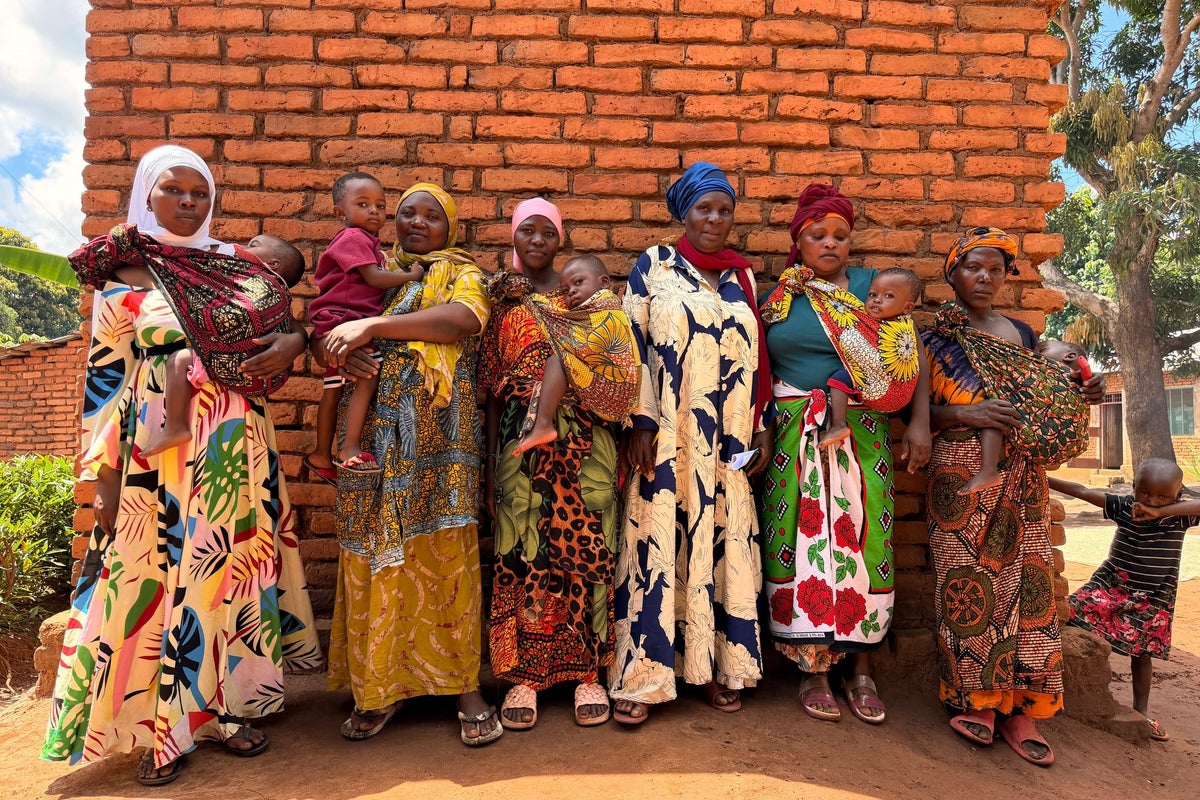
For the pregnant mothers of Madudumizi, a remote village in the Kilosa District of Tanzania, everything changed when a brand new clinic, complete with a new deep borehole providing clean water on tap, opened.
“Before, we had to walk several hours to the next village to the clinic, with the journey including a river crossing that could be dangerous,” explains Salma, a pregnant mother who has three other children aged 24, two and five months. Mothers previously died due to the length of the journey, she adds, while others died traversing the river, which becomes violent in the rainy season.


The clinic was built with funds from international children’s charity World Vision, and forms part of a 20-year development programme aiming to transform the lives of 27,000 people across 13 villages in the region, with interventions across everything from health and nutrition, to water access and education. The programme, called “Ulaya”, is itself just a glimpse of World Vision’s overall presence in Tanzania, where last year the NGO spent some $48 million (£35m) – raised through a combination of child sponsorships, donations, and government grants – to target some three million children across the country.
Tanzania is a rapidly developing country, clocking 6.2 per cent growth in the first three months of 2026. Infrastructure projects like a new rapid rail system and the controversial East African Crude Oil Pipeline bring opportunities for an urban elite in cities like Dar Es Salaam, the largest city in East Africa. But with half of the country’s population of 70 million still living on less than $3 per day, and inequality only widening as the economy grows, the work of NGOs like World Vision remains critical to efforts to tackle major challenges like maternal mortality and malnutrition.

The past year, however, has seen NGOs, including World Vision, raise the alarm as countries including the US and UK have slashed their overseas aid budgets and threatened the viability of projects like Ulaya. Overall foreign aid from wealthy nations fell by 26 per cent in 2025 compared with 2024. Although country-by-country data is not yet available, Tanzania – which received $3.2 billion in aid in 2024 – is expected to be disproportionately affected, as funding is be prioritised towards countries considered more “fragile” or affected by conflict.
What’s more, a visit to Ulaya – which The Independent undertook last month – reveals how another factor, climate change, is beginning to seriously undermine aid efforts. From health and nutrition to agriculture and infrastructure, nearly every aspect of daily life is being disrupted – and what is happening in Tanzania reflects a broader pattern unfolding across much of sub-Saharan Africa, where climate pressures are steadily eroding development gains.
‘Everything’ undermined by climate change
Speak to rural communities across Tanzania, and most will tell you a similar story of an increasingly obvious “climate whiplash”, where rainy seasons are becoming wetter, and dry seasons are becoming drier. The geographical features of Ulaya – an area situated on the floodplain of the Mkondoa River, surrounded by hills, and with poor-draining clay soil – mean that it is a part of the world where intensifying rainfall is the bigger concern. Indeed, floods at a level that were once considered “once-in-a-generation” events have been striking the area repeatedly, according to World Vision, with major flooding events occurring in 2020, 2024 and again in 2026.
“Until around 2019, we had regular rainy and dry seasons, but now, because of climate change, people cannot predict when the rains will come and do not know when to plant their crops,” says Elisei Chilala, coordinator for the Ulaya Area Programme. He adds that 98 per cent of people in the area are farmers who depend on rain-fed agriculture to both eat and sell at the market, making them particularly vulnerable to extreme weather.
“Climate change is really impacting everything we are doing here, from health and nutrition to infrastructure and water programmes,” adds Leonard Slaa, an advisor recently hired to World Vision’s small Ulaya team with the specific remit of responding to the climate threat. “Climate denialism does not exist here in Tanzania because people see the impacts of climate change every day,” he continues. “People are waiting for the floodwaters to go down as we speak.”
Travelling into Ulaya by Land Cruiser from Kilosa Railway Station – a striking, glass-and-concrete complex completed in 2024 that has halved the journey from Dar Es Salaam – the impact of this year’s extreme rains quickly becomes clear. After turning off the main highway, the road gives way to a deeply rutted stretch of red clay. Leonard explains that the surface has been torn apart by vehicles driving through heavy rainfall, making travel far more difficult for villagers trying to reach town.
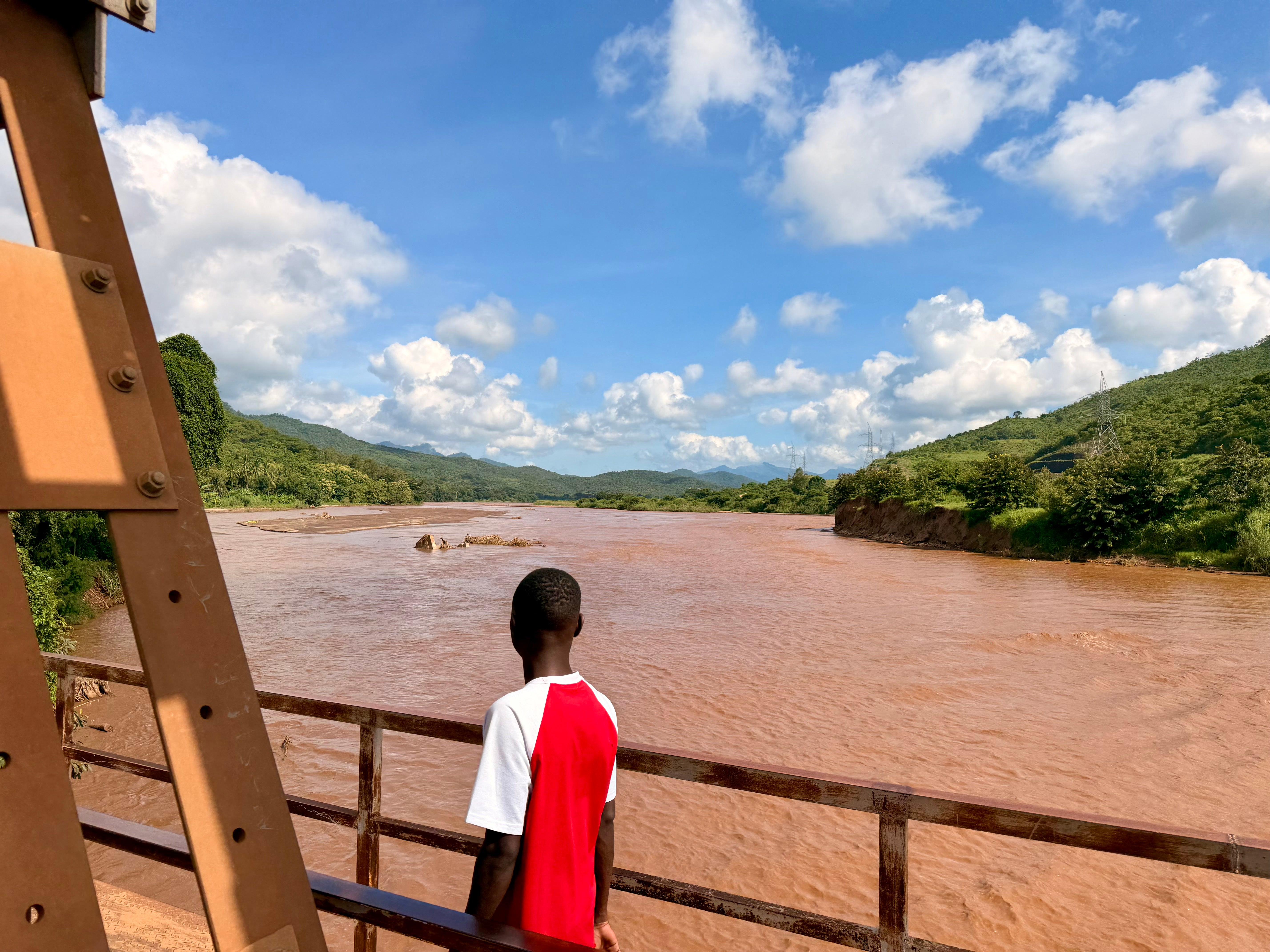
Along the roadside, rows of dried-out maize point to root damage caused by flooding, while elsewhere villagers can be seen replanting rice paddy fields that were buried under silt washed in by floodwaters. As our vehicle crosses the mighty Mkondoa River on a colonial-era steel bridge, the river’s swollen waters and fast-moving current – together with eroded banks and fallen trees along its edges – give a sense of the threat it has become in the climate crisis.
At the clinic in Madudumizi, Nurse Ida describes how major flooding events are accompanied by a rise in illnesses including malaria and respiratory infections. “People are more likely to catch colds, and rates of pneumonia are also higher,” she says. “The floodwaters have also led to more malaria cases compared with last year.”
The link between rising temperatures and the spread of these diseases is well-documented. Mosquitoes thrive in the standing water left behind by floods, while Tanzania’s rainy season is typically followed by a sharp increase in viral respiratory illnesses such as RSV, rhinovirus and influenza.


Efforts to address the village’s disease burden have become further complicated by aid cuts that are gradually trickling down to the village level. Certain tablets that the US Agency for International Development (USAID) used to provide to treat malaria are no longer available in 2026, according to Nurse Ida. “There are other tablets available from the government, but there are not always enough, and they are only available if you have enough money,” she says, adding that people are falling “very sick” as they choose to remain home and attempt treatment with traditional medicines.
In the next village along from Madudumizi, called Zombo, we meet a group of mother-and-toddler group that World Vision had been training in nutrition practices. According to a community health worker, before the NGO’s arrival, cases of “stunting” – when chronic undernutrition impairs growth and development in babies – were extremely high. Training in cooking practices and knowledge of the six food groups has now completely transformed this outcome.
“Before World Vision came, we did not know about nutrition at all, and many of the children were in a really bad way,” says Rehema, a mother of five children aged between three and 18.
There are growing fears, however, that failing harvests will prevent them from putting what thye have learnt into practice. Many of the mothers’ farms are located along the river and remained submerged at the time of the interview from the extreme rainfall of several weeks prior. As a result, families fear they will be unable to grow enough food to meet their children’s nutritional needs, or sell enough produce to afford the food they cannot grow themselves.

“We are very worried about the future. We see that the weather is becoming more difficult, and we do not know what food we will have in the future,” says Rehema.
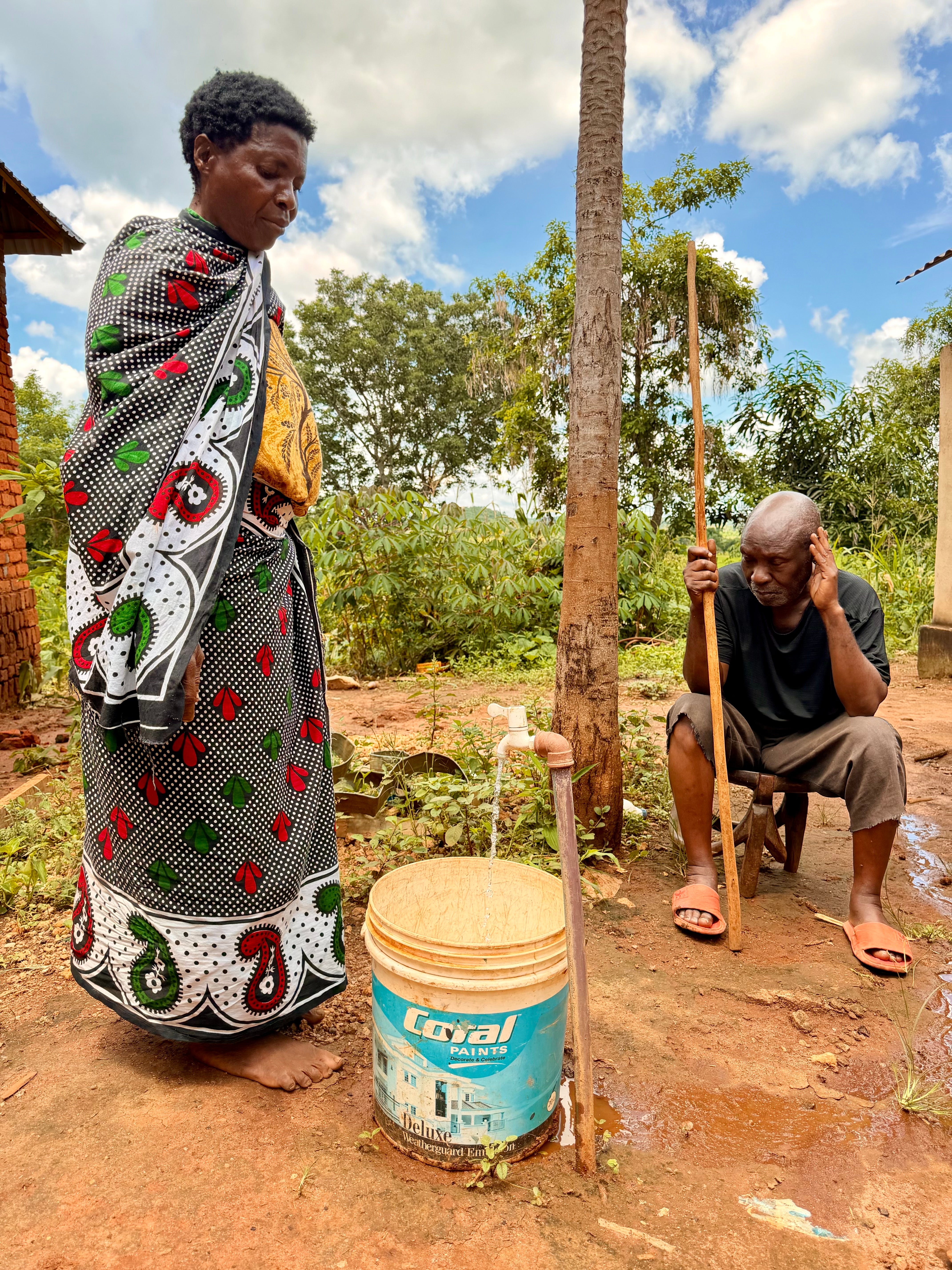
Elsewhere in Zombo, Mama Sabanga tells The Independent how another intervention from World Vision – this time a series of deep boreholes bringing fresh, clean water – has transformed water access in the village. “Before, we were travelling several hours per day to collect water from the seasonal river,” she says. “Children were falling ill with diarrhoea and bilharzia.”
But World Vision’s efforts to bring clean water are being undermined by the fact that in other parts of Ulaya Area Programme, existing boreholes that were not built to such a deep level are drying out during the dry season. This is particularly the case in parts of the district at a higher altitude, explains World Vision’s Leonard Slaa, where violent rainstorms are rushing down the hardened clay soil to the valley below, without being absorbed into the groundwater that the boreholes depend on to function.
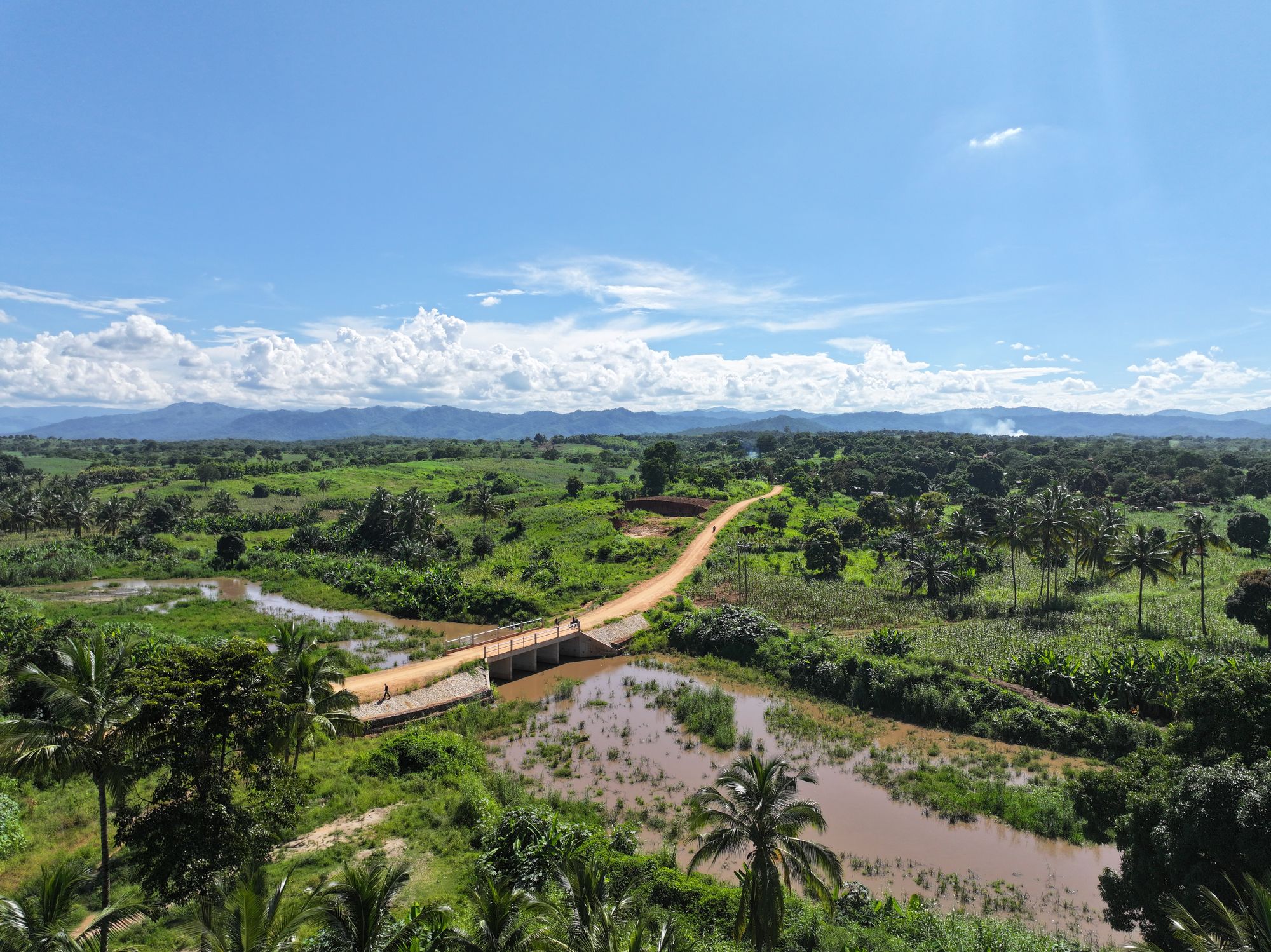
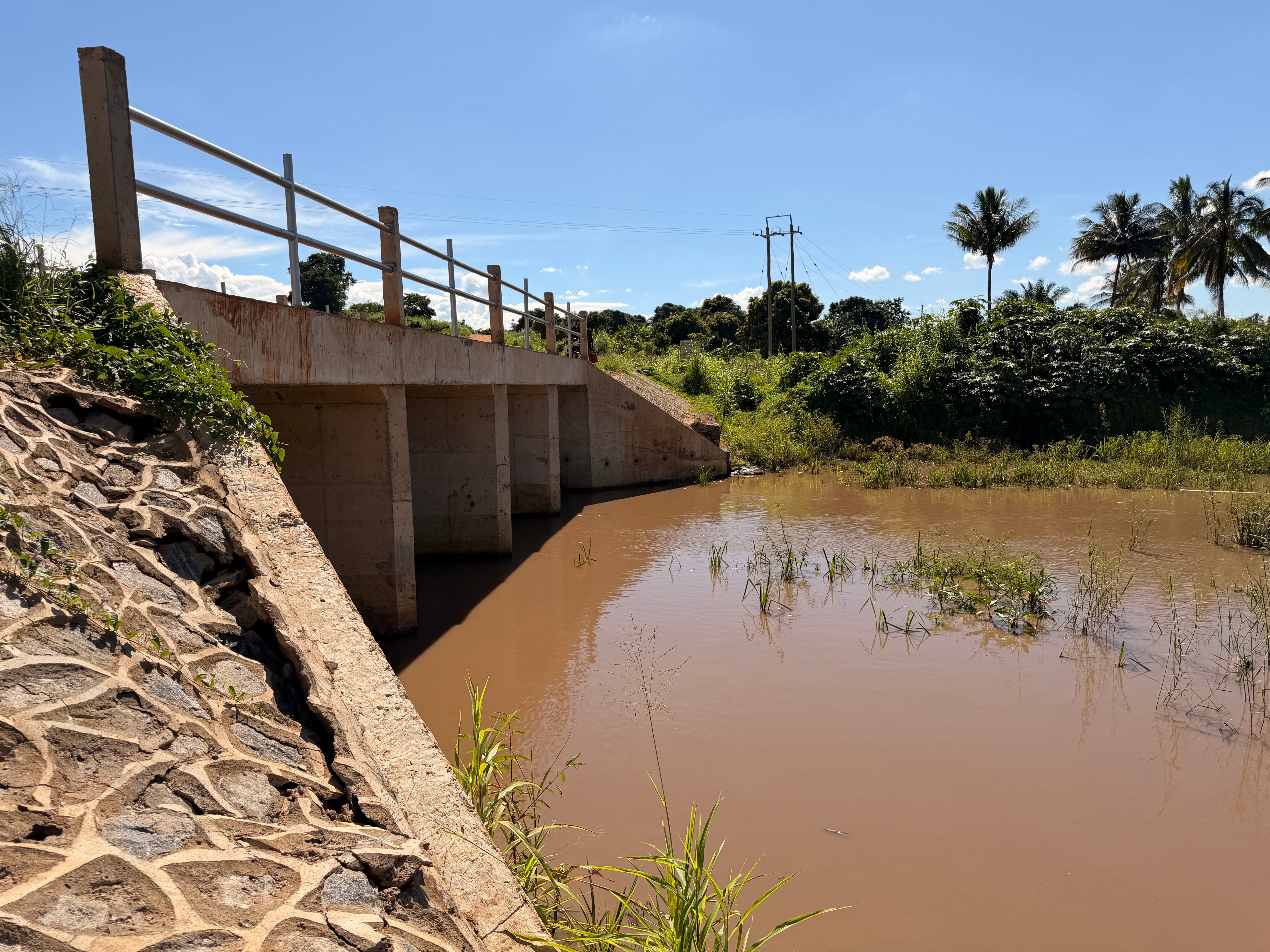
To travel between Madudumizi and Zombo, we cross a bridge built by the government across a tributary to the Mkondoa River that was completed two years ago, and which has helped make the journey between the two villages considerably safer.
As we travel across, though, Leonard points out cracks in the base of the bridge, which indicate how this intervention, too, is being undermined by the impacts of the climate crisis. “There are cracks because they did not take into account how the river is expanding with the more intense rainfall,” he explains. “Elsewhere in the region, we have bridges that are now just sitting in the middle of standing water, with the river having expanded all around.”
A story true across Tanzania
Stories of development projects being undermined by climate change can be found across Tanzania, according to the charities that are implementing them.
“In Tanzania, repeated droughts, devastating floods, and unpredictable rainfall are destroying harvests, driving hunger and malnutrition, and forcing families into survival mode,” says Yukiko Yamada Morovic, technical director for climate action at World Vision International. “As climate stress intensifies, we see rising risks of school dropout, child labour, early marriage, and exposure to violence, as families under economic pressure make desperate choices.”
Prudence Masako, Tanzania country director for Care International – another NGO that specialises in women and girls – has seen similar patterns in their programmes, which also support millions of people across the country.
“Climate change means that children are missing school, and missing their vaccines, during times of heavy rain, as flooding keeps them at home,” she says. “Climate change is also threatening women and girls by creating instability in the home when families are seeing water and food problems. We need to do so much more to understand how climate impacts us, and develop investment programmes and policies that really are climate-smart.”
Back in Ulaya, World Vision is focusing on adapting its programmes to the escalating climate crisis. A key focus right now is the training of farmers to engage in more efficient farming practices, as well as the dissemination of seeds for climate-resilient crops like sunflower, pumpkins, sesame and legumes, which give farmers a fighting chance of withstanding more turbulent weather. “Most farmers in Tanzania use the seeds from previous harvests, so we are trying to transform practices so that they can withstand the influence of climate shocks,” explains Leonard.
There is a sense on the ground, however, that some of the climate knock-on effects are at risk of escalating at a pace that authorities are struggling to keep up with.
According to World Vision, recent months have seen instances of conflict emerge between farmers and pastoral communities that herd cattle, with the latter group bringing their cattle to feed in farmlands as floodwaters, soil erosion and invasive species have reduced the viability of traditional grazing areas. Community members are tight-lipped when we ask about what the impact of instances of conflict has been on village life – the most anyone would be drawn on the dynamic was to label it “sad” – but an eagerness to change the subject when probed speaks volumes.
The government, we are told, is now introducing a programme where herders will have to pay farmers if they feed off a farm. Whether this scheme will work remains to be seen – but its implementation requires a level of urgency, given how such farmer-herder conflict over resources have escalated into open warfare in other contexts.
The climate crisis is bringing hardship for millions across Tanzania and Sub-Saharan Africa as a whole, and impacts are set to only worsen carbon emissions continue to grow and climate impacts intensify.
But what is clear for the people of Ulaya, at least, is that they have committed custodians in the form of World Vision. The NGO has recently extended the timeline of the area programme by five years in order to better ensure that interventions will be self-sustaining once it leaves.
“We need the community to be able to sustain itself, so that when we leave, what we have done will continue,” says programme coordinator Elisei Chilala. “We are confident that with right resources and the right empowerment models, communities will be able to adapt to what the future brings.”
This article has been produced as part of The Independent’s Rethinking Global Aid project