

As energy bills continue to rise, many households are finding ways to stay warm without cranking up the heating. Interestingly, one of the biggest sources of heat loss is often overlooked: the floor.
According to the Energy Saving Trust, up to 10-20 per cent of heat can escape through the ground beneath our feet. Installing floor insulation can save around £110-£120 per year on energy bills, depending on the type of floor you’re planning – and it’s usually a job for a professional.
Will a rug keep a room warmer?
If your budget doesn’t extend to professional insulation, a rug can help. Cold floors don’t just affect your feet. They can also lower the overall temperature of a room and this is especially true in older homes with suspended timber floors – where gaps between floorboards allow cold air to rise. Even stylish concrete floors can draw heat away from the room, making spaces feel chilly despite the heating being on.
This year, the trend is to think big and invest in oversized rugs. To get the best insulating effect, make sure they extend under your furniture to create a more cohesive, cosy feel. To frame a seating area properly, designers recommend rugs should be at least 6-8 inches (15-20 cm) wider than the sofa on each side, extending 12-24 inches (30-60 cm) under the front legs. Under a bed, a rug should stretch 18-24 inches (45-60 cm) beyond the sides and foot of the frame.
When it comes to colours and styles, Jodie Hatton, design manager at Brintons, has seen an increase in demand for warming patterns like tartans and stripes. “Tartans look stunning anywhere and can be used to bring a colour scheme or theme together,” she notes. “Available in extremely versatile colour palettes, they’re a wonderful way of injecting personality into a space and expressing one’s creativity in a design.”
Do rugs help with heat loss?
While rugs are not a replacement for proper floor insulation, they can help block draughts and may help retain some of a room’s heat that would otherwise escape.
The denser a rug’s fibres, the better the insulation. Wool is particularly effective, as it naturally traps air and regulates temperature – keeping rooms comfortable without overheating. Synthetic rugs are hard wearing, more affordable and can provide some warmth, but they tend to be less effective than natural fibres.
If you have underfloor heating, choose low-pile or thinner rugs so heat can circulate efficiently. At the start of winter, give your rugs a good shake to plump up the pile and restore their insulating properties.
For an extra boost, consider adding a thermal underlay – some manufacturers even offer versions with a tog rating, similar to duvets (the higher the rating, the more insulation it provides).
Layering rugs is another new trend that adds both warmth and style. This involves placing smaller decorative rugs over larger, neutral bases such as jute or sisal. “In 2026, designers will be layering rugs with each other, over carpet and hard floors, or to effectively zone open-plan spaces, to add comfort and visual interest,” says Lizzie Mosley, creative director at Hug Rug. “Paired with other plush accessories like cushions and throws, rooms feel welcoming and lived-in; a space to truly relax and unwind.”
Do carpets keep your house warmer?
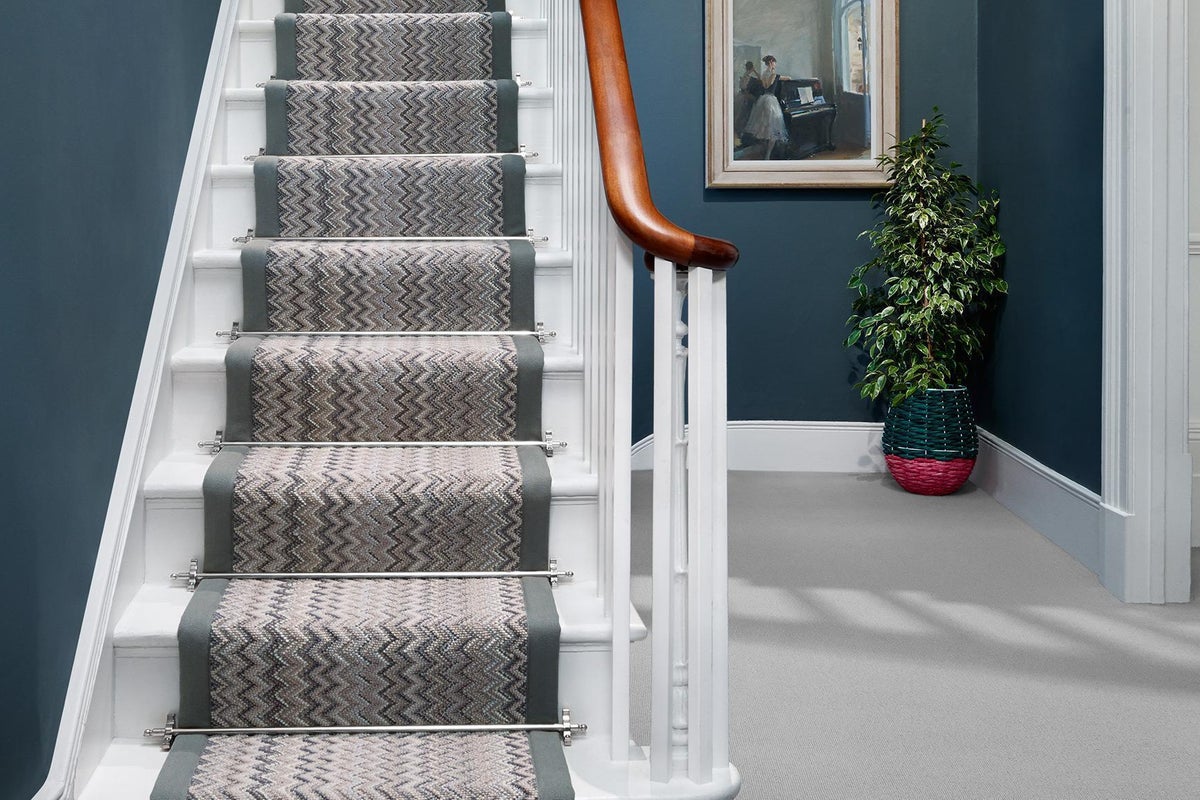
Carpets provide more consistent thermal benefits than rugs, as they cover the entire floor. Plus, this year they’re making a style comeback, with luxurious thick piles and bright colours back in fashion – and designers now ‘colour-drenching’ walls and floors in a single hue.
The main downside is cost and permanence. Unlike rugs, carpets are a long-term investment and harder to replace or clean.
Do rugs save energy?
Rugs do more than soften your step, they reduce any heat loss through your floor. Combined with draught-proofing, thermal curtains or smart thermostats, they can ease the load on your heating and can help lower energy bills.
Rugs can also make a room feel cosier by improving its acoustics. Research published in ScienceDirect and MDPI showed that pleasant acoustic conditions can actually make people feel warmer, even if the air temperature hasn’t changed. Hard floors reflect sound, creating echoes and a harshness that can make spaces feel colder and less inviting. Rugs help soften this effect, making a room feel warmer both visually and psychologically.