
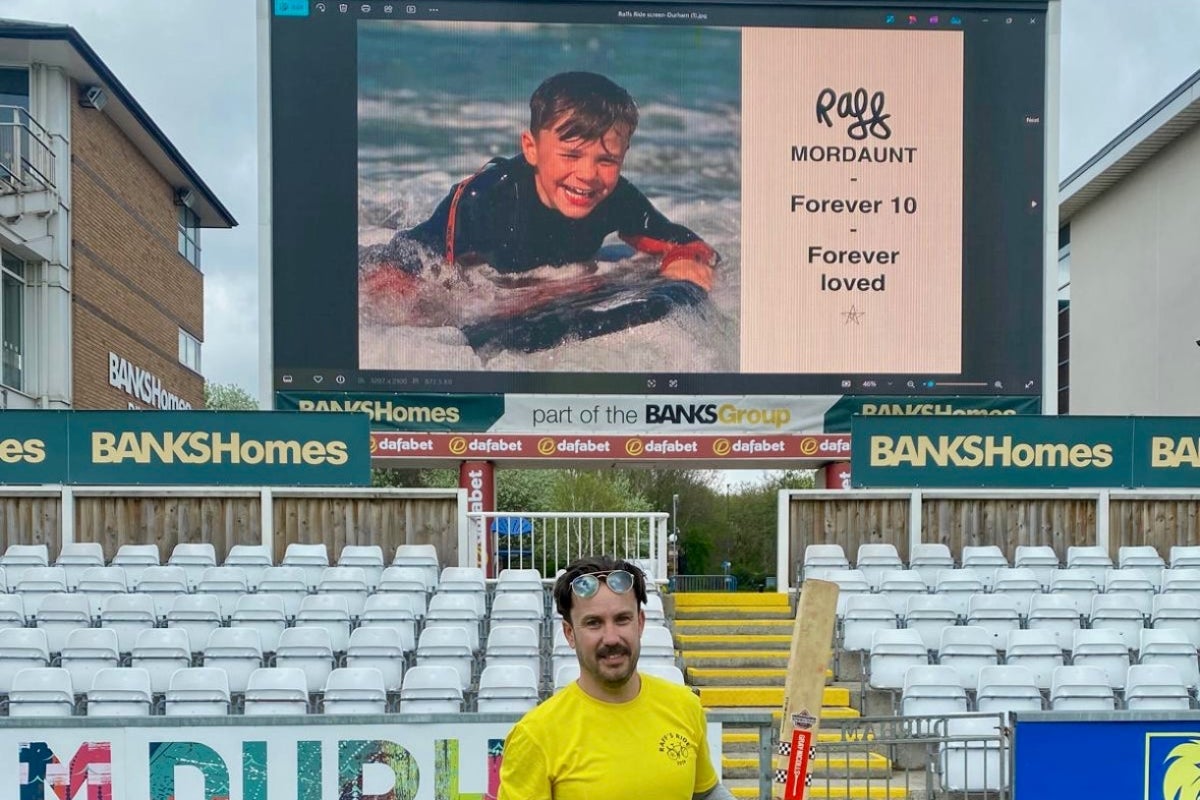
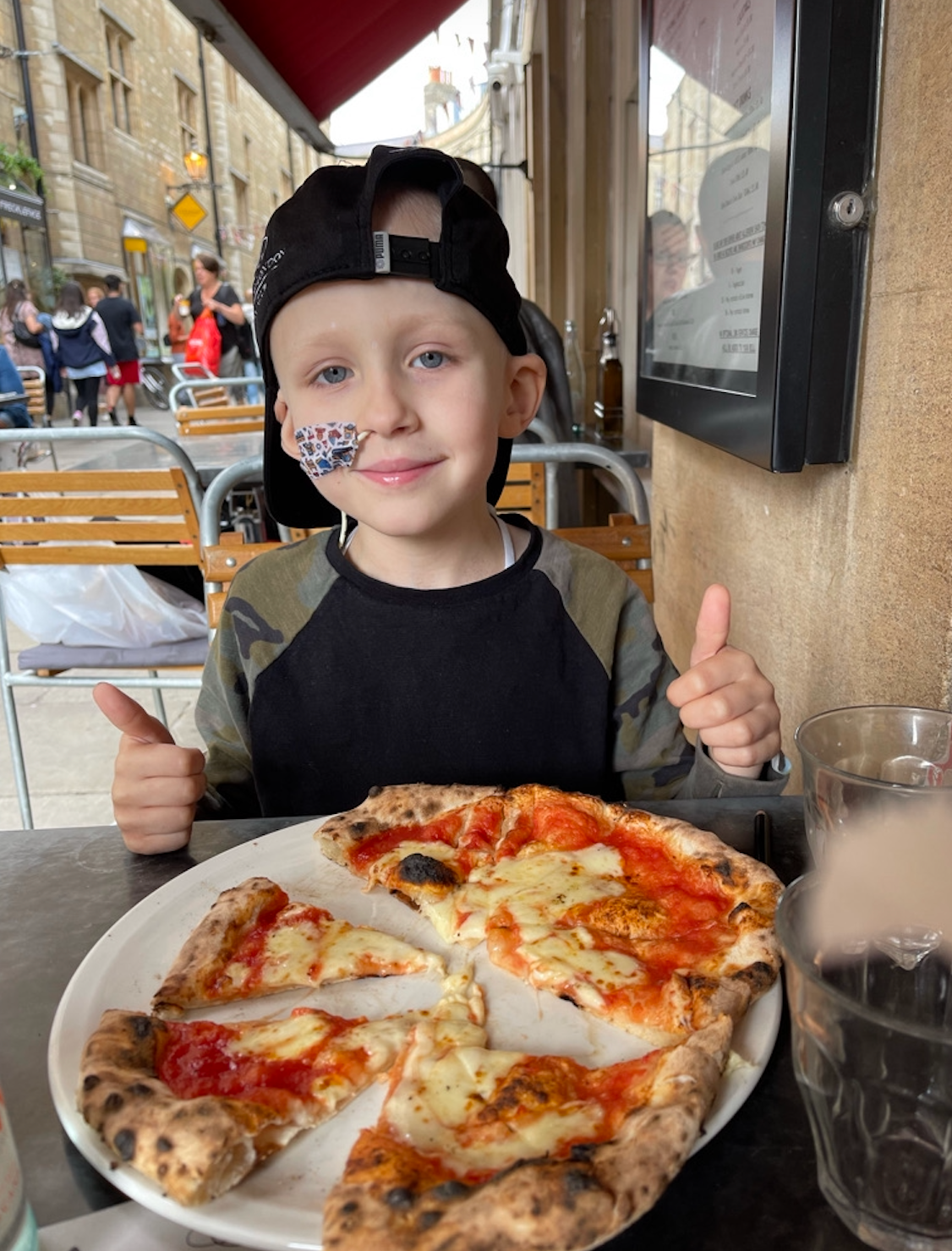
“How do you tell your children their sibling has died?” That was the devastating question Ed Mordaunt and his wife, Beth, typed into Google when their 10-year-old son Raff died from leukaemia last year.
Heartbroken and desperate for answers, Mr Mordaunt, from Lichfield, reached out to several charities offering bereavement support, but was told it would be several months before they could get any help.
“[After Raff died], we left the hospital, I validated the car parking ticket, and drove Beth home, and that was it,” he told The Independent.
“The next day, we were Googling ‘How do you tell your children their sibling has died? How do you plan your child’s funeral? How do you carry on?’
“I was reaching out to places for help, and they said ‘you’ve got to wait three months’,” he said. “A lot of people in that situation, in three months, they’re going to be gone, whether it’s literally gone or mentally gone.”
During their son’s four-month battle with leukaemia, Mr Mordaunt said he and his wife were “lucky” they could afford to take time off work to be at his bedside, but said they have “no idea” how a single parent unable to leave their job would cope.
“You’ve got a little child who is terrified,” he said. “The most normality they can have minimises the terror for the child.”
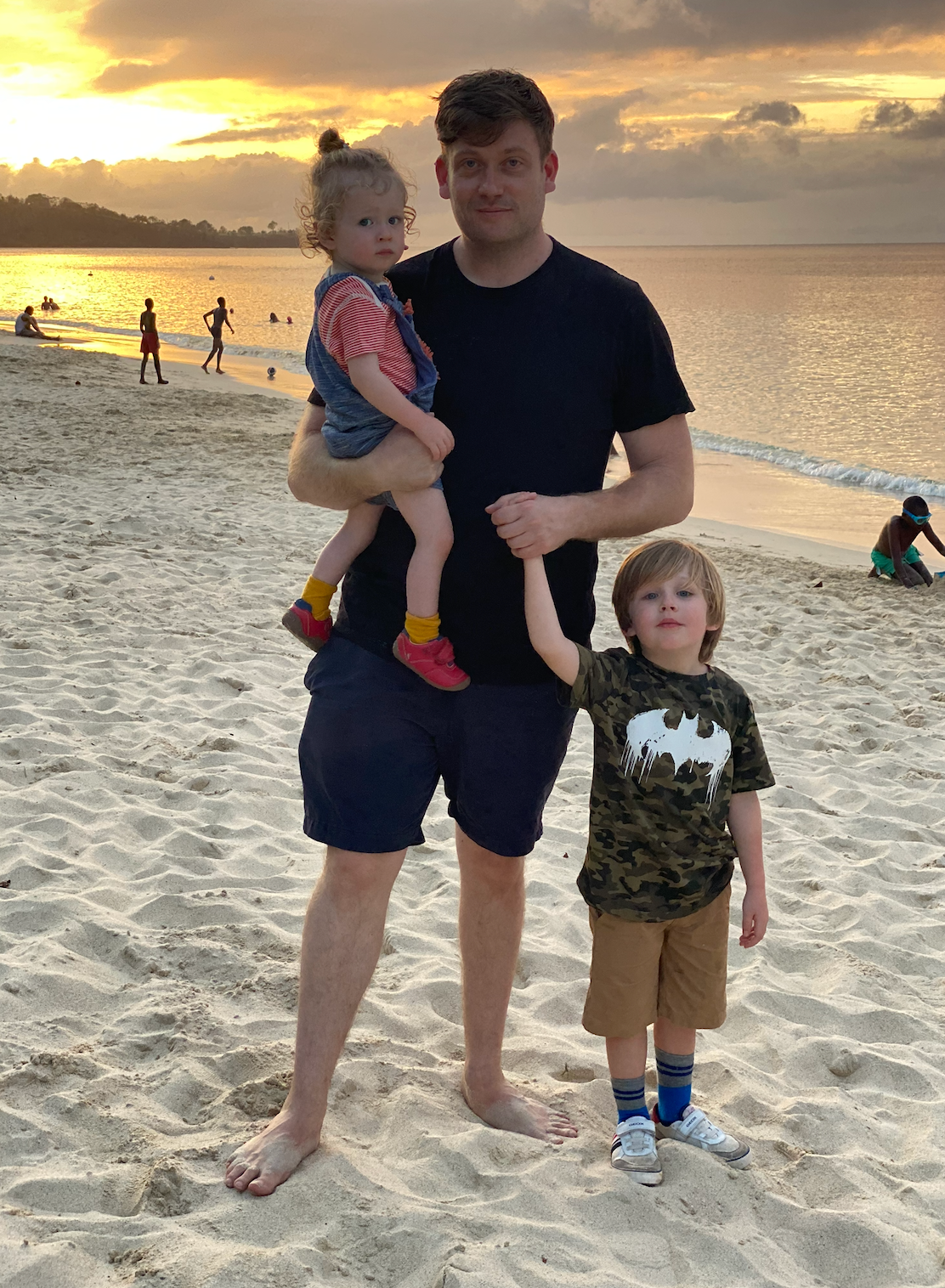
When Ceri Menai-Davis’s six-year-old son Hugh, from Hertfordshire, died from cancer in 2021, he was also told by his GP that it would be at least 12 weeks before he could get any support.
He had just spent 10 months caring for Hugh, who had rhabdomyosarcoma, a rare cancer that develops in the muscles.
Both he and his wife were there to care for him, but Mr Menai-Davis saw how other parents struggled to balance work and caring for their sick child.
“I could see the stress in their faces…They’re having to leave their child in a bed whilst they go and take calls, having no money, not being able to pay for a taxi home, or a bus ride home, and working out how they’re going to keep the rent going and pay the mortgage.”
The two fathers are now calling for the government to improve access to specialist support for parents who have a seriously sick child, as well as bereavement support for those whose children die.
They are urging the introduction of Hugh’s Law, which would guarantee paid leave for parents of seriously or terminally ill children, ensuring they are not forced to make the impossible choice of keeping their jobs or being with their child.
Both Mr Menai-Davis and Mr Mordaunt say they also want the government to address what they call a “critical gap” in how families are supported during the most difficult moments of their lives.
“There’s no current support system in place that will let them leave work, keep their job and receive payment to be in the hospital with their child,” Mr Menai-Davis said. “All Hugh wanted was his mummy and daddy at the bedside.”
Mr Menai-Davis said support is vital for parents taking on a job he describes as “relentless”.
“In the space of a minute, they’re telling you your child’s got cancer,” he said. “You become a carer, a doctor, and a nurse at home.
“You’re never sleeping. If you’re not at home watching them and checking their temperature during the daytime, you’re checking if they’re still breathing while they’re on their feeding line at night.”
-and-Ed-Mordaunt.jpeg)
Letizia Perna, the director of services at Child Bereavement UK, said: “The loss of a child is truly devastating for any family. We support many grieving parents who share that the world-shattering impact of the death of their child is exacerbated by a lack of empathetic infrastructure built into employment laws.
“A parent who has suddenly become bereaved or is told their child will die should not be also concerned about their job or financial security. We would be keen to see adjustments to policy to support bereaved parents when their world is turned upside down by grief.”
A government spokesperson said: “Losing a child has a devastating impact on parents and families, and we acknowledge the importance of the Hugh’s Law campaign in highlighting gaps in support for parents at one of the most difficult times imaginable.
“This government is working with a range of stakeholders, including Ceri Menai-Davis, on Hugh’s report, which will examine the mental health impact on the families of children with a life-threatening illness.
“There are also support programmes available worth hundreds of pounds a week to help parents and families during difficult times, and we would urge them to check they are getting the support they are entitled to – which can include help with transport, prescription, and council tax costs.”
If you are experiencing feelings of distress, or are struggling to cope, you can speak to the Samaritans, in confidence, on 116 123 (UK and ROI), email [email protected], or visit the Samaritans website to find details of your nearest branch