
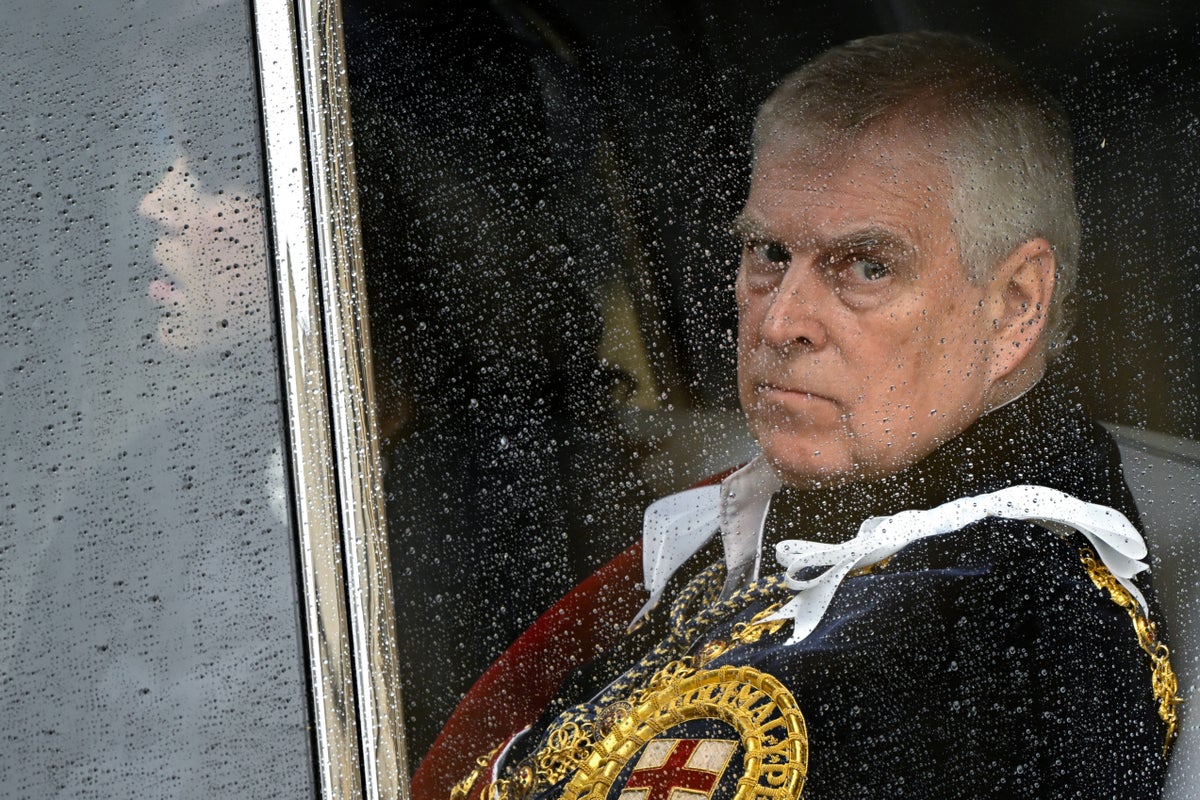
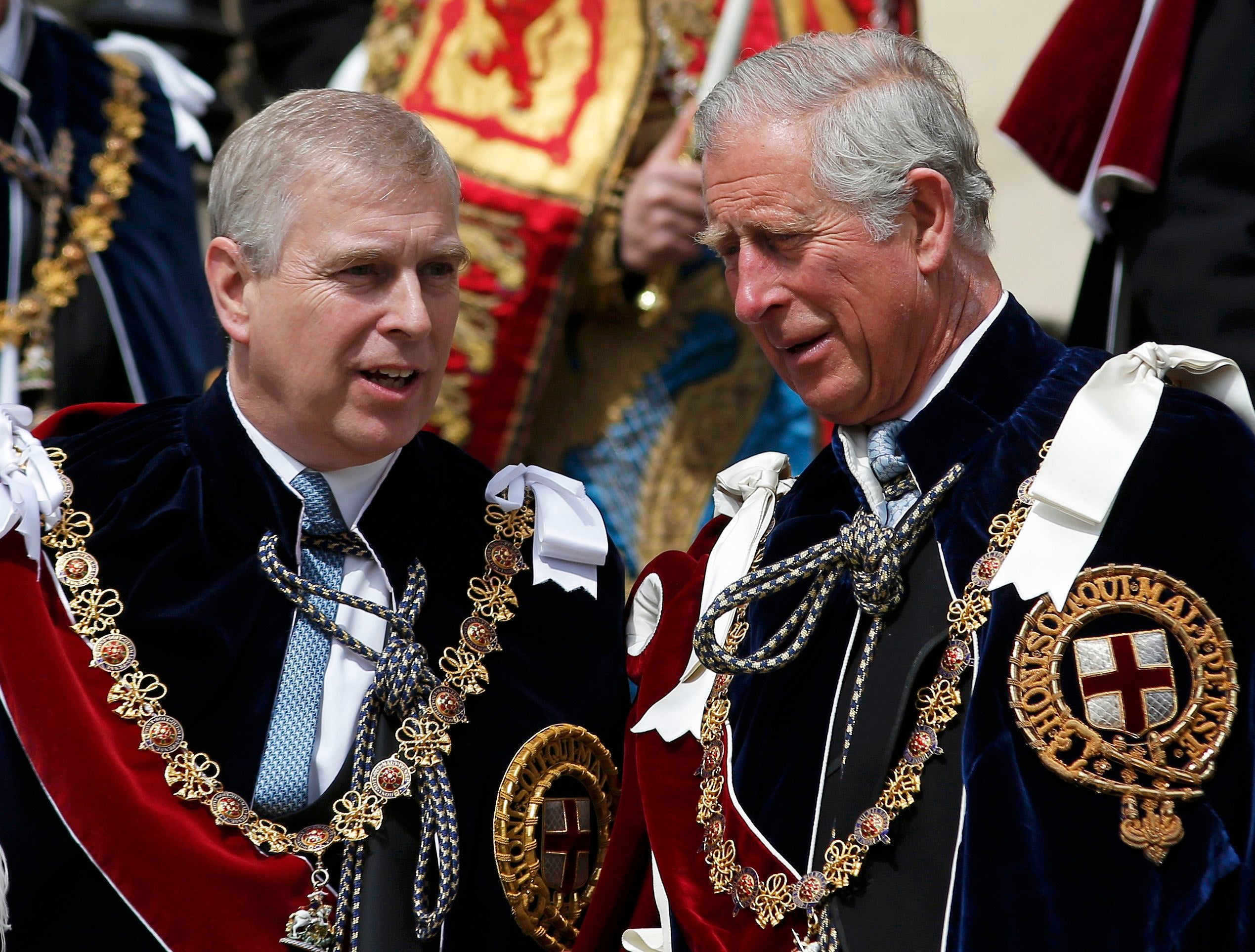
The UK government has said it will consider removing Andrew Mountbatten-Windsor from the line of succession to the British throne after the police investigation into the former prince has concluded.
It is a move that will require the backing of the 14 other commonwealth countries where King Charles III is the head of state.
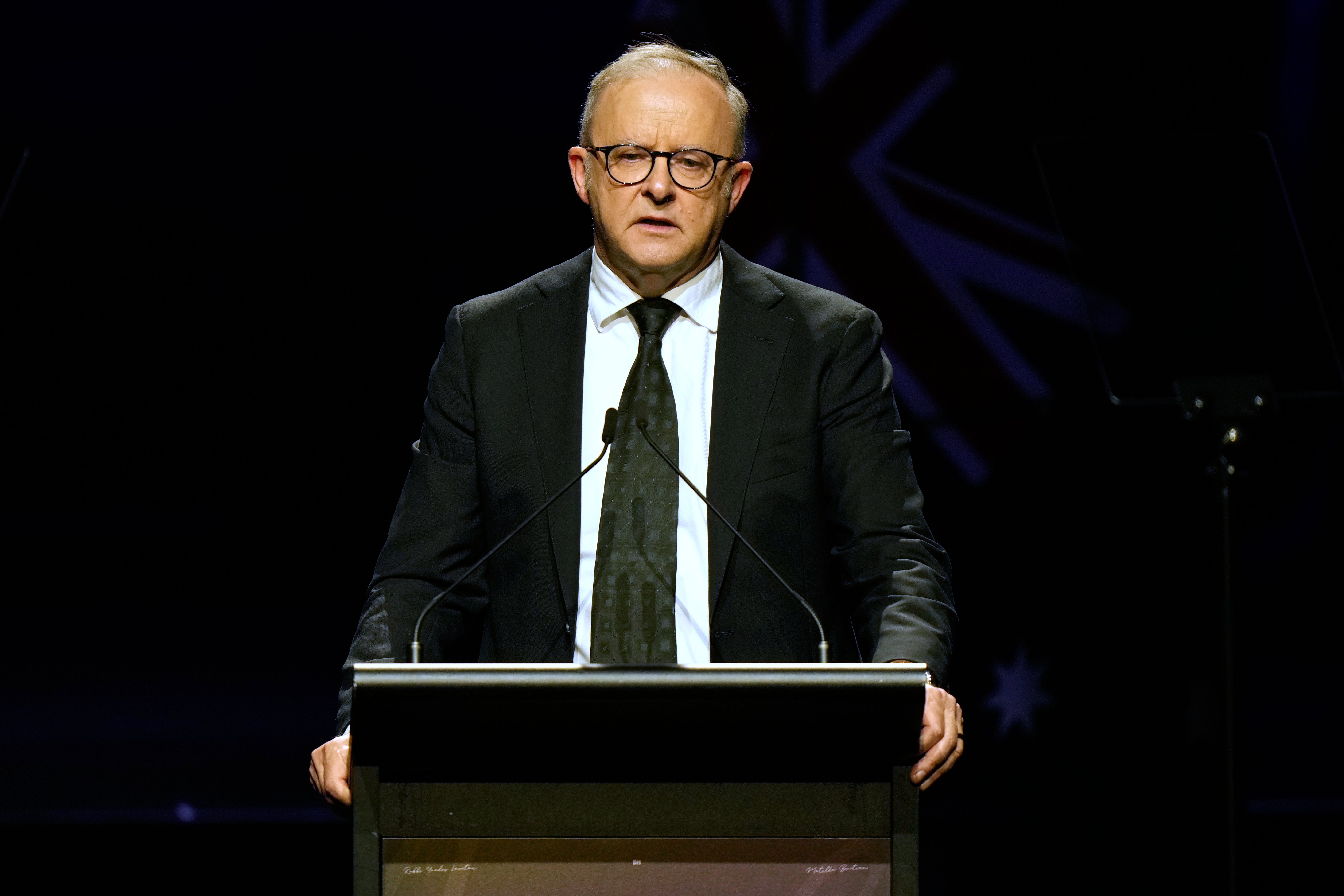
So far, it has got the approval of Australian Prime Minister Anthony Albanese, who offered his support in a letter to Keir Starmer on Monday.
New Zealand leader Christopher Luxon followed suit hours later to say he would back any plans to exclude the former prince from the line to the British throne.
But Sir Keir Starmer’s government will still need the support of 12 other realms if he wants to remove Mr Mountbatten-Windsor from eighth in line for succession.
It came after the former prince was arrested last week on suspicion of misconduct in public office after being accused of sharing sensitive information with paedophile Jeffrey Epstein while he was trade envoy.
Mr Mountbatten-Windsor, who has denied any wrongdoing, was later released under investigation.
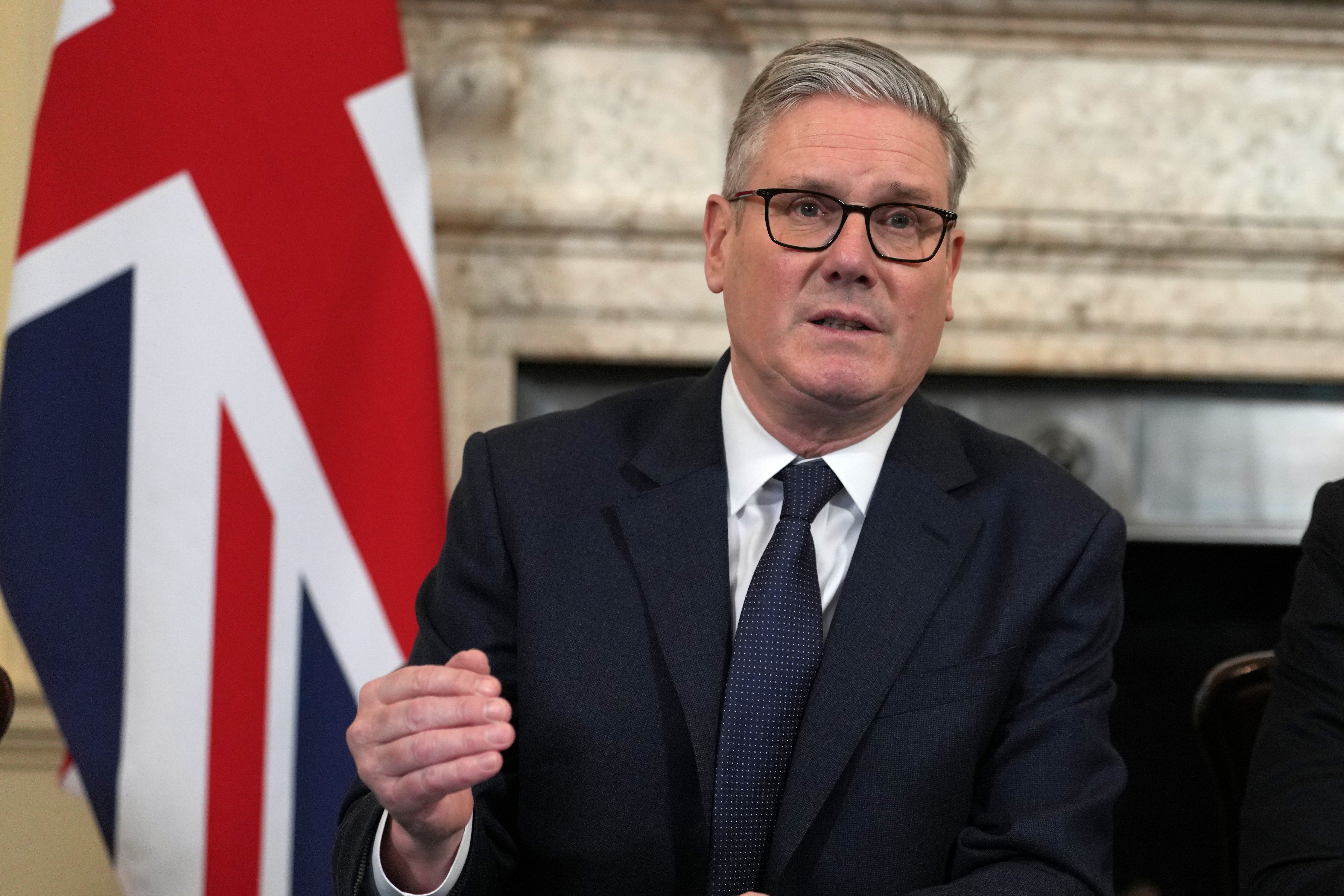
Following his arrest, Darren Jones, Sir Keir’s chief secretary, told lawmakers on Monday: “The government is clear that we are not ruling out action in respect of the line of succession at this stage, and we will consider whether any further steps are required in due course.”

What approval does the UK government need?
Any changes proposed by the government would require an act of Parliament, and the support of the Commonwealth countries where the monarch is the head of state.
The 15 realms are Antigua and Barbuda, Australia, the Bahamas, Belize, Canada, Grenada, Jamaica, New Zealand, Papua New Guinea, Saint Kitts and Nevis, Saint Lucia, Saint Vincent and the Grenadines, Solomon Islands, Tuvalu, and the United Kingdom.
Trade minister Sir Chris Bryant said the government is “working at pace” to bring forward legislation on succession.

What is the process?
Robert Hazell, a professor of British politics at University College London, said the move would require some countries to make formal constitutional amendments, whereas others would make the changes through legislation.
The process would likely be lengthy and time-consuming for all countries involved. Mr Hazell said the other governments may be hesitant to support the move, given that the former prince is eighth in line and unlikely to ever be made King.
No governments within the realm have publicly expressed disapproval towards the move.
“The last time this happened was for the Succession to the Crown Act 2013, which made the law of royal succession gender neutral,” Mr Hazell said. “It took two years of protracted negotiations for all the different countries to amend their own laws or constitutions.”
When was someone last removed from the line of succession?
The last time someone was removed from the line of succession was after King Edward VIII abdicated to marry American divorcee Wallis Simpson in 1936.

What have the Commonwealth countries said so far?
In a letter to the British prime minister, Mr Albanese said: “In light of recent events concerning Andrew Mountbatten-Windsor, I am writing to confirm that my government would agree to any proposal to remove him from the line of royal succession.
“I agree with His Majesty that the law must now take its full course and there must be a full, fair and proper investigation.
“These are grave allegations and Australians take them seriously.”
New Zealand’s prime minister joined Mr Albanese hours later to say he would support the UK government’s decision.
Mr Luxon said: “If the UK Government proposes to remove Andrew Mountbatten-Windsor from the order of succession, New Zealand would support it.”

However, the deputy prime minister of New Zealand did not agree with the statements, telling local media it was not a priority for the country.
David Seymour said: “I think we’ve got 99 problems most New Zealanders are facing right now.
“This guy’s eighth in the line of succession, and these guys all seem to live to about 100.
“So, of all of the things that you could ask me about or we could be worried about right now, that’s probably a wee way down the list.”
When asked about Australia’s support, he said: “Good on them, they’ve obviously solved a few more problems.”
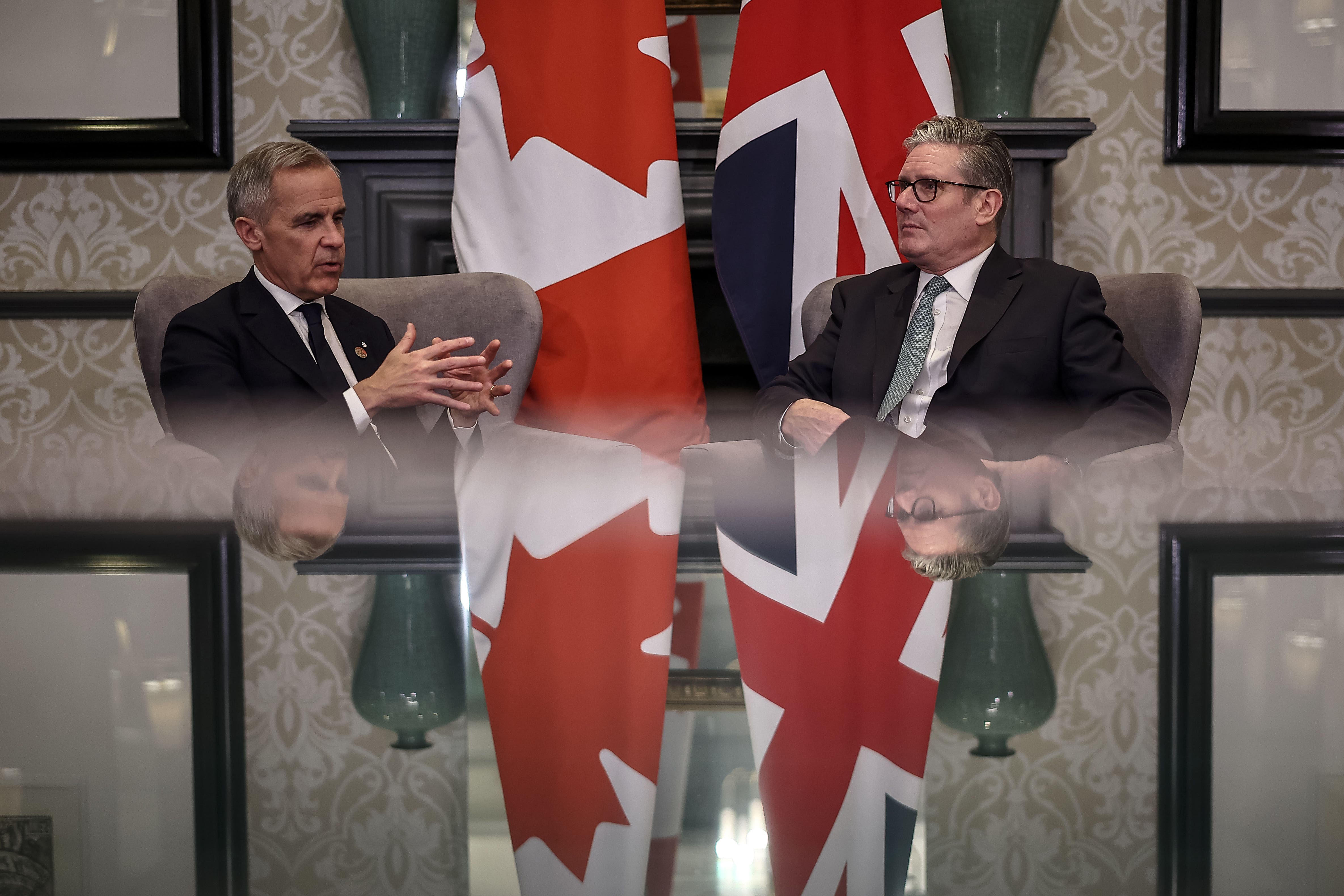
The Independent contacted government officials from the other 12 countries, including Canadian Prime Minister Mark Carney, but has not received a response on whether they would be supporting the move.