
A Syrian artist delivered a defiant message of resilience for Berlin’s LGBTQ+ community, performing just hours after a hate crime marred the city’s Pride celebrations.
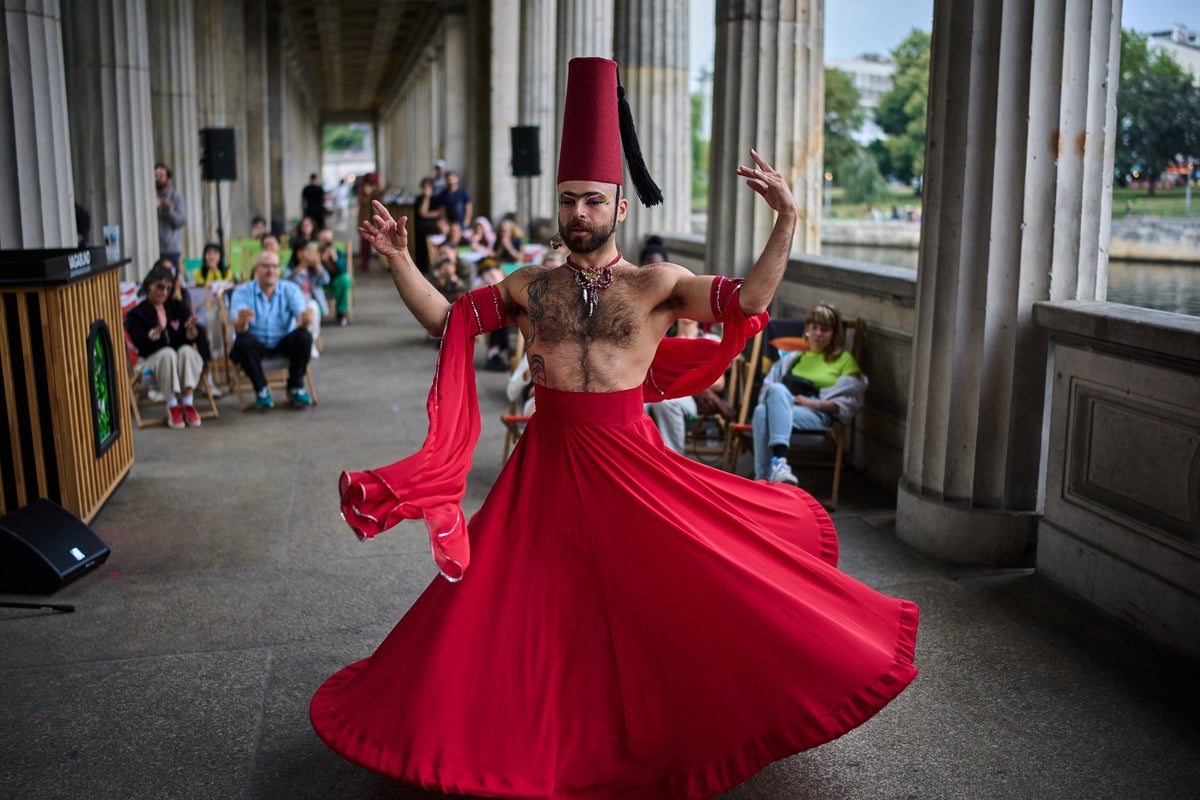
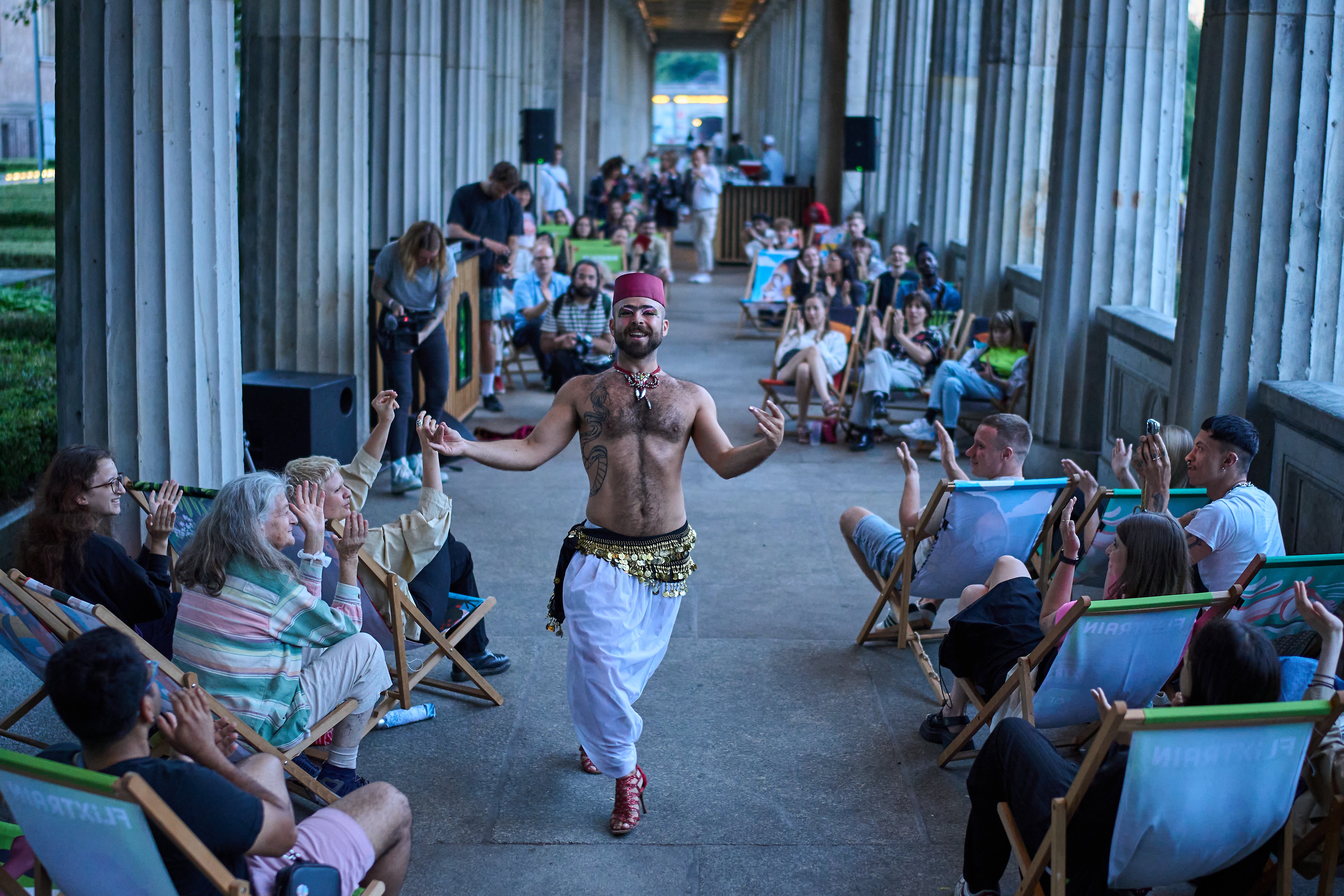
Haidar Darwish took to the stage at Berlin’s Museum Island in a flamboyant hoop skirt and red fez.
He asked for a moment of silence, then declared “the show must go on” despite an attack on the city’s Pride celebrations that has plunged the LGBTQ+ community into mourning.
“Yesterday there was an attack and a hate crime on our community in Berlin during the Pride Parade,” he told the crowd Sunday night, struggling to keep his emotions in check.
“It’s heavy on our community but we are pushing through, and we are here specifically today, myself and my artists, to show up and be visible,” Darwish said.
One person was left dead and nearly 30 others were injured after a van ramming and stabbing during an extremist terror attack near the Berlin Pride festival Saturday night.
Abdul Ballout, a 21-year-old German-born citizen with Lebanese roots, apparently ran toward officers with a sharp instrument and police fired at least one shot. He was killed by police.
Officials have begun to question how Ballout had been able to move freely in Germany following a conviction linked to his ties to the Islamic State group.

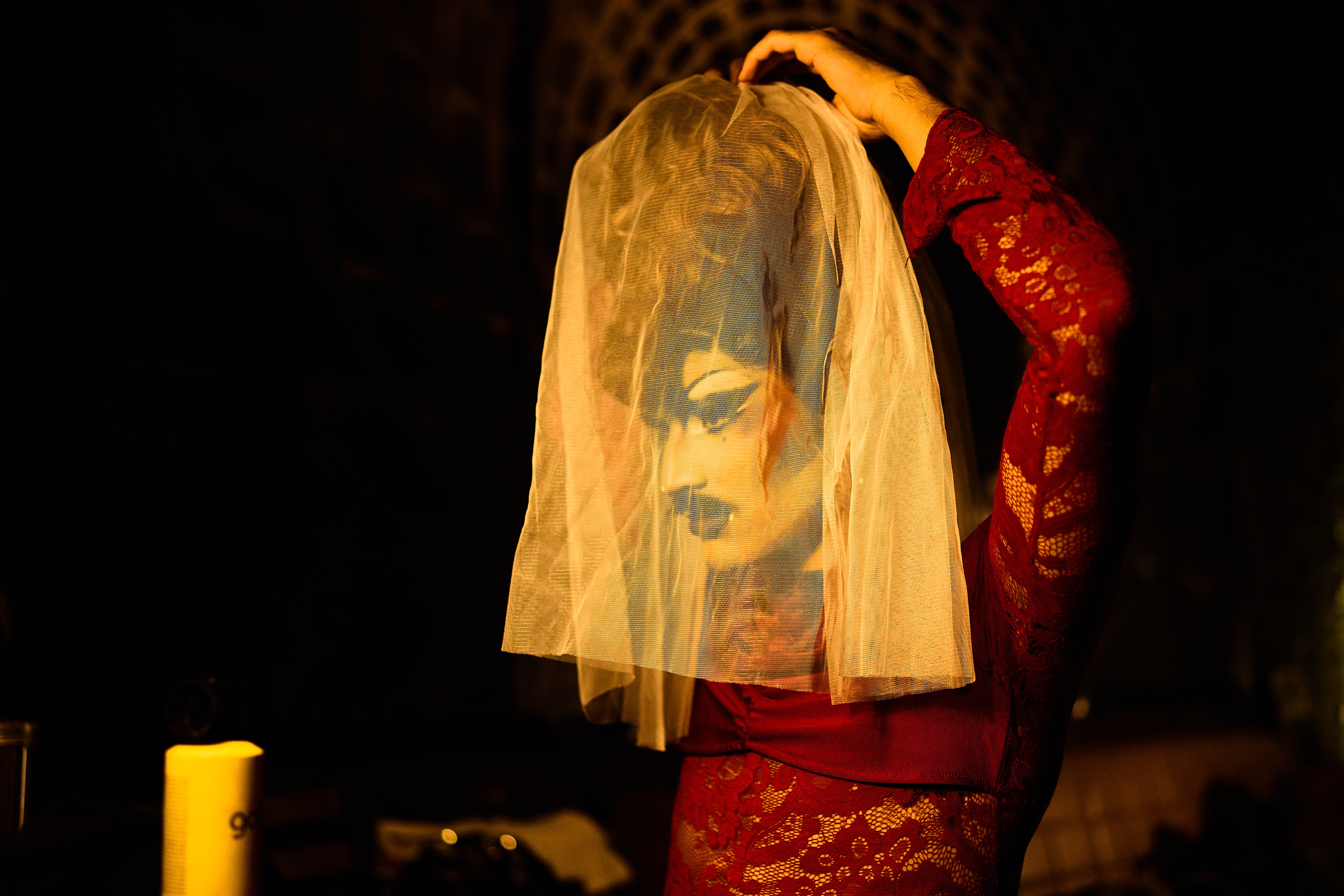
Darwish, a Syrian refugee, delivered a powerful performance on Sunday, blending traditional Anatolian dervish spinning with belly dance, as part of Queens Against Borders – a group fostering solidarity among LGBTQ+ refugees, migrants, and immigrants.
Having fled Syria in 2016, Darwish, known as “The Darvish,” captivated the audience. His red skirt billowed gracefully as he spun to traditional Arabic melodies, which intensified before he shed the garment to cheers, transitioning into dynamic belly dance moves.
He shared the stage with an Egyptian belly dancer, Aleya, and Nigerian drag performer, Countess Sasha Seduction. Darwish, 30, articulated the group’s mission to The Associated Press: “We’re trying our best, to be honest, in these weird, horrible times to create a stage where we can be present.”

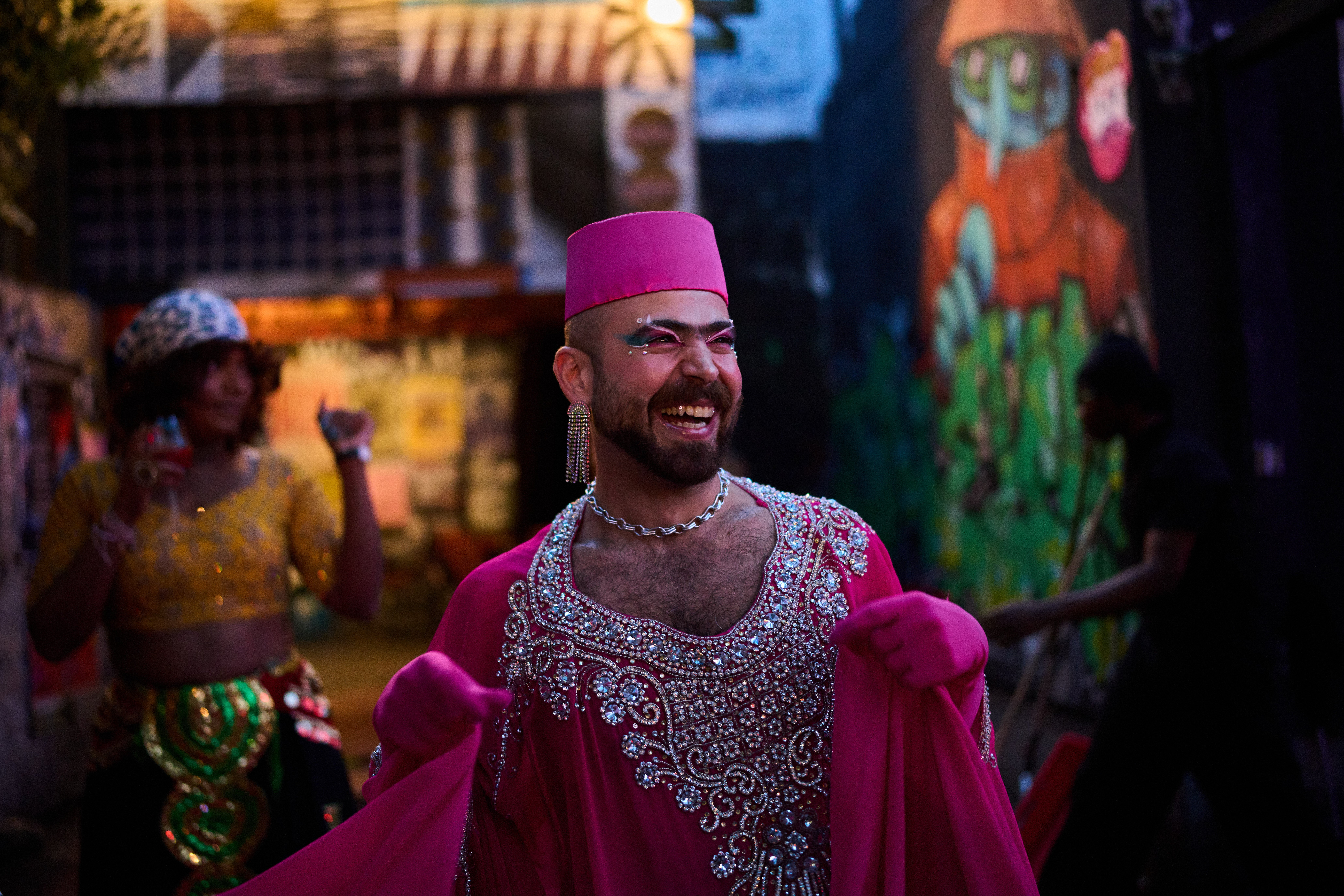
He stressed that it was especially important for them to perform on the night after the attack for a wider audience outside their LGBTQ+ community that included Berliners of all backgrounds as well as many foreign tourists.

Nonetheless, he said that “we are tired to constantly be put in a position where we have to fight endlessly.”
He said the dancers could easily stay home but “we can also put grief into joy.”
Darwish and the other performers danced until the audience leaped from their chairs and joined in, transforming an otherwise sad and somber night.