



Households are facing further cost pressures on their food bills due to degraded soils and climate volatility, according to campaigners.
The Save Soil movement said it had estimated that a typical household could potentially end up paying hundreds of pounds more per year.
It said that degraded soils are slower to recover, so droughts, heatwaves and floods cause larger yield losses and sharper price swings.
Campaigners argued that restoring soil health is among the most cost-effective hedges against future shocks, with low-income families who spend more of their budget on food particularly at risk in terms of the price impact.
Earlier in June, the Met Office said that the El Nino climate pattern could increase the chances of milder, wetter and windier weather in the UK during autumn and early winter.
El Nino is a warming of the Pacific Ocean near the equator that affects weather patterns around the world.
Concerns have also been raised that UK food imports could be coming under further pressure from climate impacts amid speculation that 2027 could become the hottest year on record.
El Nino typically takes place irregularly every two to seven years and usually lasts nine to 12 months.


Get a free fractional share worth up to £100.
Capital at risk.
Terms and conditions apply.
Go to website
ADVERTISEMENT
Get a free fractional share worth up to £100.
Capital at risk.
Terms and conditions apply.
Go to website
ADVERTISEMENT
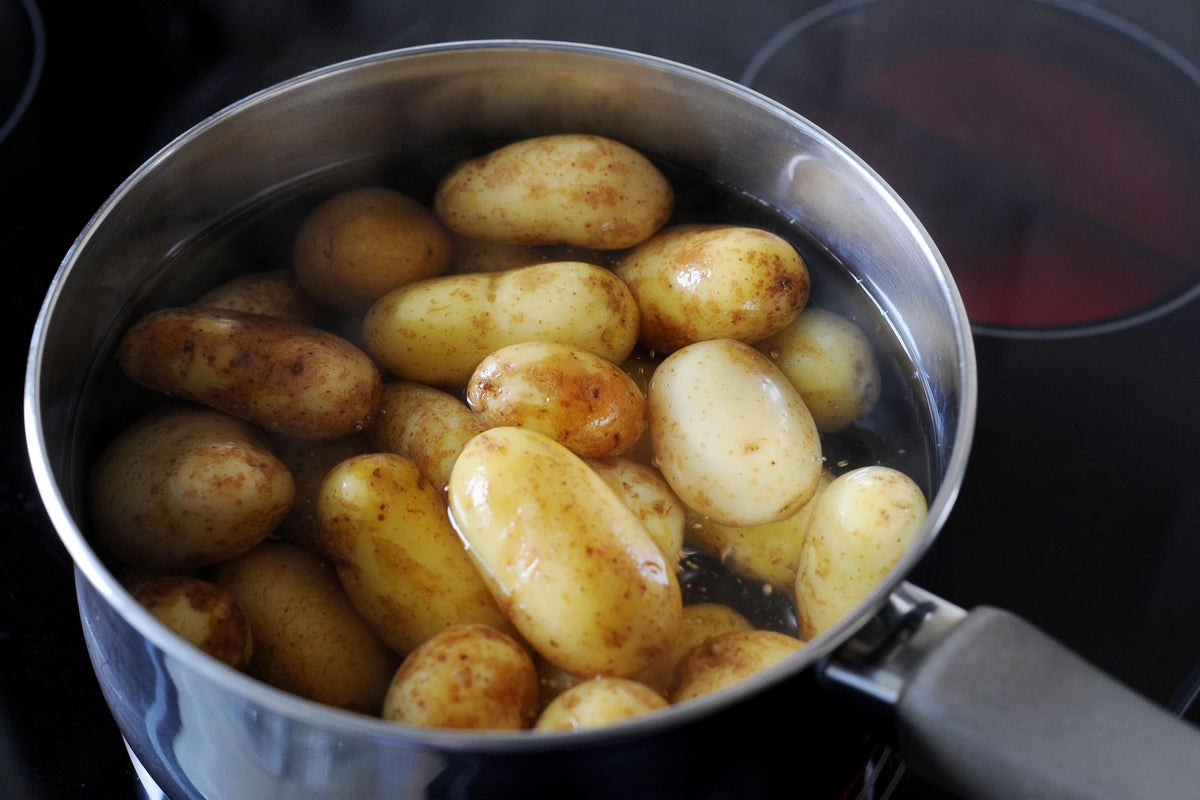
Praveena Sridhar, chief policy and science officer of Save Soil, said staples such as potatoes, bread and vegetables could be particularly exposed in terms of the pressure on family budgets, adding: “Prices are driven by energy, labour and global markets, but soil decides how hard each shock lands.
“Healthy soil holds water through a drought and structure through a flood, so yields hold and prices steady.”
Save Soil is calling for a legally binding soil health target, a national soil-monitoring scheme and funding for farmer advice and training.
Office for National Statistics (ONS) figures released last week showed UK inflation unexpectedly flatlined last month as a slowdown in food price rises offset pressure from air fares.
The Office for National Statistics (ONS) said Consumer Prices Index (CPI) inflation was recorded at 2.8% in May, the same rate as in April.
Food and drink inflation eased to 2.2% from 3% in April, falling to its lowest level since December 2024.
A Government spokesperson said: “We are taking a range of actions to keep prices down for households, including the cost of the weekly shop.
“We’ve committed to maintaining domestic food production by investing billions in the development of new technology to increase yields, develop climate resilient crops and help farmers produce more food; and we’re increasing our water supply by building new reservoirs for the first time in 30 years.”
The spokesperson said the Government will be launching “the 25-year farming road map with specific measures to boost soil health and support our farmers in a changing climate”.