


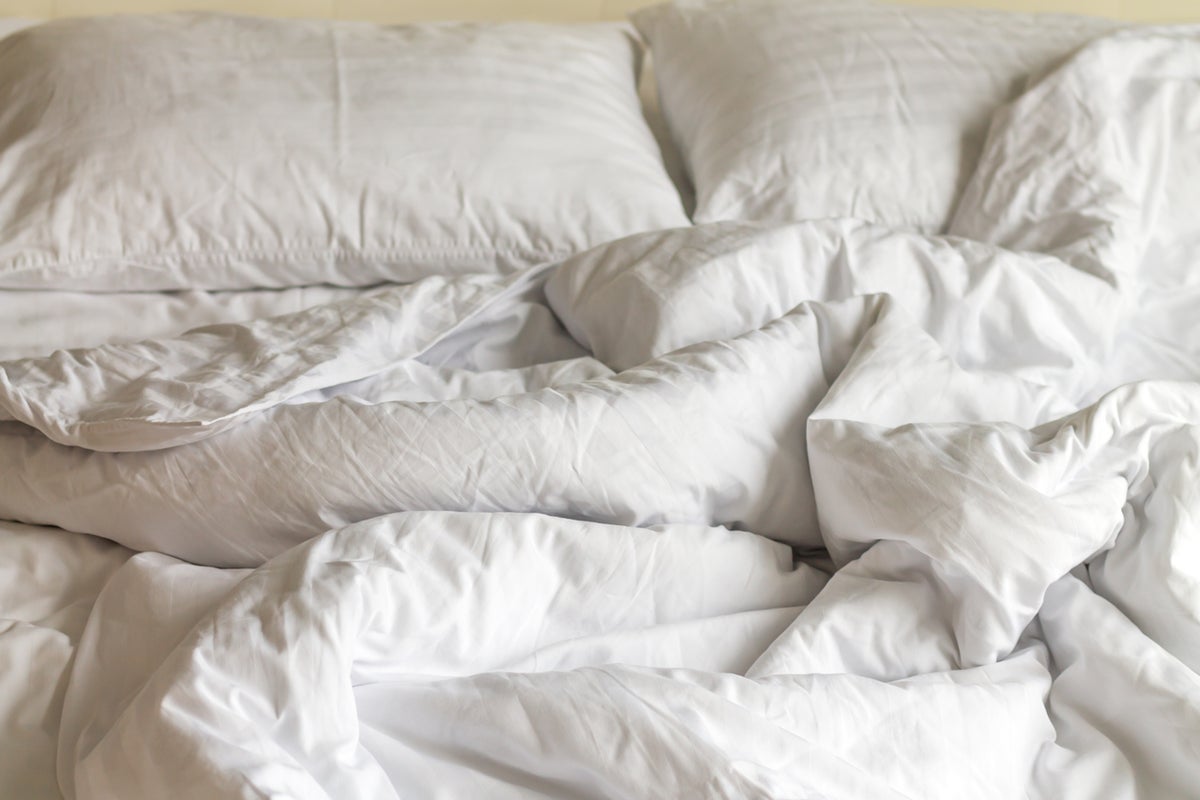
There’s nothing worse than finally climbing into bed after a long day, only to spend the night tossing and turning because you’re too hot to sleep. While things like your bedroom temperature, bedtime routine and the weather all play a part, your bedding has a bigger impact than you might realise. The wrong sheets can trap heat, hold onto moisture and leave you waking up hot, sweaty and uncomfortable, especially during a heatwave.
The good news is that the right sheets can make a noticeable difference. But staying cool at night isn’t simply a case of choosing the thinnest fabric you can find. Different materials vary in how breathable they are, how well they wick away moisture and how easily air can circulate, meaning some are far better suited to hot sleepers than others.
To find out which sheets are really worth investing in, I spoke to sleep experts about what to look for when shopping for cooling bedding, the materials they recommend and why the right fabric can help you sleep more comfortably.
Read more: How to wash and care for linen bedding
What sheet material is best for people who sleep hot?
Dr. Louis Lerebours, MD, a board-certified family medicine physician at Freeman Recovery Center says the best materials for hot sleepers are those with “natural breathable fibres with good air circulation.” These materials can include cotton, linen, bamboo-derived viscose, and Tencel.
He explains: “These breathable fibres will also allow your body to move some moisture during the course of the night. This is important because most people who experience excessive nighttime sweating (or what’s commonly referred to as night sweats) have an inability to move enough sweat out of their skin to cool themselves down properly during the night. In other words, they retain too much heat in the upper layers of their skin. As this excess heat builds up, it causes them to become excessively warm and sweaty at night. So, breathable fabrics may be beneficial to you if you find yourself getting hot and waking up multiple times throughout the night.”
How do different fabrics compare when it comes to breathability and temperature regulation?
According to Dr. Lerebours, there are some differences in how these materials work. Linen, he explains, is made with a large weave that doesn’t cling to the skin, whereas cotton will feel cooler due to its crisper texture.
“Bamboo and Tencel are also examples of breathable sheet materials,” he adds. “They’re also softer than heavier materials such as microfibre or densely woven sateen.”
How to reduce your temperature while sleeping
There are some sleep tricks you can follow to try and stop your body temperature rising at night. According to Dr Tim Mercer, NHS GP partner and GP trainer, adjusting your sleep position helps more than you might think.
“Sleeping on your side can improve airflow and reduce contact between your body and heat-retaining surfaces like your mattress and bedding,” he explains. “Minimising contact points may help your body stay cooler overnight. If you share a bed, avoid physical contact during sleep, as body heat transfer can worsen discomfort.”
Best linen bedding

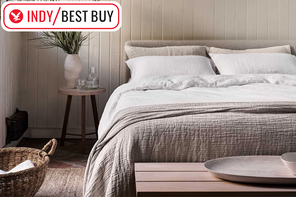
Naturalmat organic linen bedding
Ranked as our best overall bedding, reviewer Ali Howard called this set a “strong choice if you want relaxed linen with proper sustainability credentials.”
She added: “In testing, the fabric had a soft, airy feel with a slightly more substantial handle than very lightweight linen, and the pure white shade kept the bed looking clean, unfussy and inviting. It washed well, keeping its airy handle and drying with a gentle crumple that didn’t need ironing. The brand’s breathability claim held up well, making this one a sensible year-round option rather than a purely summer switch.”
Why we love it
- GOTS certified
- Soft, airy texture
- Matching Oxford pillowcases available
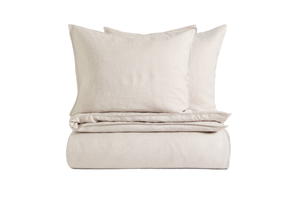
H&M linen duvet cover set
Linen bedding can certainly add up in price, so for a good budget option Ali Howard recommends this set from H&M. She wrote in her review: “ The washed linen has a relaxed, lightly crumpled texture and feels perfectly breathable in use. While this one might not be the softest straight out of the packaging, it becomes more and more supple after washing. Pure linen bedding is not cheap, and it is not created equally, but for an affordable entry point, H&M’s set does the job really well.”
Why we love it
- Relatively affordable pure linen
- Snap poppers
- Washed texture
Best cotton bedding
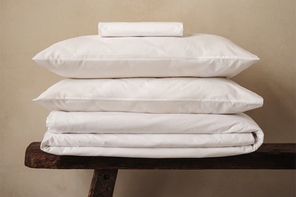
Woolroom arinta organic cotton linen bundle
“Woolroom’s arinta bedding keeps things simple in the best possible way, and is the best bedding set I tested,” wrote reviewer Ali Howard in our guide to the best bedding sets. She added: “Made from 100 per cent organic cotton percale, it has the kind of crisp, smooth feel you get in a good hotel – cool, breathable and noticeably fresh against the skin.”
Why we love it
- Naturally hypoallergenic
- Super soft
- Breathable
Take note
- Needs a pre-wash to soften
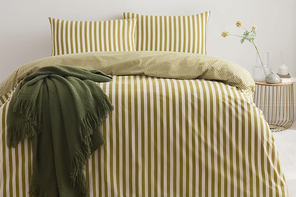
Dunelm Durham stripe 100 per cent cotton duvet cover and pillowcase set
For a budget cotton set, Ali Howard recommends this set from Dunelm. For £20, she says it’s great value, adding that the stripe design “is simple enough to work in most bedrooms.”
She continues: “Crafted from 100 per cent cotton with a 144 thread count, the bedding feels light and breathable, but still durable enough for heavy, regular use. The button fastening keeps everything in place, and I found it refreshingly easy to care for, too: machine washable, low tumble dry and a cool iron if needed, making this an effortlessly chic option. “
Why we love it
- Budget-friendly
- Fresh, modern colourways
- Reversible
Take note
- Lower thread count
- Not as soft as others
Meet the experts
- Dr. Louis Lerebours, MD: Bard-certified family medicine physician at Freeman Recovery Center
- Dr Tim Mercer: NHS GP partner and GP trainer
Experts share whether linen bedding is better than cotton