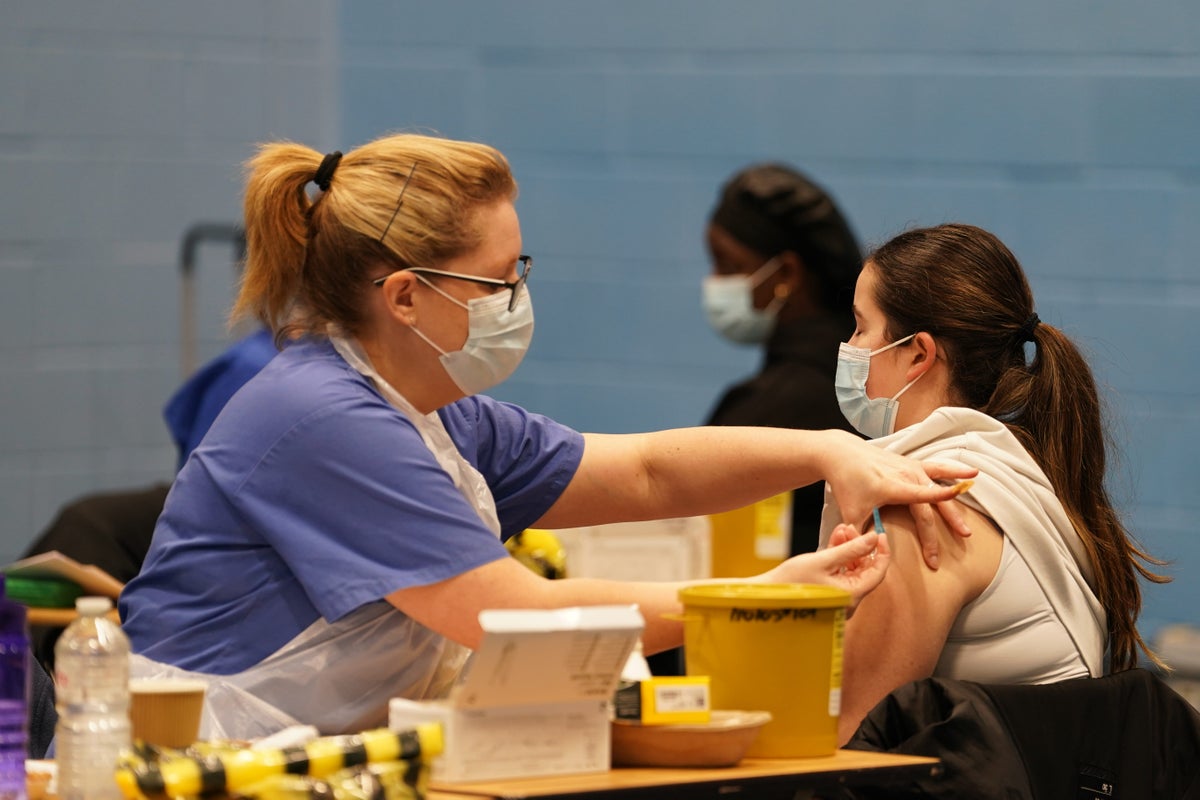
A hospital trust did not immediately alert health officials about a case of meningitis in Kent.
A patient first presented to East Kent Hospitals University NHS Foundation Trust on the evening of Wednesday 11 March, a spokesperson said.
But the trust waited until Friday 13 March, once a diagnosis had been confirmed, to notify the UK Health Security Agency (UKHSA), which manages an outbreak of such an illness.
Dr Des Holden, acting chief executive of East Kent Hospitals University NHS Foundation Trust, said: “Our first patient presented on the evening of Wednesday 11 March.
“We recognise there was an opportunity prior to diagnosis being confirmed on Friday 13 March to notify UKHSA.

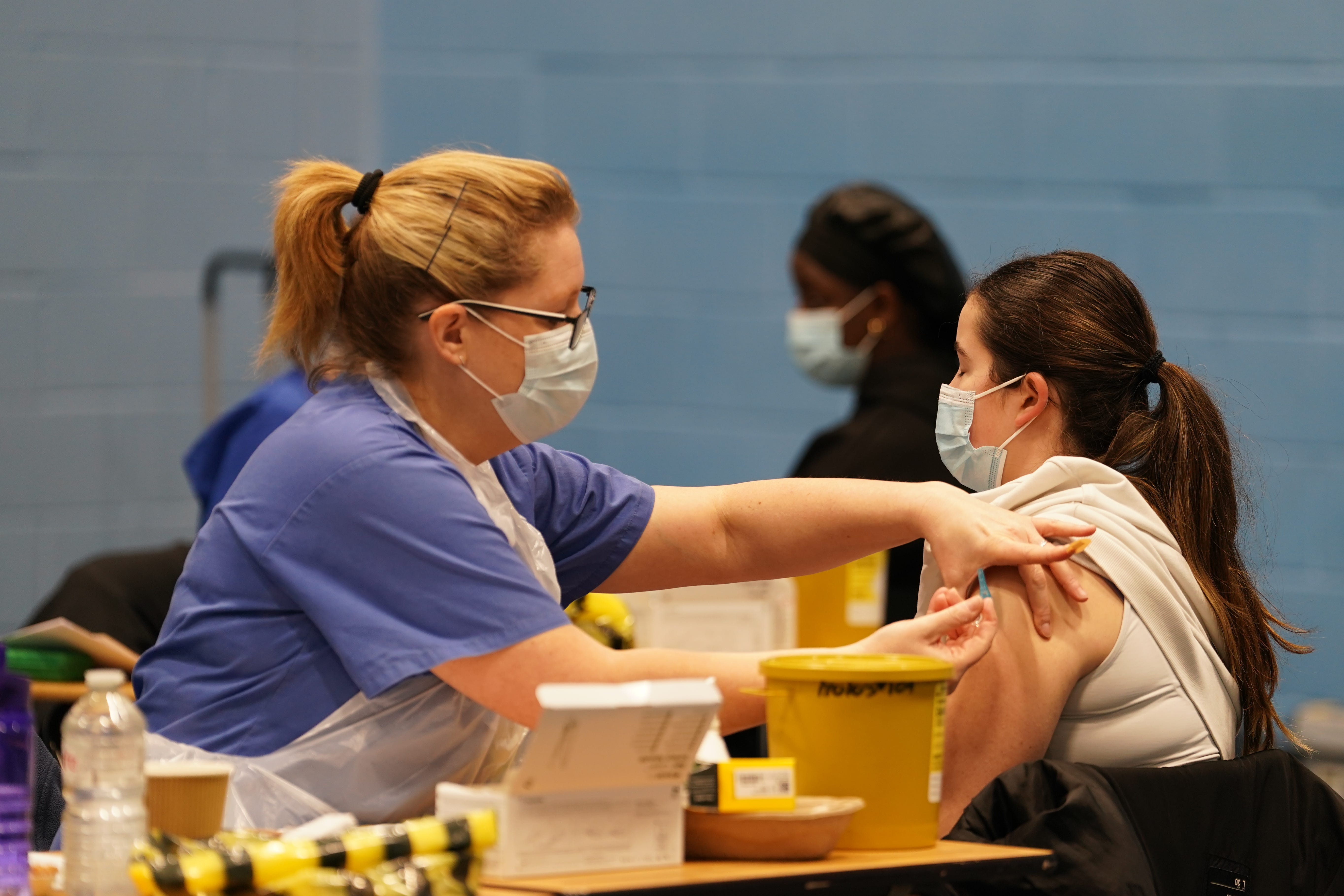
“We cannot go into the detail of individual patients’ care, but the trust has been in close contact with UKHSA since Friday 13 March to discuss the management of patients presenting with suspected meningitis.”
Health secretary Wes Streeting said that there was a 24-hour window in which hospitals were meant to raise a suspected case with the agency, and that staff had instead done so in 26 hours.
He told LBC: “The patient came in on the Wednesday unwell. By mid-morning on Thursday, the staff suspected meningitis. Now at that stage, they had 24 hours within which they should have notified the UKHSA. They did so in 26 hours.
“While I can reassure people that it appears in this case that that delay did not have a material impact – we have not found evidence of onward transmission to other people through that delay that we would otherwise have traced faster – nonetheless, we have that 24-hour standard for a reason, and I am taking this seriously.”
A UKHA spokesperson told The Independent: “UKHSA has well established processes for dealing with single cases or cases where there are small numbers of people affected including offering antibiotic prophylactics to household or family members or people that have had an overnight stay during the incubation period.
“The events of Saturday night with acutely unwell individuals triggered a large-scale public health response on Sunday as the information emerged.”


Mr Streeting added: “They had already done what we asked them to do immediately in terms of improving their compliance and rapid reporting, and I have to say, beyond what happened there, the way in which the NHS trust, the universities and colleges and schools in Canterbury, and young people themselves, have responded has been exemplary.
“We’ve seen cases, confirmed cases and suspected cases, beginning to fall. That’s encouraging. I’m not complacent, we’re not out of the woods yet, but we’ve responded rapidly and I think we’ve contained this outbreak in the way that we needed to.”
Two students have died in the meningitis outbreak – 18-year-old Juliette Kenny, who was described by her family as “fit, healthy and strong” before her death, and a University of Kent student.
Dr Merav Kliner, incident director at the UKHSA, told The Independent that the drivers of the outbreak are still being investigated.
“It is likely that social and environmental factors, the bacterial strain and population immunity are all contributing to some degree,” she said.
“We know that this outbreak is caused by a strain of serogroup B meningococcus or ‘menB’. Current data suggests that the antibiotics and licenced vaccines used in response will reduce the risk.

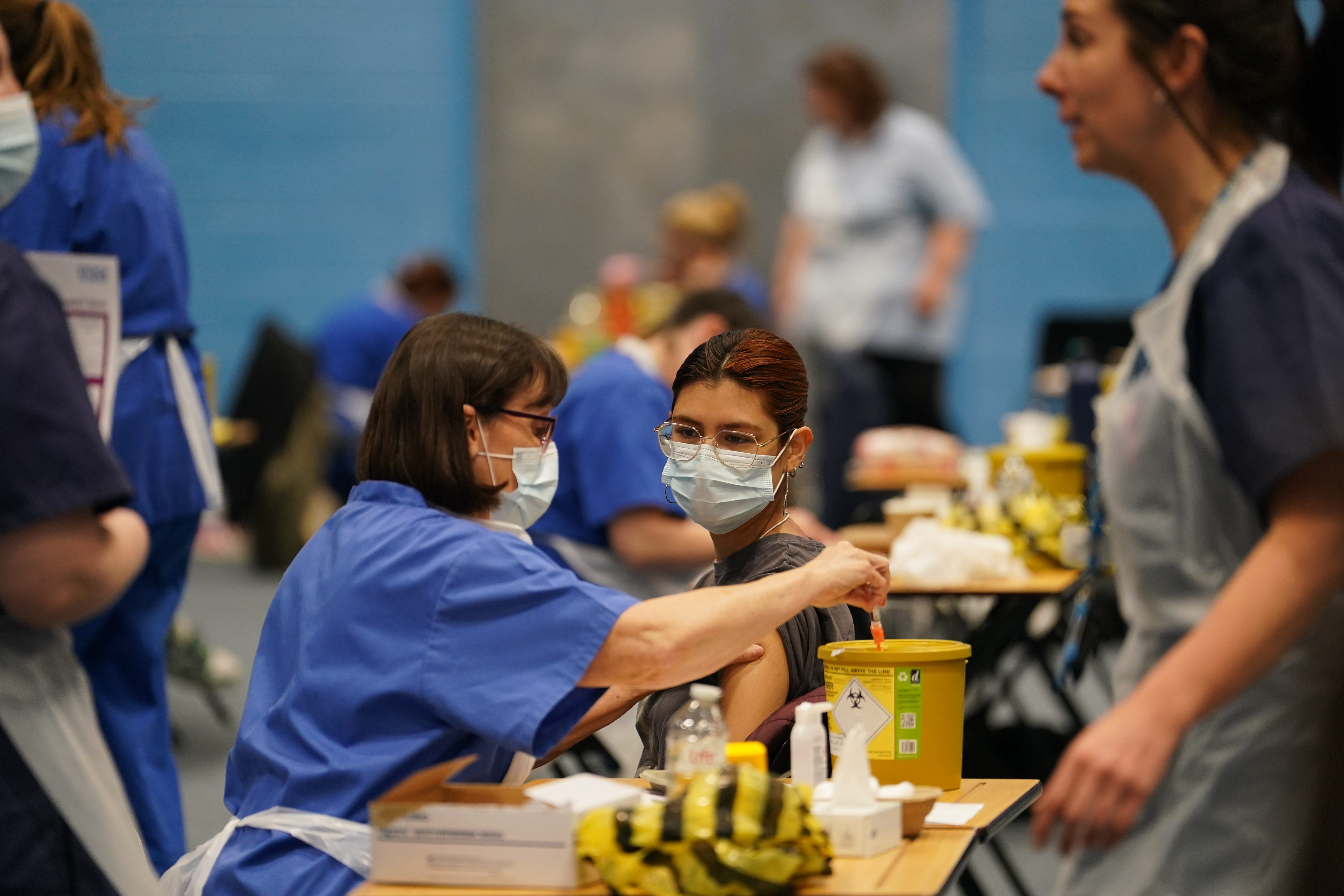
“The outbreak genome is clearly distinct within this subtype of menB. These genetic differences in the strain compared to closely related genomes must be further evaluated to understand how they may change the behaviour of the bacteria.”
Hundreds of people who visited Club Chemistry in Canterbury on 5, 6 or 7 March were told to come forward for preventative antibiotic treatment as a “precautionary measure”, while a targeted vaccination drive for students at the University of Kent has been rolled out.
As of 12.30pm on Tuesday, 20 cases of meningitis had been confirmed, with a further three under investigation, bringing the total to 23.
This was down from 29 on Sunday, when 20 cases were confirmed and a further nine were under investigation. Officials started vaccinating University of Kent students on Wednesday 18 March.
All patients in the Kent outbreak have required hospital admission. Nine were admitted to the intensive care unit, where four remain.
The Independent understands that public health measures were implemented in response to the identification of clusters of the outbreak on the university campus and subsequently to Club Chemistry attendees.
NHS Kent and Medway said that by 11am on 24 March, 13,386 doses of antibiotics had been given out – along with 10,627 vaccines.